RE: Lemon Scented Tea Tree - Aussie Native.
DESCRIPTION
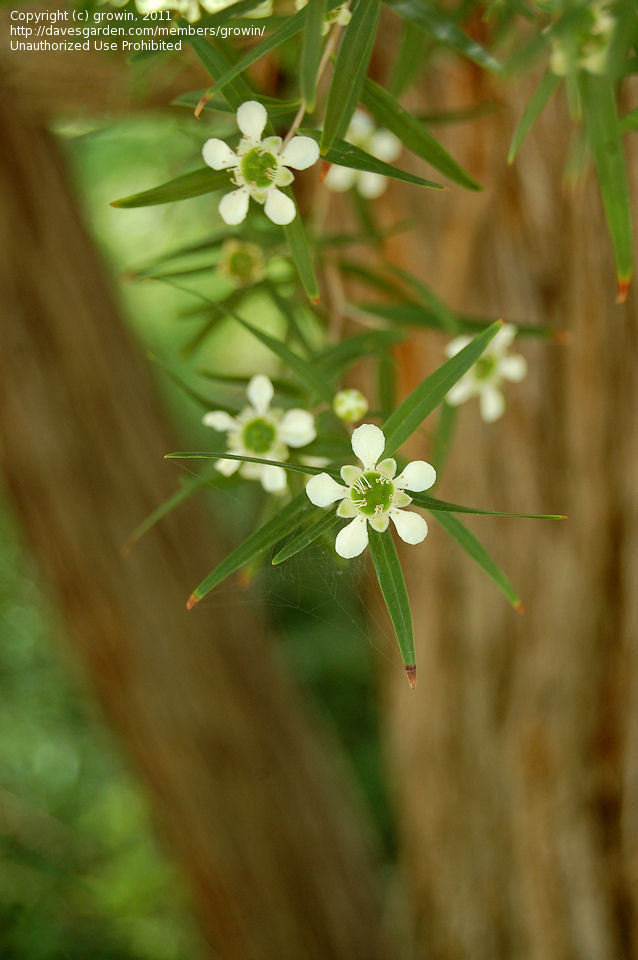
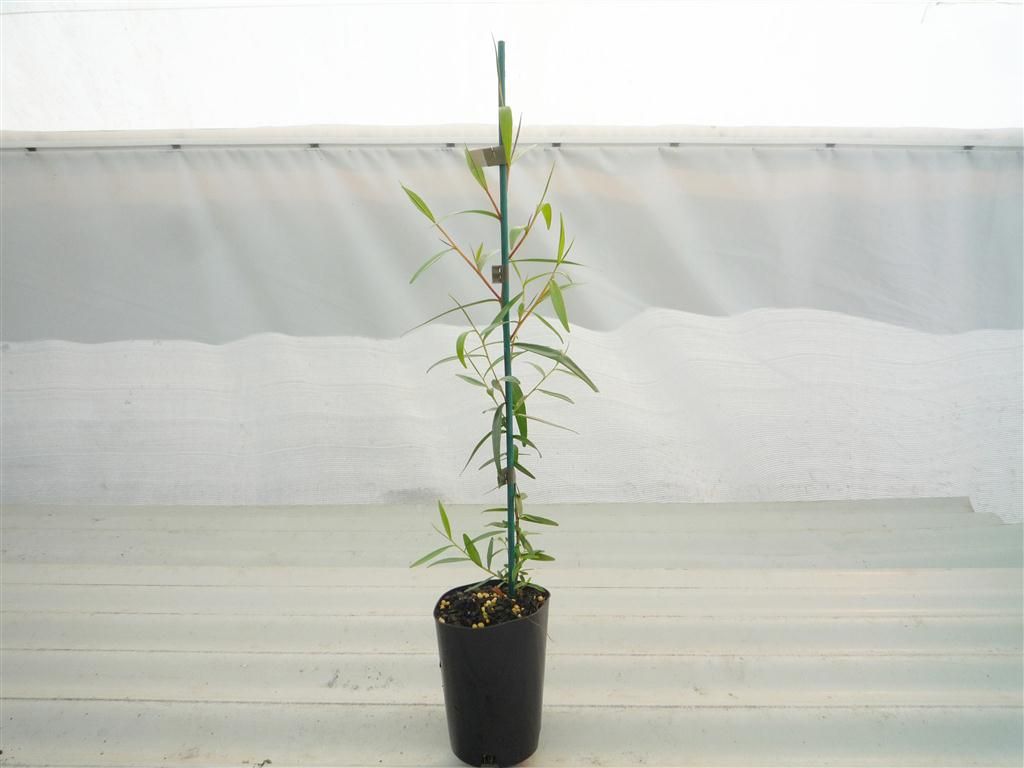
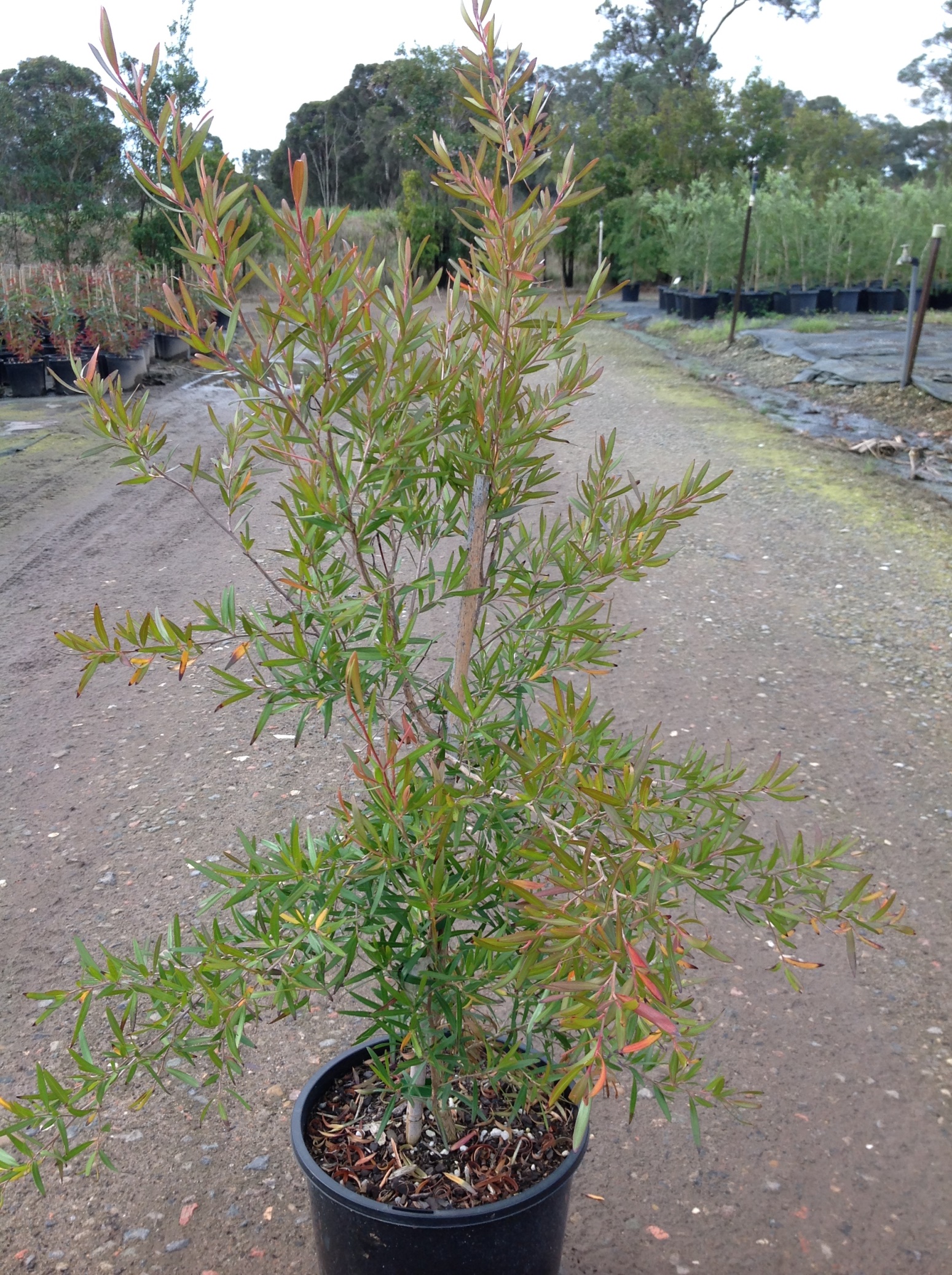
Leptospermum petersonii (Lemon Scented Tea Tree) - This is a fast-growing evergreen, open-branched shrub or small tree to 8-20 feet tall with small, narrow (1-2 inch long by up to 1/4 inch wide) pale green leaves. White flowers with green centers bloom in summer on arching, pendulous branches. The leaves, if crushed, give off a lemon scent. It has similar cultural requirements as L. laevigatum. Plant in full sun. It is drought tolerant. Protect from hot, dry winds. It will grow in seaside conditions. It is slightly frost-tender, taking temperatures down to about 25 degrees F. This description is based on research and observations made of this plant as it grows in our nursery, in our nursery garden and in other gardens that we have visited. We also try to incorporate comments received from others and appreciate getting feedback of any kind from those who have any additional information about this plant, particularly if they disagree with what we have written or if they have additional cultural tips that would aid others in growing Leptospermum petersonii.
Habit and Cultural Information
Category: Tree
Family: Myrtaceae (Myrtles)
Origin: Australia (Australasia)
Evergreen: Yes
Red/Purple Foliage: Yes
Flower Color: White
Bloomtime: Spring/Summer
Fragrant Flowers: Yes
Height: 12-20 feet
Width: 8-12 feet
Exposure: Full Sun
Seaside: Yes
Summer Dry: Yes
Deer Tolerant: Yes
Irrigation (H2O Info): Low Water Needs
Winter Hardiness: 25-30° F

Uses
Fantastic as a street tree because of its smaller growth and can also be used as an informal hedge because of its dense foliage. It also is a great bird attractant.
Pests and diseases
Unfortunately, a large number of species are prone to a variety of pests. Probably the worst and most common is the webbing caterpillar, which feeds on the foliage of most of the smaller-leaf species, matting the leaves together with webbing and filling it with their droppings. This can cause complete defoliation in small plants and may even cause death. The easiest and safest means of control, if the problem is found early enough, is to remove the mass of grubs, webbing and frass with the fingers and squash it. If spraying is considered necessary, a systemic spray must be used, as contact sprays are mostly ineffective.

Another prevalent pest is scale, which is usually associated with black smut causing an unsightly blackening of the foliage. The L. scoparium cultivars are particularly affected. Treatment is to spray with white oil when the crawling stage of the insect is mobile, usually in early spring. Later application should have an insecticide added to the white oil solution, to obtain effective control.
Borers may also attack tea-trees and their presence is made apparent by small piles of sawdust-like frass on the branch forks or near the base of the shrub. The safest method of control is to use a small syringe containing methylated spirits and squirt it into the hole made by the borer.