RECENT DISCOVERIES THAT PROVE THAT EARTH MIGHT NOT BE THE ONLY PLANET TO KEEP SUSTAINING LIFE IN THE NEAREST FUTURE
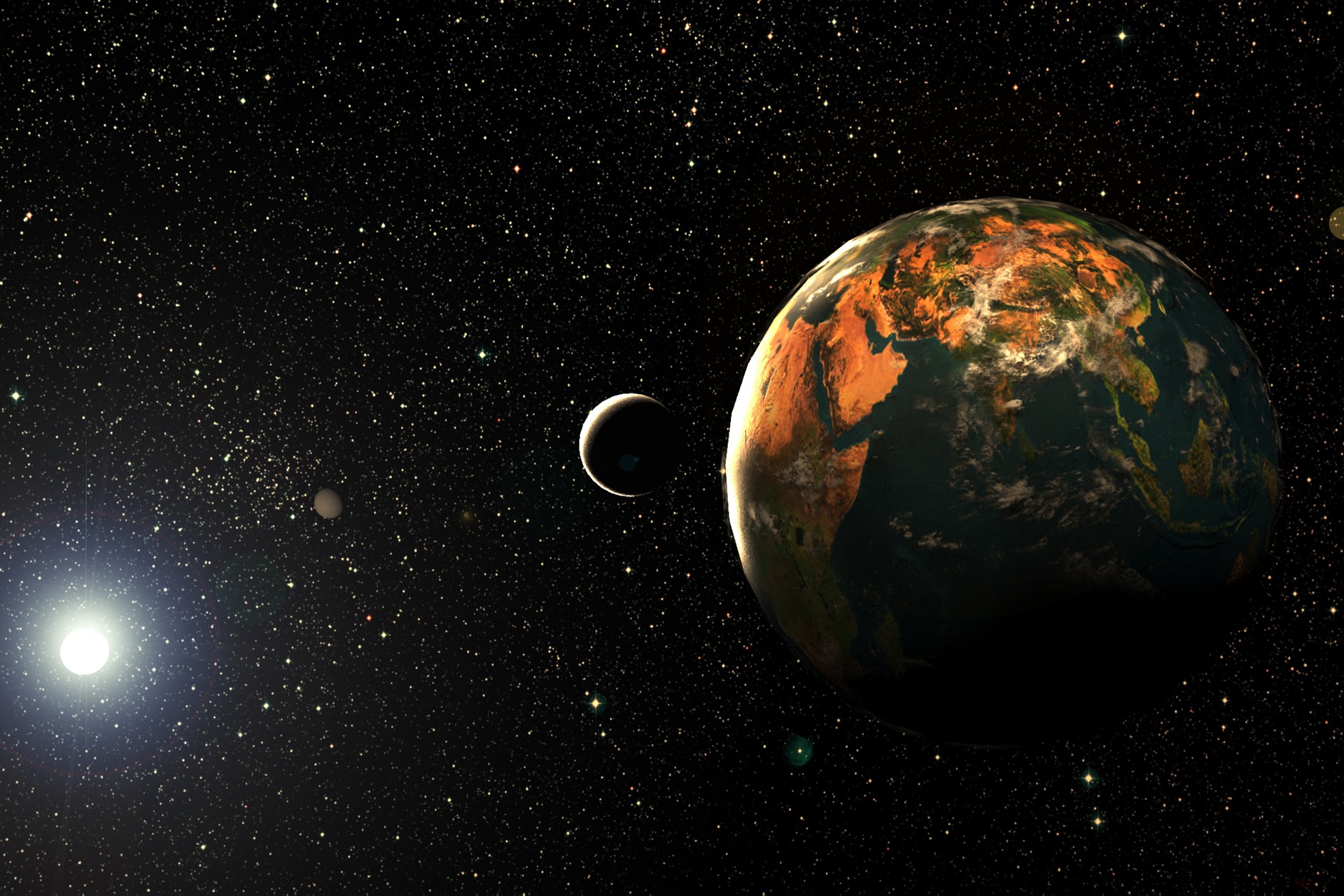
The universe, in all its magnificence and splendor, comprises myriads of galaxies; and consequently, infinite number of planets as well. In fact, it is estimated that our universe is blessed with 200 billion galaxies or thereabouts, with a planet population of 1024 (1, 000, 000, 000, 000, 000, 000, 000, 000). Of this planet statistics, a large chunk of the numbers belong to our own Milky Way Galaxy which houses our Solar System; a system of planets and stars. The solar system itself houses eight planets with the sun as its biggest star. The intriguing news however is that of all the eight planets- Mecury, Venus, Earth, Mars, Jupiter, Saturn, Uranus and Neptune- Earth remains the only habited of all the planets till date, even though research suggests that plant life is supported in some of the planets aforementioned. Life on earth is interesting and comforting, but can we obtain a similar feel from experiencing life from other planets in the solar system? If life in the 3rd closest planet to the sun can be this friendly to life, can we be treated to the same level of hospitality in the other planets? Is there a possibility?

Prominent physicist, Professor Michio Kaku, opines that such life could be possible in planets other than earth as well. In his book The Future of Humanity, he describes how humanity could in future make a living abode out of the planet Mars and how that the planet could give earth a good competition for preserving and conserving lives of humanity and plant as well as animal life. One of the five key steps prescribed by the acclaimed physicist in his book is the use of underground bases or tunnels made of lava tubes. The purpose of these underground tunnels according to Professor Kaku would serve to protect humanity against the adverse effect of radiation the planet possesses. In addition to this step, humans would need to rely on mining for a great deal of their needs. Elements like oxygen and hydrogen that are readily available here on earth would need to be mined out in Mars for their use; hydrogen serving as fuel for rocket and oxygen for performing respiration function. Mining of ice would also be required in other to provide water for consumption. Kaku’s third step for subsisting on Mars is getting aid with genetically modified plans. Fourth- the creation of green house effect as we have here on earth as well is necessary for a good living experience on Mars. The last step involves the use of solar mirrors. The function of these solar mirrors is to melt the ever-forming ice caps in the planet by reflecting the light from the sun on them; hence melting it. That way sunlight availability can be ensured in Mars, hence making life there suitable for a long term existence, just like earth. With practical actions towards testing out the physician’s therapy, the reality of earth standing aloof as the only planet having the onus of supporting life would become a fading illusion with existence on Mars becoming the reality.
Looking at the eight planetary bodies and taking cognizance of their position in the solar system, it becomes obvious the reason for the inhabitable disposition of planets such as Mecury and Venus: their proximity to the sun. This singular dimension makes them too hot for existence. Earth is third in the orbital map of distance from the sun, followed closely by Mars, and since both planets have been affirmed to have structures that support human life and knowing how distant they are from the sun unlike Mercury and Venus, it is logical to equate distance from the sun with planets’ ability to support life; thereby arrogating that potential of life-bearing ability to such planets like Jupiter, Uranus, Neptune and Pluto. But does this assumption hold true?
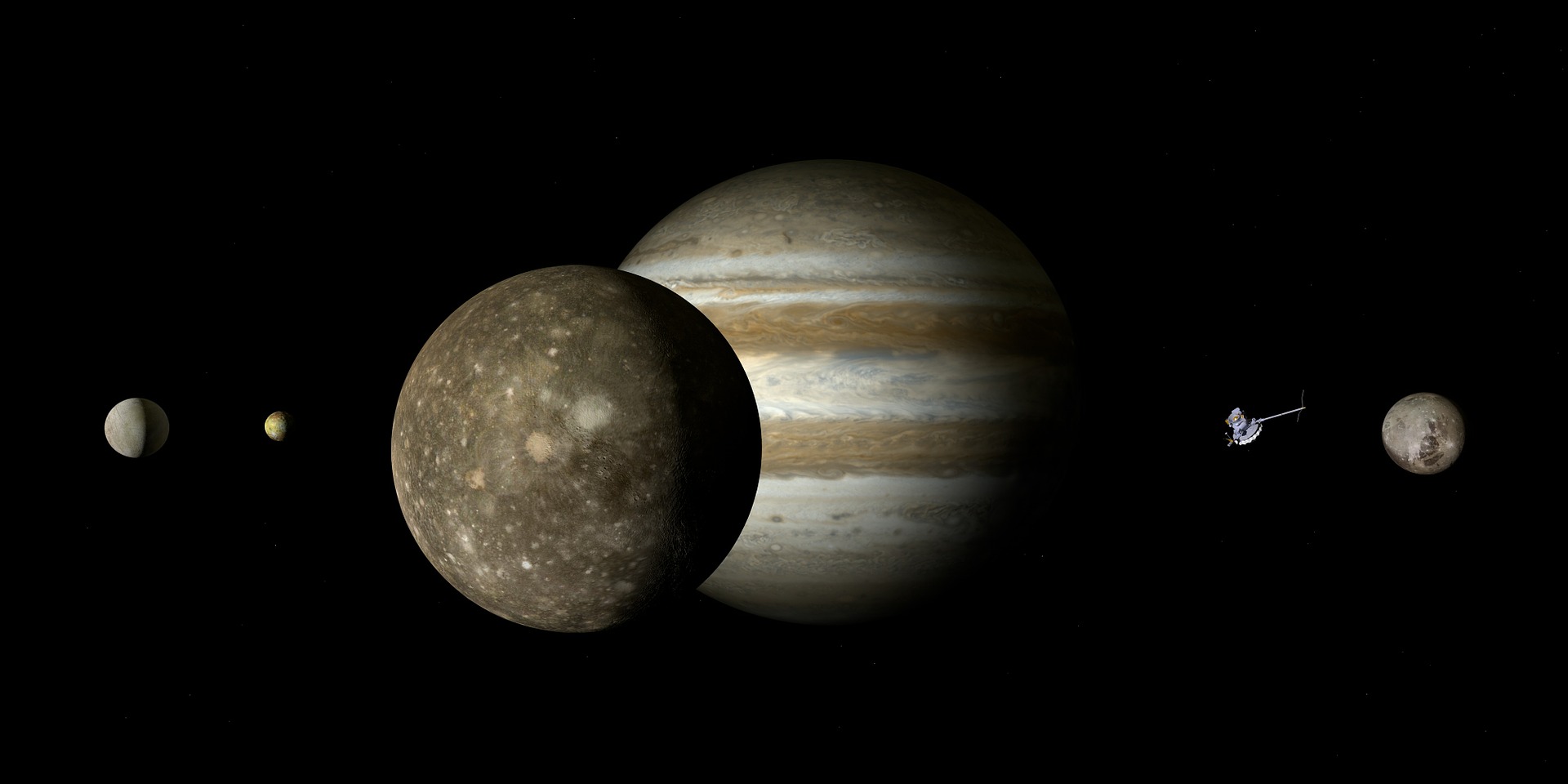
Scientists have in the times past revealed that Jupiter, although lifeless, could support life in one of its moons. The moon called Europa is Jupiter’s planetary body that has been staked with the plausibility of existence. The existing large quantities of water on moon Europa which is estimated to surpass the volume of water in earth is protected from radiation. The Europa moon is assumed to be able to support life; alien life to be specific. Whether or not it can support human life has not been established practically speaking but scientists believe there is a possibility that it can, seeing that it has some element key to survival such as energy, water, organic chemicals, carbon-containing compounds. A scientist at the programme The Lure of Europa reaffirmed this in his speech. Another reputed science figure, the chief scientist at NASA, Ellen Stofan also said at another event organised by The Planetary Society and hosted by Bill Nye that every component requisite of a life-supporting system is available at Europa, which makes it the next possible destination for humanity. This statement validates Jupiter as capable of bearing human existence and moon Europa as bearing the bearer of the task.
The plausibility of life is not only perceived in Jupiter. Scientists also believe that in Saturn’s world of numerable moons that parade its sky, some moons just might have the potential to conserve life. Of its 53 confirmed moon count (according to the 1981 space mission of NASA’s Voyager 2 spacecraft), moons Enceladus, Dione and Titan are purported to be able to support existence, just like Earth. The system of moons network in Saturn however acts in such a way that they impinge on one another’s orbit as well as the forces of gravity, but scientists still think the world of these three moons have the latent capacity to support life. For planet Neptune, it is the moon Triton that is saddled with the life-bearing function potential while in Uranus, moons Titania and Miranda are the perceived custodians of life.

Having travelled through the world of planets and the opinions of scientist concerning a possibility of life in some planets other than earth within our solar system in this article, it becomes clear that in no distant future from now, advancement in research on these planets might see these projections come alive bringing interplanetary travels in high demand and even intergalactic travel, should the envisaged collision course between our Milky Way Galaxy and the Andromeda Galaxy occur some billion of years from now- but that is a topic for another day.
Written by @mediahousent, Edited and posted by @camzy
all images used were gotten from PIXABAY


The galaxy is a beautiful mystery and most times i am left in awe of how the galaxy can look simple and yet complicated at the same time...won't it be so much fun if we can just travel out of earth to mars or jupiter, lol. I doubt i would be alive when such a thing would happen, though scientists are really working hard to find another place habitable for humans.
I believe that, the only thing I am not happy about is that it might not happen in our generation, but at last we are getting there.