What is Nirvana – what is perfection?
Most of us have heard of the name “Nirvana” - the rock band from Seattle of the 1990s with its iconic singer Kurt Cobain. And we may be aware that the word relates to some kind of spiritual or transcendent goal. Nirvana is actually a Sanskrit word from the ancient Vedas of India, the vast body of written works on yoga and civilized living, but its real interpretation is little known and the goal it refers to is often confused with the Buddhist concept of nothingness. Let’s take a closer look at what the Vedas say about it.
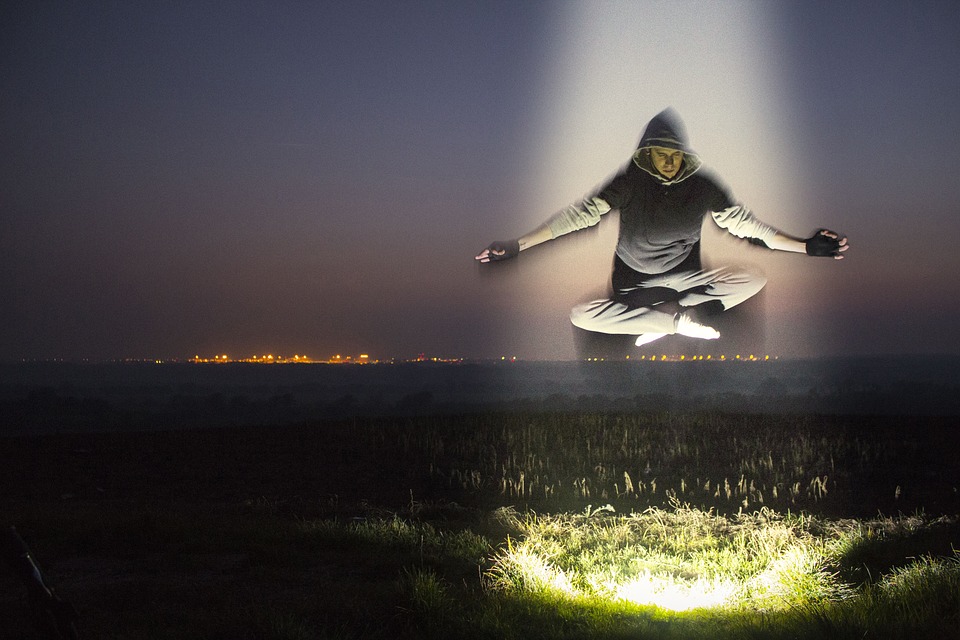
To begin with, the prefix “nir” means to negate, it is a negative reference. The implication is that of negating material existence, so the term is sometimes considered to mean nothingness or the cessation of existence and some philosophers even equate the goal of life and the spiritual quest to be firstly the negation of ego, personality and self, and then the merging into an all-consuming oneness with “Brahman” or spirit. There is a popular Vedic aphorism that says “aham brahmasmi” meaning “I am spirit”. And indeed we are originally not this body but rather the spirit which animates the dead matter. However, this “Nirvana” or cessation of material existence needs to be more closely qualified or accurately understood.
In the classic yoga text on transcendence called Bhagavad Gita, there is a set of verses which talk about Nirvana in detail:
यत्रोपरमते चित्तं निरुद्धं योगसेवया ।
यत्र चैवात्मनात्मानं पश्यन्नात्मनि तुष्यति ॥ ६.२० ॥
yatroparamate cittaṁ
niruddhaṁ yoga-sevayā
yatra caivātmanātmānaṁ
paśyann ātmani tuṣyati
“In the stage of perfection called trance, or samādhi, one’s mind is completely restrained from material mental activities by practice of yoga. This perfection is characterized by one’s ability to see the Self by the pure mind and to relish and rejoice in the Self. In that joyous state, one is situated in boundless transcendental happiness, realized through transcendental senses. Established thus, one never departs from the truth, and upon gaining this he thinks there is no greater gain. Being situated in such a position, one is never shaken, even in the midst of greatest difficulty. This indeed is actual freedom from all miseries arising from material contact.”
Bhagavad Gita as it is chapter 6:20-23 translated by Swami A.C. Bhaktivedanta
Here we see the word “Samadhi” which is similar to the concept alluded to in the word “Nirvana”. It is the goal of the “ashtanga yoga” practice, or the goal of the aspiring yogi. It might make a nice name for a band too. It is described as the stage of perfection in this verse. At this topmost stage of yoga, the material mind is totally focused inward and no longer focused on anything external, like the body or any of the objects of the senses outside the body. With this foundation the consciousness is then able to understand itself, attain a degree of self-realization, and with that comes the quality of bliss beyond which there is nothing else to attain. And this state is the goal and is real freedom from any and all miseries which are derived from the mind’s interaction with the outer material world and the physical body, as clearly stated in this verse.
The concept of Nirvana or Samadhi - implying a negation of the material world - is correct, for the yogi naturally retreats and withdraws the senses from the material world and even identification with the body in which s/he is housed. This is the prerequisite for attaining the higher goal of yoga. However, the misinterpretation can arise at this point of firstly thinking that once the ego is gone there is nothing, that we enter into a state of non-being, non-existence, or merging with the totality of spirit called “Brahman”. But this is not quite the full understanding. The danger here is that the soul mistakenly identifies with the supersoul. The translator of the Bhagavad Gita clearly makes these points in his commentary to this verse.
The Patanjali system of yoga does not merely negate mundane reality, it also affirms transcendent reality, and in the state of transcendence there is consciousness, there are qualities and feelings. There is the self in relation to the superself and in this relationship between the two there is a depth of feeling, particularly mentioned in this verse again. The Patanjali system of yoga is sometimes misinterpreted by moninsts or non-dualists as a process of making everything merge into one. The problem with this explanation is that there can be no emotion or exchange of feeling when all is one. A more accurate realization or revelation by the previous teachers of yoga, like Narada, Vyasadeva, Ramanujacharya, Madhvacharya and others is that although the mundane senses are negated in Nirvana or Samadhi, the spiritual senses of the spirit soul are fully awakened.
A result of minimizing the material and awakening the original spiritual self and senses is to make contact with the “Chit Shakti” or internal potency or divine spiritual energy, and this state is one of bliss in relationship, like the Sufi and Bhakti mystics often allude to. It is the experience of the divine beloved, in a relationship of love. The mystical path often used romantic analogies of a lover and their beloved when referring to the relationship of the self and the superself via the “Chit shakti” or spiritual potency. We are all considered feminine in relation to the one original masculine. And the spirit of God, or Shakti, is considered feminine too. Just like the holy spirit of the Catholic tradition – it is the missing feminine concept in the Father, Son and Holy Spirit. That spirit is the feminine principle in the trinity. But modern Christianity might have lost this understanding over time in the patriarchal culture we have evolved into.
These insights are there for the yogi who makes any real progress toward Nirvana or Samadhi or self-realization. First there is the cleansing of the heart of the illusory identification and sentimental attachment to the externals as the self, and then there is the vision of the real self within the heart, so to speak. This cleansing is the process of Nirvana. It implies the negation of the material misidentification so that the original transcendent identity can emerge. Therefore to say we cease existence in Nirvana or the goal of yoga is only half the truth. We do indeed cease, but it is the temporary mundane identity that ceases. Thereafter the original self emerges as a person with the qualities of “sat chit ananda” eternal, fully conscious and also – most importantly – bliss. “Ananda” means bliss in Sanskrit. There is no question of bliss if there is no person to feel the bliss. And the greatest bliss is that felt between two people in relationship, not alone as the only person in the universe, which is what the non-dual school of thought is teaching when they say we all merge into becoming one. The translator says in his commentary on this verse:
“Liberation from this material infection does not mean destruction of the original eternal position of the living entity.”
The yoga sutras of Patanjali also accept this “chit shakti” or transcendental pleasure principle. And Vedanta Sutra – a classic text on yoga – says the transcendent self is “ānanda-mayo ’bhyāsāt” filled with “ananda” or bliss, and that this transcendental pleasure is the goal of yoga, it is the symptom of Nirvana or Samadhi and can be attained by yoga, specifically in this modern age by Bhakti yoga as opposed to Ashtanga, Hatha or Kundalini yoga, which was for a previous age when we had longer life spans and more discipline. The Bhakti path is one of love, as in the Sufi tradition of the lover and the beloved. Yoga and meditation may be included, but they are performed with love as well as discipline or renunciation.
In fact there are several types of yoga and differing paths to attain the goal, and they vary according to time in history, and Kali Yuga, the age in which we currently live, which began around 5000 years ago, is the last of the four great ages and described as the most fallen. It is the iron age – the golden age having past millennia ago. Where do you think the ancient magnificent architectural structures on our planet came from, the ones that we cannot even build today? They were built in a previous and more advanced civilization, perhaps before the great ice age around 12 000 years ago, which swept away the previous cultures and left us thinking we are the only intelligent ones, having come from caves. There may have been a time of cavemen, considering the ice ages were destructive and difficult, but before them there were greener pastures and refined civilizations which would put ours to shame today in their feats of engineering, but more importantly their levels of consciousness and culture.
To conclude, the real understanding of Nirvana as the goal of life is more than just negating the material self. It is also about awakening the transcendent self, which gives us access to full bliss and satisfaction, after which we lack nothing. While in the body we need to do the needful to keep alive, like eating, sleeping, mating and defending, but none of those are the route to ultimate satisfaction or bliss. That is attained by the path of yoga and meditation. And once we attain even a glimpse of the goal, the material allures of money and pleasure pale in comparison. And any loss as well as gain is seen as fleeting and insignificant compared to the higher pleasure of the original self.

Years ago in college I took a course on Eastern religions where I seem to recall discussing many of these texts and concepts you refer to. It was a very enjoyable class that definitely opened my mind in many ways. I enjoyed reading your post, as well, and it is a good reminder to me to continue to make time for yoga and meditation in my life!
That's great to hear, the wisdom is there to remind us of what we already know.