Russia sanctions highlight need for United States to fight illicit finance
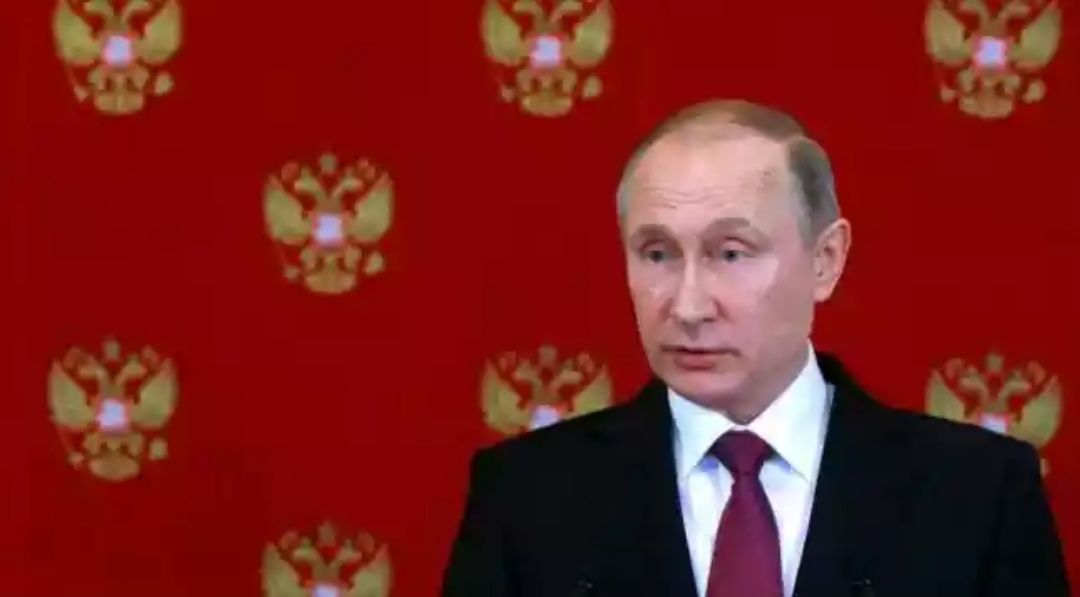 On Friday, Treasury Secretary Steven Mnuchin said that “Russian oligarchs and elites who profit from this corrupt system will no longer be insulated from the consequences of their government’s destabilizing activities.” Here is how and why the new sanctions on seven oligarchs and 12 companies might, and should, go down, and how beneficial ownership reporting is related to the larger picture.
The Countering America’s Adversaries Through Sanctions Act (CAATSA) required specific beneficial ownership reporting. Russian oligarchs collectively have billions of Vladimir Putin’s and their own assets stored in the United States and other Western democracies through various financial accounts and business holdings. The Treasury Department report behind today’s sanctions has been seen by Congress and is likely to have actionable intelligence on Russian beneficial owners. Federal law, until CAATSA, allowed them to hold and invest this money here anonymously.
The recent expulsion of Russian diplomats by more than 20 Western democracies provides a critical opportunity to counter illicit finance — the profits of illegal activity, such as election meddling, sanctions evasion, annexations and assassinations — that Mnuchin refers to. CAATSA required the “relevant beneficial ownership information” of prominent Russian oligarchs and the “leadership structures and beneficial ownership” of Russian parastatal entities.
The White House’s unclassified version of the report came out in late January. Beneficial ownership is not mentioned anywhere in the roundly criticized public version. Why is that? Russian oligarchs and parastatals likely have massive holdings in the United States that are protected by lax beneficial ownership rules. After all, the worst part about investing in Russia is that the money is in Russia.
Putin understands this as well as any criminal kingpin. It is the same reason Kim Jong Un attended school in Switzerland and Bashar Assad in England. It is the reason why the elite classes in adversarial authoritarian states buy sports cars, planes, yachts and property in the West. Illicit finance, like licit finance and other good things, is attracted to and grows within deep, liquid and stable markets with an independent rule of law. Adversaries hide their identity in Western marketplaces because illicit finance constantly morphs as alliances shift, laws change, and sanction breakers adapt.
America’s most pressing national security threats lurk at the intersection of authoritarian rule and illicit finance. Modern authoritarian regimes like Russia, China, North Korea and Iran structurally depend upon illicit funds. They utilize sovereign legitimacy to create illicit financial networks that penetrate law-abiding free economies. One example of this is China’s trans-shipment of steel by moving goods into a country and then disguising their origin to avoid tariffs at a final destination. This is a high form of trade-based money laundering, or value obfuscation, which lower-level criminal networks, terrorist organizations and rogue states replicate, expand and utilize at America’s expense.
Congress should not wait for Putin’s adventurism to accidentally or purposefully invoke NATO Article Five Collective Defense crisis. Russian holdings in the United States, to the extent they are now known, directly fall in the realm of “illicit finance,” or the profit of illegal activity. Many will assume that this type of illegal activity, like reports of a sanctioned oligarch owning a mansion in Washington is mostly benign.
I disagree. Illicit finance is a national security threat and beneficial ownership data is a powerful tool in fighting it. Today no fewer than 20 pieces of legislation designed to curb illicit finance sit in Congress, almost all of which have national security implications. At least half of the laws call for some form of beneficial ownership reporting.
Banks support beneficial ownership reporting because increasingly it is the c
Hi! I am a robot. I just upvoted you! I found similar content that readers might be interested in:
http://thehill.com/opinion/finance/382018-russia-sanctions-highlight-need-for-united-states-to-fight-illicit-finance