Now is the time to focus on the journey of self love and make your relations better
If you have a strong desire to develop yourself and your results-orientedness takes precedence over your self-compassion, the tasks you "must" complete and their obstacles may drain your energy and demoralise you from time to time. Alternatively, if you attribute your problems on other people, the system, or external forces rather than yourself, you are trapped in a vicious spiral. Both of these conflicting ideas have one thing in common: they both focus on the individual. Because of the tendency to accept too much responsibility in the first case, the focus is on the person himself and his experiences in the second example, while the responsibility is constantly seen outside.
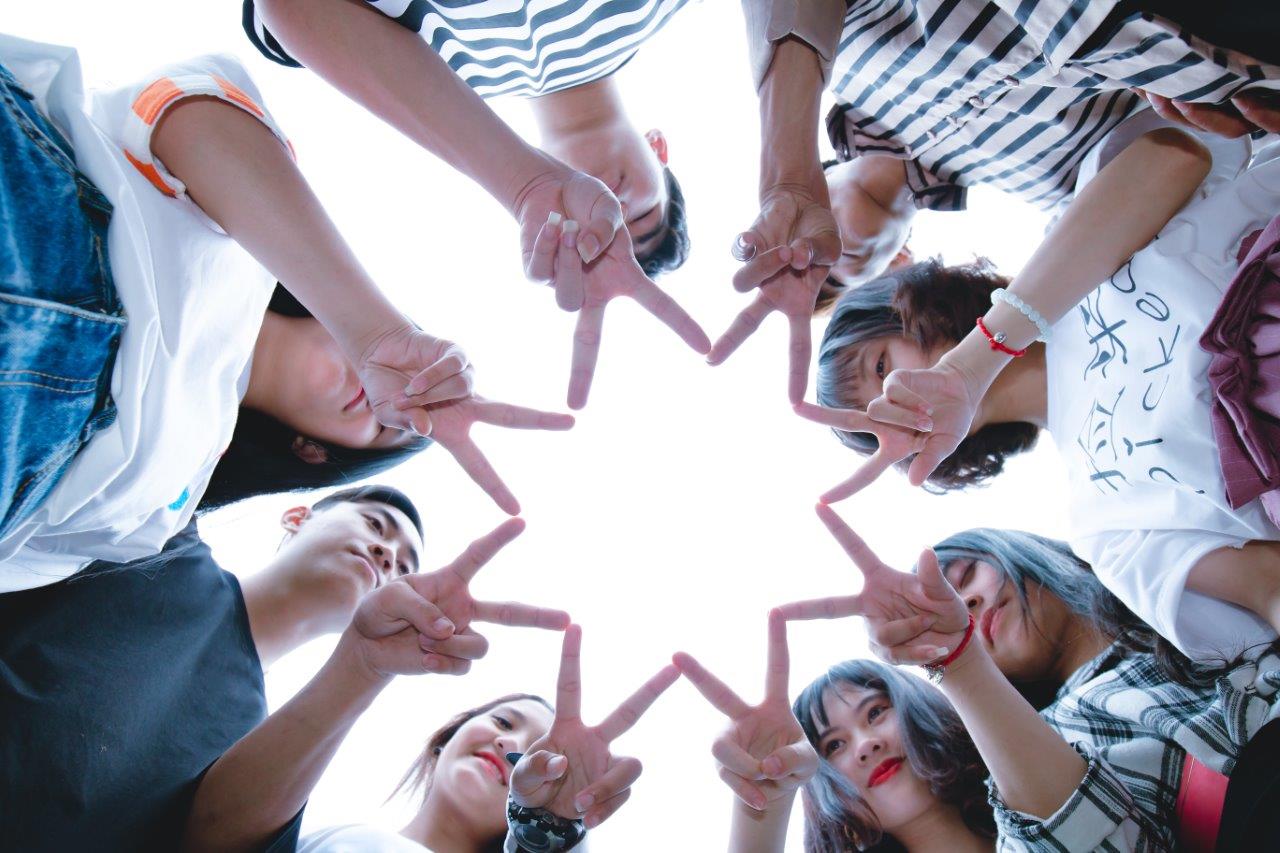
If you find yourself in one of these two circumstances and wish to get out of it, it may be beneficial to refocus your attention on other individuals. Spending more private time with family or friends, listening to their concerns, offering help, asking for their opinion or asking for their help, or simply having actual discussions with them, while still focusing on them, will break the stuckness, provide oxygen, and assist you in regenerating. will.
Apart from that, participating in volunteer work or long-term project groups, as well as interacting with new and different individuals, would be beneficial. The goal is to stay active while shifting our attention away from our inner world and toward the outside. When you listen to people in a chat room in the Clubhouse, or watch a live broadcast on Instagram, for example, you are not just a viewer/observer; you are also participating in dialogues, exchanging ideas with other people, and taking initiative if possible. As a result, the key goal here is to "have to" both exercise your intellect in new ways and have new experiences through connection.
In many sectors and situations, collaboration actually generates rich solutions, makes issue resolution easier, and plants beneficial seeds for the future.
For the care of children, education, or other family affairs, spouses must work together with each other, other family members, or those outside the family. In order to address a problem at work, we must work together with our management, teammate, or employees who report to us. Those who own their own company must work with their solution partners and, in some situations, their consumers. Service users must also work together with service providers. The list might go on forever.
Many of these stem from issues brought on by self-interested attitudes. Growing problems aren't always easy or quick to solve, and they might be difficult to spot. But one thing is certain: measures that prioritise personal or group interests appear to have momentarily fixed the problems and then caused them to resurface. As a result, it is evident that everyone requires the ability to collaborate.

What I'm referring to is a somewhat different approach to the advantage of the entire and in general than what is presented in the book. Calculating the return by behaving more strategically for personal goals and desired outcomes makes sense. However, in order to foster broad and long-term collaboration, it is vital to adopt a more open-ended approach that does not focus on the turnaround time or size.
Which side of the perspective focused on yourself and the perspective focused on people and people outside of you do you perceive yourself more on in your daily life? If you find yourself focusing too much on one side, new possibilities to explore the other side are just around the corner.