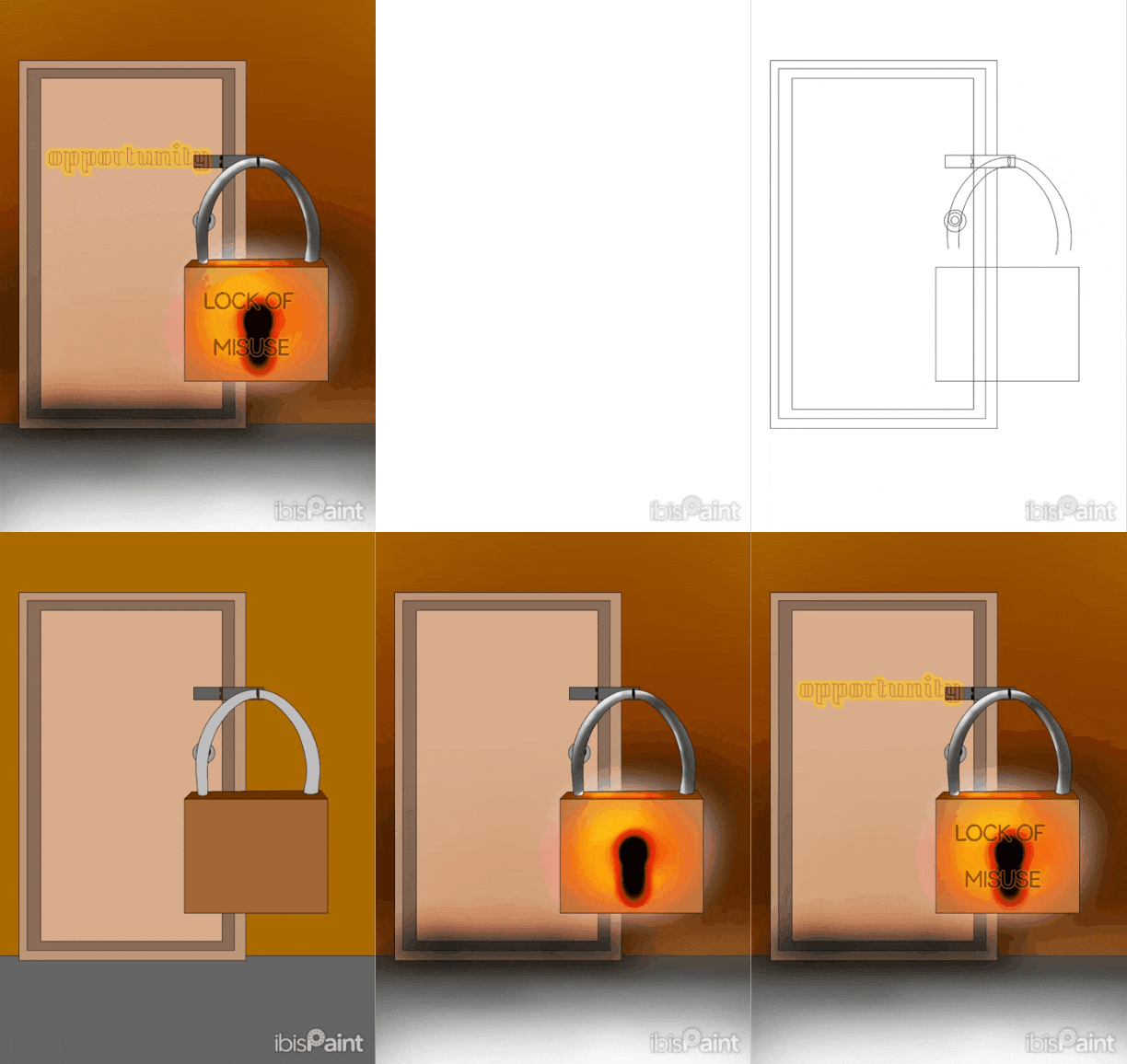
Lock of misuse
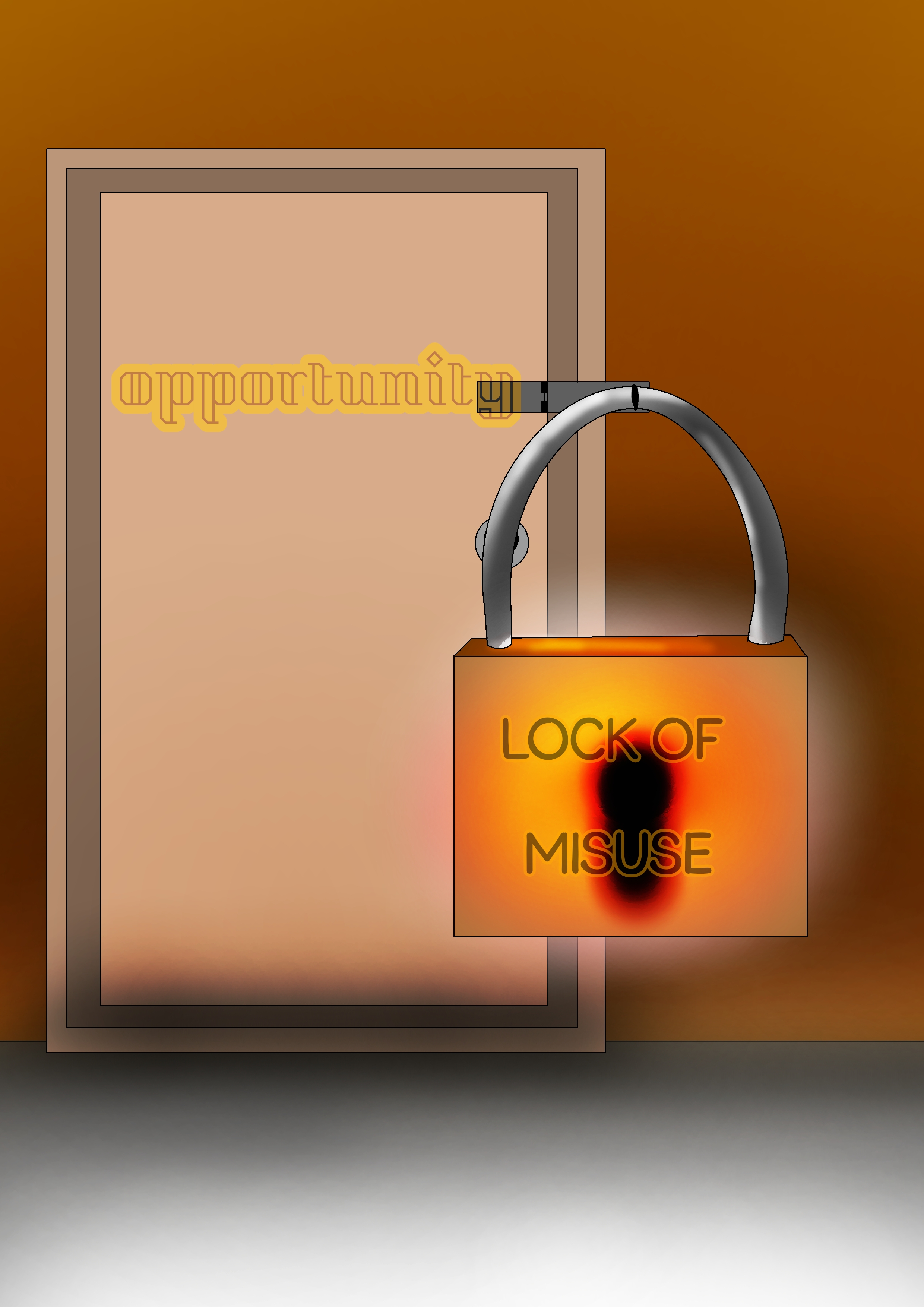
We rarely lose our best opportunities through grand, dramatic failures. Instead, we lose them through small, quiet mismanagements that build up over time—a sharp reply in a meeting, a joke that crosses the line, or a promise casually broken. These everyday moments are chances to build trust, but when we misuse them, overstep boundaries, or insult the people positioned to help us, we gradually destroy those connections in real time.
Consider a simple, everyday scenario. You have access to a spot with free electricity where someone keeps the power running because his laptop battery is faulty and he needs it to work. You also have a laptop, but your charger is broken. Instead of taking the responsible path and buying a new charger, you repeatedly nag him for his—forcing him to question why he even bothers keeping the outlet running. What began as a generous arrangement turns into a chronic burden because you mistook a privilege for a right. When he eventually refuses, you frame him as the wicked one, effectively turning a potential ally into a adversary and locking yourself out.
This pattern repeats across life in subtle ways. Think of the friend who continually asks for favors without offering help in return, or the colleague who uses shared resources recklessly until the privilege is taken away from everyone. None of these individual acts seem catastrophic on their own, but like water eroding stone, they reshape how others see us. We rationalize our behavior, telling ourselves that asking one more time won't hurt, while remaining blind to our own self-sabotage.
Every interaction is a choice to either build a bridge or burn one. Access to people's time, energy, and resources is always a privilege, never a permanent right. Passing the test is simple: show gratitude, respect a refusal gracefully, and recognize that generosity can always be withdrawn. When we misuse opportunities, we do not just lose a favor—we lose the goodwill and trust that opened the door in the first place. If you ever find yourself staring at a closed door, it is always worth asking whether you were the one who forged the lock.
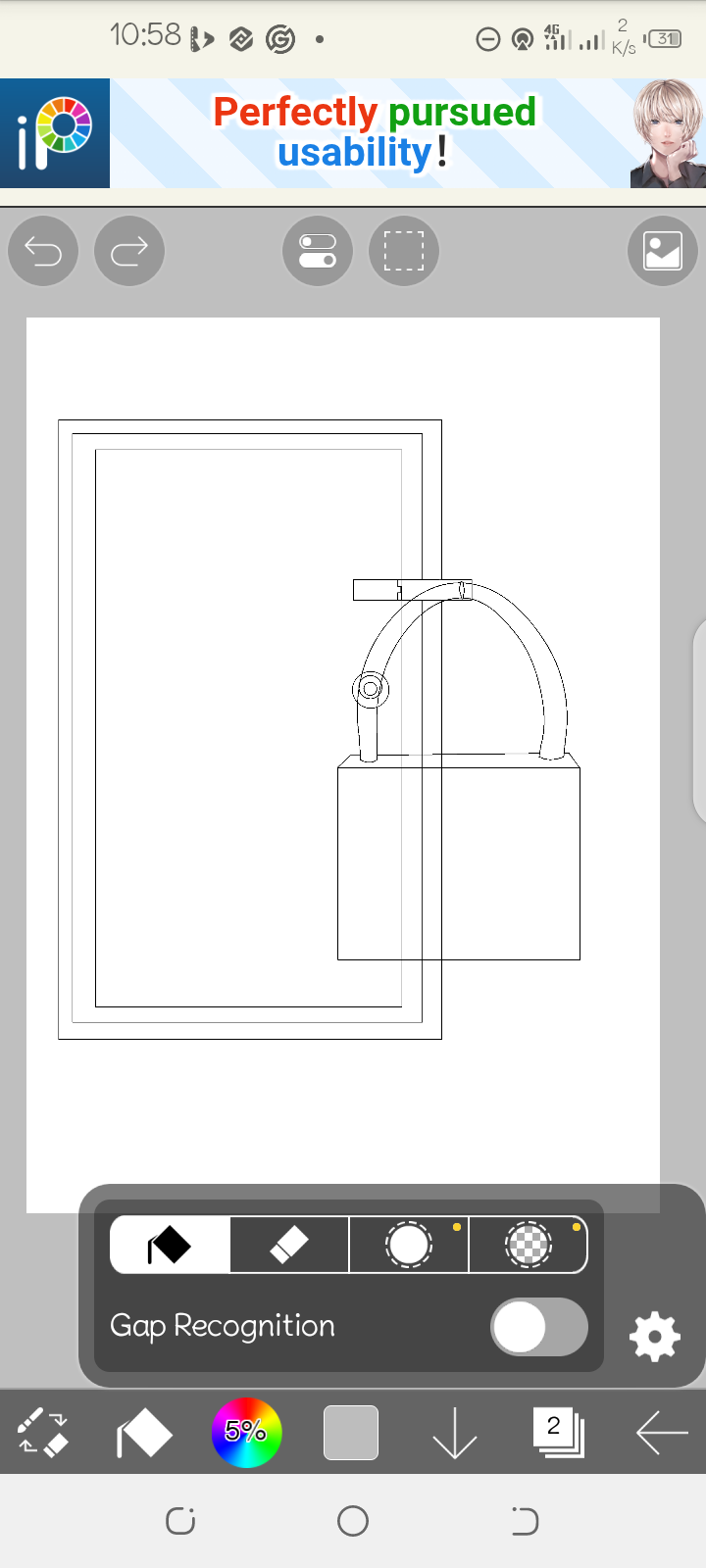
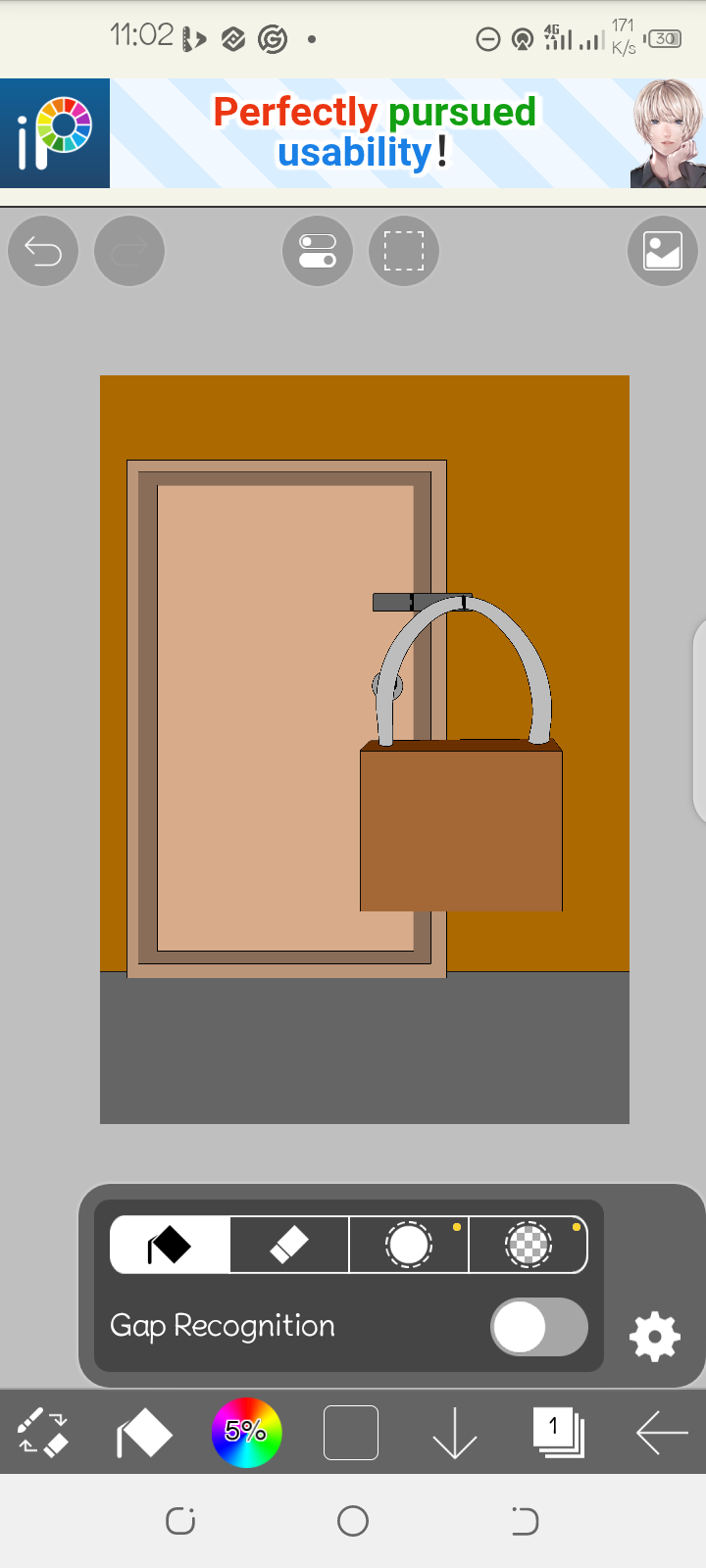
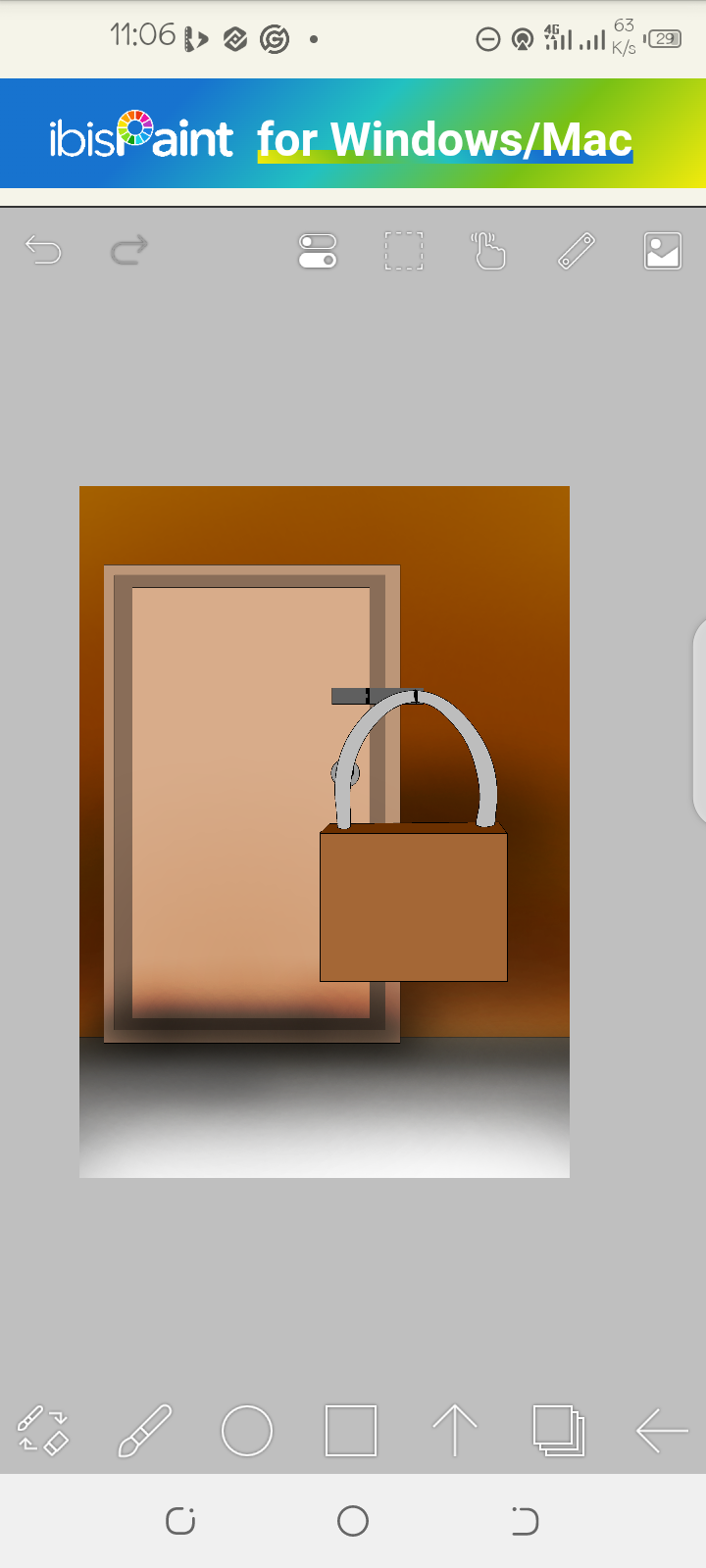
My creative process for this visual relied on my phone using Ibispaint x over approximately 10-20 minutes.
Misuse or abuse?
It isn't easy to avoid such behaviour unless you avoid being helpful.
🤔 Now that I look at it, abuse should have been more appropriate in this sense.
That's a sad truth. Everyone's got their own share of troubles and is looking for ways to solve them 😫.
You can always make a new post with topic abuse and way to ...solve it.
Thank you for the push! I honestly got goosebumps when I saw your comment because I don't see myself as much of an advisor 😅 but I gave it my best shot. Will be posting it right after I figure out what to draw for it (since it's an art community and I don't want to drift far away from the purpose of this community).
Upvoted! Thank you for supporting witness @jswit.