The Cheaper Flow - acrylic painting
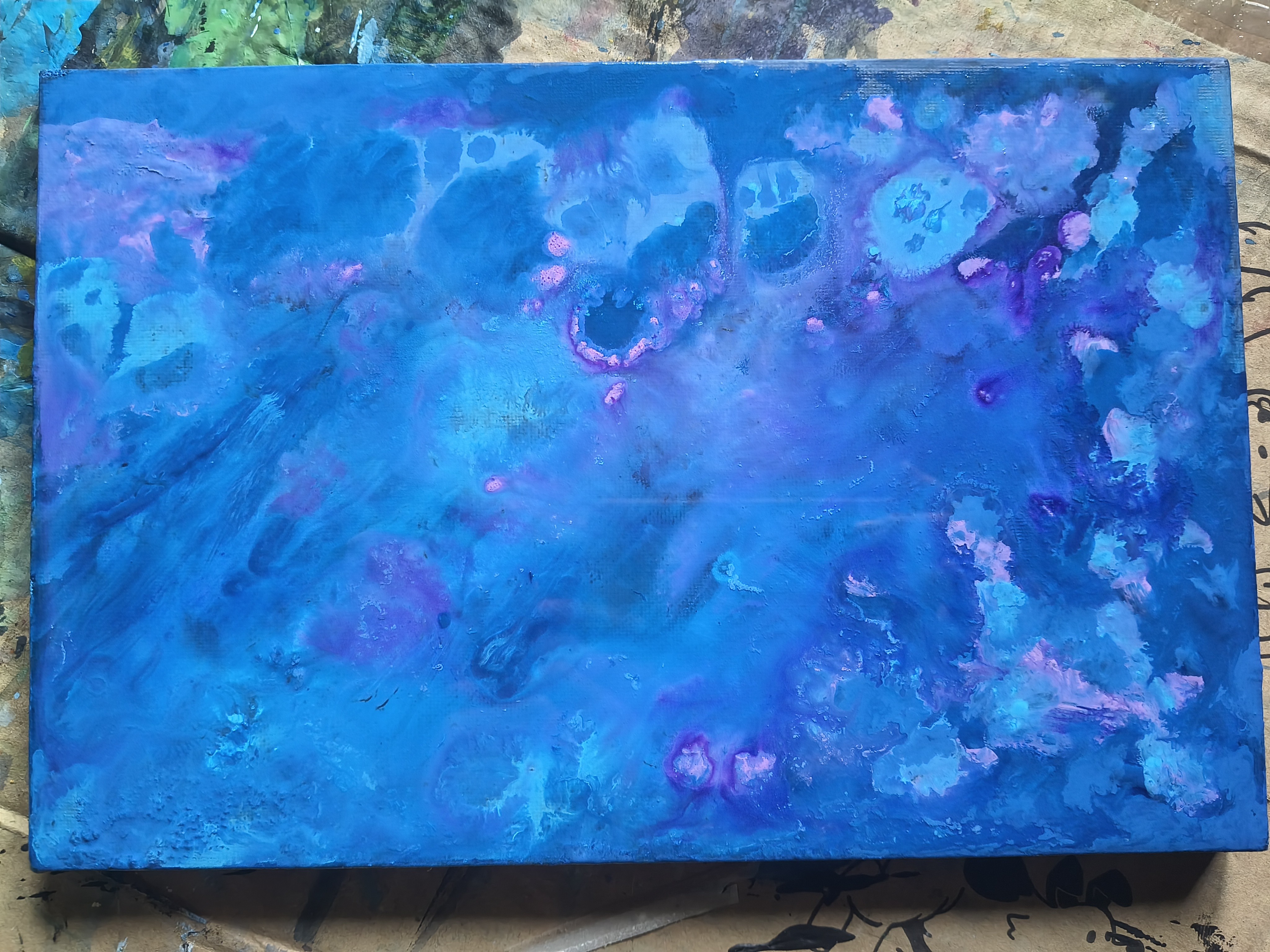
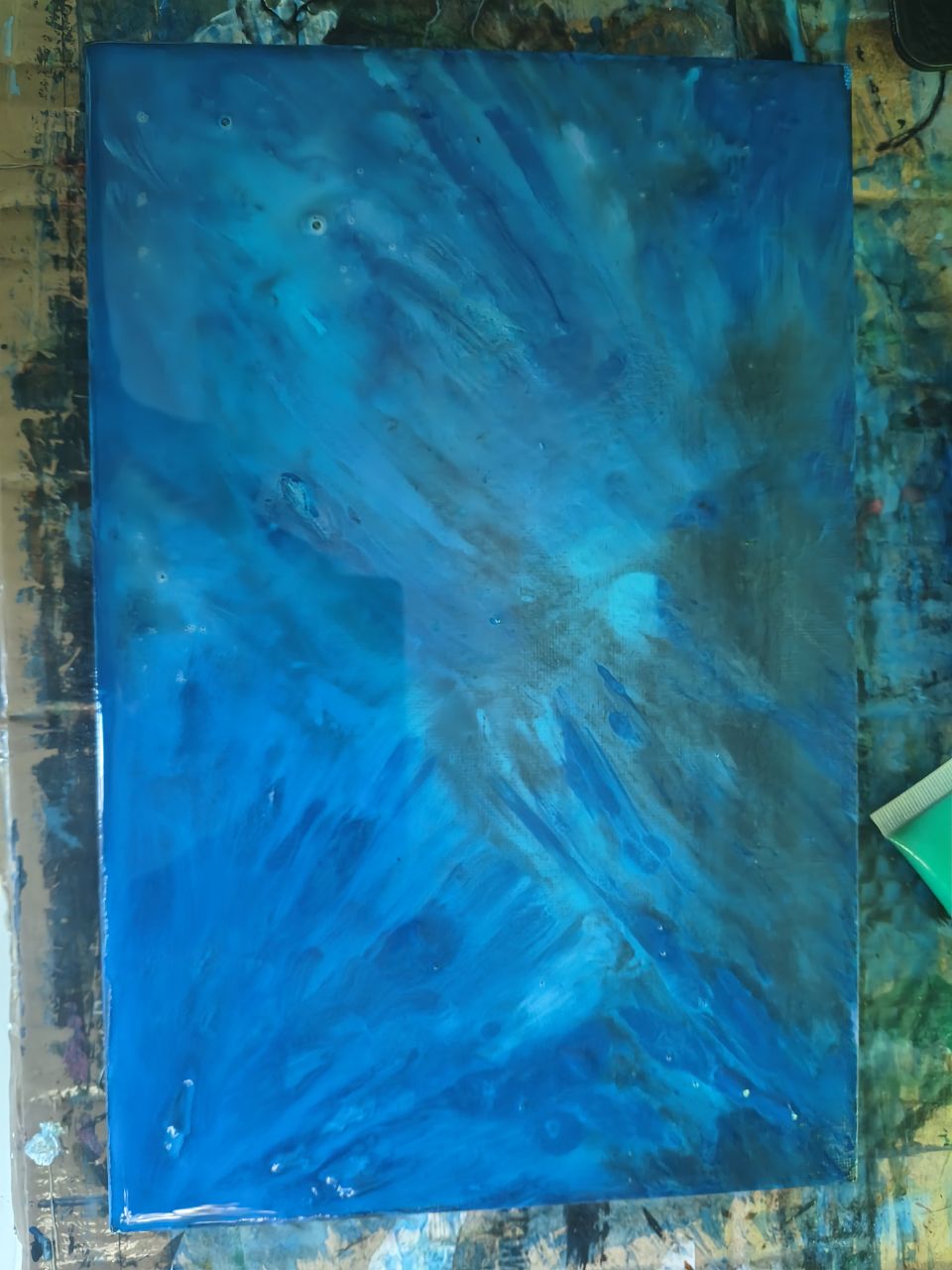
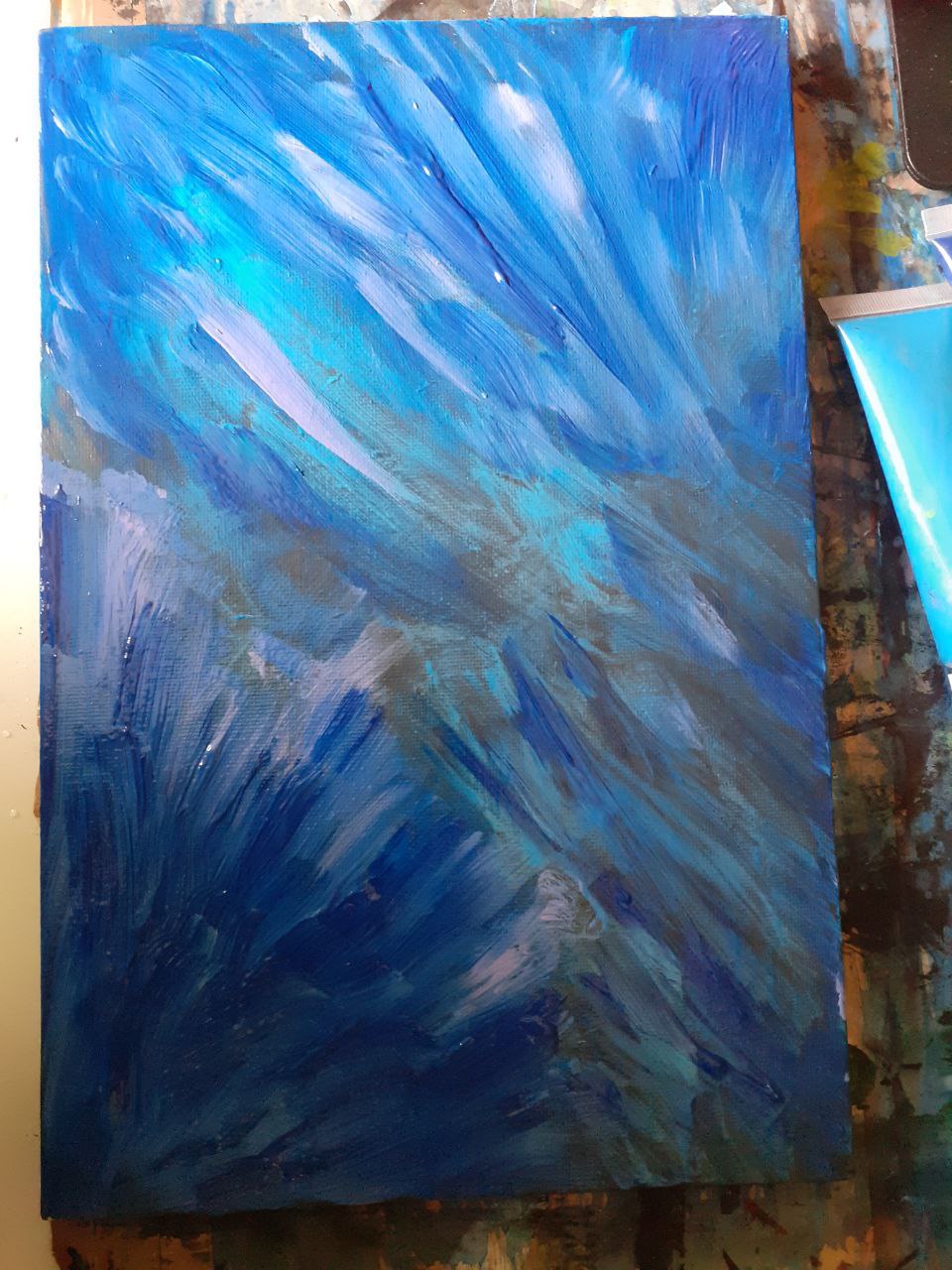
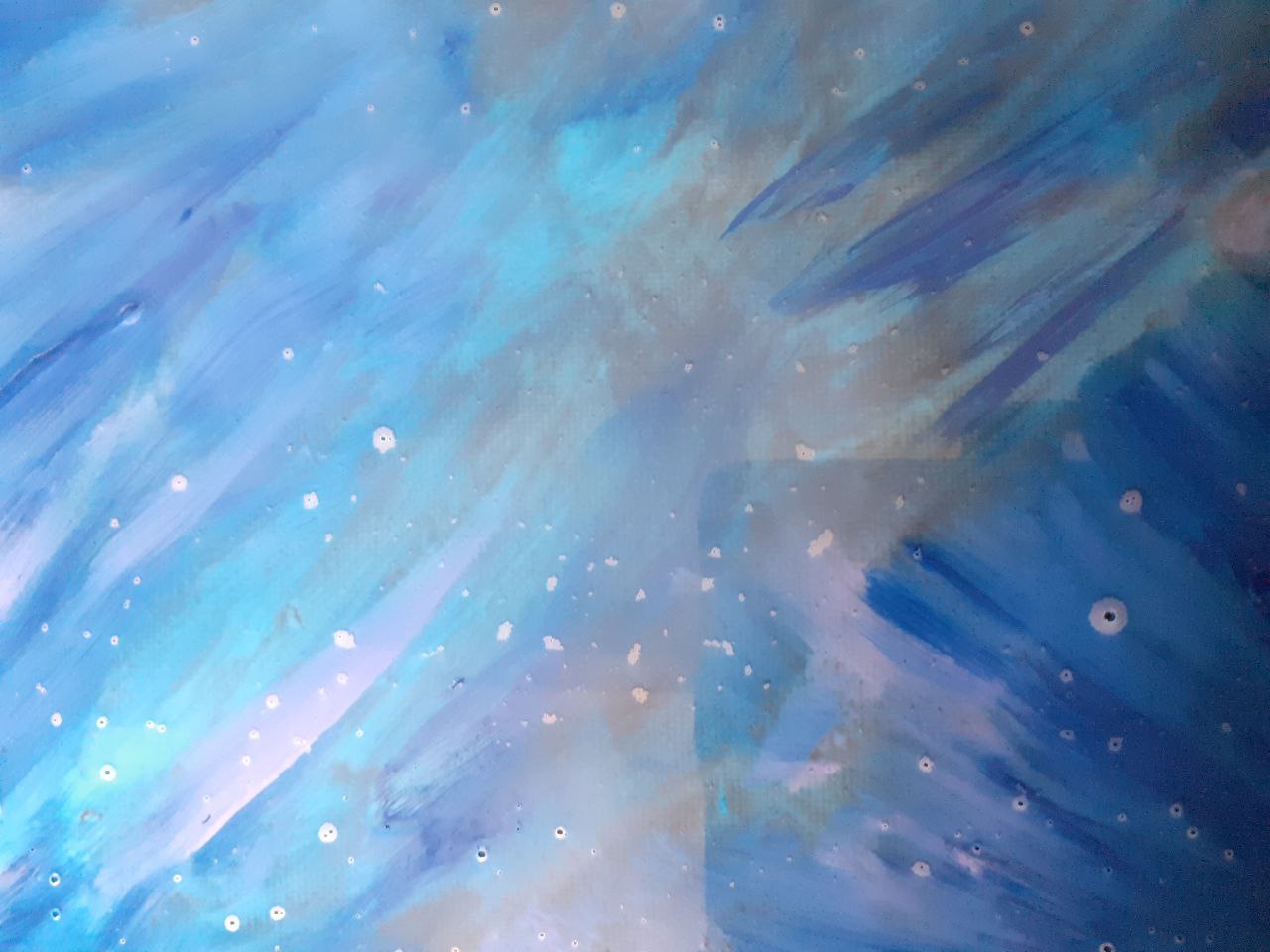
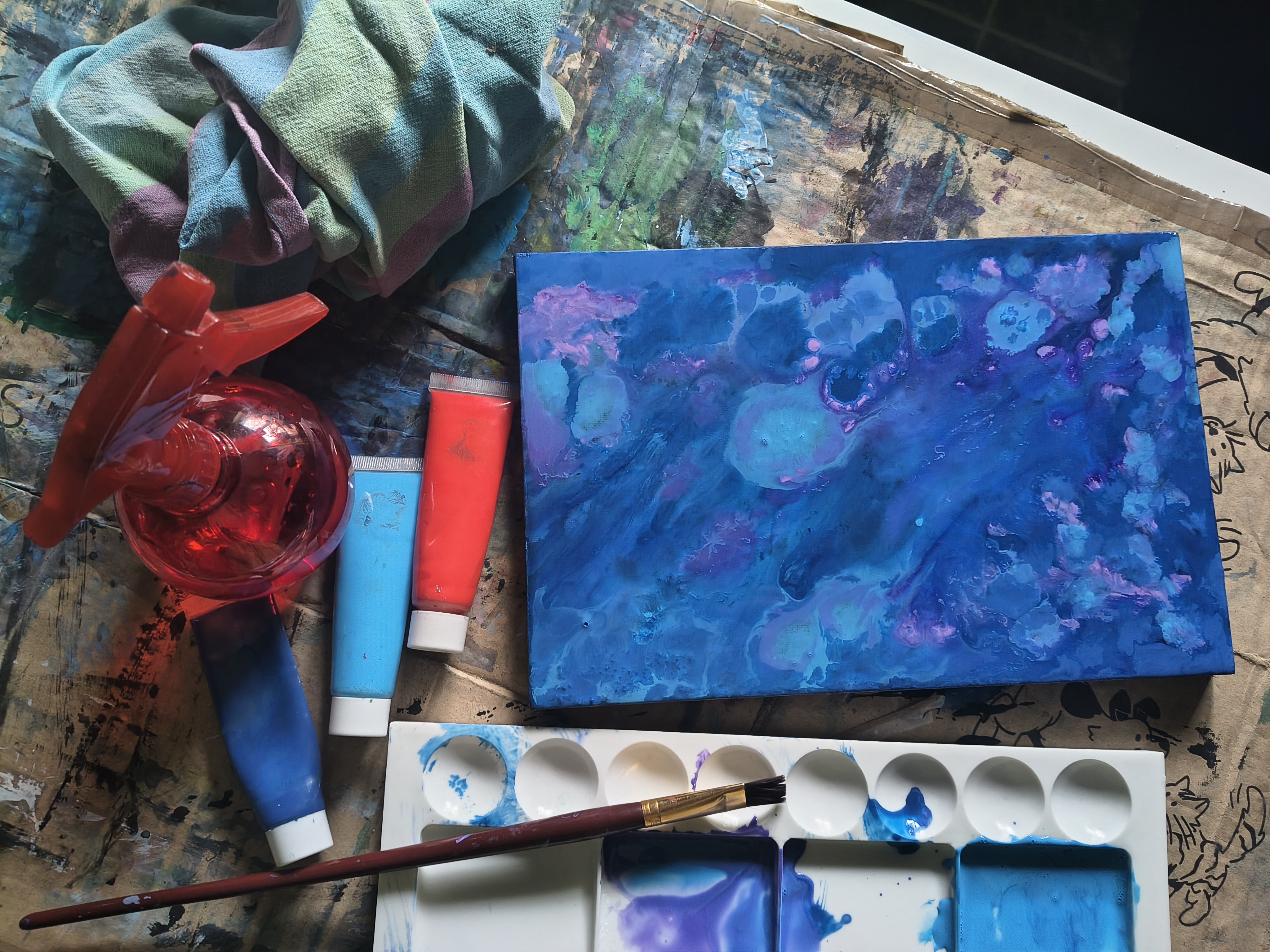
It's not dry yet, but this is the result so far. It took quite some time to apply the first layer. It didn't turn out the way I had imagined, but it was an interesting experiment. Contrary to what you might think, this is not the result of pouring paint, but the result of spraying water on one side before starting, applying acrylic paint with water and then spraying water on the painted side again. Incidentally, this was the only thing I could make of it because when I started, my canvas was, of course, much too wet and it was difficult to apply paint with a brush. Let's say the result wasn't really pretty.
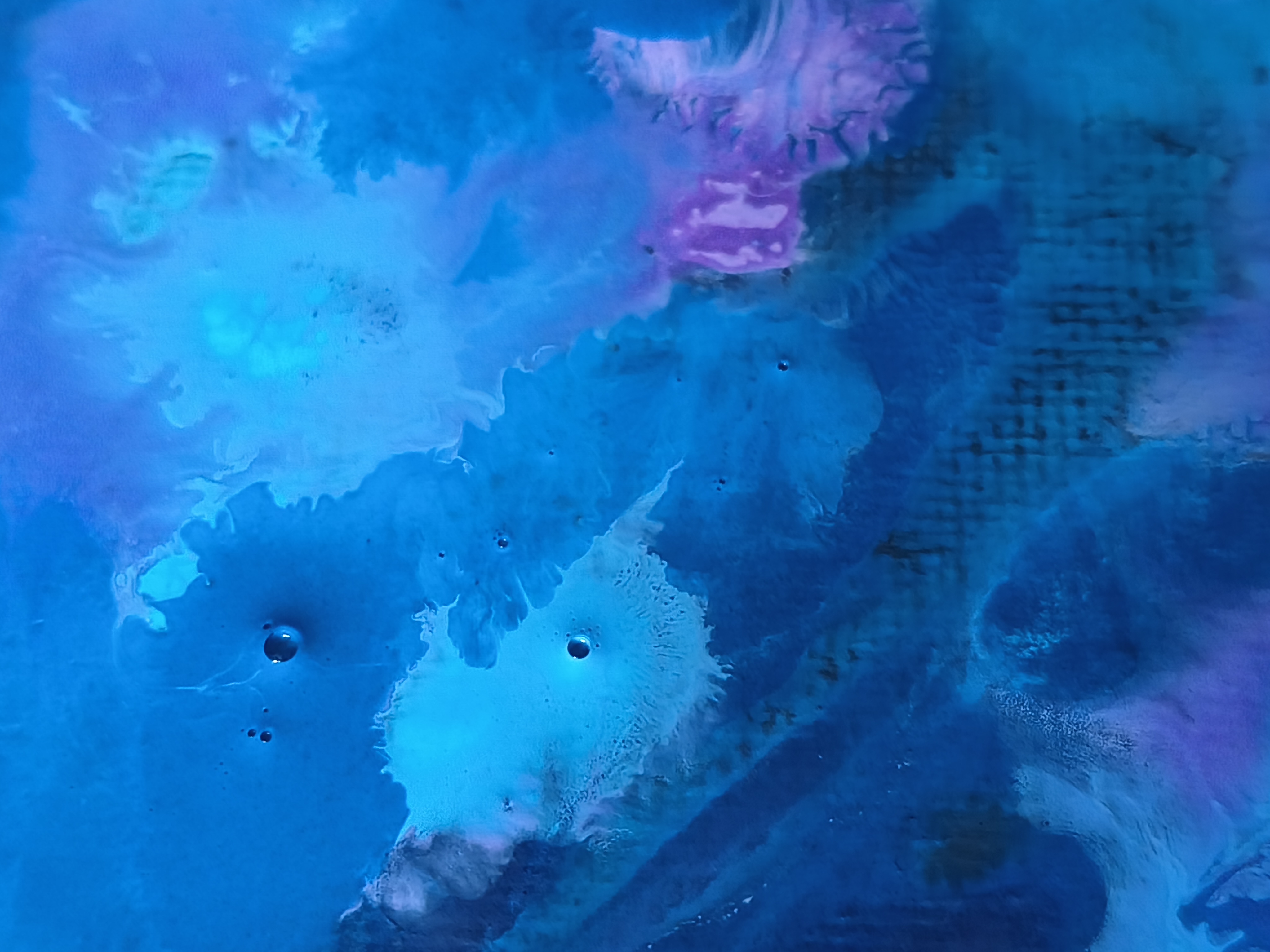
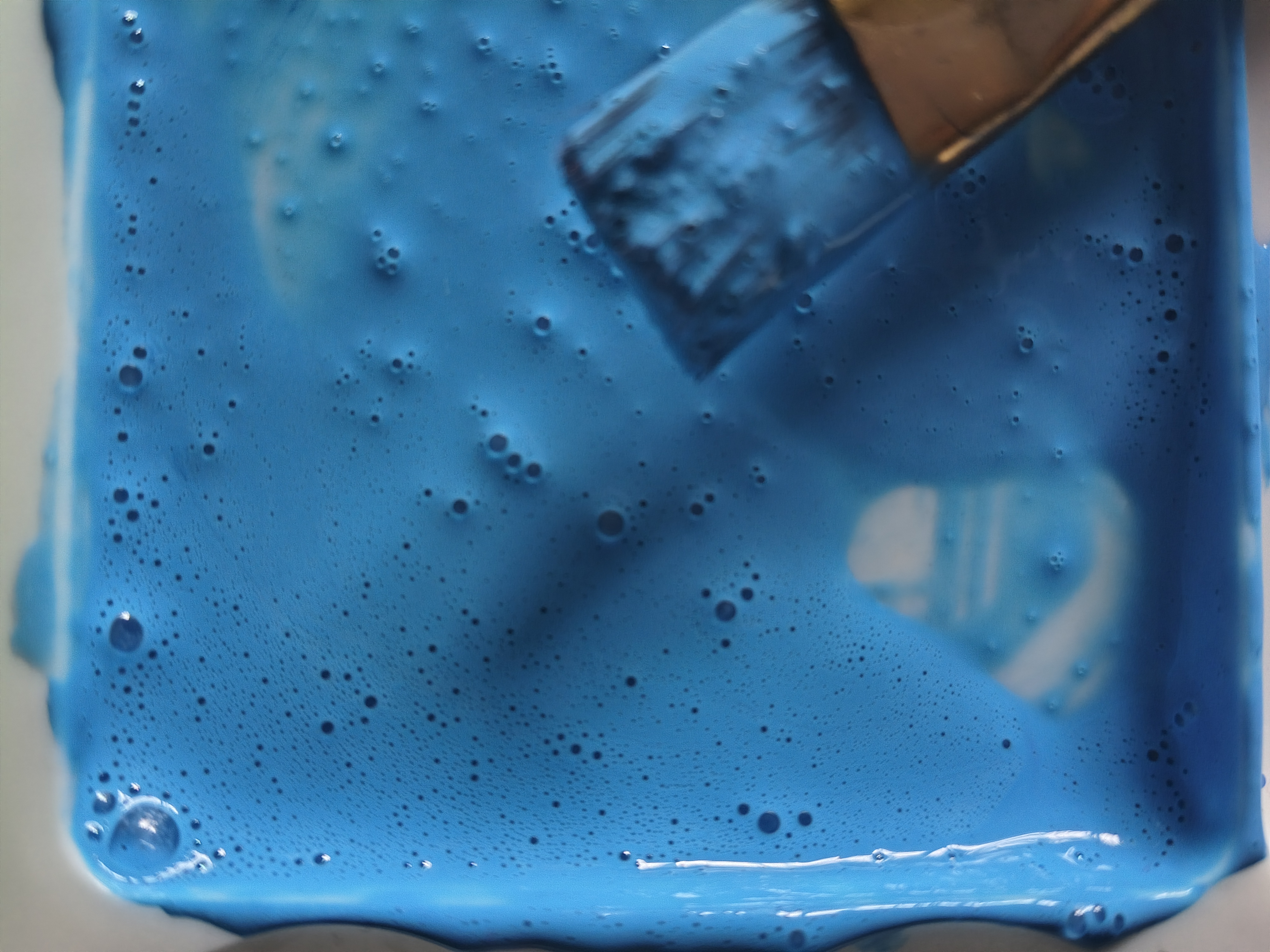
Yes, if it comes to it, I am a perfectionist, and when I was taking photos in between, I saw the canvas shining through. I don't think it looks very nice. Indeed, art is viewed from a distance, but I'm not average, and when I have the chance, I do stand right up close to examine every detail, every dot, every bubble.
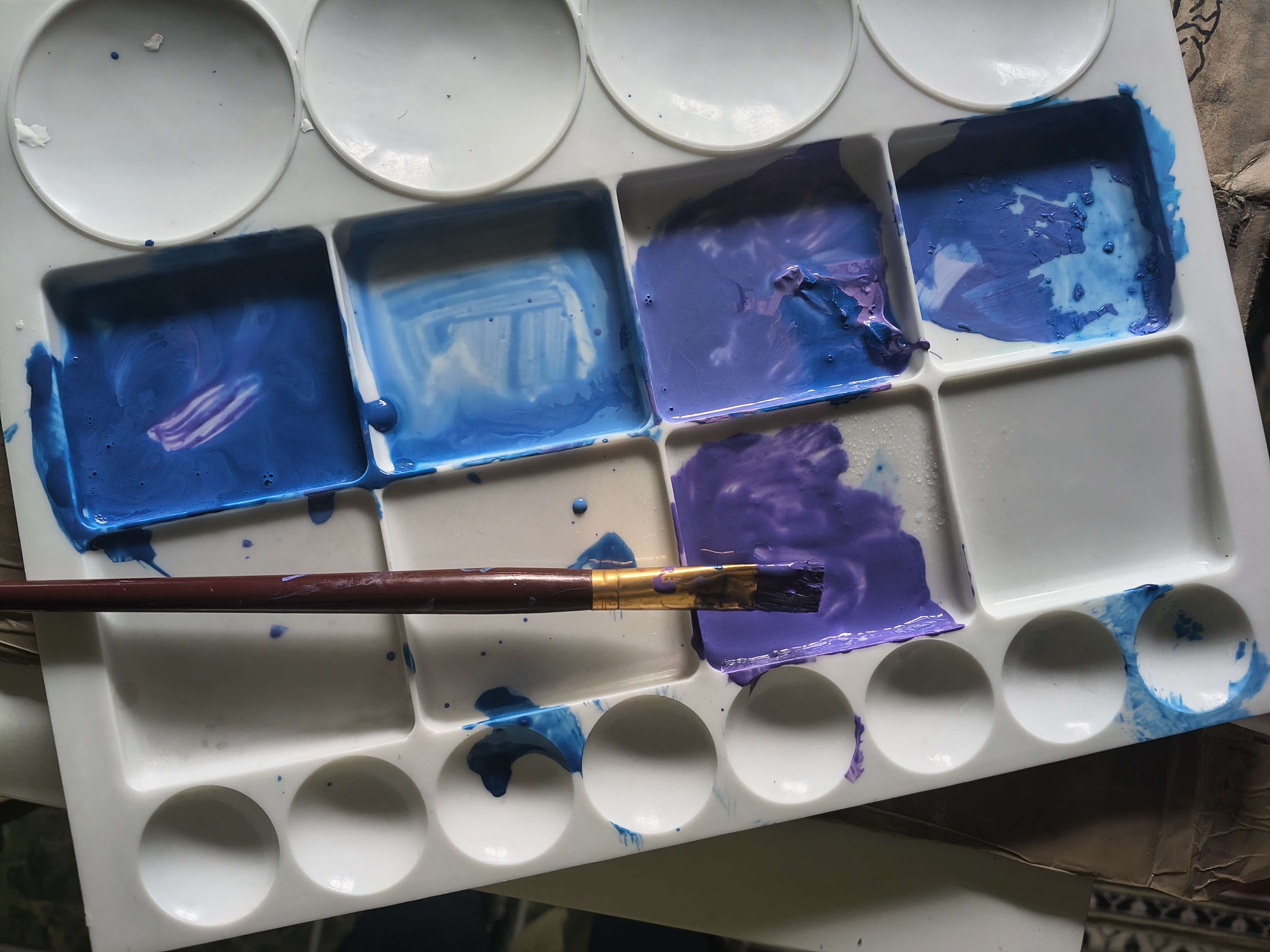
The air bubbles (see the blue paint on the palette in the 3rd photo above) form in the paint when I dilute it with water. This also happens when you make your own paint for the pouring paint technique. If you want to get rid of the air bubbles, you can carefully pierce them with the bristles of the brush.
Incidentally, I used an old canvas that I had previously painted black. It's always handy to have a few canvases ready to try things out, and if it works, there's no need to use new materials. I got this canvas from 4noppes, a charity shop.
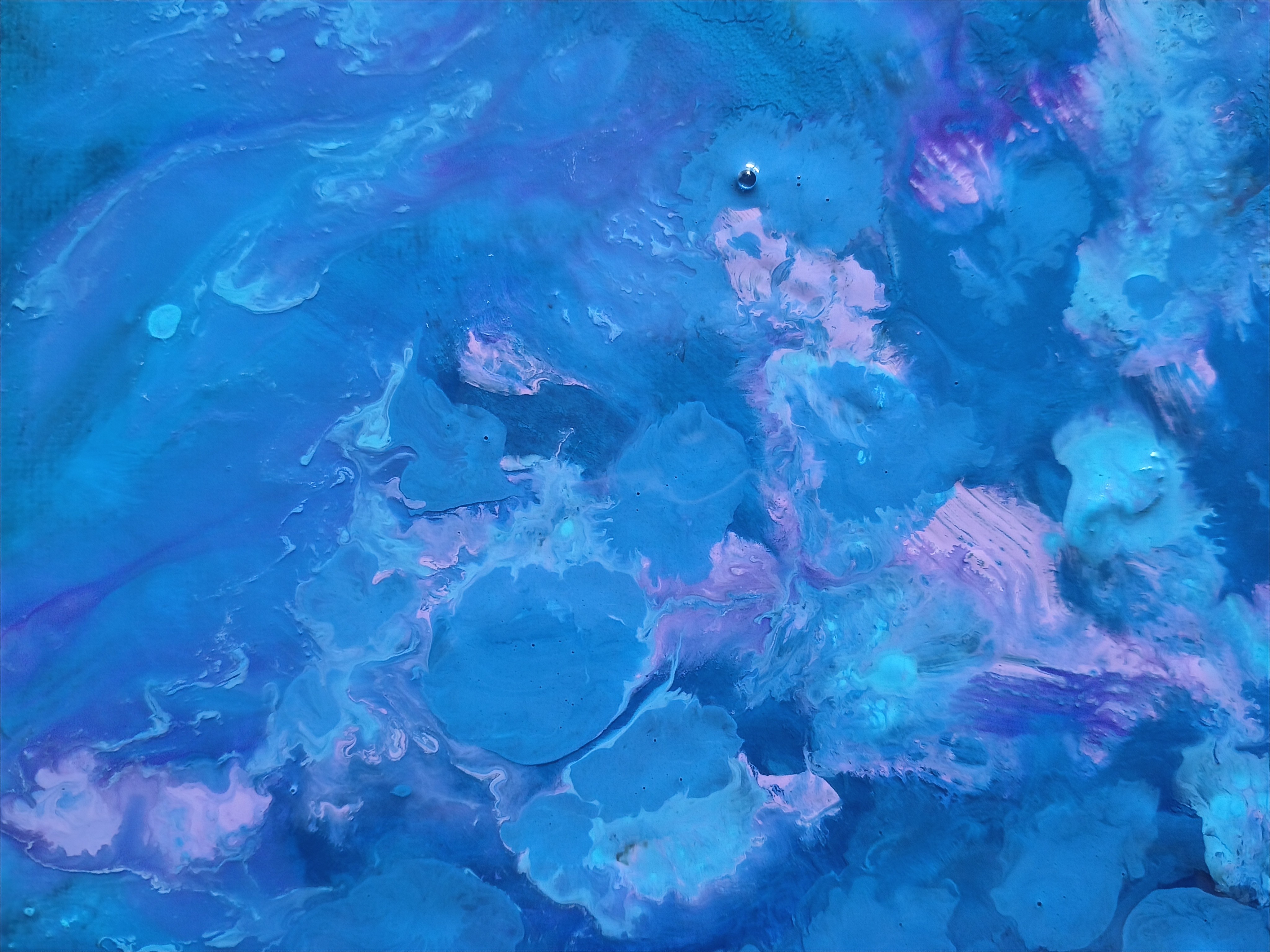
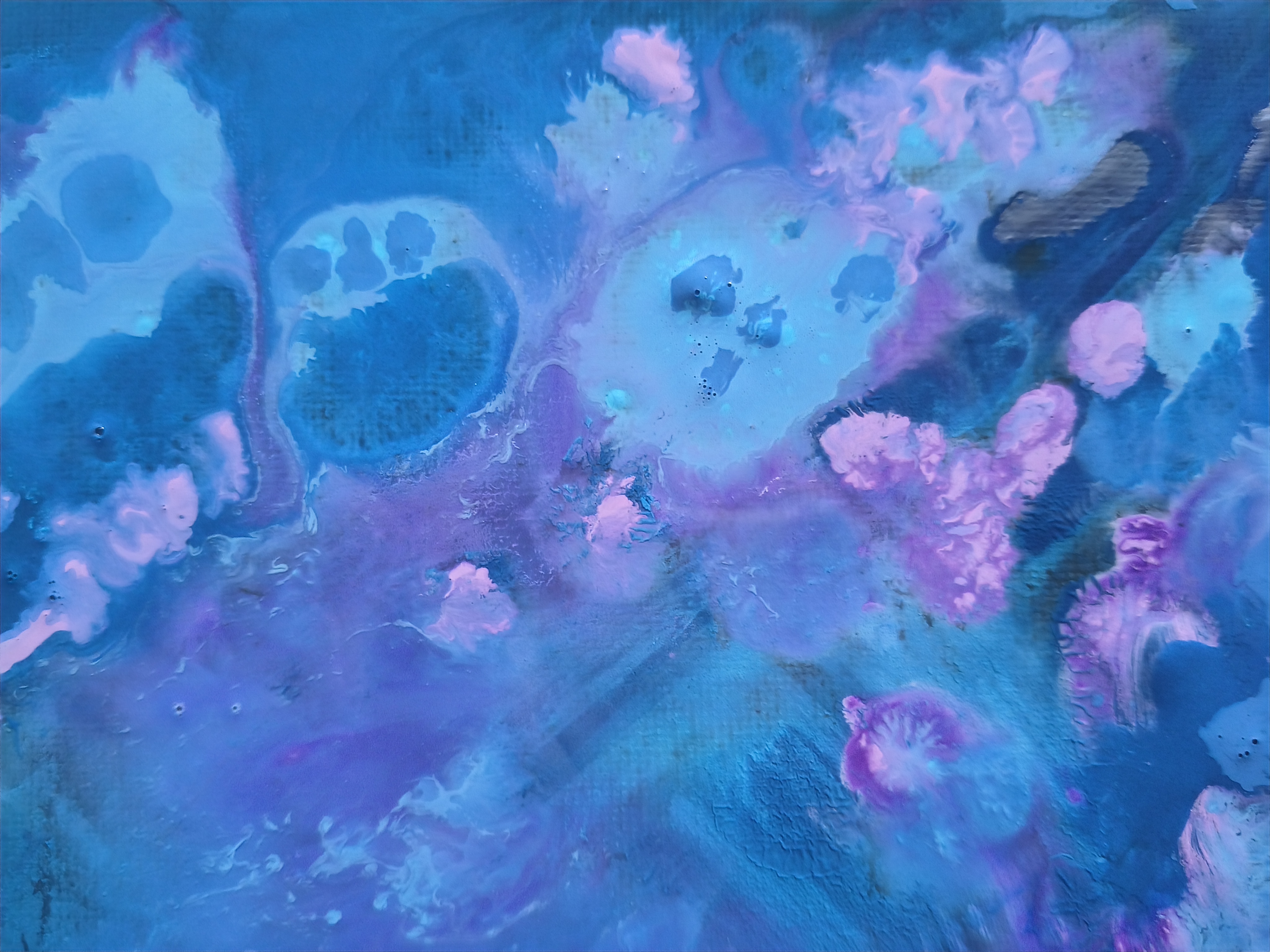
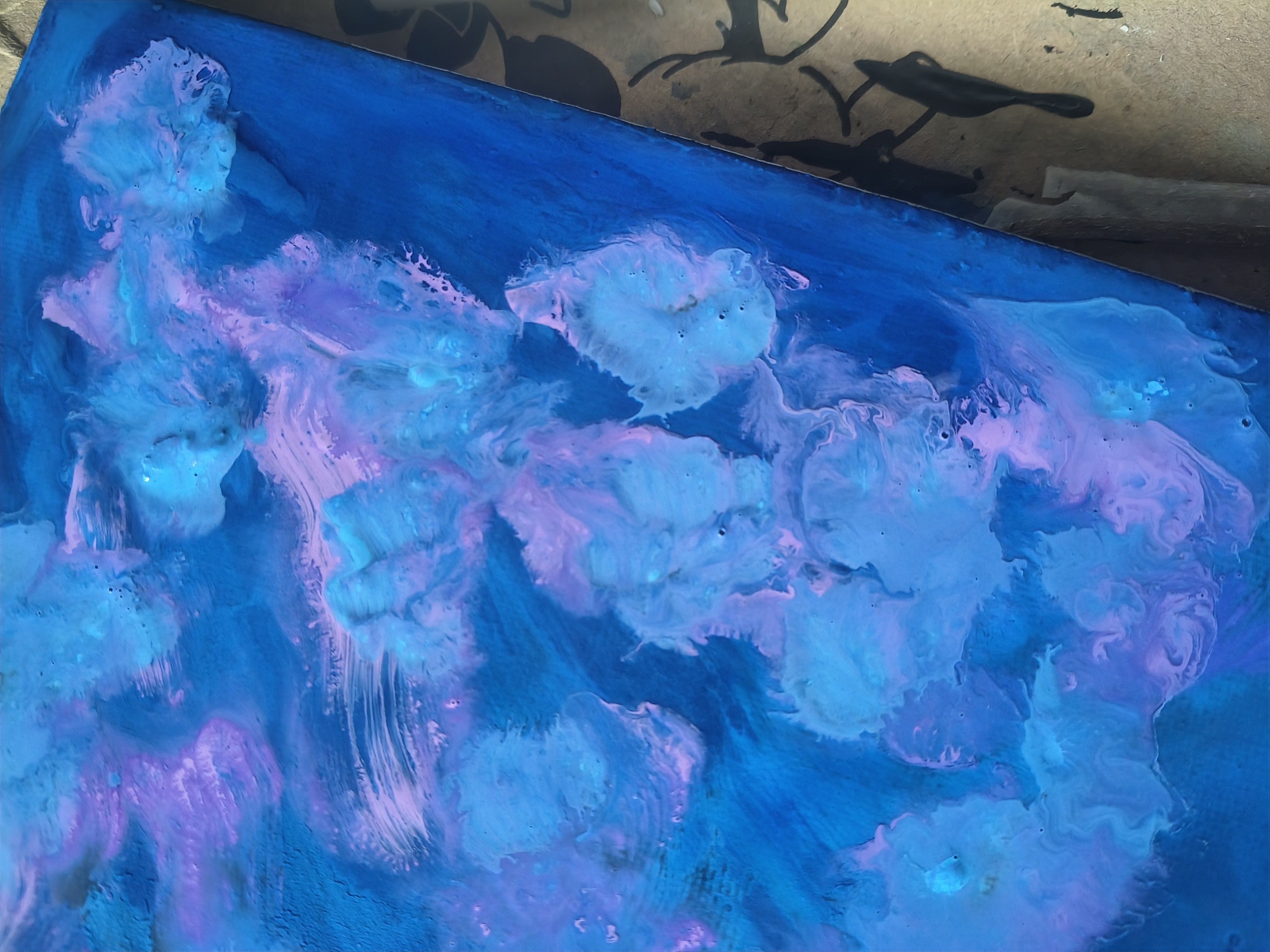
What I find amusing about the result is that it does indeed resemble the result of pouring paint, but it is created in a completely different way. In fact, this method is more similar to watercolour painting, where you allow the paint to flow into the water. Working in this way will definitely use less paint, especially when the paint on the palette is diluted with water. The only disadvantage of this method is that there is a risk that not all the paint will be equally thin or fluid. If this is the case, there is a chance that the thicker paint will push the thinner paint away. Of course, this can also be an advantage if you do not want the paint to run off the edges.
And indeed, everything started off badly, with leftover old paint whose brand I don't know, because there's nothing written on the tubes, and a reused canvas. Here and there, I also had to remove thick clumps of paint from the canvas and pull a hair out of it.
2-3-2026
The Photos are taken by me
Materials:
Old cheap acrylic paint + water
Round brush #18
Used canvas painted black
Spray bottle
Thank you for your tip @bambuka, it broke the circle.
Thank you for sharing on steem! I'm witness fuli, and I've given you a free upvote. If you'd like to support me, please consider voting at https://steemitwallet.com/~witnesses 🌟
(What I find amusing about the result is that it does indeed resemble the result of pouring paint, but it is created in a completely different) When I read this, I looked at this photograph and attached it with this phrase, I like how it looks,It makes me imagine clouds

If you stare at it long enough. stare until things blurred, it looked like some magical undersea worldd
Sorry I forgot to answer this one although I read it before. I see the same like you.. water and life in it.
🍀❤️
@wakeupkitty