🏙️ **Smart Cities that Fail: What We Learned from the Mistakes?** 📉 [ENG/GER/KOR]
ENGLISH VERSION:
🏙️ Smart Cities that Fail: What We Learned from the Mistakes? 📉
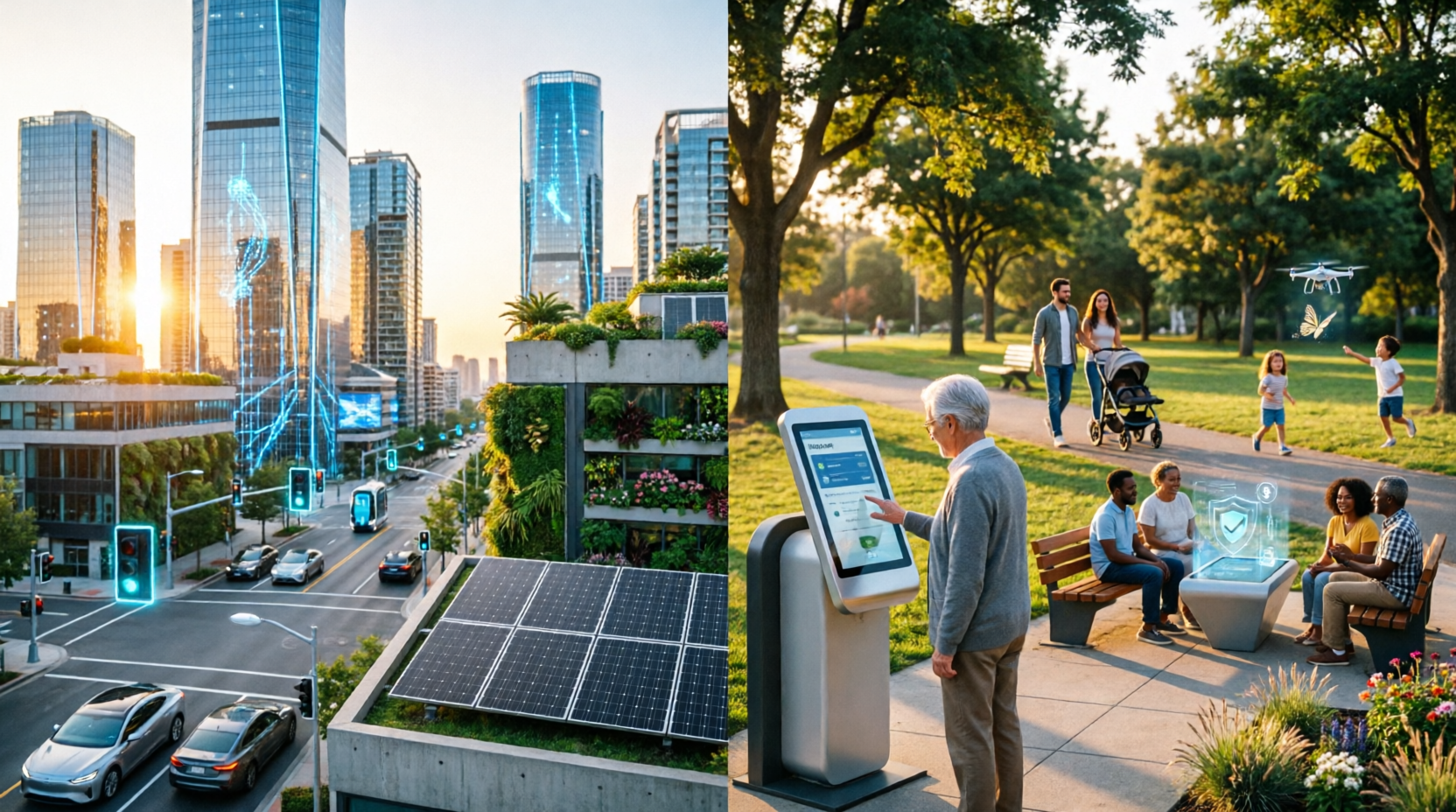
When we hear the term "Smart City," the image that comes to mind is usually futuristic: autonomous cars, trash cans that notify when they are full, and traffic lights that adjust themselves. 🚀🤖 It seems like the perfect scenario from a science fiction movie, right?
But reality doesn't always keep up with the hype. 🛑
Many projects around the world promised to revolutionize urban life and ended up as technological "white elephants," costing millions and delivering frustration. Today, let's dive into cases of disastrous implementations and, more importantly, extract the vital lessons that planners and governments need to learn.
🚫 Where Technology Met Reality (and Lost)
It's not that the technology is bad. The problem arises when it is imposed without considering the human factor. See two classic examples of where things went wrong:
1. The Songdo Dilemma (South Korea) 🇰🇷
Built from scratch to be the smartest city in the world, Songdo has sensors everywhere. However, for years, it was criticized for being a "ghost town."
- The Mistake: Excessive focus on physical and technological infrastructure, neglecting the creation of a vibrant community. People didn't feel "at home."
- The Lesson: A city is not a printed circuit board; it is a living organism made of social relationships. 🤝
2. The Sidewalk Labs Project (Toronto, Canada) 🇨🇦
The Google subsidiary attempted to create an ultra-connected neighborhood. The project was cancelled in 2020.
- The Mistake: Lack of transparency in data collection. Citizens feared excessive surveillance and the commercial use of their personal information.
- The Lesson: Privacy is not a technical detail; it is a fundamental human right. Without trust, there is no adoption. 🔒
💡 4 Golden Lessons for the Urban Future
So that the next wave of innovation does not repeat the same mistakes, we need to focus on these pillars:
People First, Tech Second 👥
Technology should solve real citizen pains (traffic, safety, health), not be a toy for engineers. If the elderly person can't use the bus app, the city isn't smart, it's exclusionary.Clear Data Governance 📊
Who owns the data generated by the city's sensors? Robust legislation and total transparency are needed to avoid urban "surveillance capitalism."Real Sustainability, Not Just Marketing 🌱
Installing solar panels doesn't make a city sustainable if urban planning encourages car use. Intelligence must be in the planning, not just in the hardware.Maintenance and Longevity 🛠️
Many projects fail 5 years later because no one has the budget to update the software or fix the sensors. Technology has an expiration date; planning must foresee this.
🏁 Conclusion: The Truly Intelligent Thing is Human
A truly smart city is not the one with more Wi-Fi, but the one that listens to its inhabitants. Past failures teach us that innovation without inclusion is just expense.
The future of our cities depends less on complex algorithms and more on urban empathy. Let's build for people, not for data. 🌍❤️
And you? Do you think your city is ready to be "smart" or does it need to solve the basics first? Leave your opinion in the comments! 👇
#SmartCities #Urbanism #Technology #Innovation #Sustainability #UrbanPlanning #CityTech #FutureOfCities
GERMAN VERSION:
🏙️ Intelligente Städte, die scheitern: Was wir aus den Fehlern gelernt haben 📉
Wenn wir den Begriff „Smart City" hören, erscheint uns meist ein futuristisches Bild: autonome Autos, Mülleimer, die Bescheid geben, wenn sie voll sind, und Ampeln, die sich selbst anpassen. 🚀🤖 Klingt nach dem perfekten Szenario aus einem Science-Fiction-Film, oder?
Doch die Realität hält nicht immer mit dem Hype mit. 🛑
Viele Projekte auf der ganzen Welt versprachen, das städtische Leben zu revolutionieren, und endeten als technologische „weiße Elefanten", die Millionen kosteten und nur Frustration lieferten. Heute tauchen wir ein in Fälle katastrophaler Implementierungen und extrahieren vor allem die wichtigen Lektionen, die Planer und Regierungen lernen müssen.
🚫 Wo Technologie auf die Realität traf (und verlor)
Es liegt nicht daran, dass die Technologie schlecht ist. Das Problem entsteht, wenn sie ohne Berücksichtigung des menschlichen Faktors aufgezwungen wird. Hier sind zwei klassische Beispiele, bei denen etwas schiefging:
1. Das Songdo-Dilemma (Südkorea) 🇰🇷
Songdo wurde von Grund auf als intelligenteste Stadt der Welt gebaut und ist überall mit Sensoren ausgestattet. Jahrelang wurde sie jedoch als „Geisterstadt" kritisiert.
- Der Fehler: Übermäßiger Fokus auf physische und technologische Infrastruktur bei gleichzeitiger Vernachlässigung des Aufbaus einer lebendigen Gemeinschaft. Die Menschen fühlten sich nicht „zu Hause".
- Die Lektion: Eine Stadt ist keine Leiterplatte; sie ist ein lebender Organismus, der aus sozialen Beziehungen besteht. 🤝
2. Das Sidewalk-Labs-Projekt (Toronto, Kanada) 🇨🇦
Die Google-Tochter versuchte, ein ultra-vernetztes Viertel zu schaffen. Das Projekt wurde 2020 eingestellt.
- Der Fehler: Mangelnde Transparenz bei der Datenerfassung. Die Bürger fürchteten übermäßige Überwachung und die kommerzielle Nutzung ihrer persönlichen Daten.
- Die Lektion: Datenschutz ist kein technisches Detail, sondern ein grundlegendes Menschenrecht. Ohne Vertrauen gibt es keine Akzeptanz. 🔒
💡 4 Goldene Lektionen für die städtische Zukunft
Damit die nächste Welle der Innovation nicht dieselben Fehler wiederholt, müssen wir uns auf diese Säulen konzentrieren:
Menschen zuerst, Technologie danach 👥
Technologie sollte echte Probleme der Bürger lösen (Verkehr, Sicherheit, Gesundheit), nicht nur ein Spielzeug für Ingenieure sein. Wenn ältere Menschen die Bus-App nicht nutzen können, ist die Stadt nicht intelligent, sondern ausgrenzend.Klare Daten-Governance 📊
Wem gehören die Daten, die von den Sensoren der Stadt generiert werden? Es braucht robuste Gesetzgebung und volle Transparenz, um urbanen „Überwachungskapitalismus" zu vermeiden.Echte Nachhaltigkeit, nicht nur Marketing 🌱
Das Installieren von Solarpanels macht eine Stadt nicht nachhaltig, wenn die Stadtplanung die Autonutzung fördert. Intelligenz muss in der Planung liegen, nicht nur in der Hardware.Wartung und Langlebigkeit 🛠️
Viele Projekte scheitern fünf Jahre später, weil niemand das Budget hat, um die Software zu aktualisieren oder die Sensoren zu reparieren. Technologie hat ein Verfallsdatum; die Planung muss dies berücksichtigen.
🏁 Fazit: Das wirklich Intelligente ist menschlich
Eine wirklich intelligente Stadt ist nicht die mit dem meisten WLAN, sondern die, die ihren Einwohnern zuhört. Die Misserfolge der Vergangenheit lehren uns, dass Innovation ohne Inklusion nur Kosten verursacht.
Die Zukunft unserer Städte hängt weniger von komplexen Algorithmen ab als vielmehr von urbaner Empathie. Lasst uns für Menschen bauen, nicht für Daten. 🌍❤️
Und Sie? Glauben Sie, dass Ihre Stadt bereit ist, „intelligent" zu sein, oder muss sie zuerst die Grundlagen lösen? Hinterlassen Sie Ihre Meinung in den Kommentaren! 👇
#SmartCities #Stadtplanung #Technologie #Innovation #Nachhaltigkeit #UrbaneZukunft #DigitaleStadt #ZukunftDerStädte
KOREAN VERSION:
🏙️ 실패하는 스마트 시티: 실수에서 배운 교훈 📉
"스마트 시티"라는 단어를 들을 때, 우리 머릿속에 떠오르는 이미지는 대개 미래지향적입니다: 자율주행차, 쓰레기가 가득 찼을 때 알려주는 스마트 쓰레기통, 스스로 조절되는 신호등. 🚀🤖 마치 공상과학 영화의 완벽한 시나리오처럼 들리죠, 그렇죠?
하지만 현실은 항상 기대를 따라잡지 못합니다. 🛑
전 세계 많은 프로젝트가 도시 생활을 혁신하겠다고 약속했지만, 수백만 달러를 투입하고도 좌절감만 안긴 채 기술적 "흰 코끼리"로 전락했습니다. 오늘 우리는 실패한 구현 사례들을 살펴보고, 더 중요하게는 계획자와 정부가 반드시 배워야 할 핵심 교훈을 도출해 보겠습니다.
🚫 기술이 현실을 만났을 때 (그리고 패배했을 때)
기술 자체가 나쁜 것은 아닙니다. 문제는 인간의 요소를 고려하지 않고 기술이 강요될 때 발생합니다. 일이 잘못됐던 두 가지 대표적인 사례를 살펴보세요:
1. 송도의 딜레마 (대한민국) 🇰🇷
세계에서 가장 스마트한 도시로 만들기 위해 처음부터 건설된 송도는 곳곳에 센서가 설치되어 있습니다. 그러나 수년 동안 "유령 도시"라는 비판을 받아왔습니다.
- 실수: 물리적·기술적 인프라에 지나치게 집중하고, 활기찬 공동체 조성은 소홀히 했습니다. 사람들은 "집 같은 느낌"을 받지 못했습니다.
- 교훈: 도시는 인쇄회로기판이 아닙니다. 도시는 사회적 관계로 이루어진 살아있는 유기체입니다. 🤝
2. 사이드워크 랩스 프로젝트 (토론토, 캐나다) 🇨🇦
구글의 자회사가 초연결 이웃을 만들려고 시도했습니다. 이 프로젝트는 2020 년에 취소되었습니다.
- 실수: 데이터 수집 과정의 투명성 부족. 시민들은 과도한 감시와 개인정보의 상업적 이용을 우려했습니다.
- 교훈: 프라이버시는 기술적 세부사항이 아닙니다. 이는 근본적인 인권입니다. 신뢰 없이는 채택도 없습니다. 🔒
💡 도시 미래를 위한 4 가지 황금 교훈
다음 혁신의 물결이 같은 실수를 반복하지 않도록, 우리는 다음 네 가지 기둥에 집중해야 합니다:
사람 우선, 기술은 그다음 👥
기술은 엔지니어를 위한 장난감이 아니라, 시민들의 실제 고통 (교통, 안전, 건강) 을 해결해야 합니다. 노인이 버스 앱을 사용할 수 없다면, 그 도시는 스마트한 것이 아니라 배제적인 것입니다.투명한 데이터 거버넌스 📊
도시 센서가 생성한 데이터의 소유자는 누구인가요? 도시형 "감시 자본주의"를 피하려면 강력한 법제도와 완전한 투명성이 필요합니다.진정한 지속가능성, 마케팅만은 말고 🌱
도시 계획이 자동차 이용을 장려하는데 태양광 패널을 설치한다고 해서 도시가 지속가능해지는 것은 아닙니다. 스마트함은 하드웨어가 아닌 계획에 있어야 합니다.유지보수와 장기적 관점 🛠️
많은 프로젝트가 5 년 후 실패합니다. 소프트웨어를 업데이트하거나 센서를 수리할 예산이 없기 때문입니다. 기술에는 유통기한이 있습니다. 계획 단계에서 이를 예측해야 합니다.
🏁 결론: 진정한 지능은 인간에게 있습니다
진정으로 스마트한 도시는 와이파이 접속이 가장 많은 도시가 아니라, 주민들의 목소리에 귀 기울이는 도시입니다. 과거의 실패는 포용 없는 혁신은 그저 비용일 뿐임을 가르쳐 줍니다.
우리 도시의 미래는 복잡한 알고리즘보다 도시적 공감능력에 더 크게 달려 있습니다. 데이터를 위해가 아니라, 사람을 위해 도시를 만듭시다. 🌍❤️
그렇다면 여러분은요? 여러분의 도시는 "스마트"해질 준비가 되었다고 생각하시나요, 아니면 기본적인 문제부터 해결해야 할까요? 댓글에 여러분의 의견을 남겨주세요! 👇
#스마트시티 #도시계획 #기술 #혁신 #지속가능성 #디지털전환 #미래도시 #스마트기술
Upvoted! Thank you for supporting witness @jswit.