City Center, Cluj-Napoca
Hello everyone. Last month we started our trip to Romania from Valencia airport. From there we flew to Cluj-Napoca Airport. We arrived in Cluj late at night and went straight to our accommodation to settle in. The next day, we headed out to discover what was interesting here.
When we stepped out of the apartment, the view from our terrace was beautiful. We stayed in the central part of Cluj, or more precisely Cluj-Napoca. Napoca was the city’s name during the Ancient Roman period and it was added to the modern name to highlight its deep-rooted history. The city’s history goes back more than 2000 years. With a population of around 306,000, it is Romania’s second largest city.
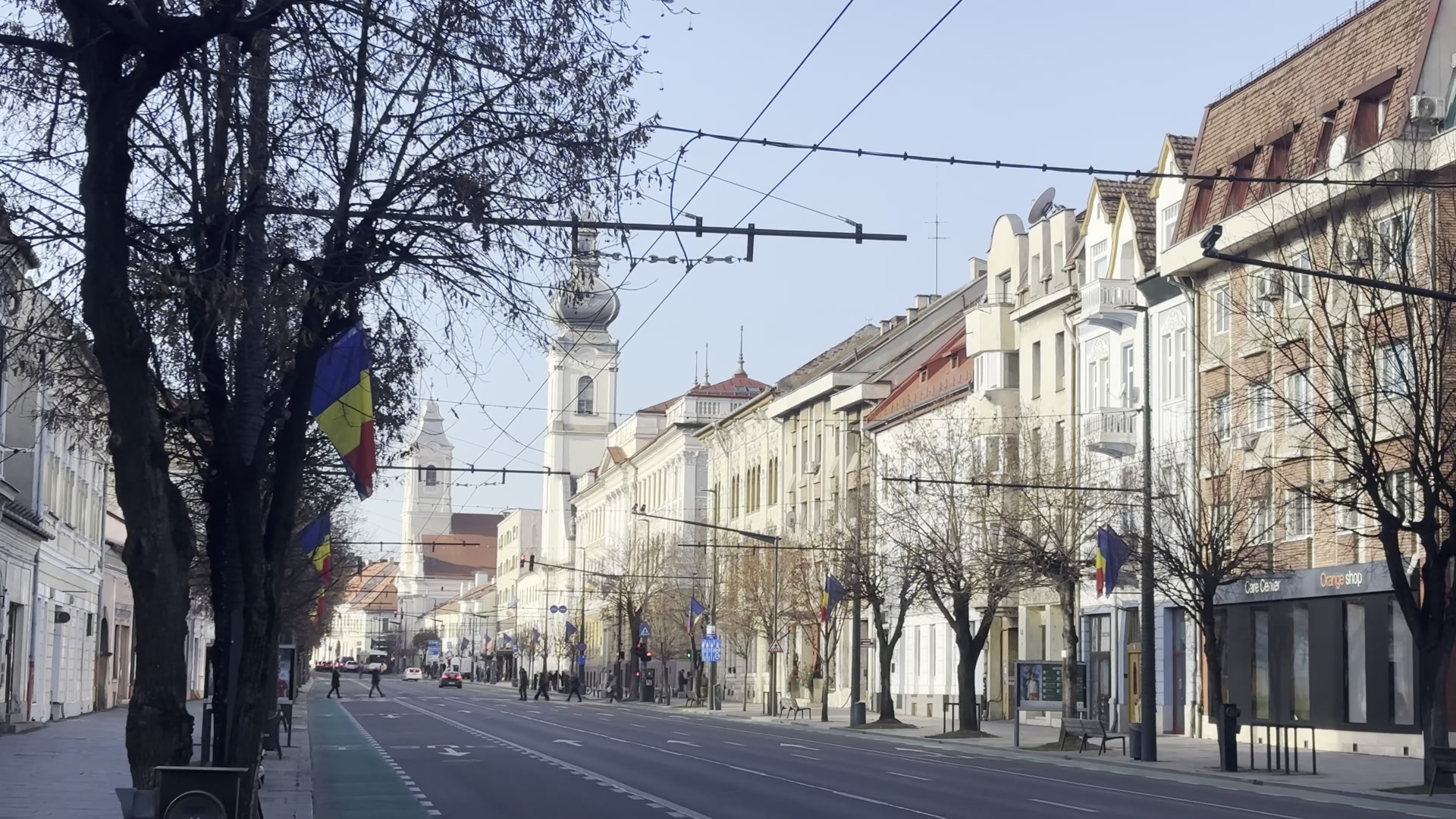
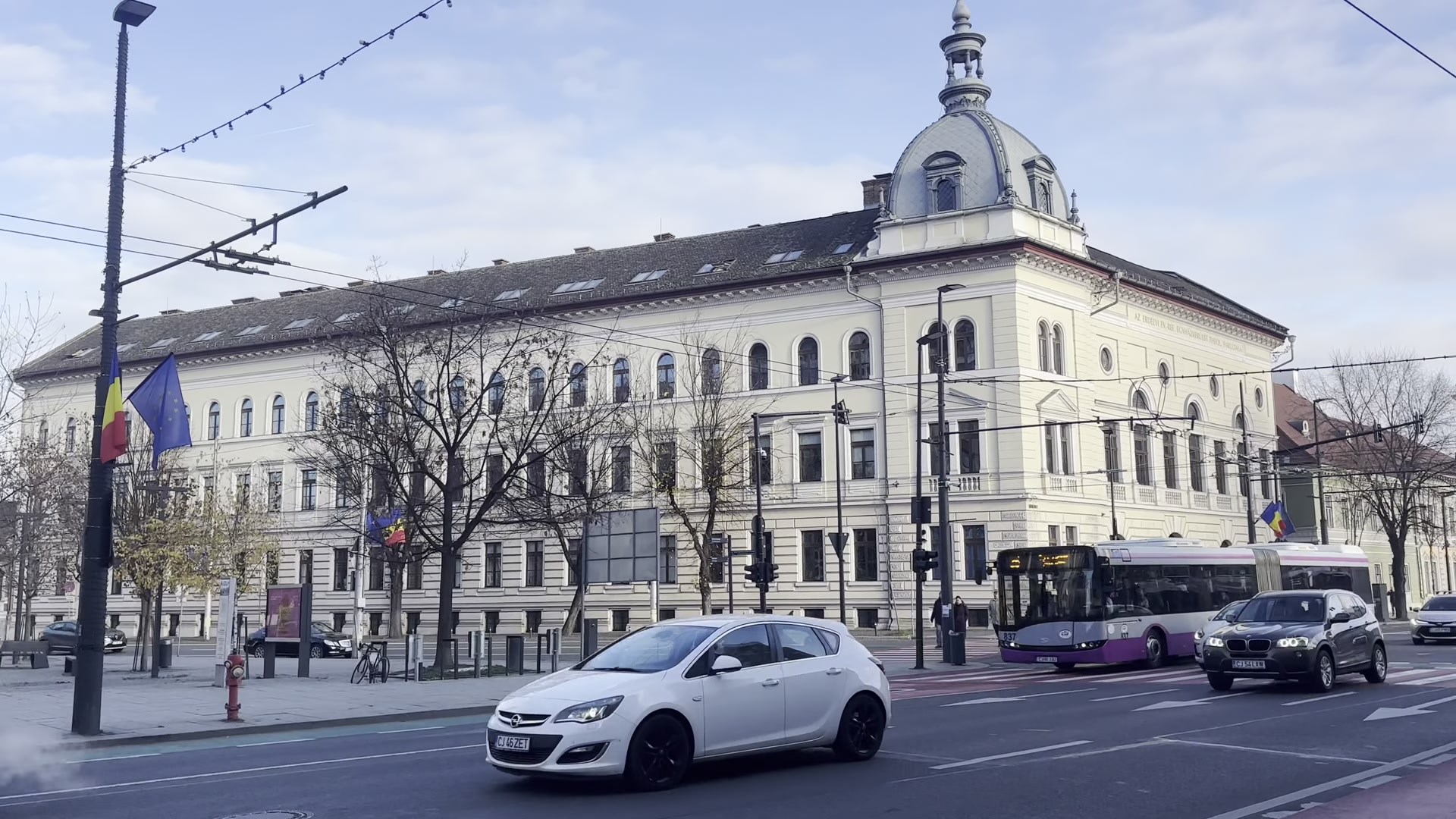
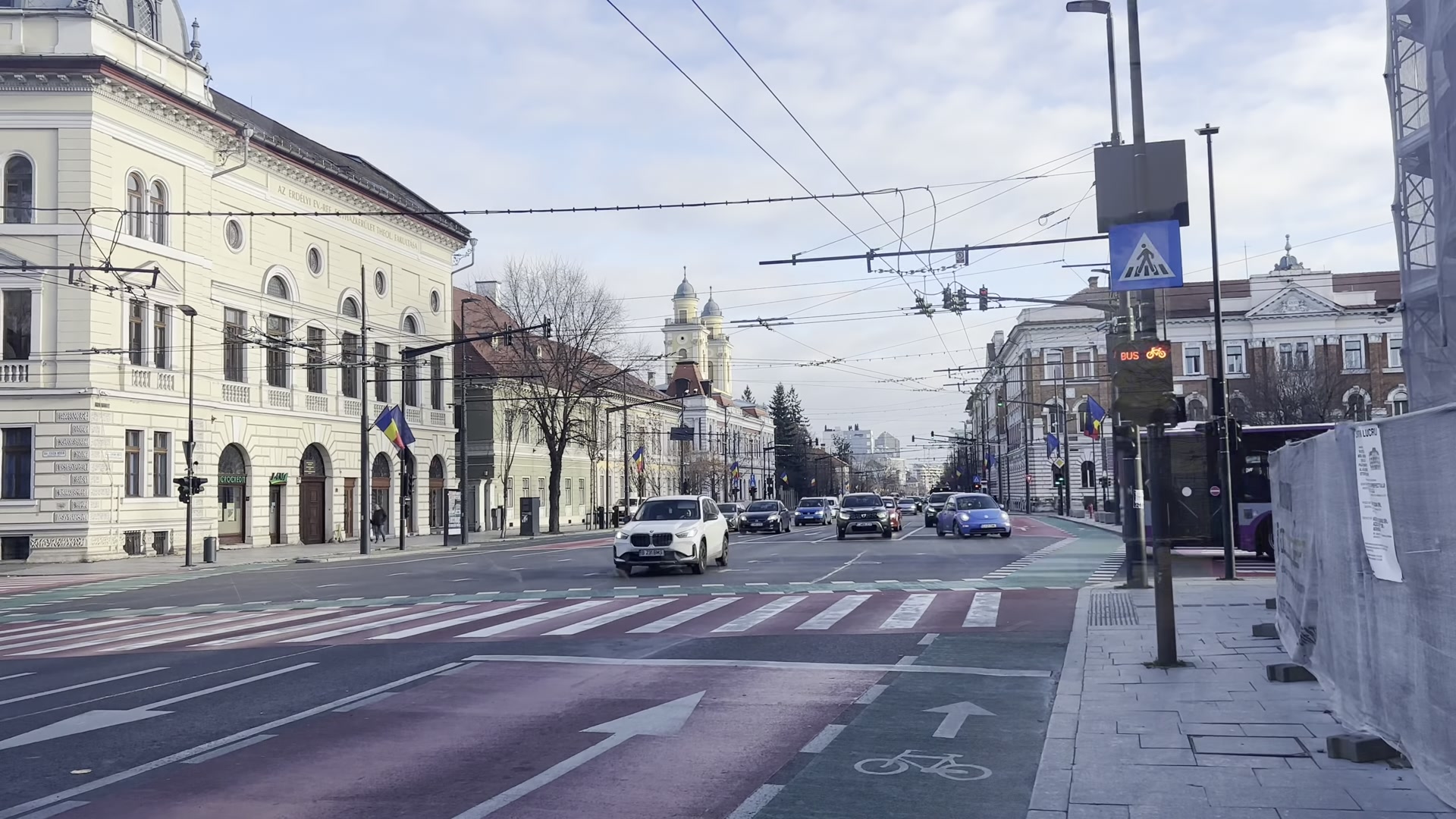
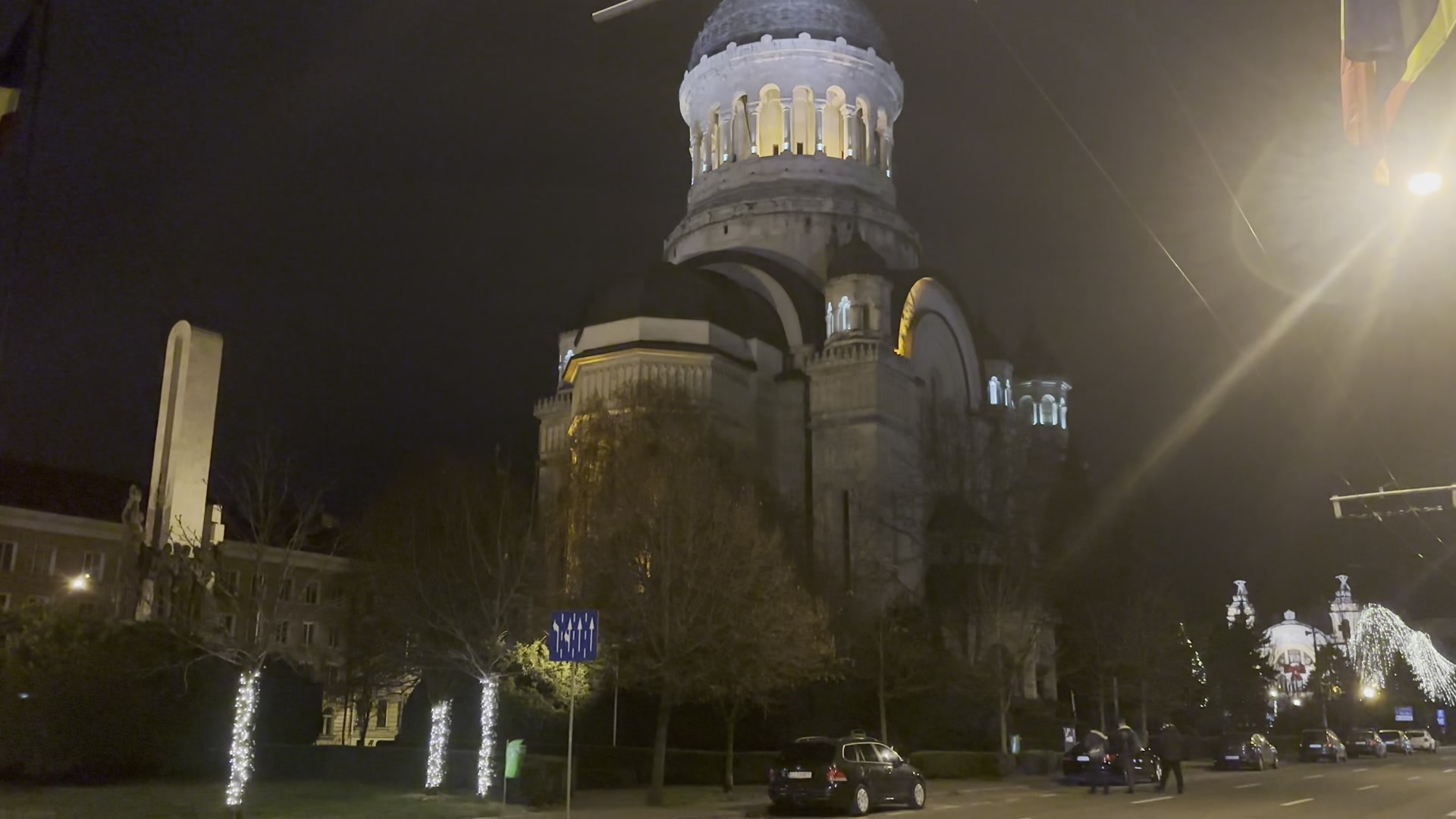
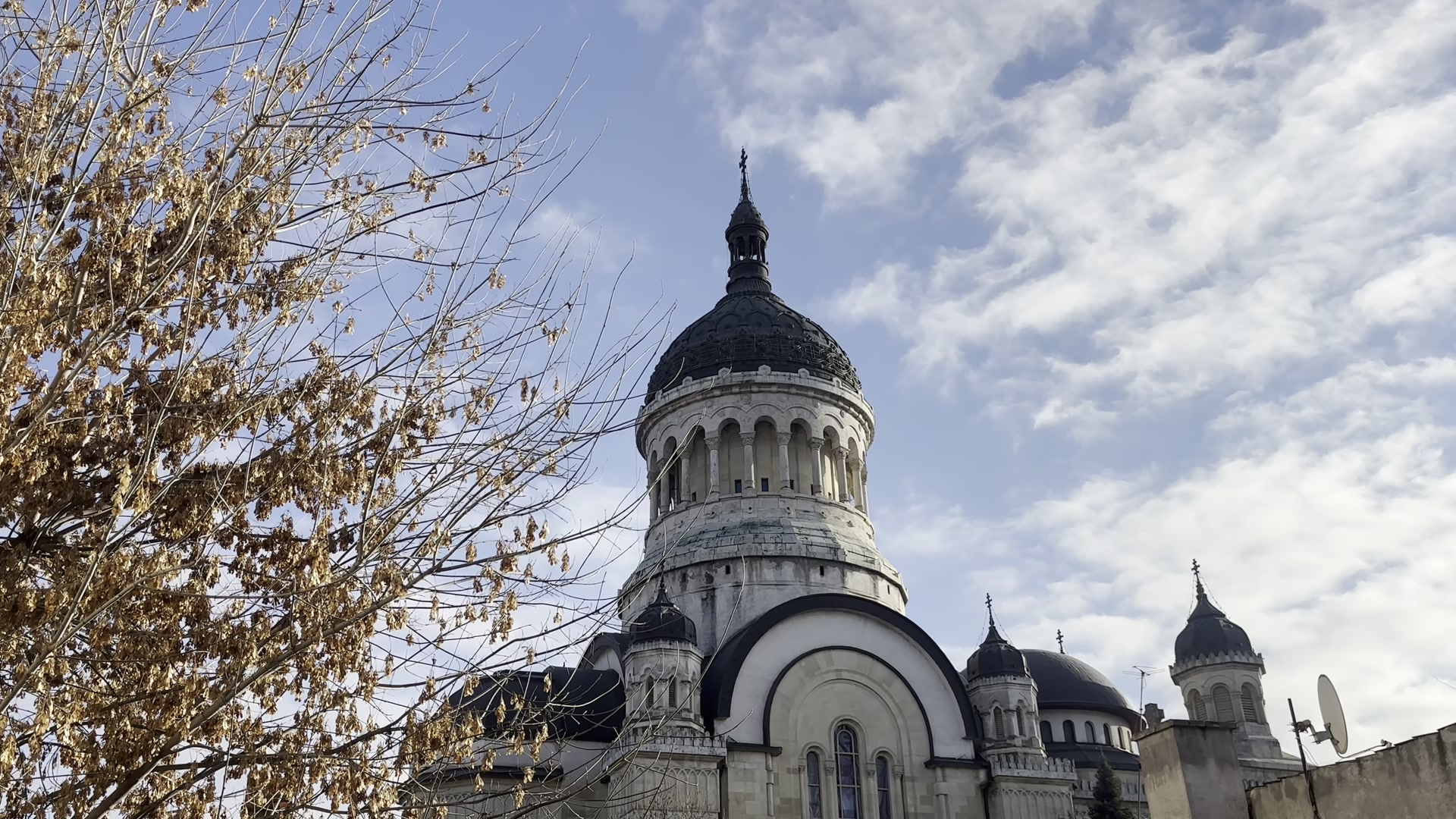
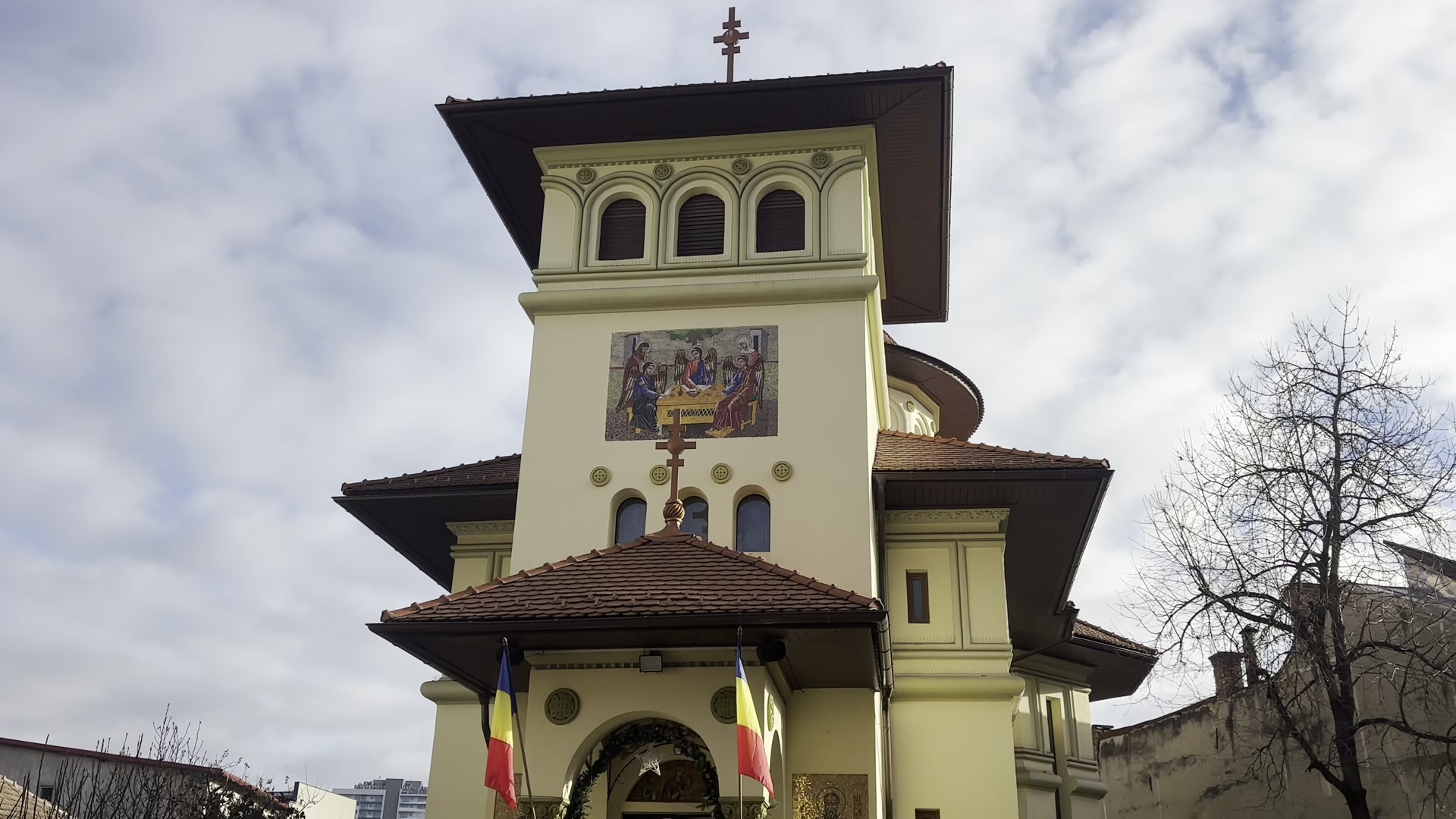
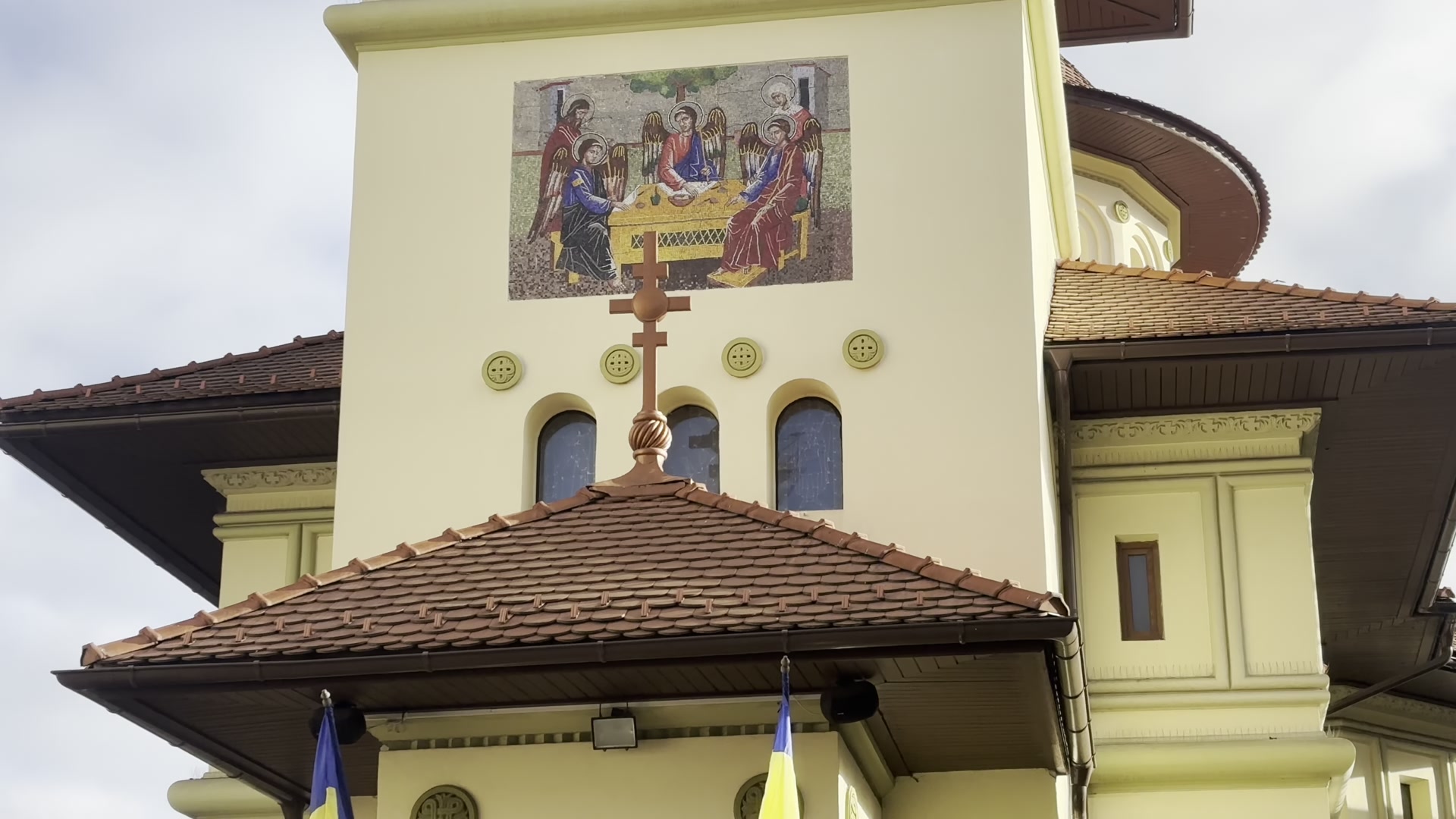
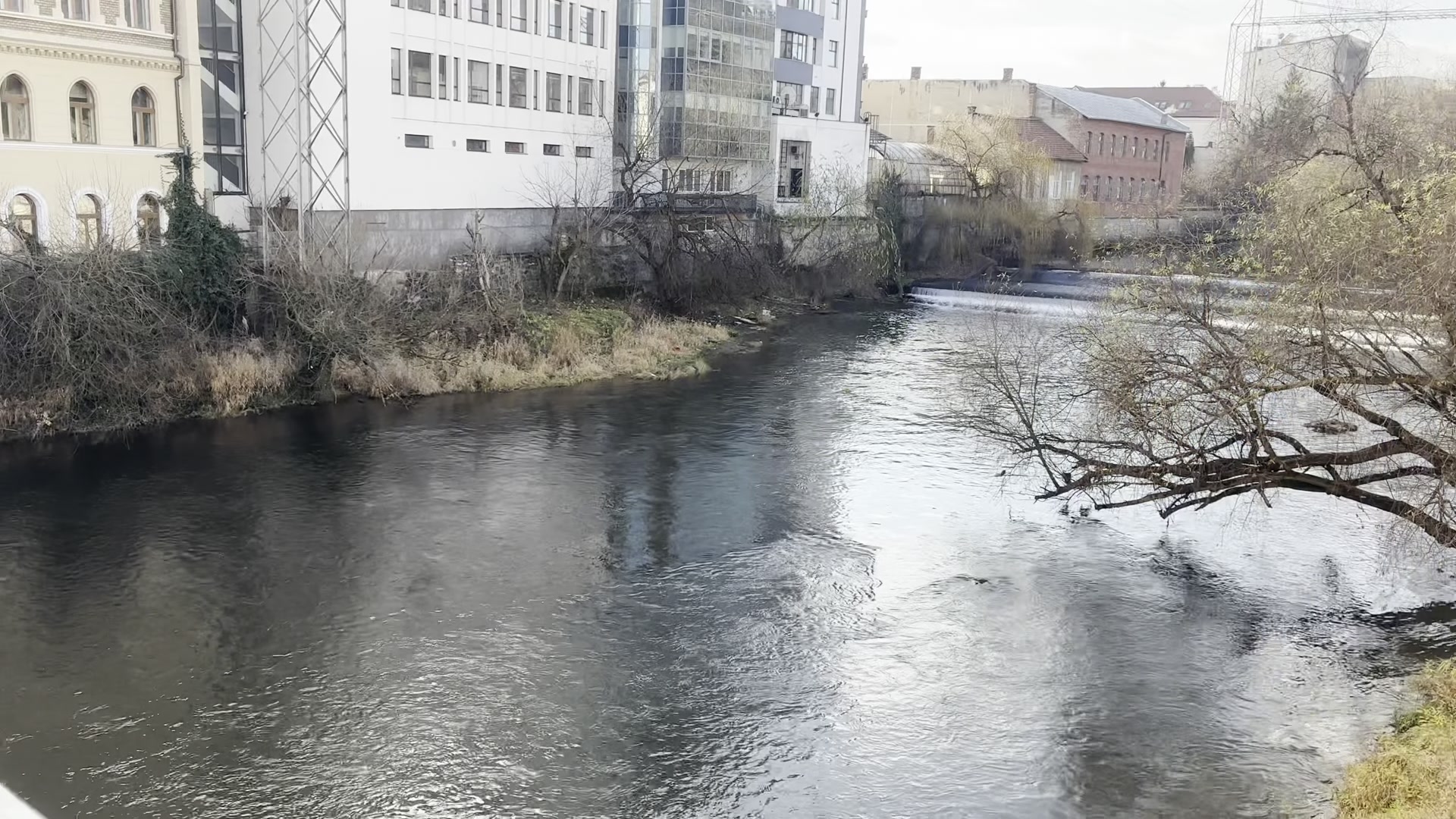
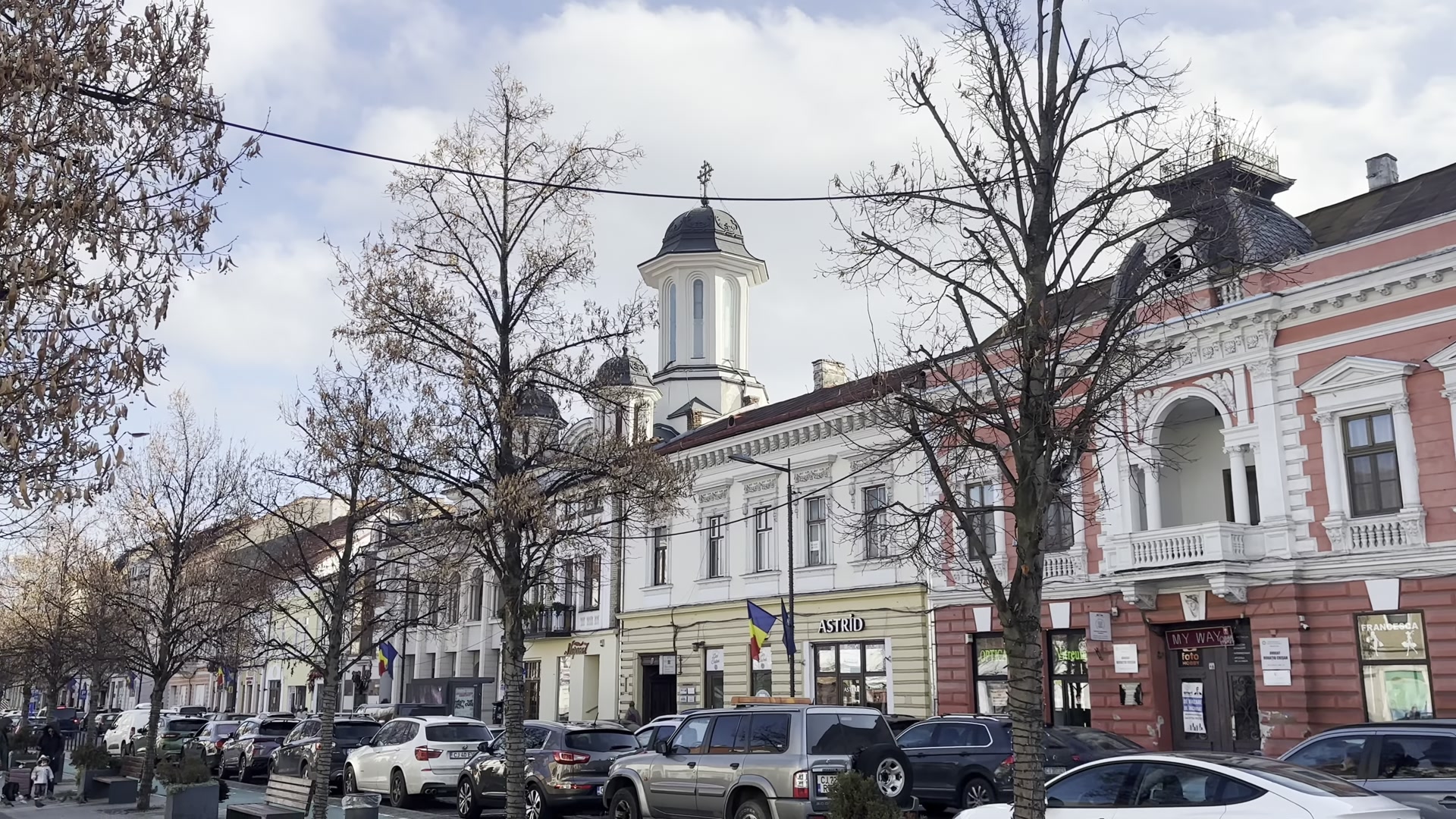
The next day we visited the Saint Nicholas Orthodox Church. It is an interesting building with an eye-catching exterior. Its architecture immediately draws your attention. The area around it is quiet, making it a nice spot to stop, look around and take photos. Walking in places like this helps you feel the city’s past more closely. Across the street there was another interesting building with a clock. By the way, the time here is one hour ahead of Spain. As we continued our walk, we saw an interesting synagogue building, then we walked toward the city center. We saw the river that runs through Cluj, which added extra pleasure to our walk. The sound of the water and the surrounding scenery felt like a short break from the city crowds. We moved toward the central area from the train station side.
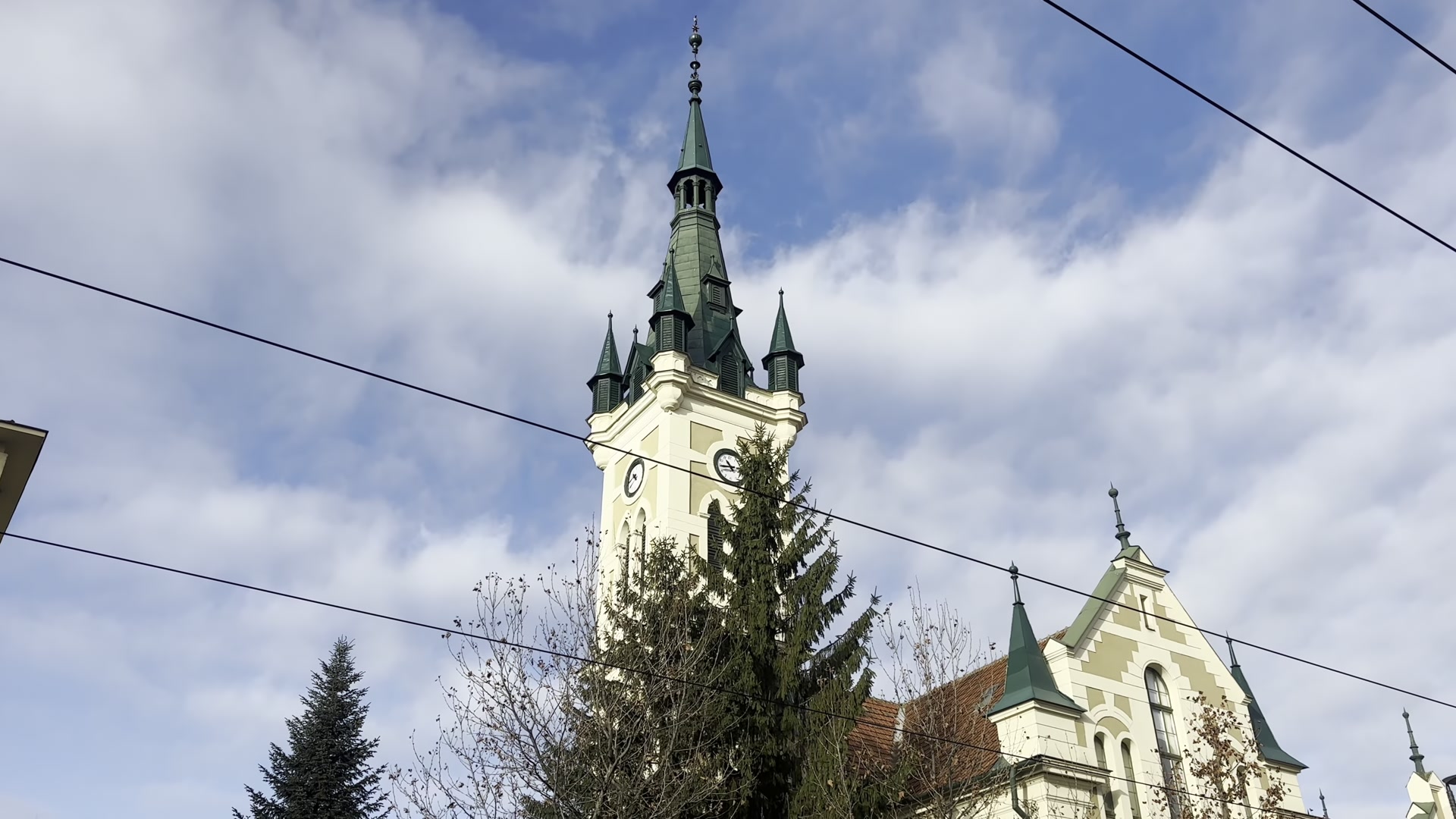
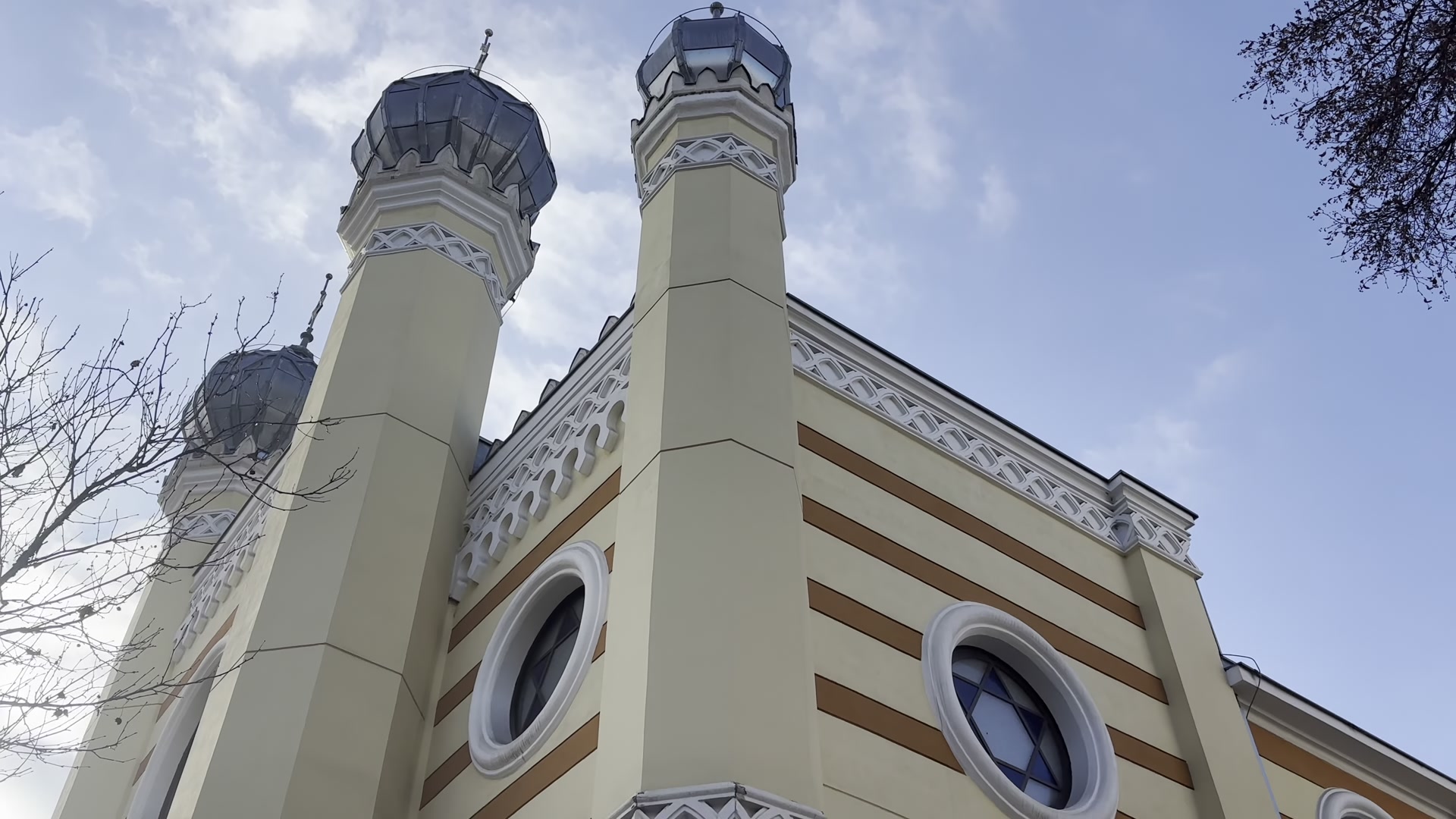
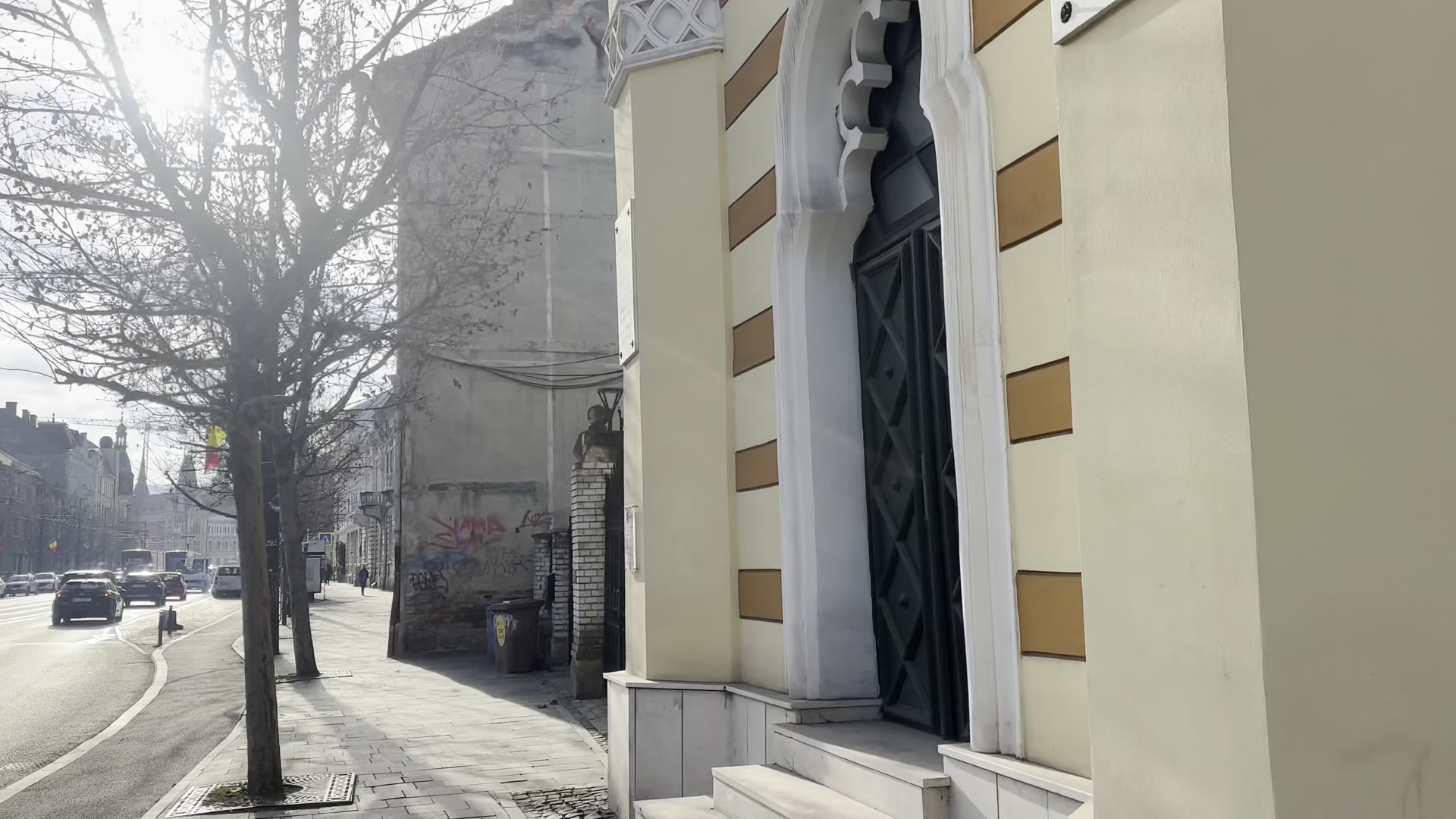
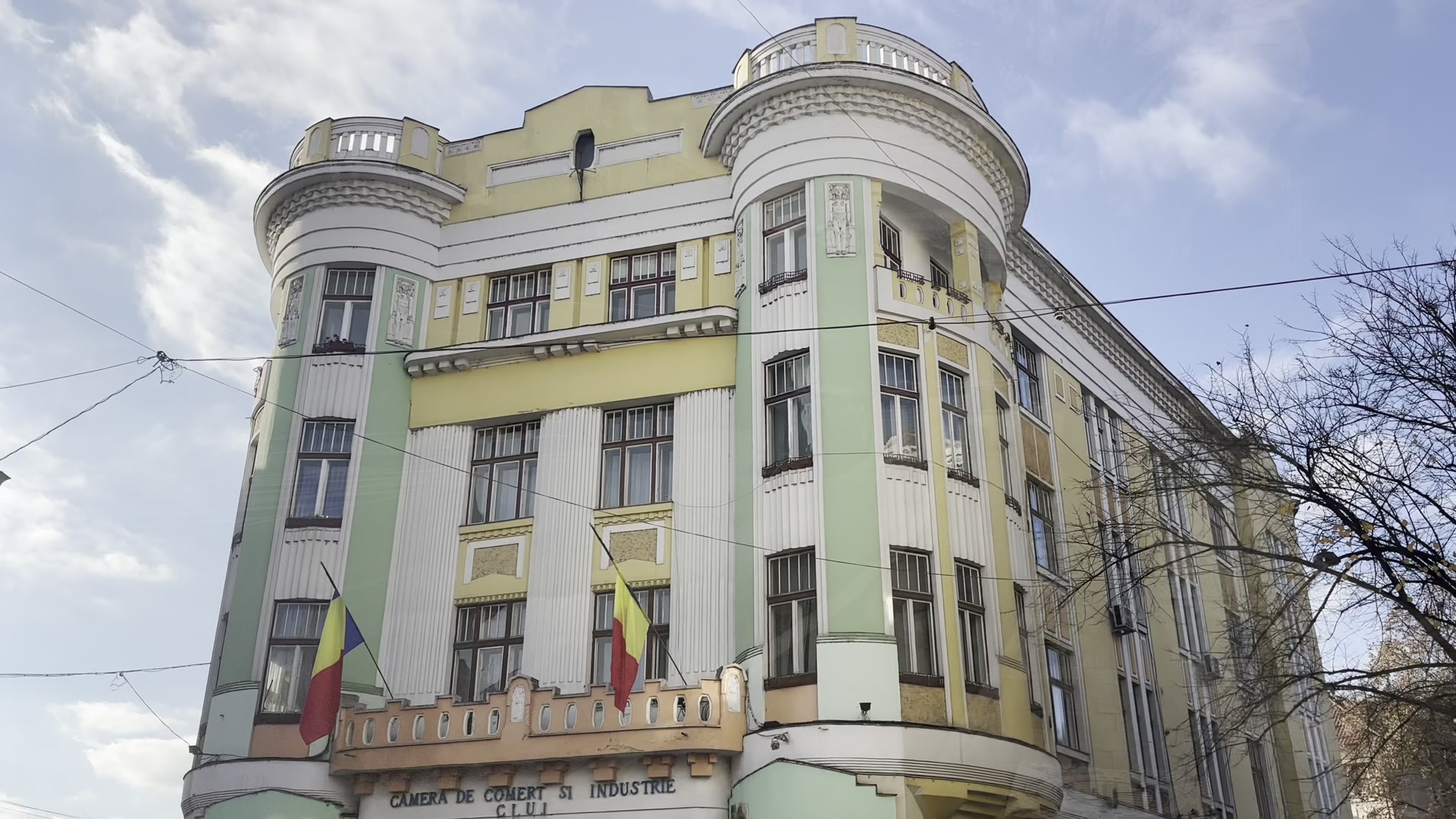
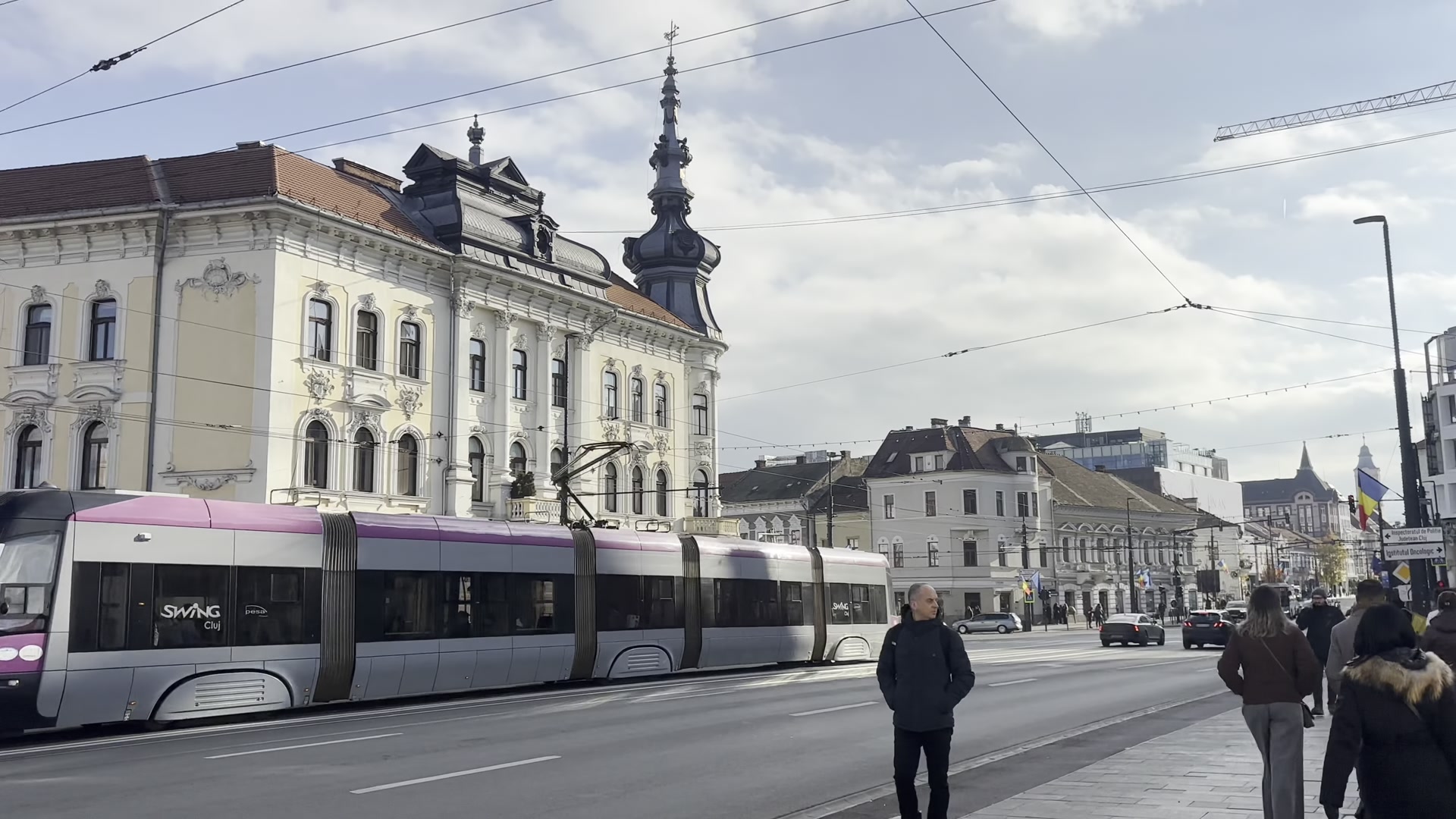
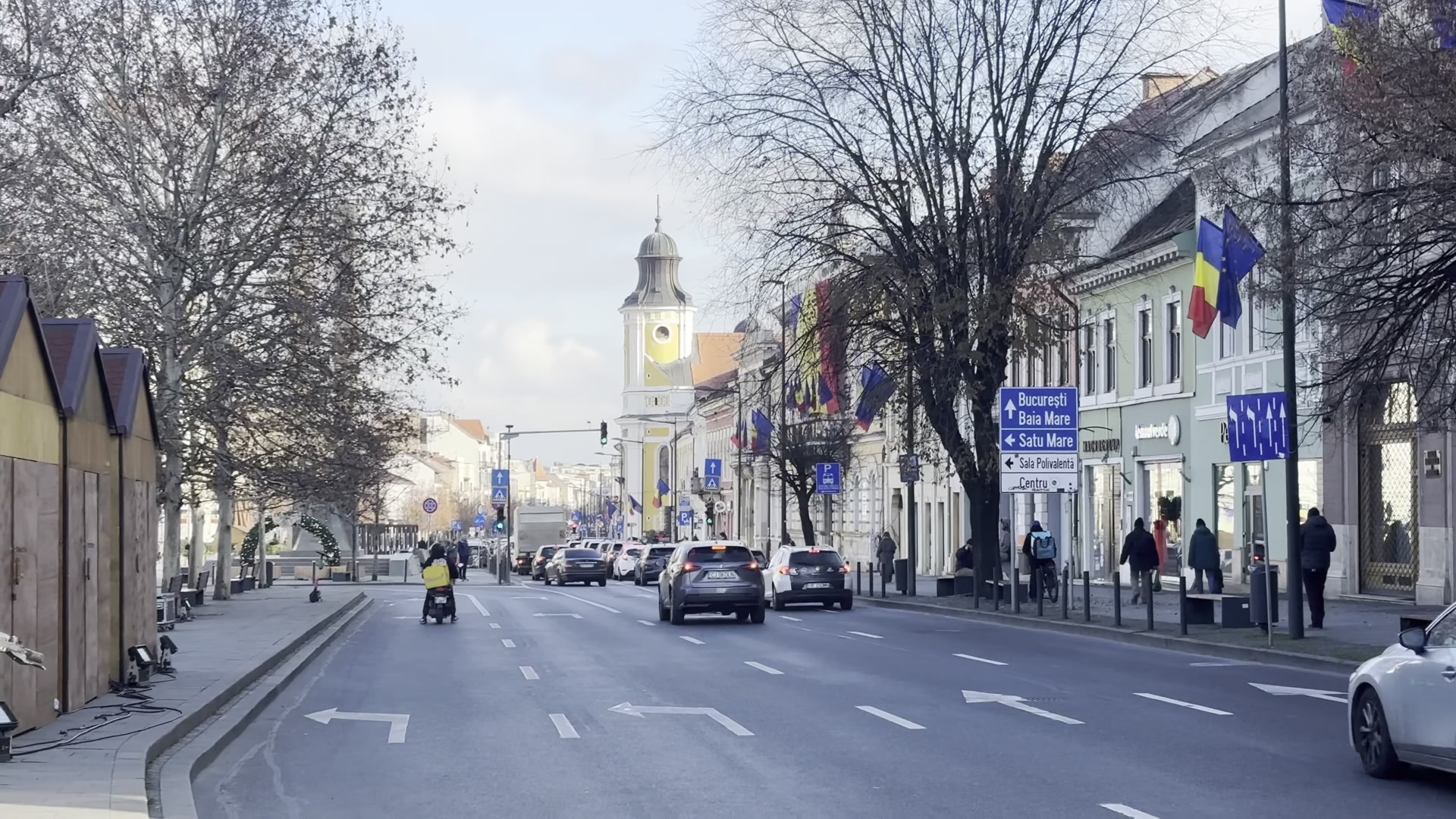
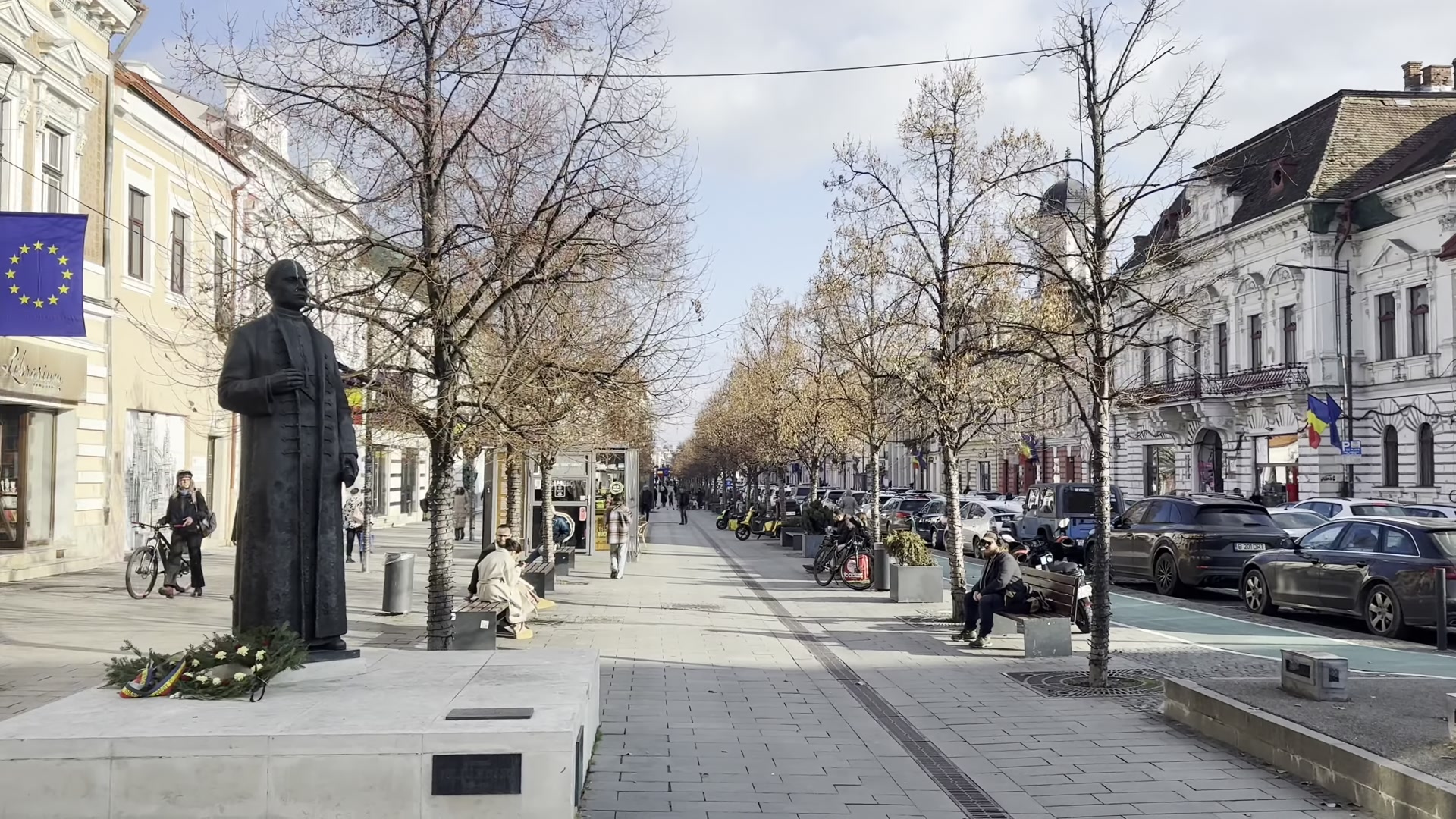
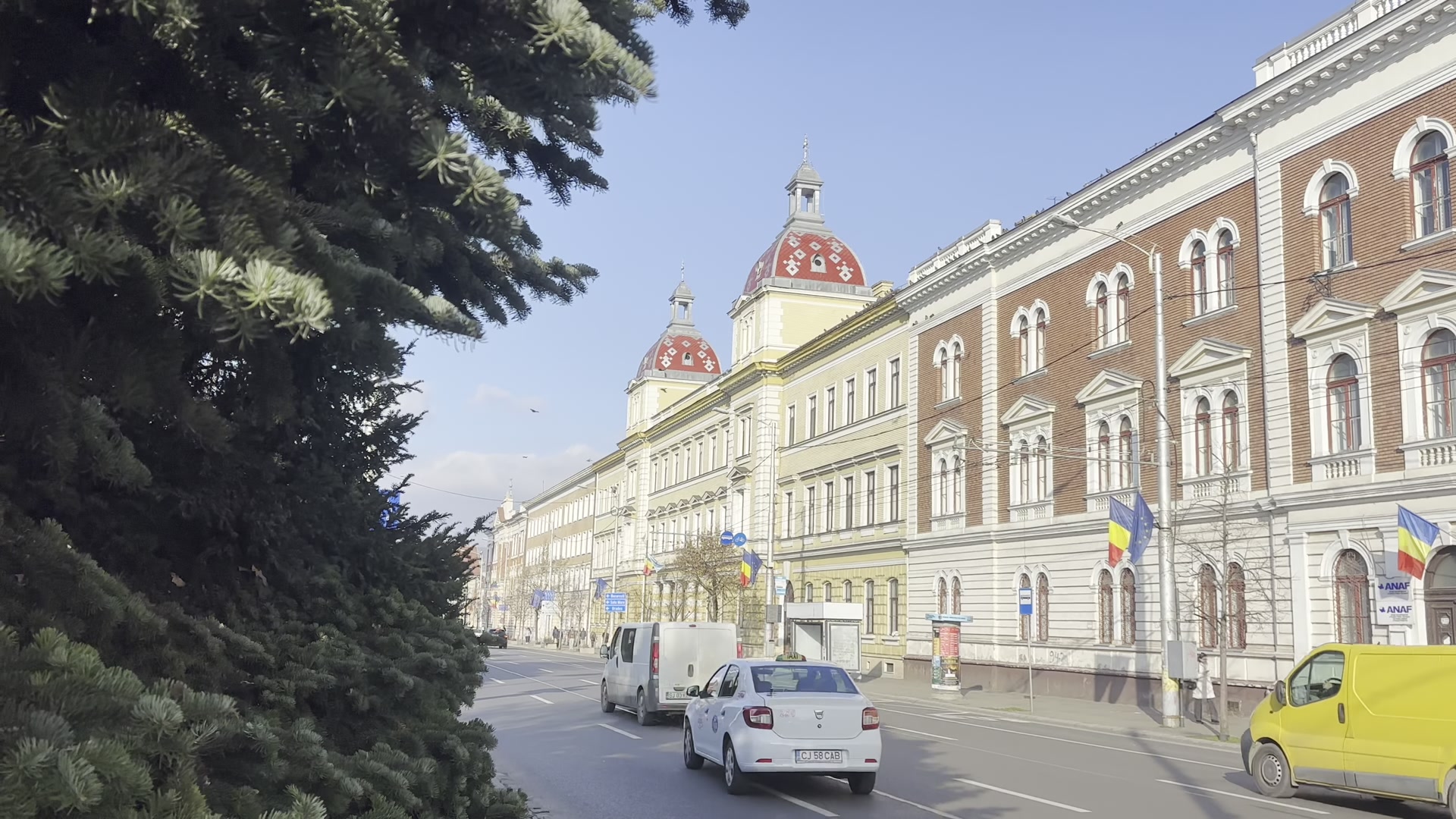
The buildings here have a strong sense of history. Of course, modern buildings, houses and apartment blocks are also being constructed. You can see this online as well and when you are here you notice real estate ads everywhere, even at the airport. Romanian flags are hanging everywhere. This is a distinctive feature, you see them on almost every pole.
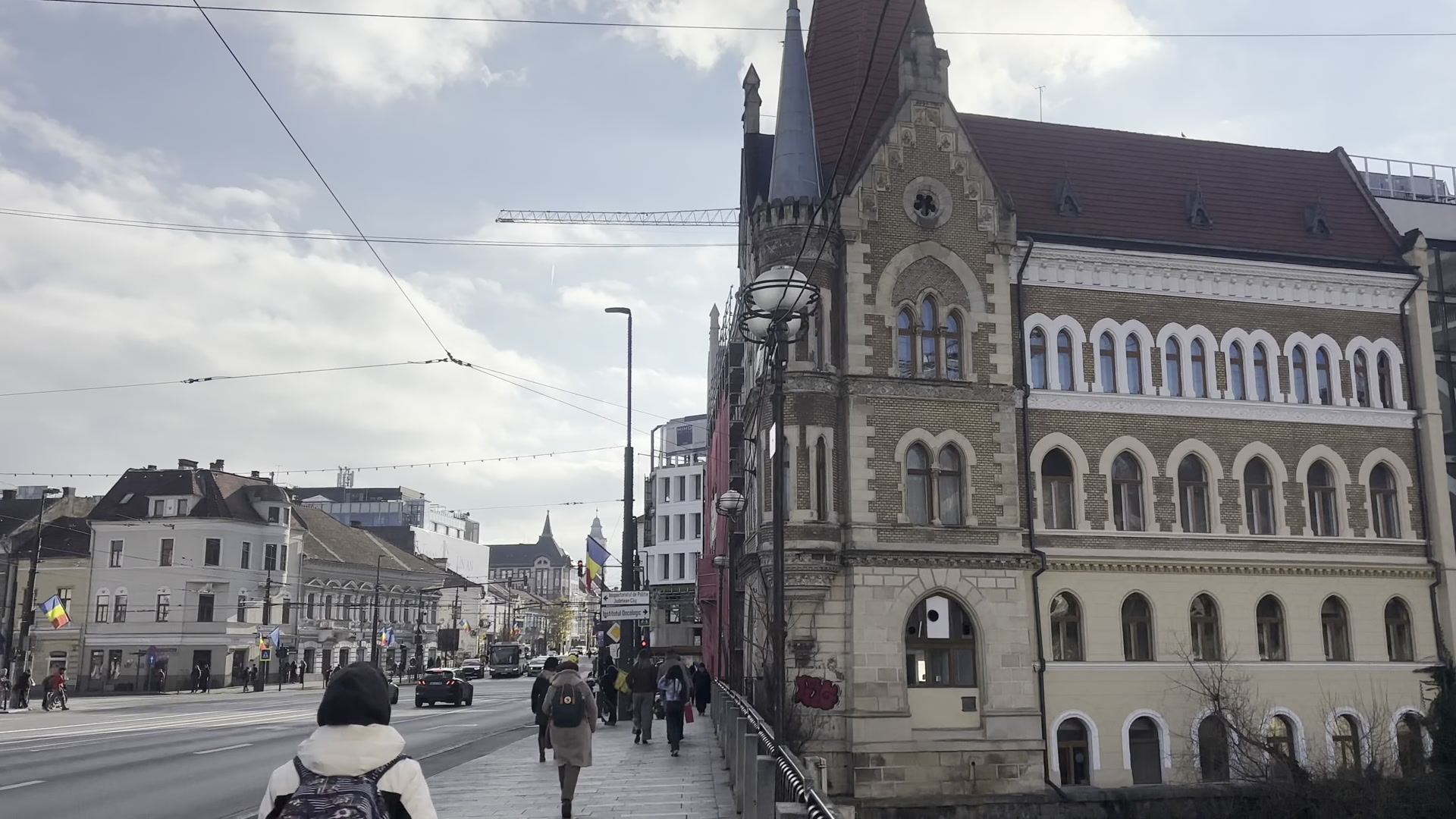
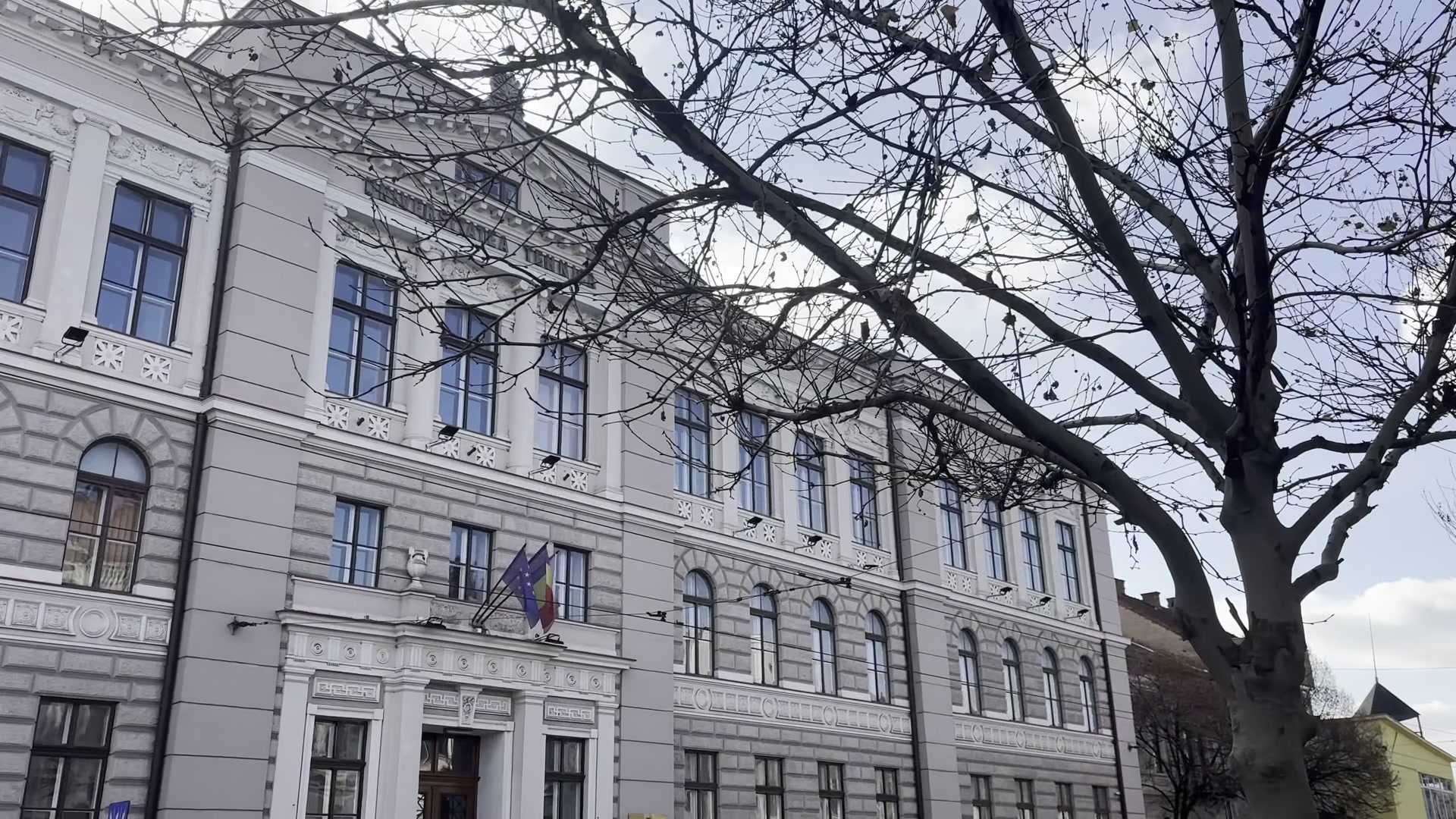
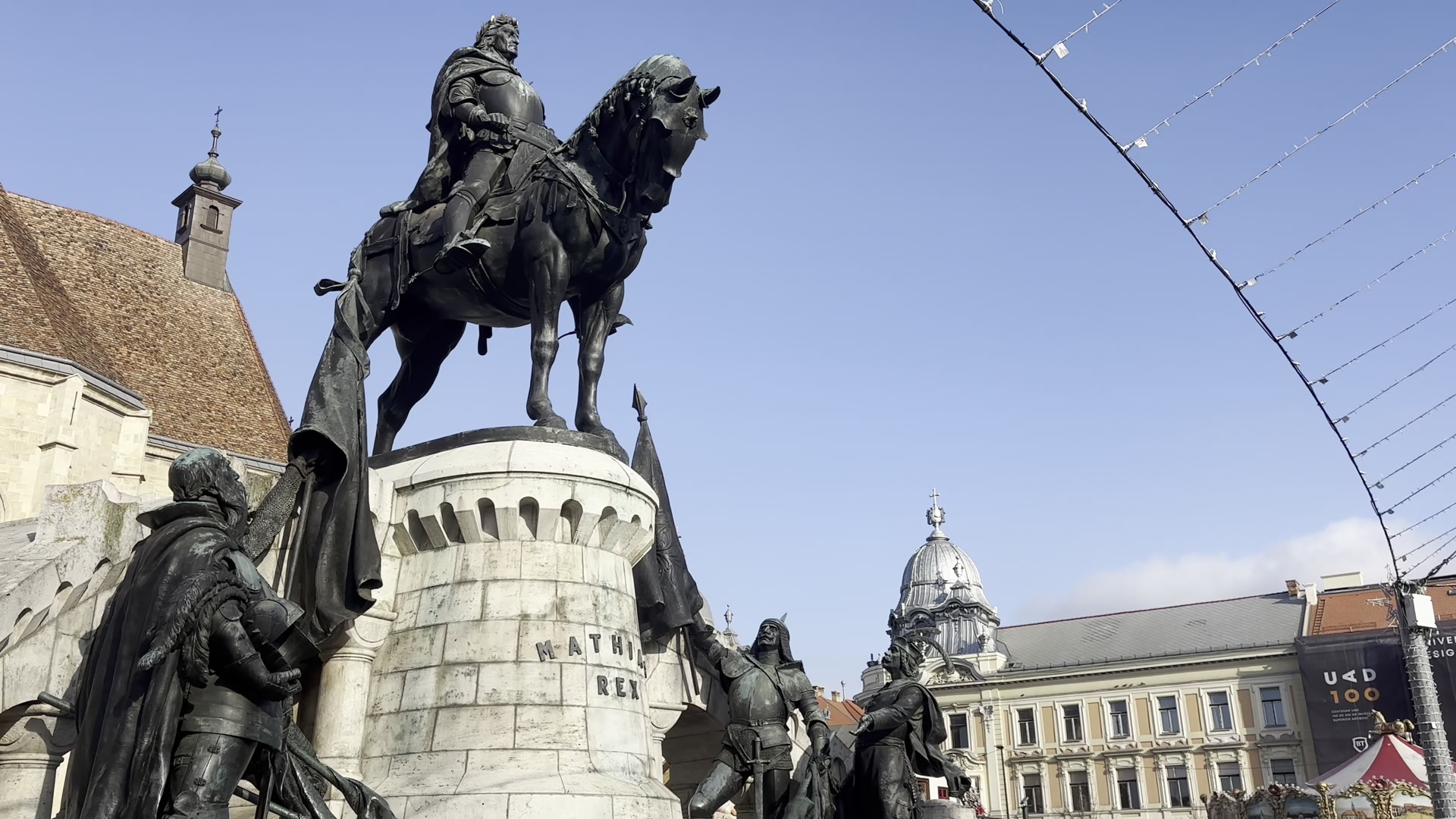
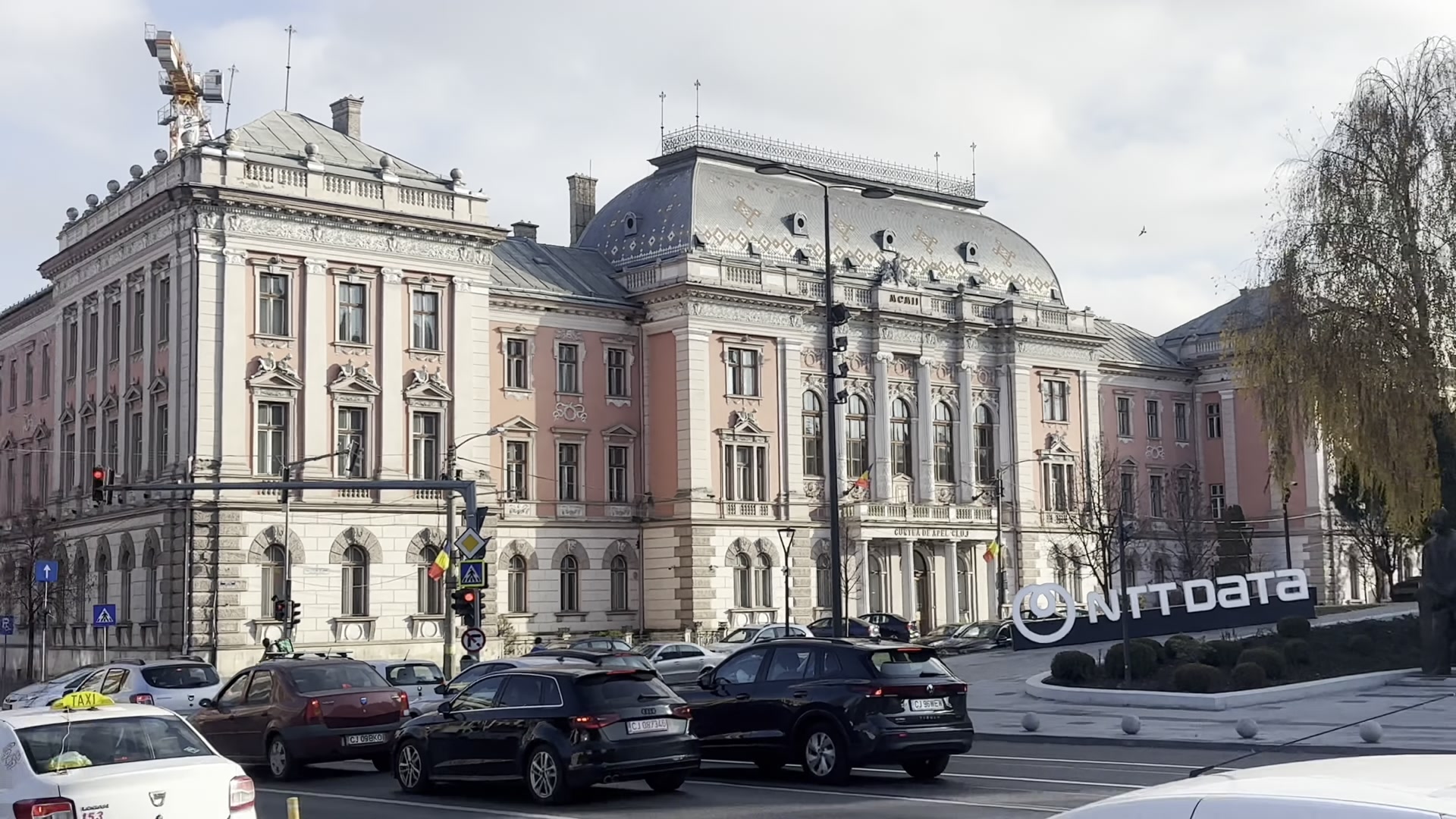
We started walking in the central area and passed by the Transylvanian History Museum. Cluj-Napoca is considered the capital of Transylvania. Transylvania is best known as the region associated with Vlad Dracula. Cluj is a city that has lived through many different periods. It was founded by the Romans and there were settlements even before them. The Roman period is clearly documented. Later, the city came under the influence of different cultures. Being located in the heart of Europe, it experienced wars and various influences. One culture left, another arrived. Despite all this, Cluj has always played an important role in Transylvania.
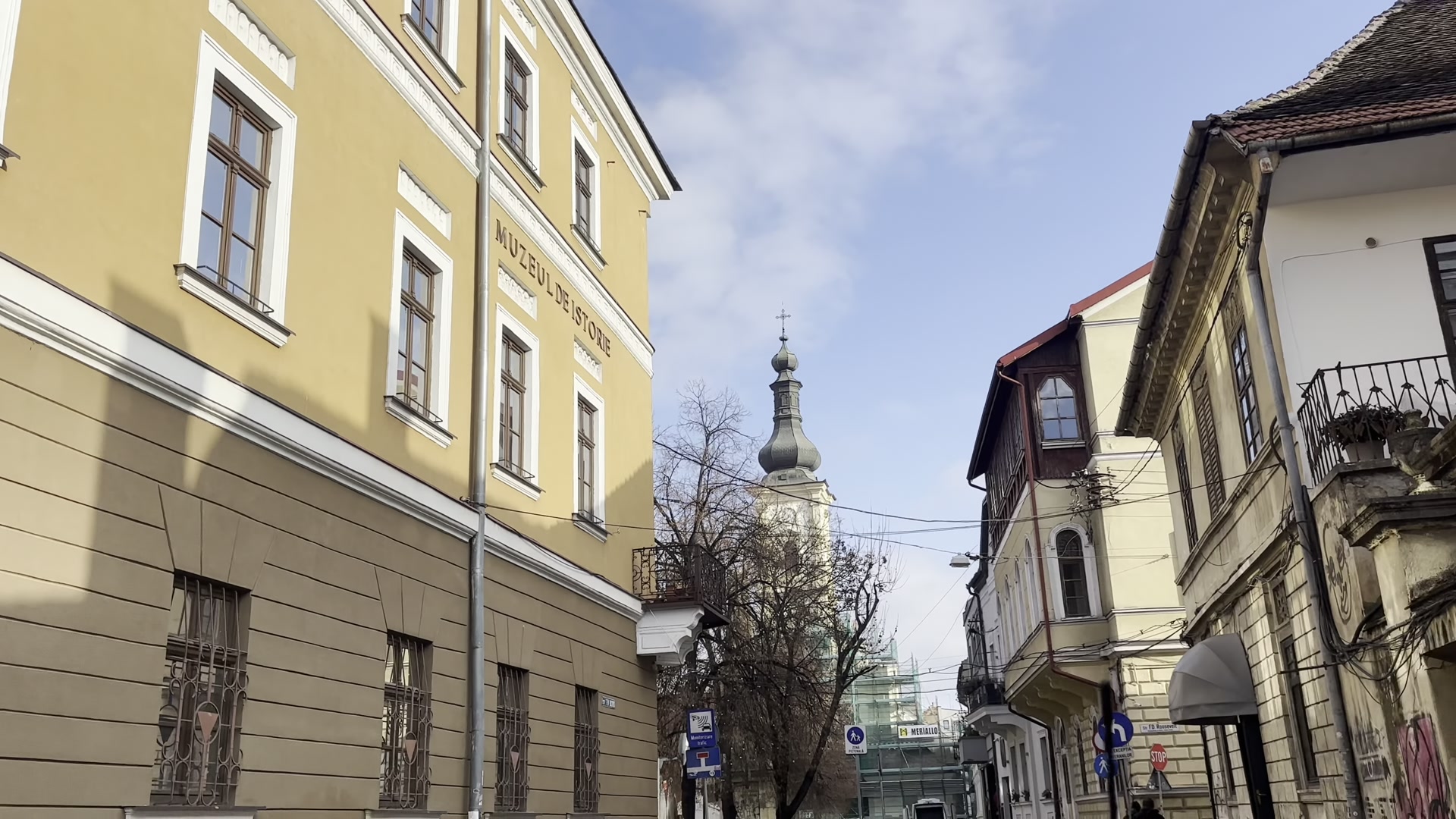
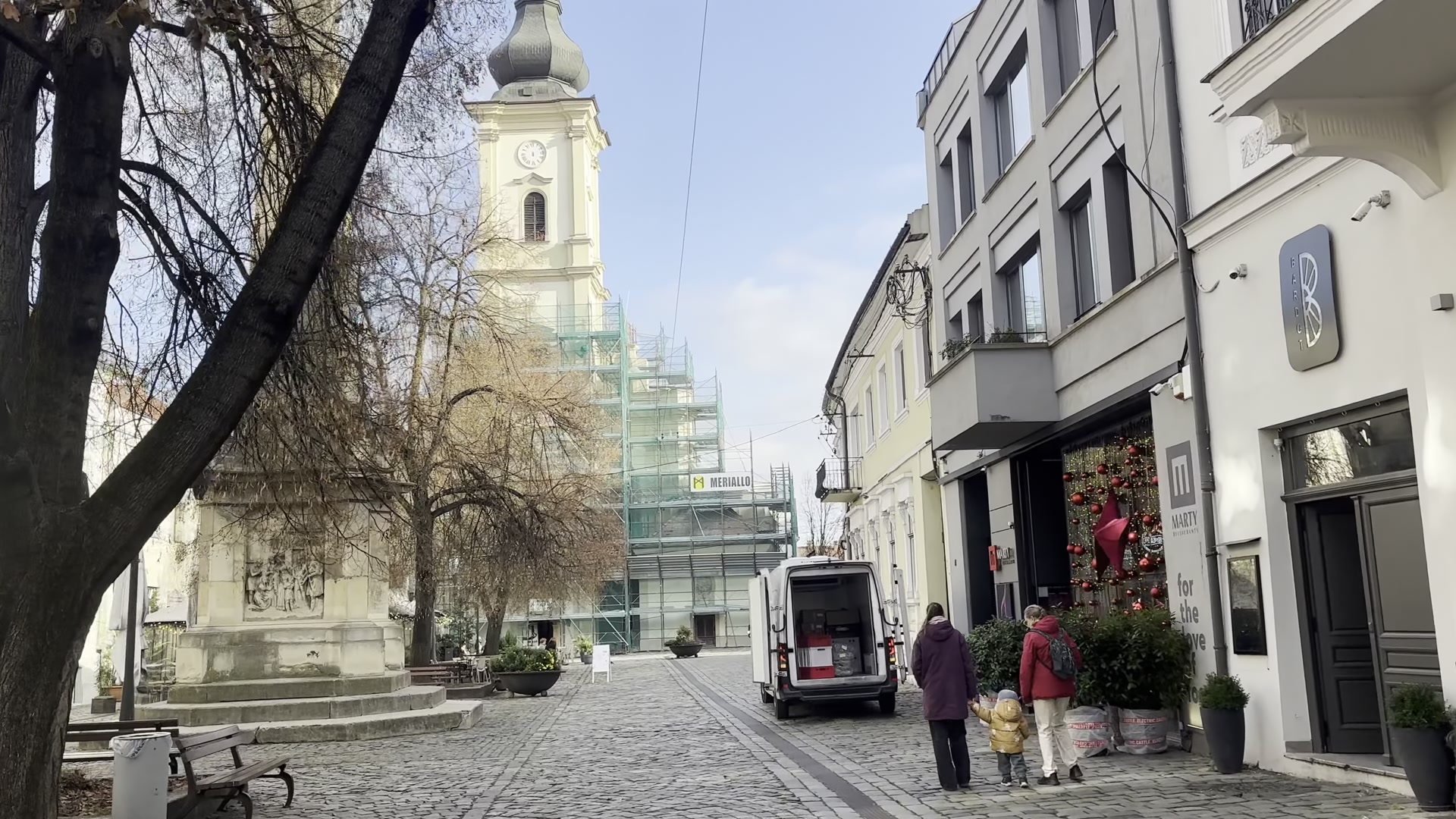
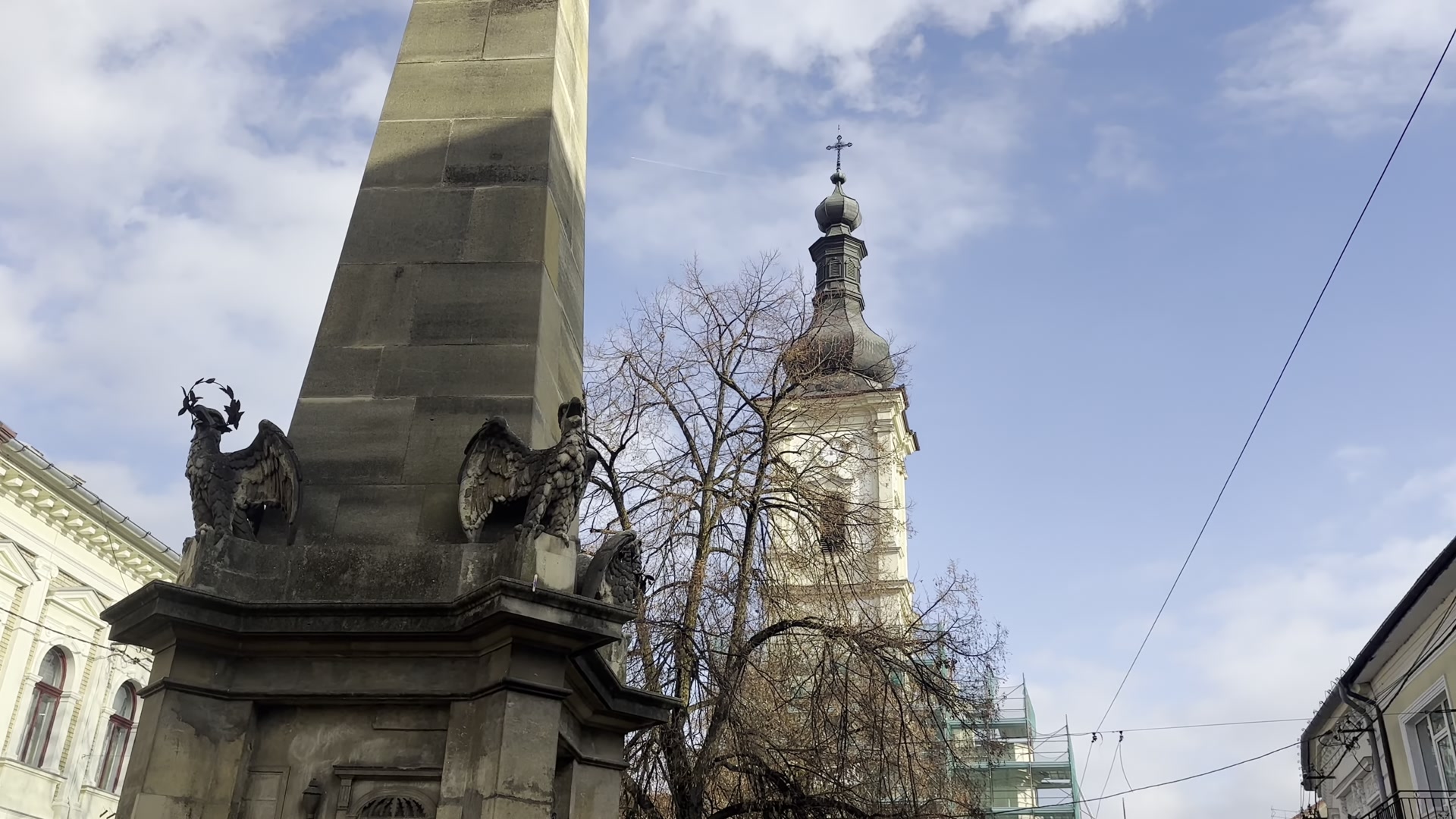
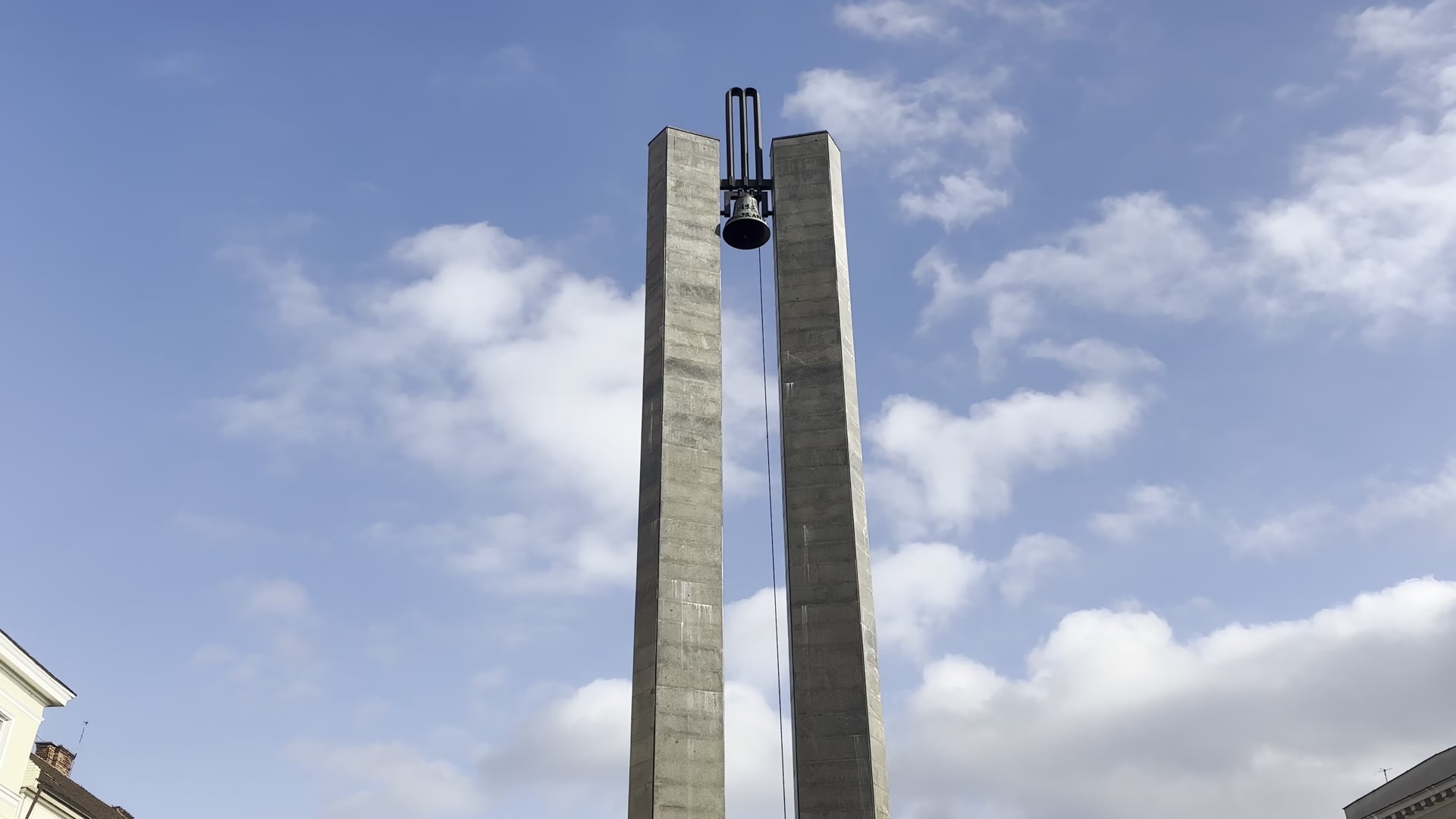
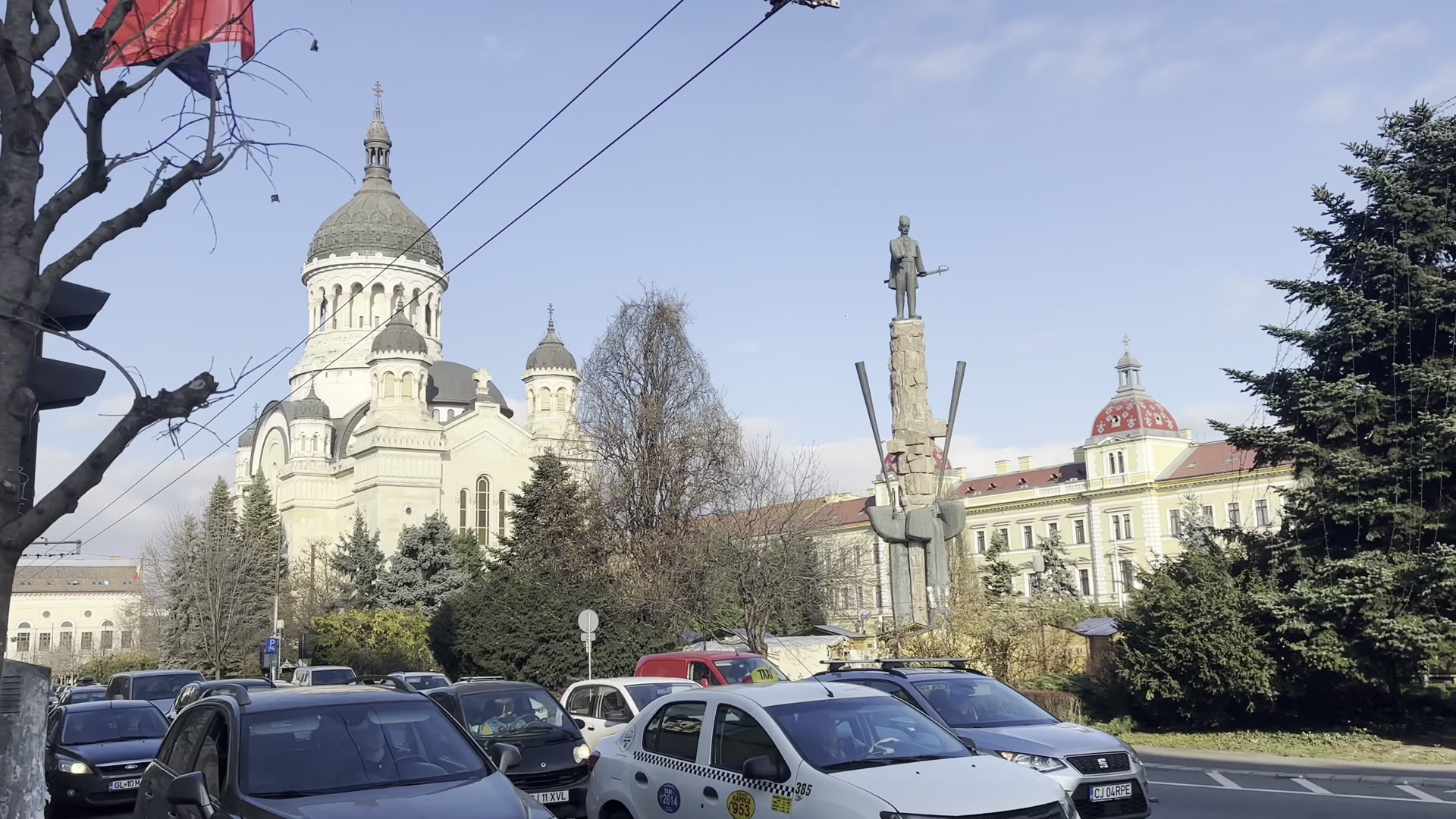
We saw a monument and a Lutheran church. Right behind it there was an Orthodox church. So there are many religious and historical buildings here. There are also numerous museums. Depending on your interests, you can definitely find places to visit.
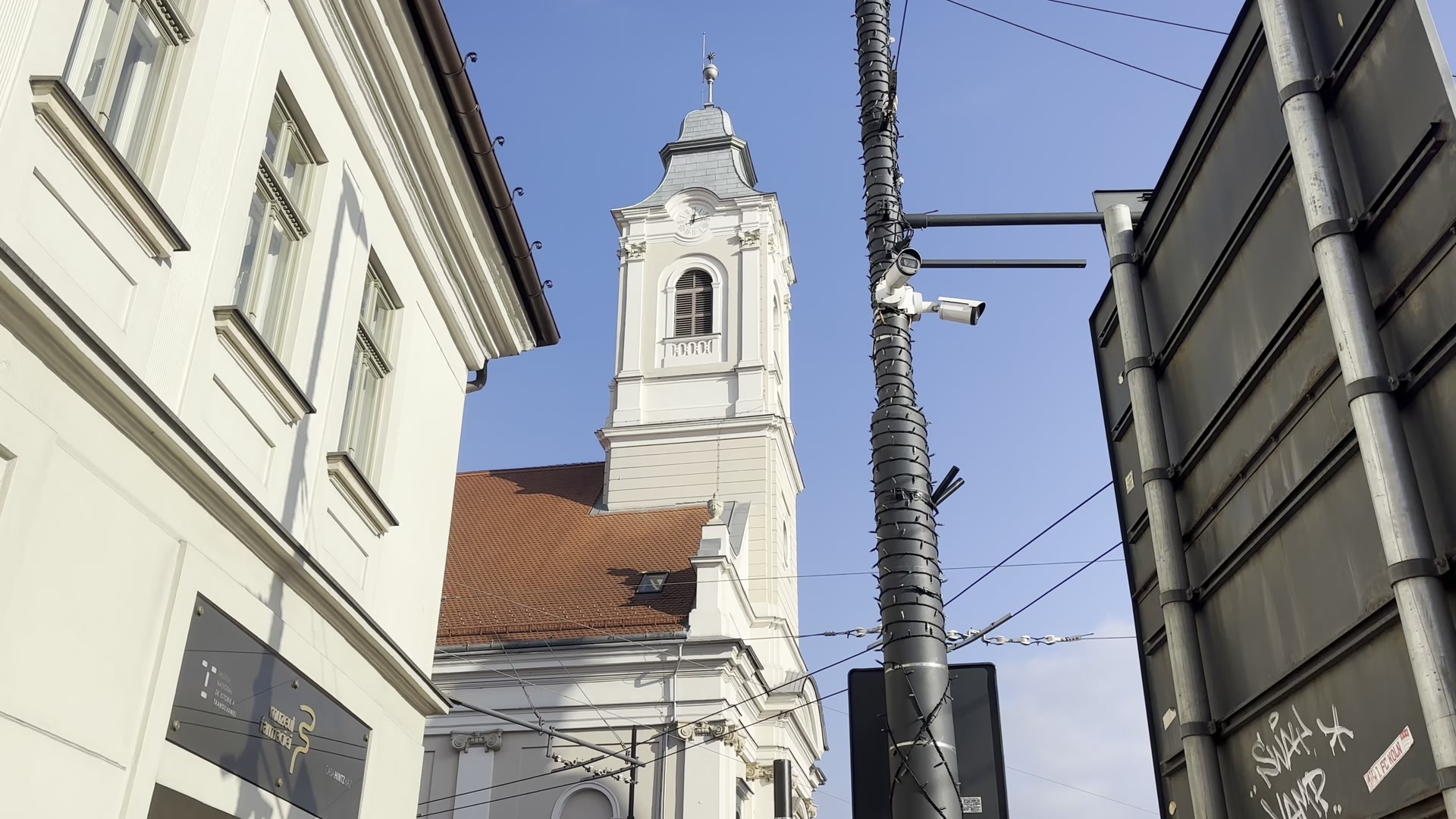
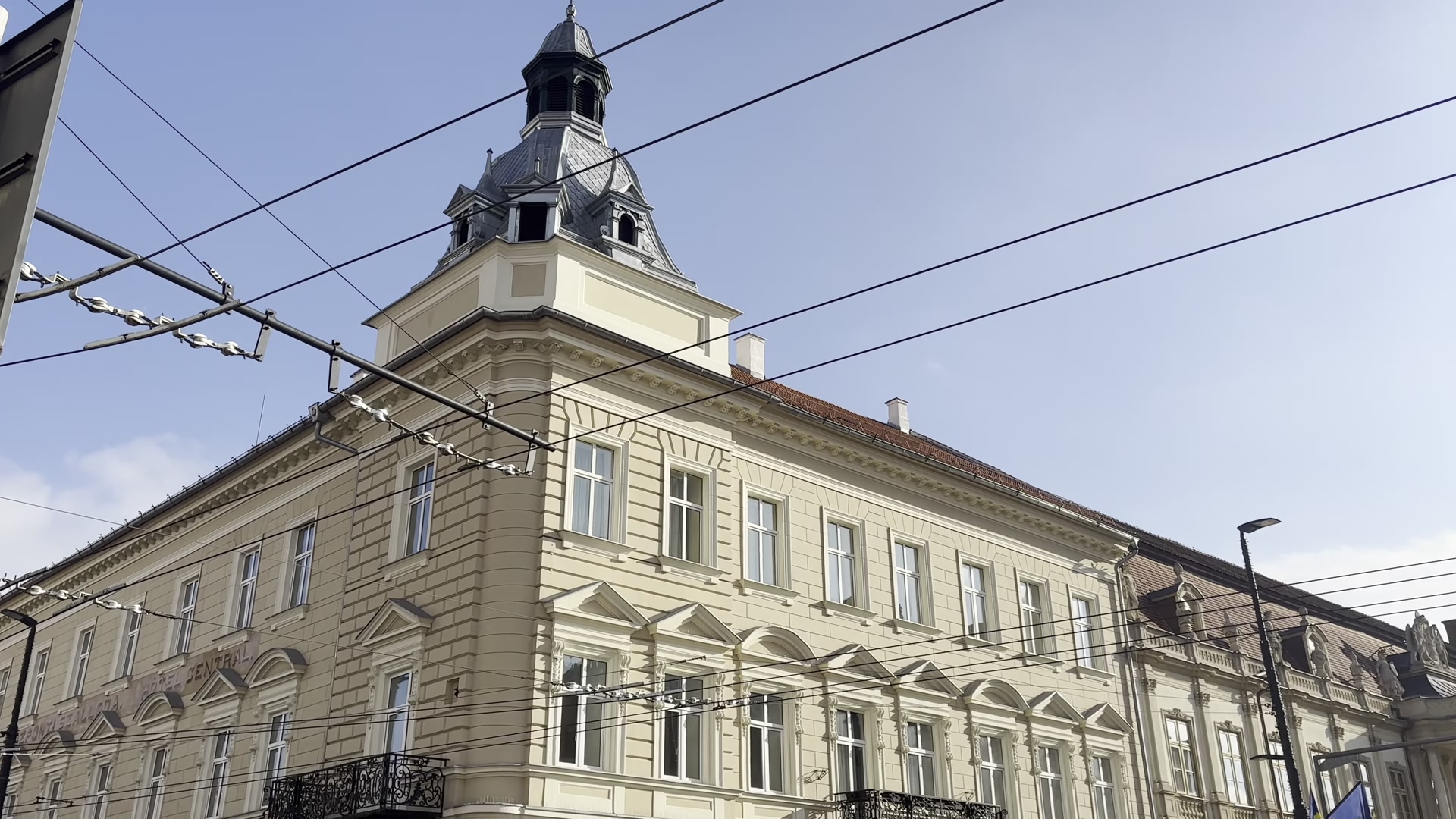
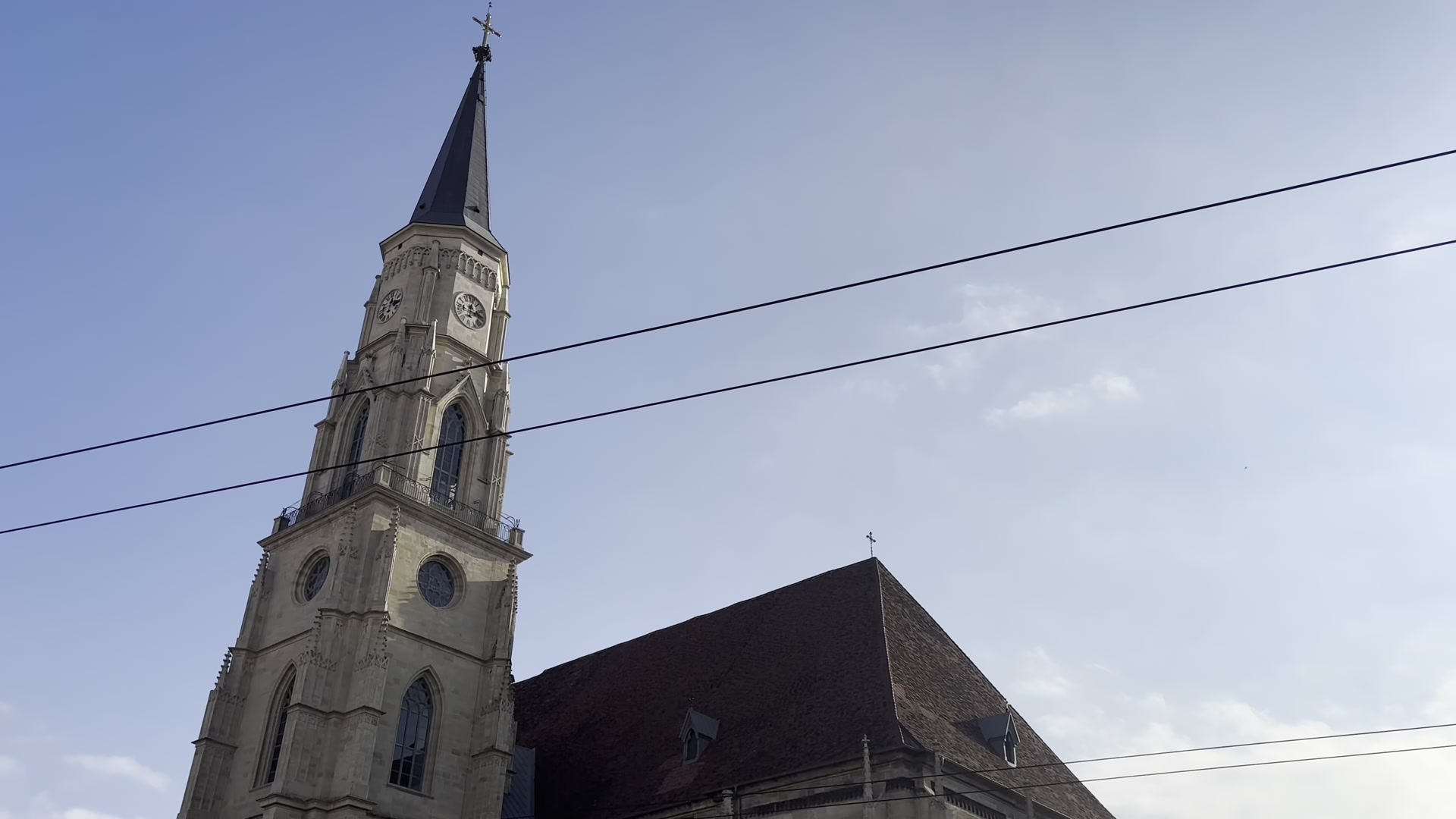
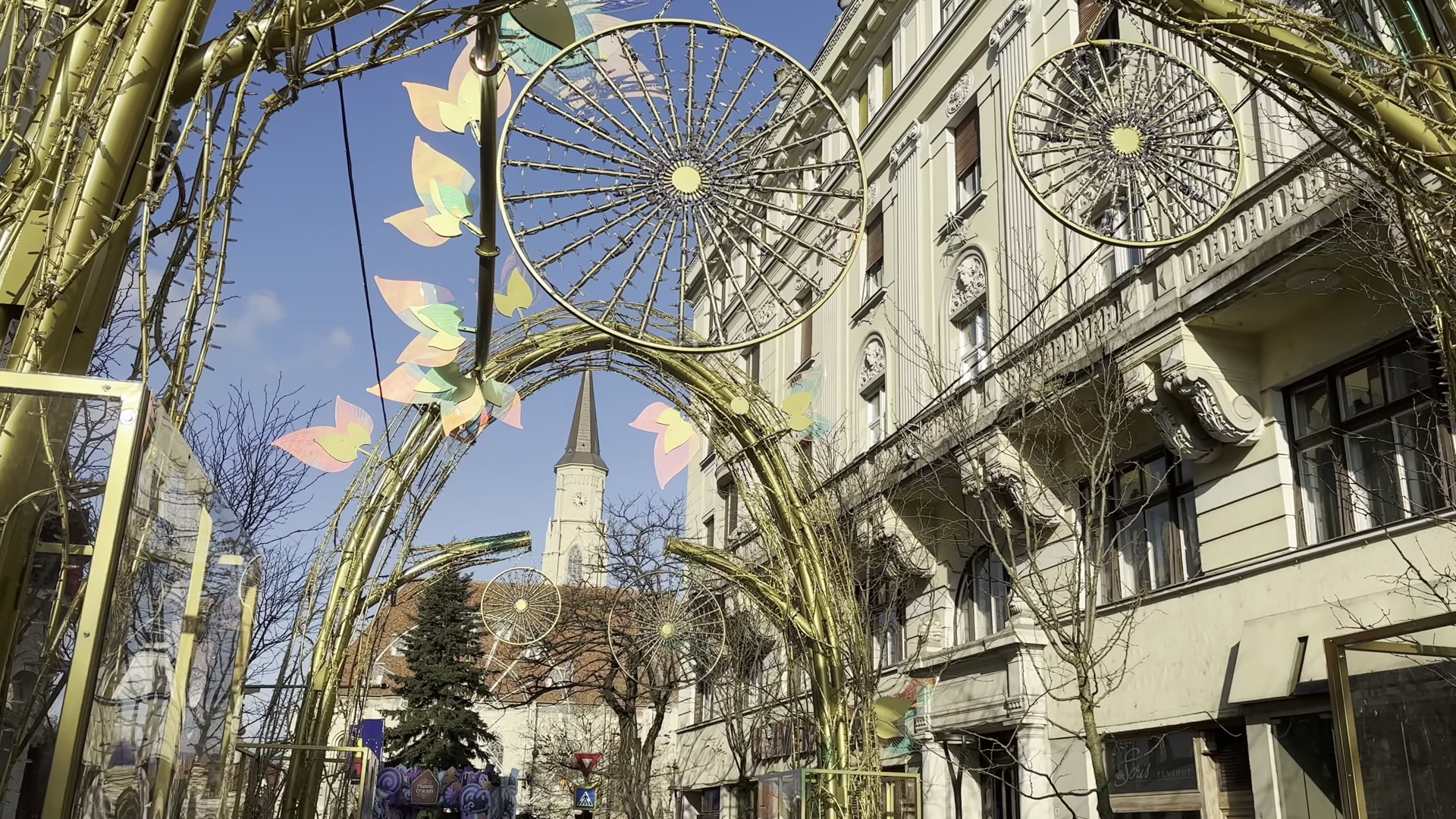
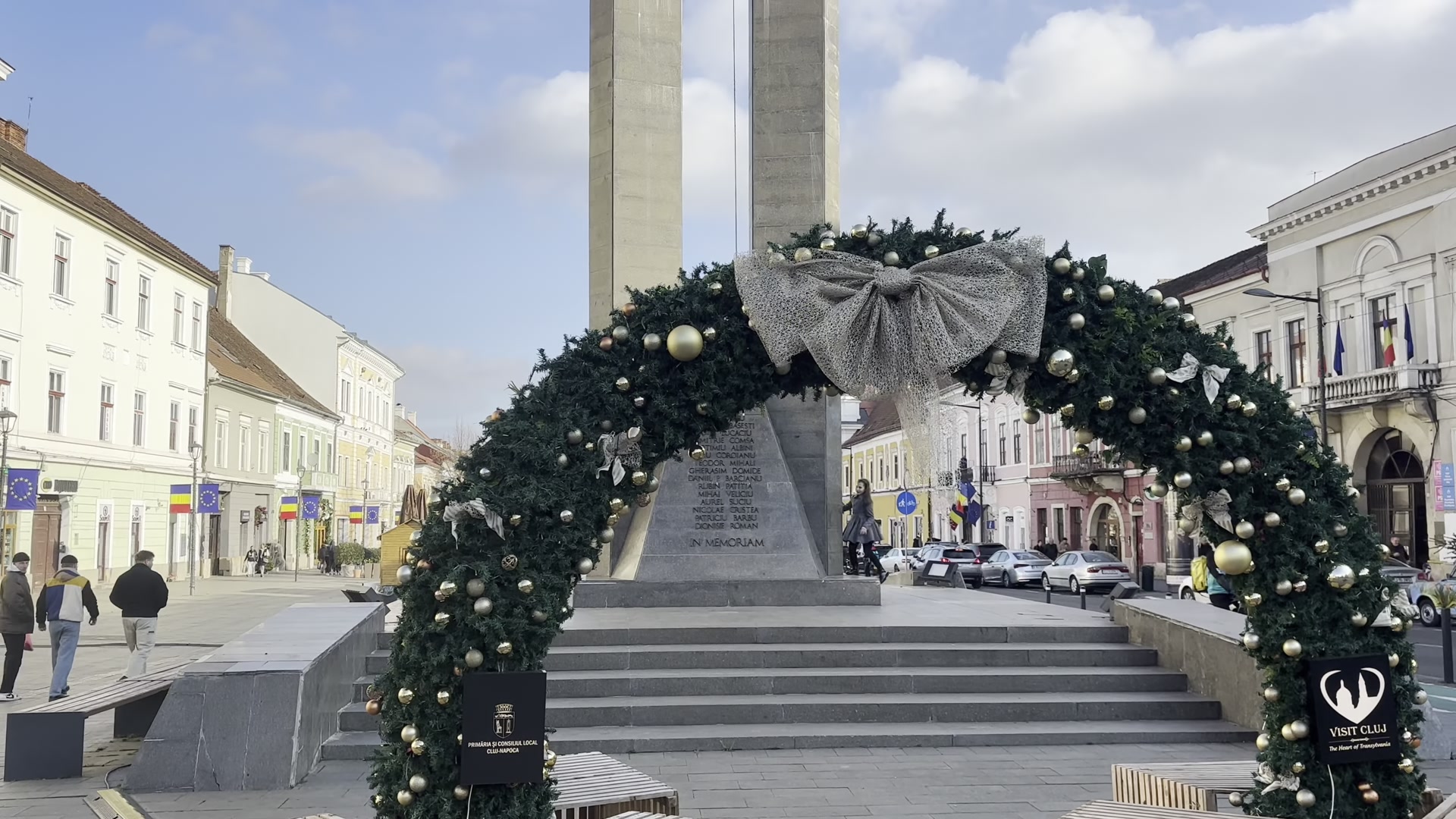
We passed by Saint Michael’s Cathedral. Everything was decorated for the New Year. Cafes and the historic center were all adorned and there were decorations on the streets branching off from the main avenue.
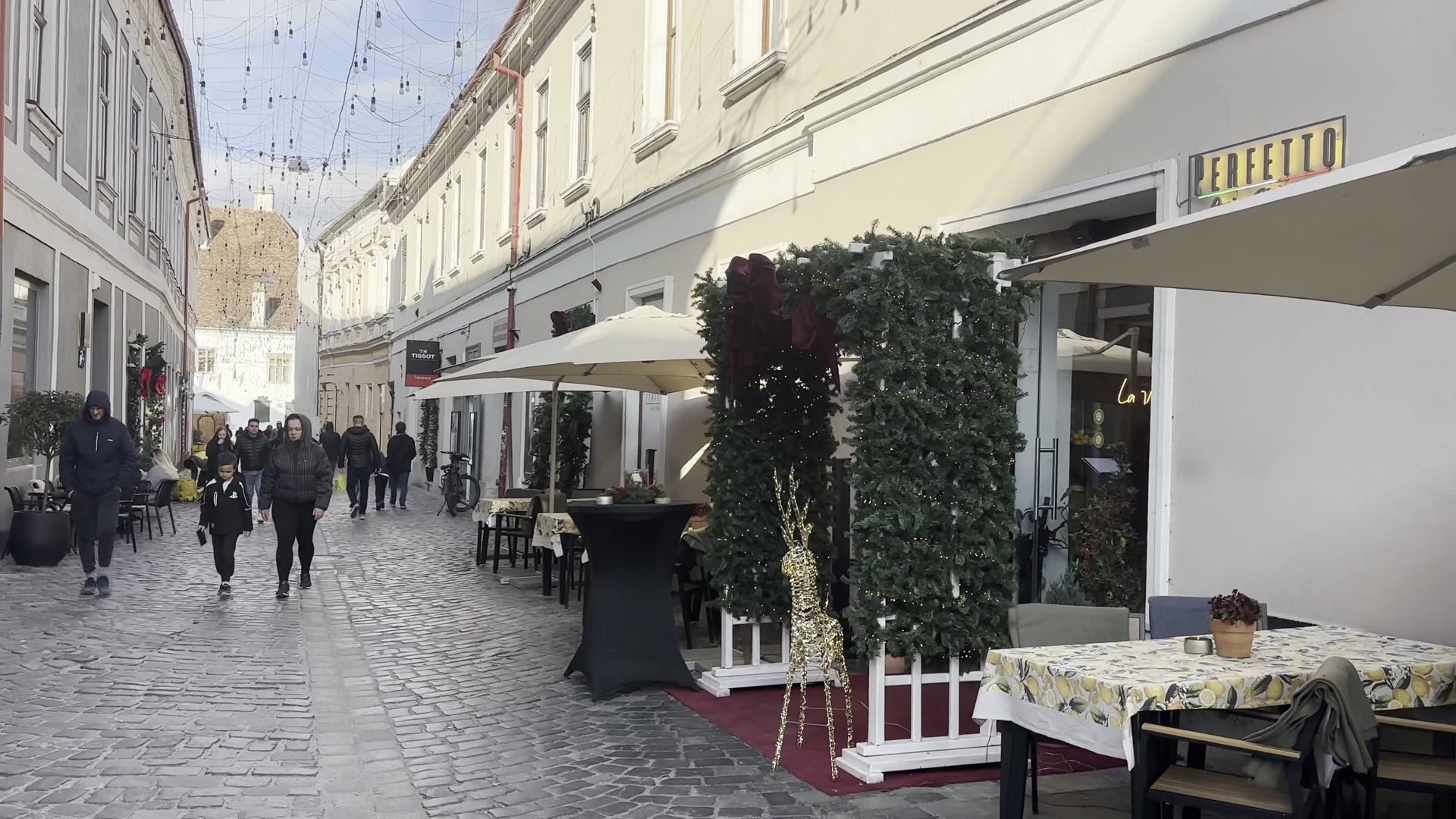
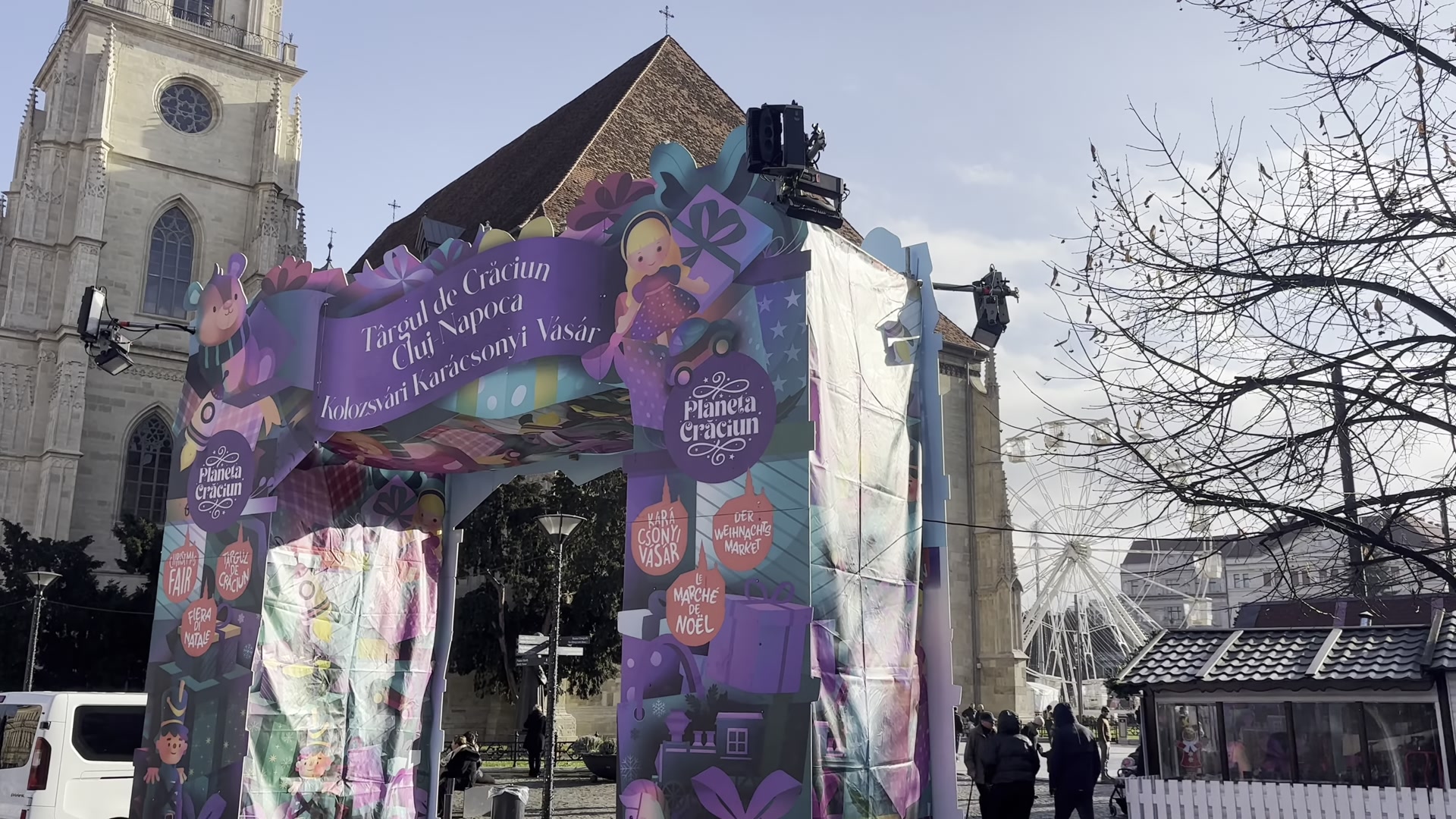
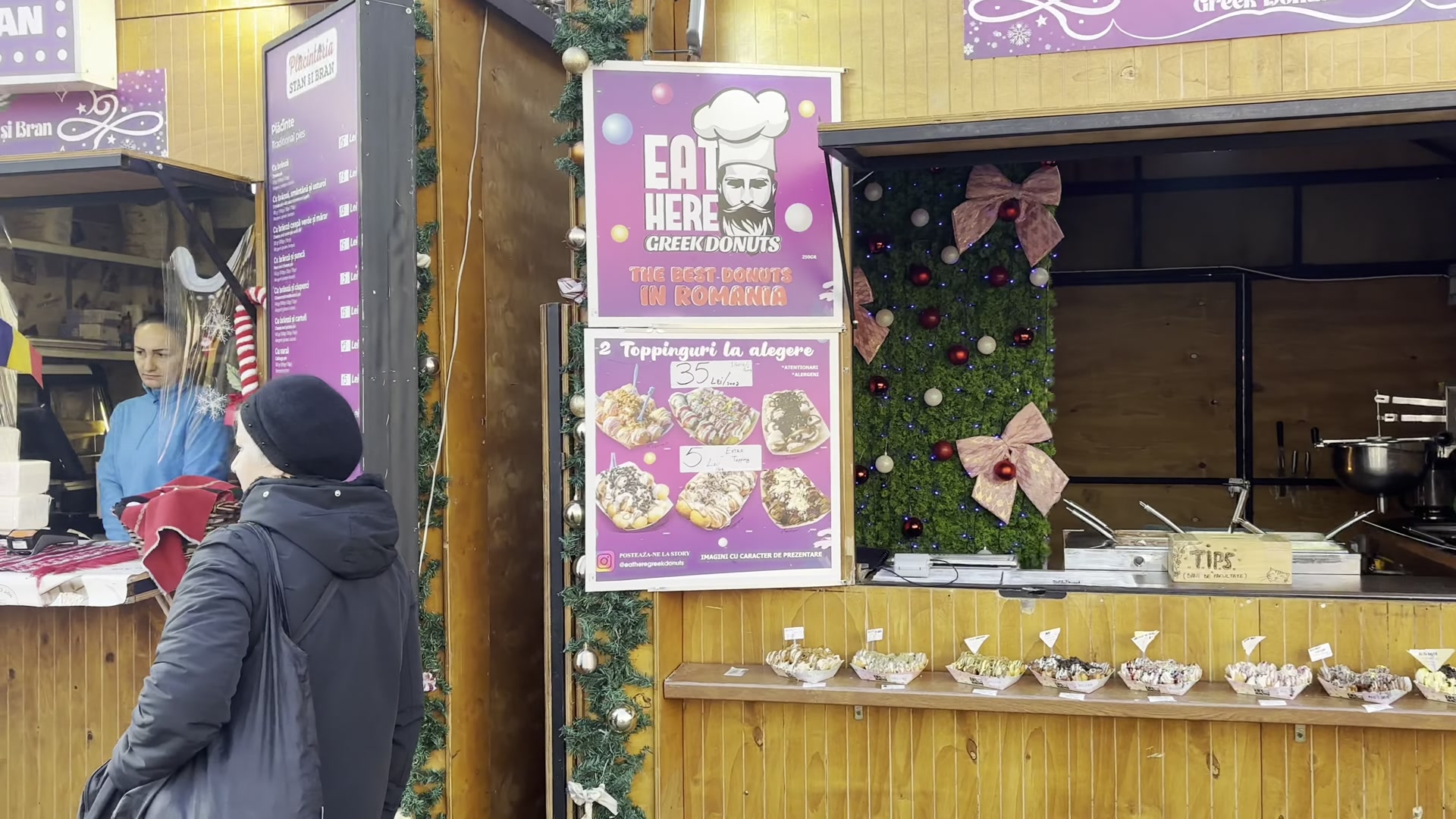
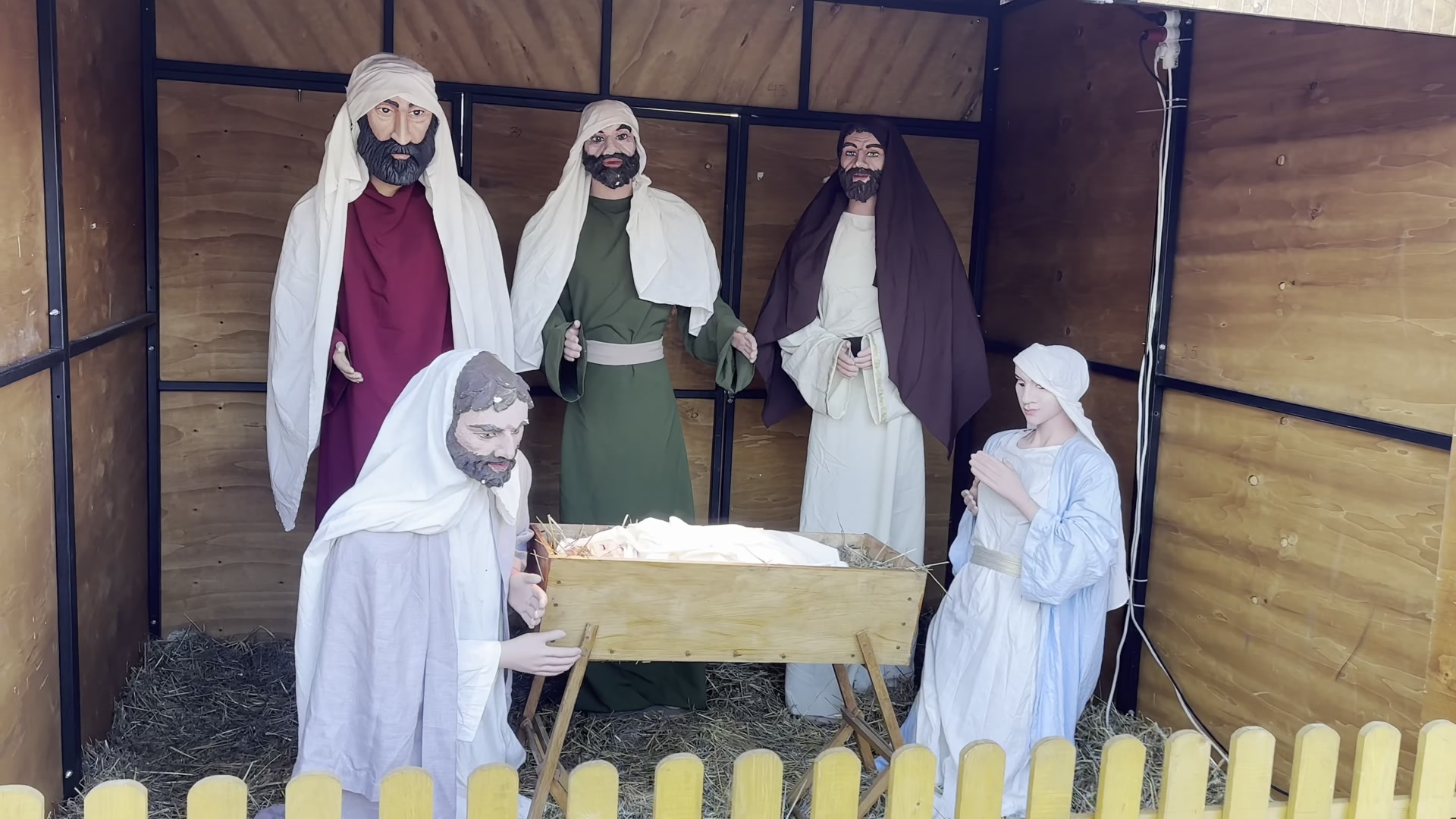
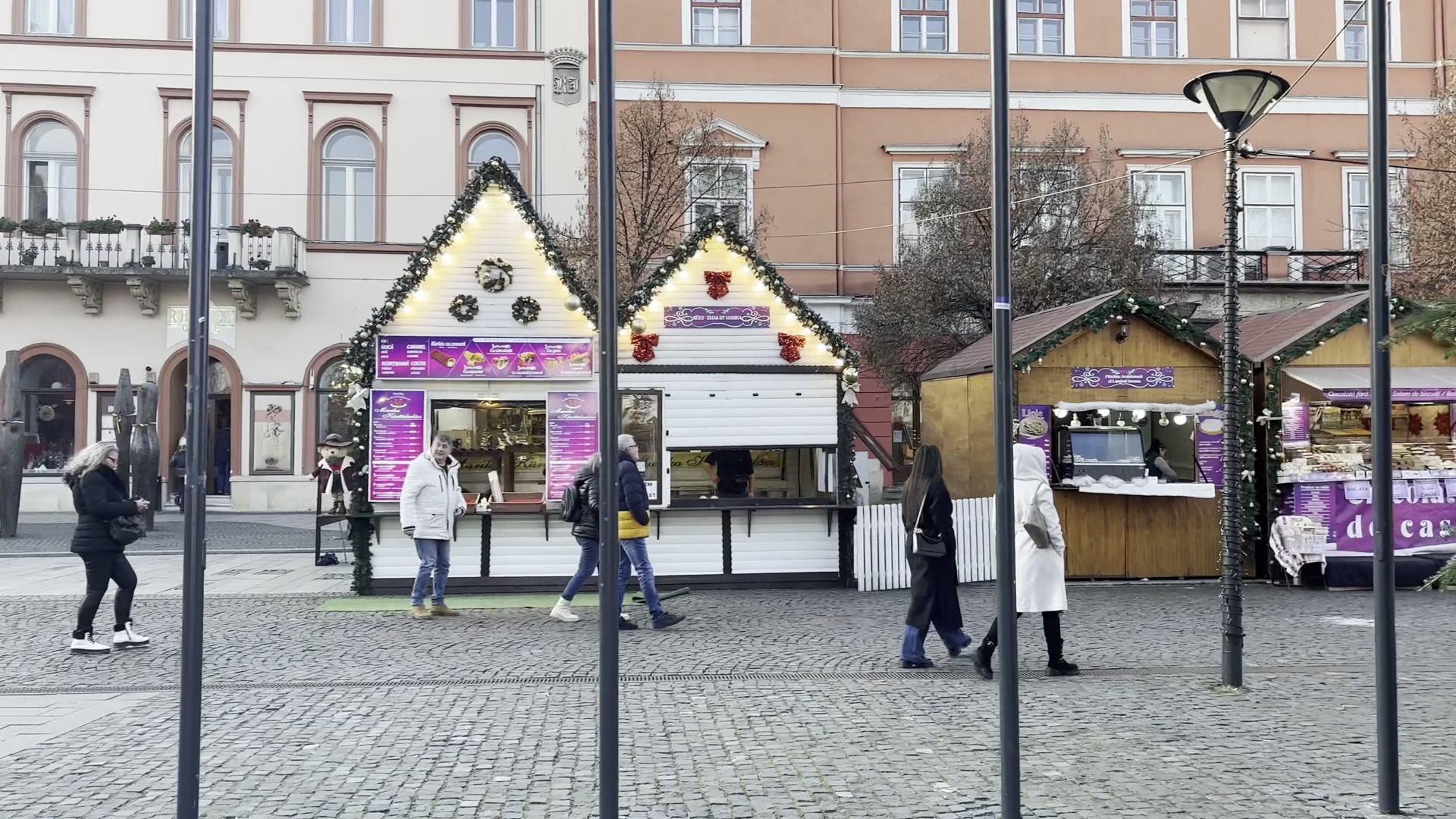
Then we arrived at a Christmas market. There were magnets and similar souvenirs, as well as various foods. For example, there was Hungarian food. I had tried these dishes before in Hungary and in Subotica, a city in Serbia near the Hungarian border. It was a very nice Christmas market. Food, souvenirs, everything was there. The New Year and Christmas atmosphere was really beautiful.
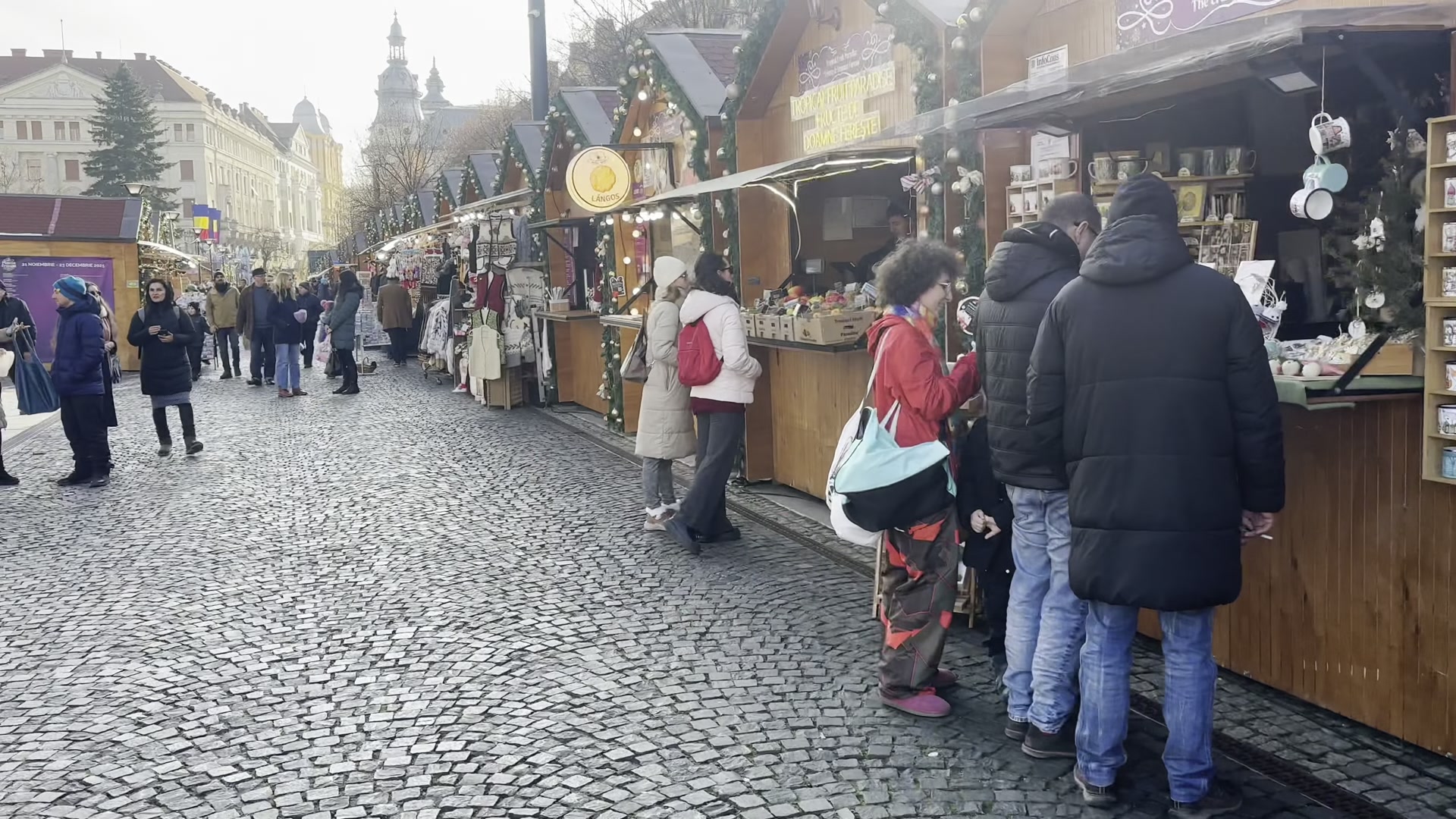
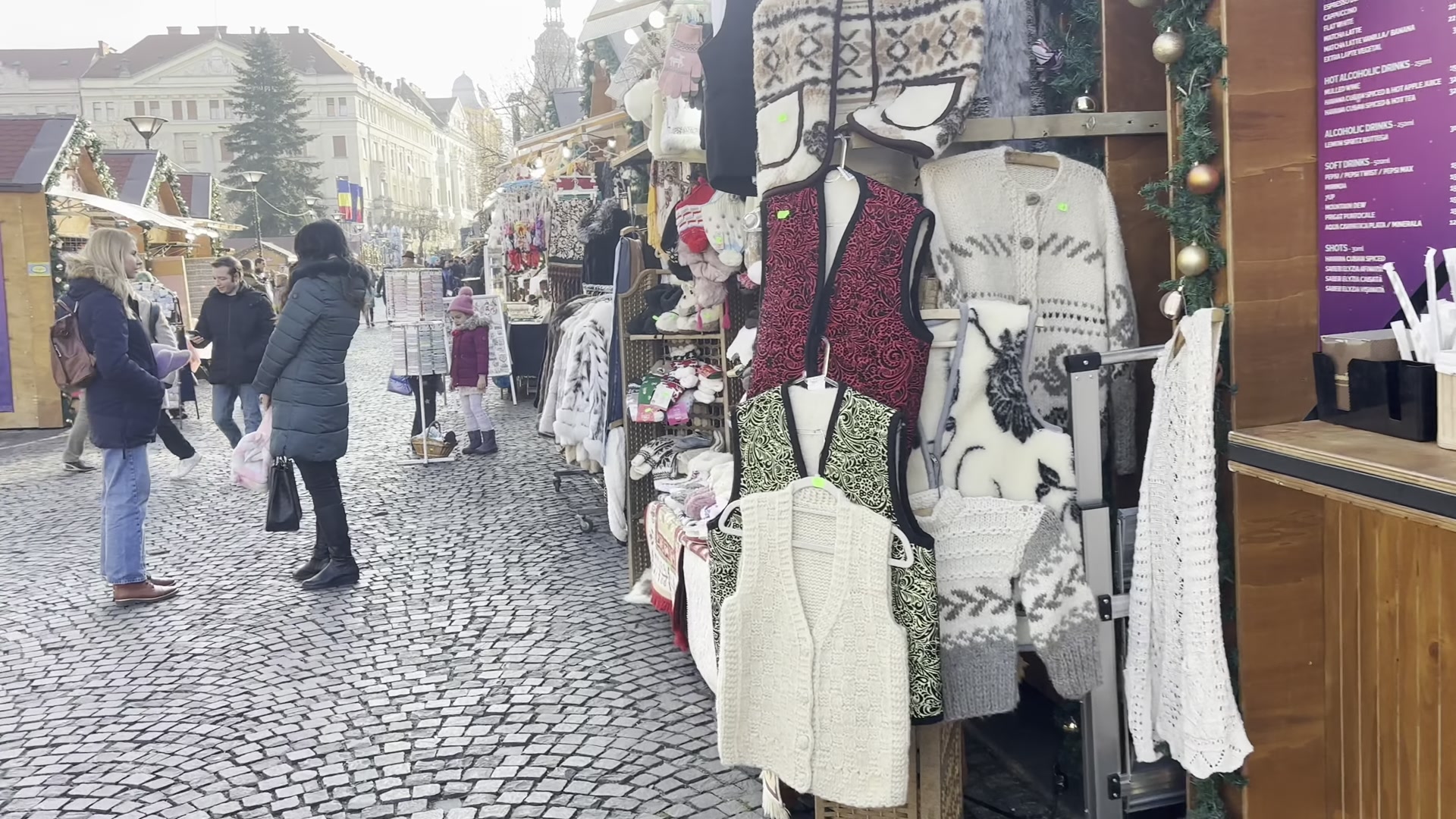
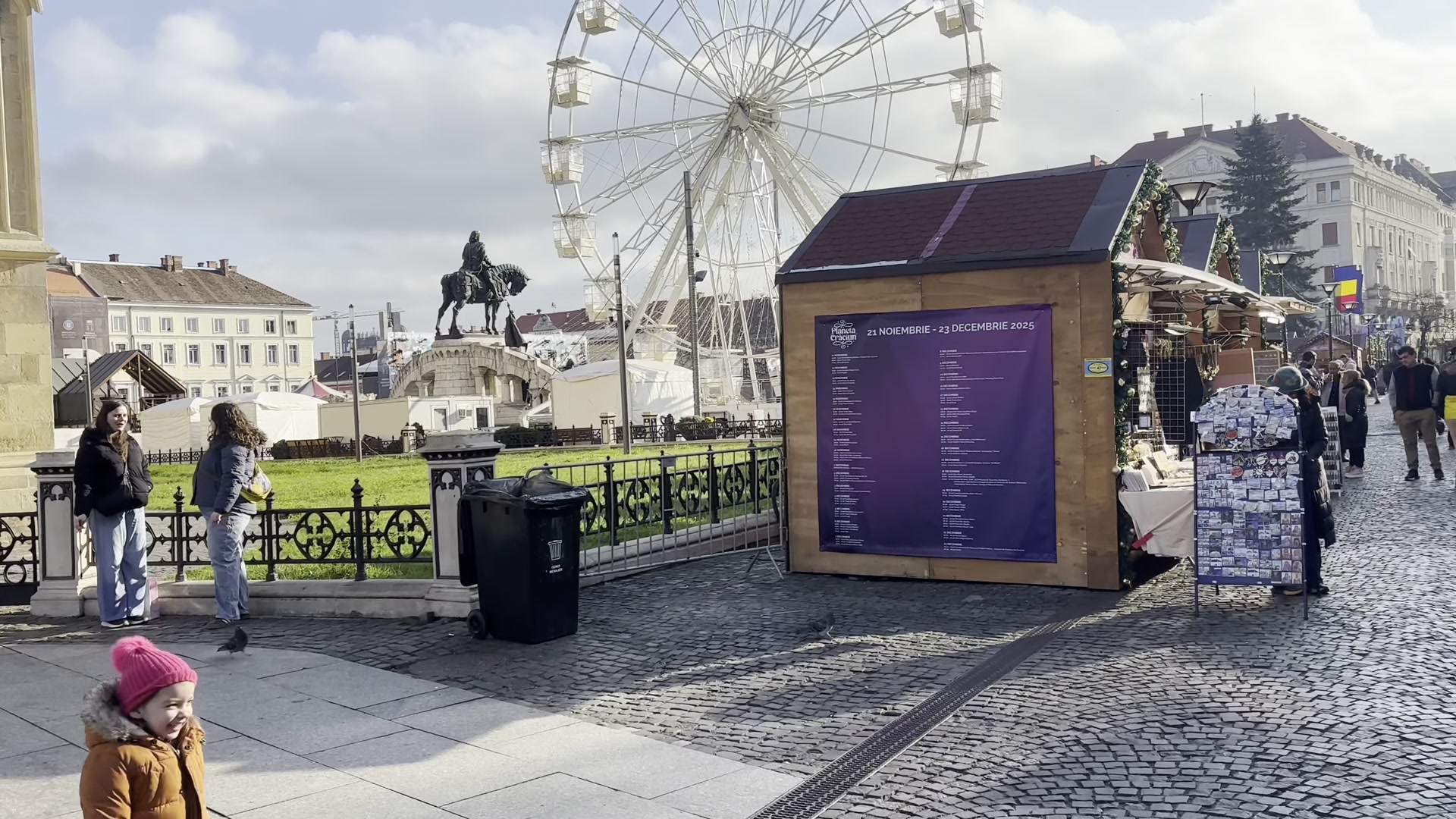
There were also chimney cake style pastries, which are very popular in Hungary. You can find similar treats across Eastern Europe. In the evenings, this place becomes even more beautiful. The Christmas stage and the decorated tree were here. The whole square turned into a full New Year and Christmas area with its stage and concerts. From early morning until late at night, there was a festive atmosphere.
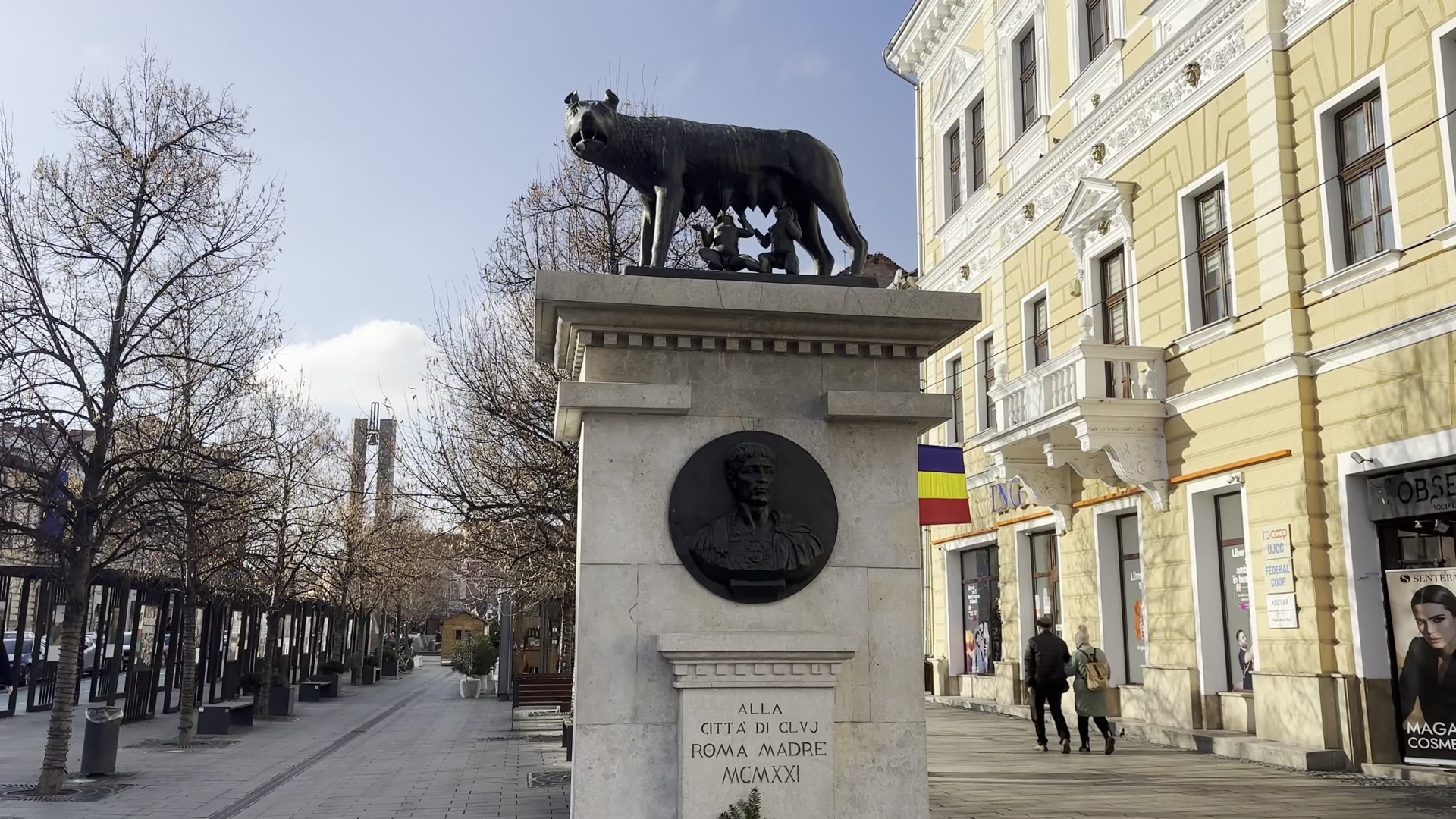
The temperature was 4 degrees, but honestly it felt warmer. I think it was more comfortable because there was no humidity. If someone told me it was 4 degrees, I would not have guessed it. Of course, a thick coat is still necessary. In the city center there is a statue of the she-wolf nursing Romulus and Remus, a symbol of Rome. Romanians see themselves as descendants of the Romans. Their language also belongs to the Latin language group, which is an important feature that sets it apart from Serbian or Hungarian.
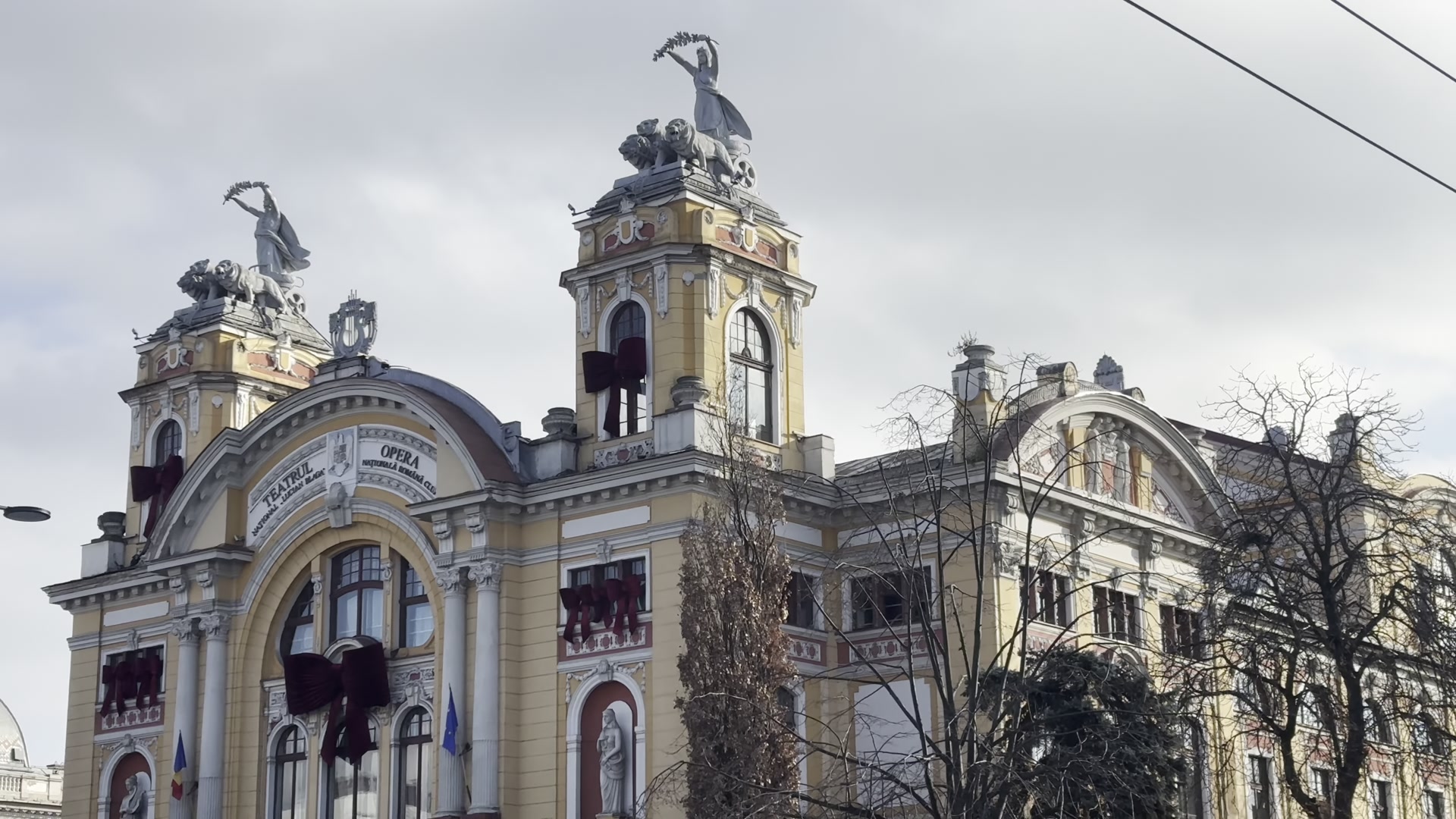
The opera and theater building in Cluj is also very beautiful. There was a small Christmas market there as well. We also saw the botanical garden and other historical sites. There is a lot to see. Even the buildings alone are worth the visit. With these words, I say goodbye. I wish you all the best. See you on new journeys.
Friends, feel free to join this contest and share your own travel stories:
Hello @elva8
Thank you for using Steem Atlas and pinning your post.
Here is the detailed information.
Your post has been displayed on the Steem Atlas map.
https://steematlas.com/@elva8/city-center-cluj-napoca
Thank you for setting the beneficiary from your post to @steem-atlas, it will help the project grow.
To learn more about Steem Atlas, follow the instructions below and follow the @steem-atlas account.
Best regards, Josh.
Thanks for the support. Really glad to be a part of Steem Atlas 😍
Thank you for posting this on Steem Atlas.
To help improve your posts on Steem Atlas, and increase your chances of winning in the Atlas Challenge, check out these 21 Tips.
Thank you for setting a beneficiary to @steem-atlas, it will help the project grow.
Thank you so much 🙏
Thank you 🙏
A city with impressive religious and historical buildings.
$upvote40%
I totally felt the same way. It has such a magical atmosphere. Thanks so much for sharing your thoughts 🙏