The Pillar of Democracy: Understanding the UK Electoral System
Elections in the United Kingdom are the cornerstone of its parliamentary democracy, providing a formal mechanism for citizens to influence the direction of the country. While the UK is currently in a "non-election" year for the central Parliament—following the 2024 General Election—the year 2026 is a pivotal one for local and devolved democracy, featuring significant structural reforms.
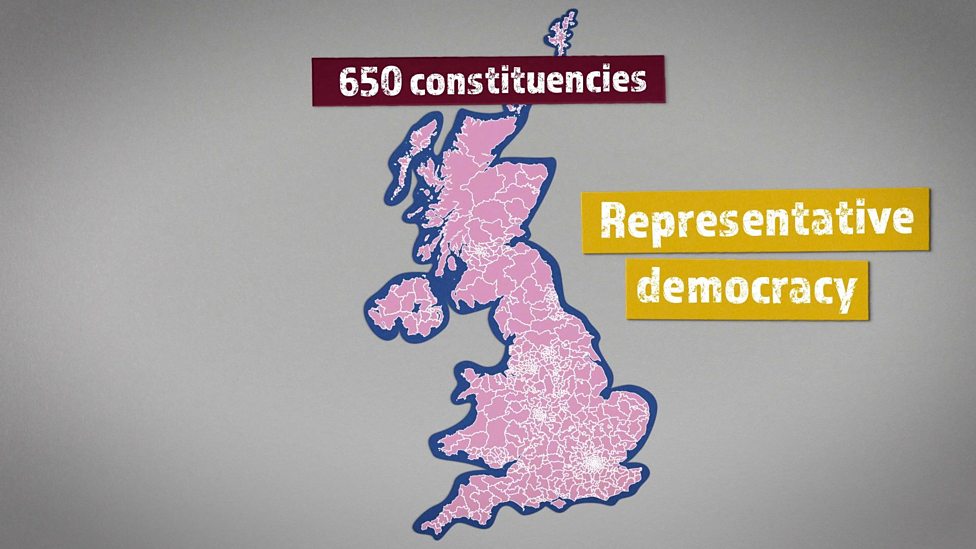
The Westminster Model: First-Past-The-Post
The UK is divided into 650 constituencies, each represented by a single Member of Parliament (MP). In a General Election, the UK uses the First-Past-The-Post (FPTP) system. This "winner-takes-all" method means the candidate with the most votes in a constituency wins the seat, regardless of whether they achieve an absolute majority. The party that secures a majority of these 650 seats is invited by the Monarch to form a government, with its leader becoming the Prime Minister.
The 2026 Devolved and Local Elections
On May 7, 2026, millions of voters across Scotland, Wales, and England will head to the polls for a massive set of "Super Thursday" elections.
- Scotland and Wales: Voters will elect members to the Scottish Parliament and the Senedd Cymru. Notably, 2026 marks the first time the Senedd will use a new "Closed List Proportional" system, increasing its members from 60 to 96.
- England: Over 130 local authorities will hold elections, alongside several high-profile mayoral contests.
Landmark Reforms in 2026
This year marks a historic shift in British voting rights with the introduction of the Representation of the People Bill 2026.
- Votes at 16: In a once-in-a-generation change, the voting age is being lowered to 16 for UK General Elections and local councils in England, aligning them with existing rules in Scotland and Wales.
- Voter ID: To maintain security, voters in England must present a valid photo ID at polling stations. However, the list of acceptable documents has expanded this year to include UK-issued bank cards.
Whether at a local or national level, the UK electoral process remains a highly regulated affair, overseen by the Electoral Commission to ensure fairness, transparency, and the protection of the democratic "voice" for all eligible citizens.