Blooming Grace: A Close‑Look at De Deutzia Flowers
If you’ve ever wandered through a garden and been drawn to a delicate cluster of white or pink blossoms that seem to whisper “spring is here,” you were probably standing before a De deutzia.
Belonging to the hydrangea family (Hydrangeaceae), these deciduous shrubs combine modest charm with surprising hardiness, making them a favorite among both seasoned horticulturists and weekend gardeners.
A Brief Botanical Backstory
De deutzia is named after the 19th‑century German botanist Georg Wilhelm de Deutz, whose contributions to plant taxonomy earned him this floral tribute.
Native to the temperate woodlands of East Asia—particularly China, Japan, and Korea—the genus comprises roughly 60 species. In the wild, they thrive on forest edges, riverbanks, and sunny clearings, where they receive a balance of dappled shade and generous moisture.
What Makes De deutzia Stand Out?
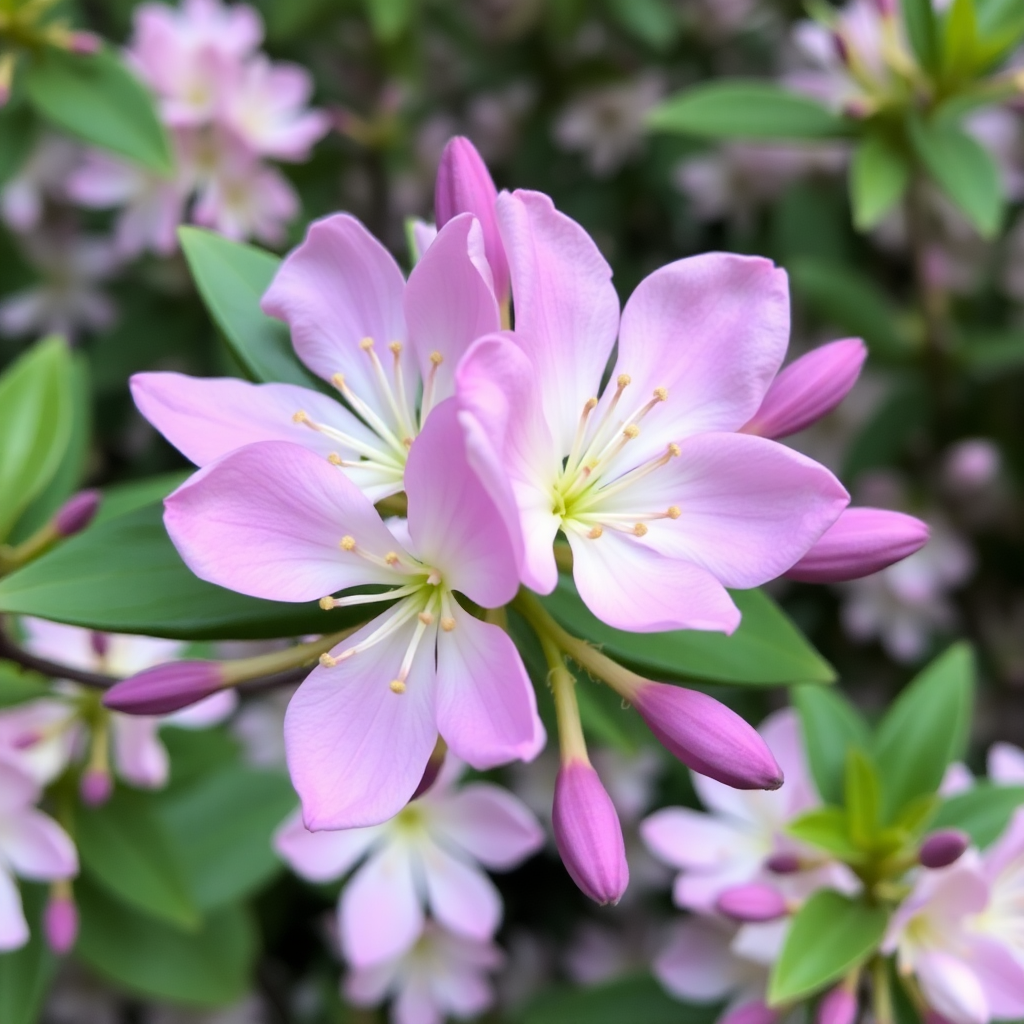
Showy, Long‑Lived Blooms: Most varieties produce panicles of small, cup‑shaped flowers that can stretch up to 12 inches long. While the classic white and pink shades dominate, cultivars such as ‘Pink Delight’ or ‘Snowflake’ showcase deeper magentas or pure ivory, adding visual intrigue to any planting scheme.
Extended Flowering Season: Unlike many spring‑only shrubs, De deutzia often continues to flower into early summer, and with proper pruning, a second flush can be coaxed in late summer.
Low Maintenance: These shrubs tolerate a wide pH range, adapt to both full sun and partial shade, and are relatively pest‑free. Their deep-rooted nature also confers drought resistance once established.
Planting & Care Tips
Location, Location, Location – Aim for a spot that receives at least six hours of sunlight daily. In hotter climates, a few hours of afternoon shade will protect the buds from scorching.
Soil Prep – Well‑draining, loamy soil enriched with compost works best. If your garden is heavy clay, incorporate coarse sand or perlite to improve aeration.
Water Wisely – Keep the soil consistently moist during the first growing season; after that, water weekly during dry spells. Over‑watering can lead to root rot, especially in poorly drained sites.
Pruning for Perfection – In early spring (before bud break), prune back one‑third of the previous year’s growth. This encourages vigorous new shoots and maximizes flower production. Remove any dead or crossing branches to maintain an open, airy shape.
Design Ideas for the Modern Garden
Mixed Borders: Pair De deutzia with low‑growing perennials such as hostas or astilbes. The contrast between the shrub’s airy blooms and the foliage’s texture creates a layered, garden‑room feel.
Container Gardening: Dwarf cultivars like ‘Blaine’s Purple’ fit beautifully in large pots on patios, delivering a burst of color without a permanent footprint.
Seasonal Staging: Combine early‑blooming lilacs with De deutzia for a sequential color display—first lilac, then De deutzia’s cascade of white or pink, followed by summer roses.
A Closing Thought
De deutzia may not boast the flashiness of a peony or the drama of a rhododendron, but its understated elegance and reliable performance make it a silent workhorse of the garden. Whether you’re crafting a formal hedge, a cottage‑style border, or a modest balcony oasis, a few well‑placed De deutzia shrubs can transform the space into a graceful, ever‑blooming retreat.
Ready to give De deutzia a spot in your garden? Share your planting experiences in the comments below and let’s keep the conversation blooming!