Matthiola – The Fragrant “Evening Star” of the Garden
When you think of a garden that dazzles both the eye and the nose, the Matthiola (commonly known as stock) is hard to beat. With its delicate, ruffled petals and a scent that seems to materialize at dusk, this annual is a modest powerhouse that can transform a modest border into a fragrant showcase.
Let’s dig into what makes Matthiola a garden favorite, how to grow it successfully, and why it keeps blooming in the hearts of gardeners worldwide.
A Quick Portrait
Matthiola belongs to the Brassicaceae (mustard) family, sharing lineage with cabbages and kale. The genus name honors Italian botanist Pietro di Matthioli, while the species epithet officinalis hints at its historic medicinal uses.
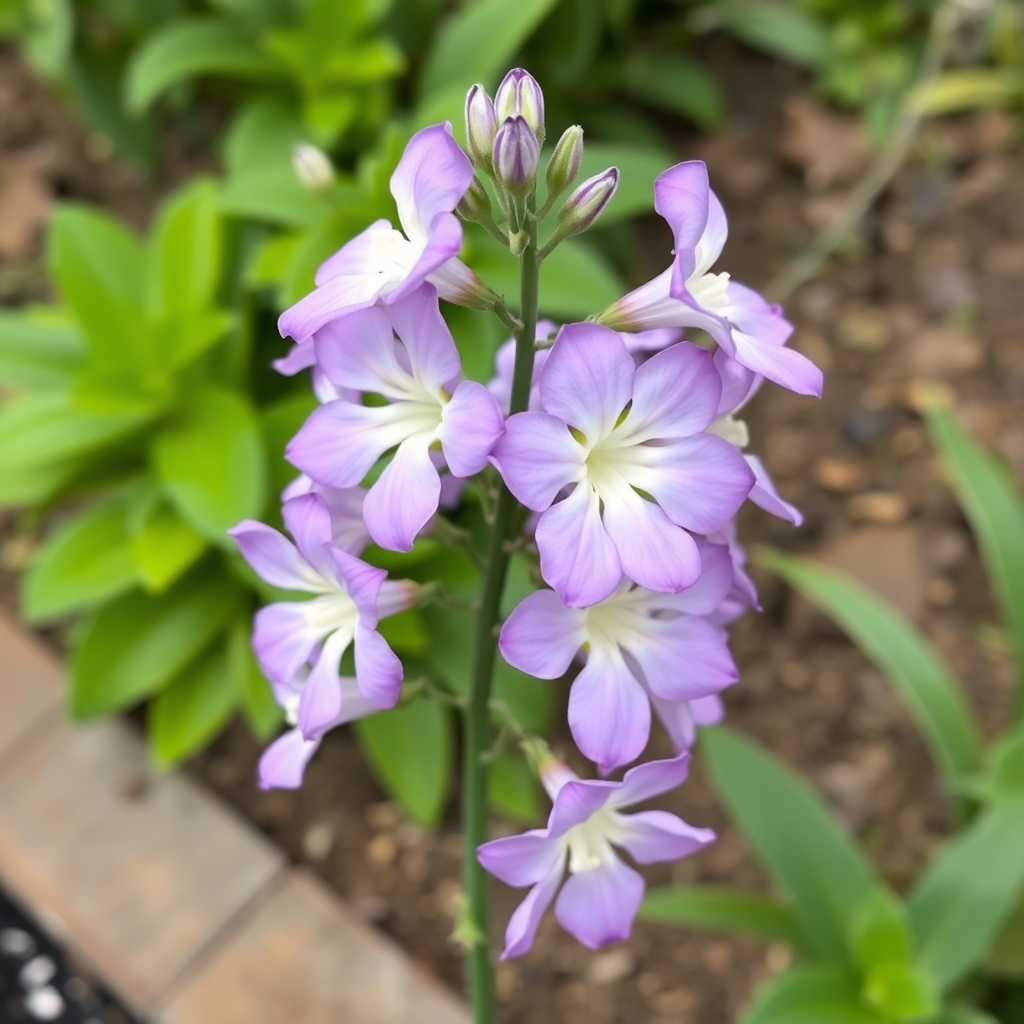
The plant typically reaches 12‑24 inches in height, though dwarf varieties stay under a foot. Blooms appear in a rainbow of hues—pure whites, pastel pinks, deep purples, and even bicolors—each flower shaped like a tiny, frilled cup.
What truly sets Matthiola apart is its scent. While many garden flowers release fragrance in the daylight, stock often saves its perfume for the evening, earning the nickname “evening star.” The aroma ranges from sweet honey and clove to a subtle, peppery spice, making it a prized addition to scented beds, patio containers, and wedding bouquets.
Growing Basics
Sunlight & Soil – Matthiola thrives in full sun (at least six hours daily) but tolerates light shade, especially in hot climates. Well‑draining, loamy soil enriched with organic matter is ideal. A pH of 6.0‑7.0 promotes vigorous growth.
Sowing & Planting – Start seeds indoors 6‑8 weeks before the last frost, sowing them ¼ inch deep. Transplant seedlings when they have two true leaves and the threat of frost has passed. For a continuous display, sow a small batch every two weeks through early summer.
Water & Feeding – Keep the soil consistently moist but avoid waterlogging; matthiola’s roots dislike soggy conditions. A balanced, slow‑release fertilizer applied at planting and again when flowering begins will keep the blooms prolific.
Deadheading – Regularly snip spent flowers to encourage a second flush. In cooler regions, the plant can rebloom into early fall if deadheading is diligent.
Beyond the Bed: Uses & Symbolism
Cut Flowers – Thanks to their sturdy stems and lingering fragrance, matthiola stems last up to a week in a vase. They pair beautifully with roses, lilies, and lavender for garden-inspired arrangements.
Culinary Flair – Though not a common kitchen herb, very young leaves can be added sparingly to salads for a mild, peppery note.
Symbolic Meaning – In the language of flowers, stock represents “lasting beauty” and “good wishes.” It’s a thoughtful gift for anniversaries, housewarmings, or any moment you want to convey enduring affection.
Pro Tips for a Show‑Stopping Display
Mix Textures: Plant matthiola alongside foliage plants like dusty miller or ornamental grasses. The contrast of stock’s fine leaves against broader textures amplifies visual impact.
Evening Garden Parties: Position containers near patio seating; the fragrance will blossom as the sun sets, creating an intoxicating ambiance.
Companion Planting: Pair with night‑blooming asters or sweet alyssum to extend the seasonal scent bouquet.
Final Thought
Whether you’re a seasoned horticulturist or a novice looking for an easy‑care, aromatic addition, Matthiola delivers a blend of color, fragrance, and history that feels both timeless and fresh. Plant a few rows, tend to them with love, and let the evening star of your garden whisper its sweet perfume as the day winds down. Your senses—and anyone who wanders by—will thank you.
Thank you for sharing on steem! I'm witness fuli, and I've given you a free upvote. If you'd like to support me, please consider voting at https://steemitwallet.com/~witnesses 🌟