Larkspur: The Graceful Spike That Brightens Every Garden
When you first glimpse a garden bursting with color, it’s often the bold, towering blooms that catch your eye. Yet, nestled among the show‑stoppers, the delicate elegance of larkspur (Delphinium spp.) quietly commands attention.
With its striking vertical spikes, fragrant foliage, and a palette that spans from soft pastels to deep indigos, larkspur is a versatile favorite for both seasoned horticulturists and novice gardeners alike.
In this post we’ll explore the history, growing basics, and symbolic meaning of this enchanting flower—so you can confidently add its graceful charm to your own outdoor space.
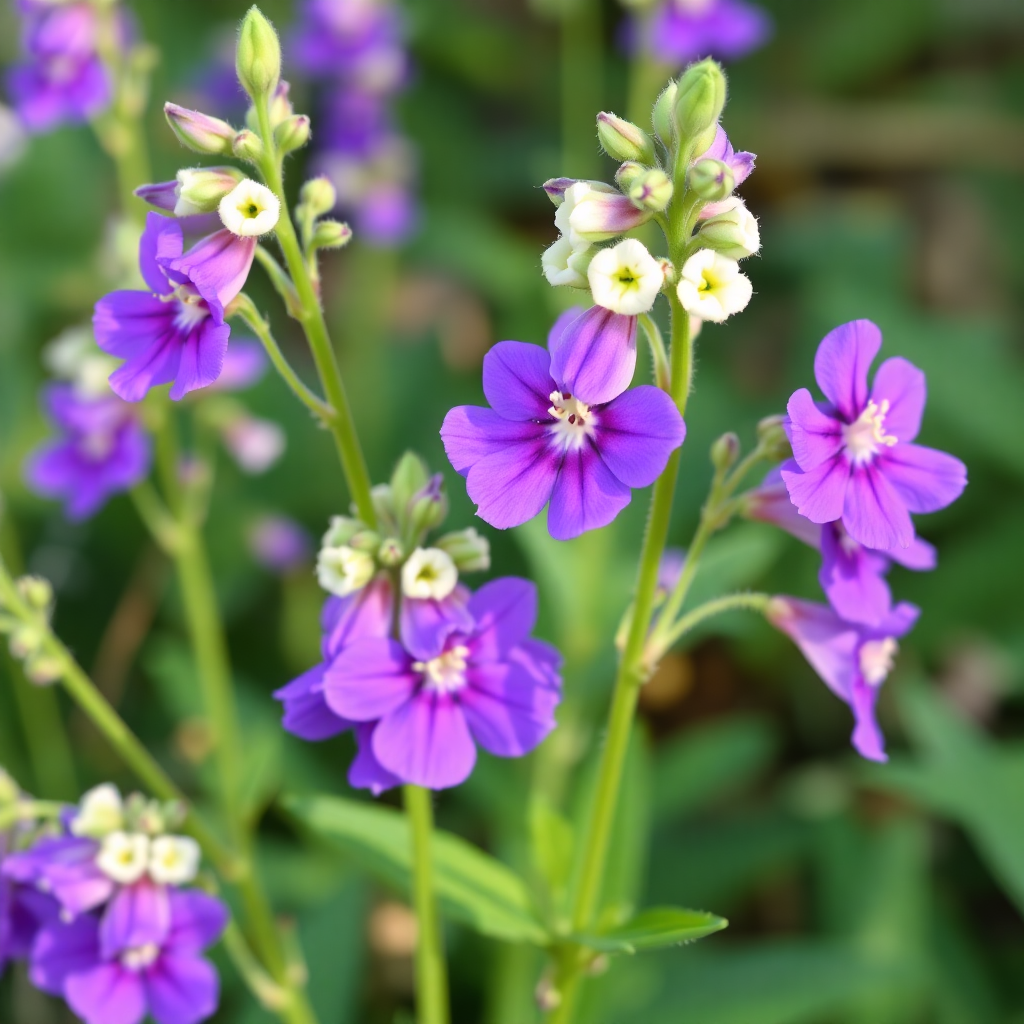
A Brief History and Botanical Snapshot
Larkspur derives its name from the Old English “lark,” referring to the bird, and “spur,” hinting at the flower’s spiky shape. Native to temperate regions of the Northern Hemisphere, the genus Delphinium includes over 300 species, ranging from low‑lying perennials to towering biennials.
Historically, larkspurs were prized in European cottage gardens during the 18th and 19th centuries, and their vivid blue hues even inspired the name of the “blue” pigment used by painters of the era. Today, hybrid cultivars have expanded the color range to include pink, lavender, white, and even striking bi‑colours.
Growing Larkspur: Tips for a Thriving Spike
Sunlight & Soil – Larkspurs love full sun (at least six hours daily) but can tolerate light shade in hotter climates. Plant them in well‑draining, slightly alkaline soil enriched with organic compost.
Planting Depth – Sow seeds about ¼‑½ inch deep in early spring, once the soil temperature reaches 45°F (7°C). For faster results, pre‑soak seeds for 24 hours before sowing.
Watering – Keep the soil consistently moist during germination; once established, a deep watering once a week suffices. Avoid waterlogged conditions, as larkspur’s roots are prone to rot.
Support – Tall varieties often exceed three feet and may need staking to keep their spikes upright against wind or rain. Bamboo stakes or garden trellises work well.
Deadheading & Renewal – Remove faded stems to encourage a second bloom wave, and cut back the entire plant in late fall to promote healthier growth the following year.
Symbolism & Uses in Design
Beyond its visual appeal, larkspur carries rich symbolism. In the Victorian language of flowers, it represents “positive thoughts” and “strong bonds,” making it a thoughtful addition to wedding bouquets or anniversary arrangements. Landscape designers love its vertical form for adding height contrast in mixed borders, cottage gardens, and cutting gardens.
The long, sturdy stems also make larkspur an excellent filler in floral arrangements, where they bring depth without overwhelming softer blooms.
Common Challenges—and How to Overcome Them
Pests such as aphids and slugs occasionally target young seedlings, but a simple spray of neem oil or a barrier of crushed eggshells usually resolves the issue. The most frequent problem for gardeners, however, is premature wilting caused by excessive heat. In regions with scorching summers, plant larkspur in a partially shaded spot or provide afternoon mulch to keep the root zone cool.
Final Thoughts
Whether you’re aiming to create a dramatic backdrop of towering blues or seeking a subtle splash of pastel elegance, larkspur offers a blend of beauty, resilience, and meaning that few garden plants can match.
With the right soil, sunlight, and a little seasonal care, these graceful spikes will reward you with a spectacular display year after year—turning any garden into a canvas of positive thoughts and enduring charm. Happy planting!