Celebrating Patient Safety Week Through a Poster on Patient Safety and Infection Prevention
Greetings of the day,
This is @alfazmalek from #India,
Patient safety is one of the most important parts of healthcare because every activity inside a hospital is ultimately connected with the safety and well-being of the patient. As healthcare professionals, we are responsible not only for providing treatment but also for making sure that the care environment remains safe, clean and well organised.
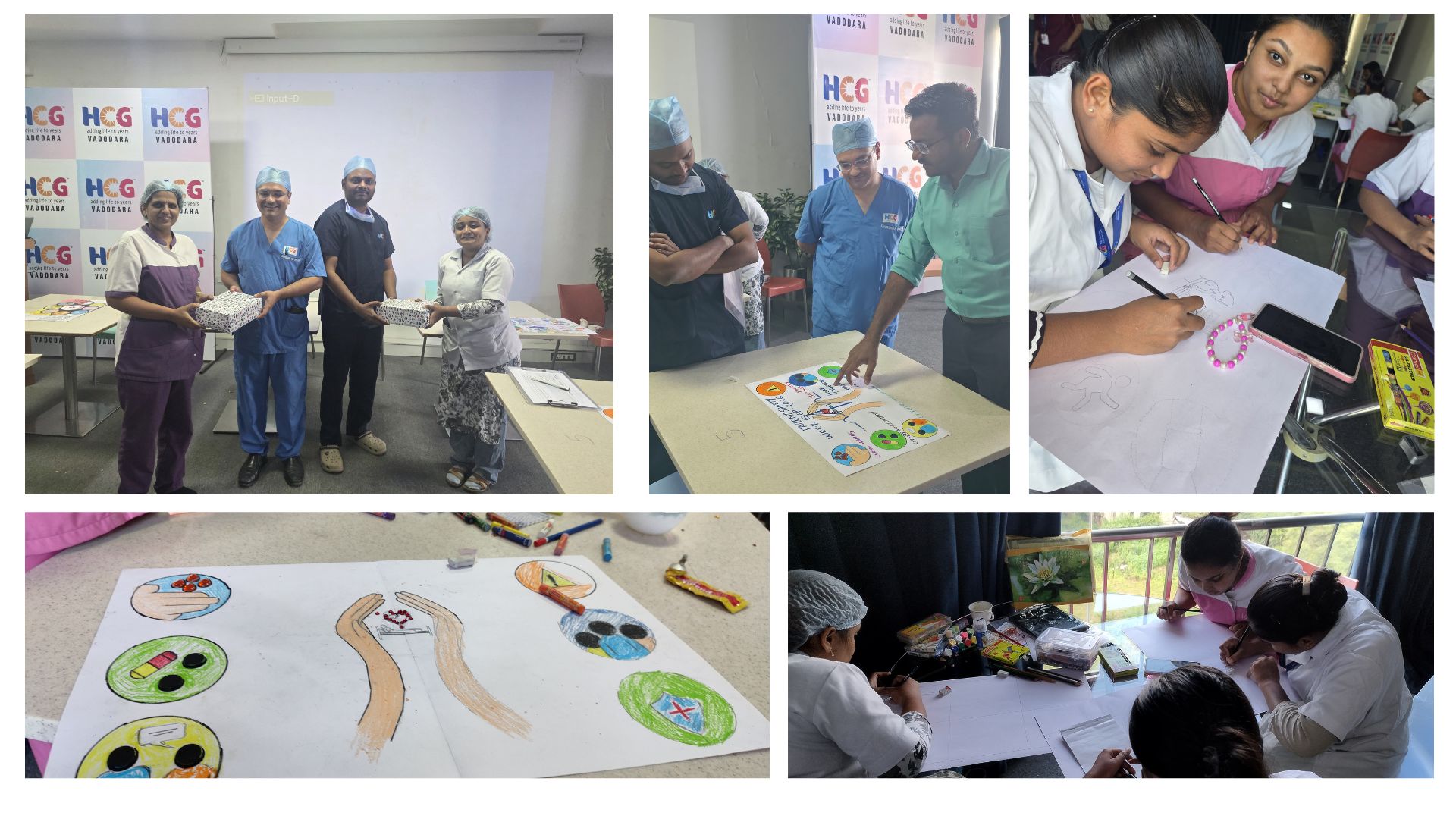
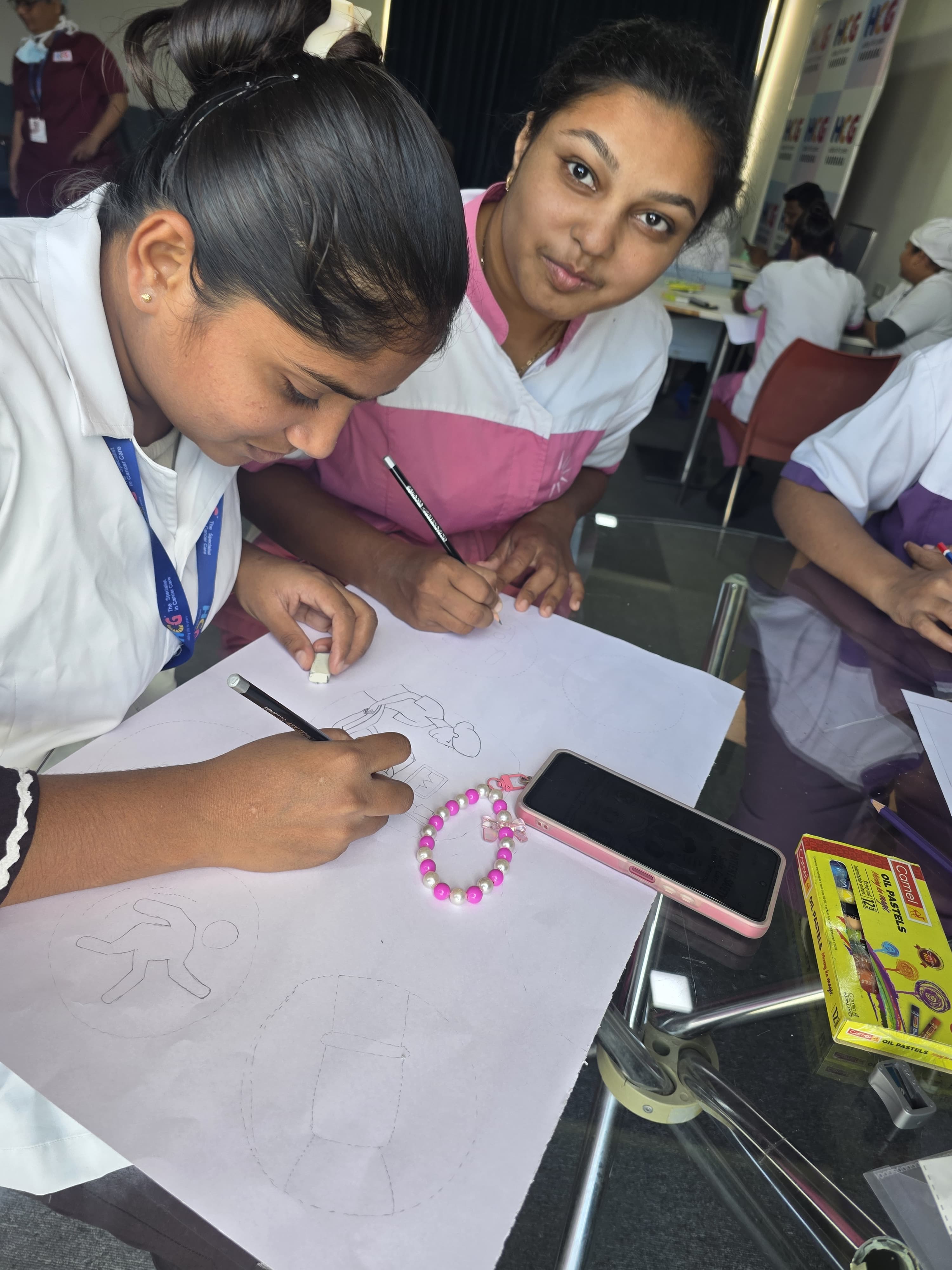
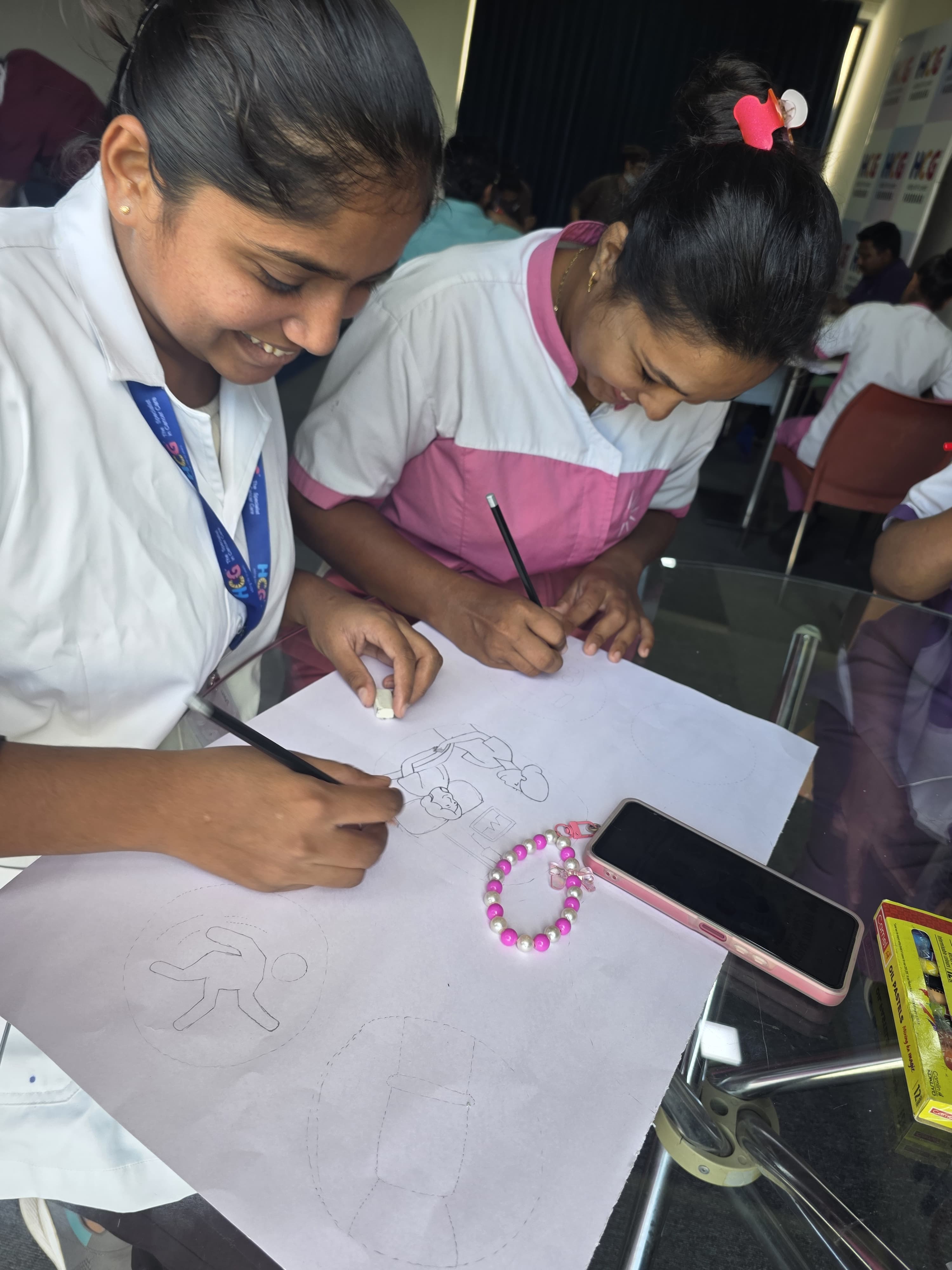
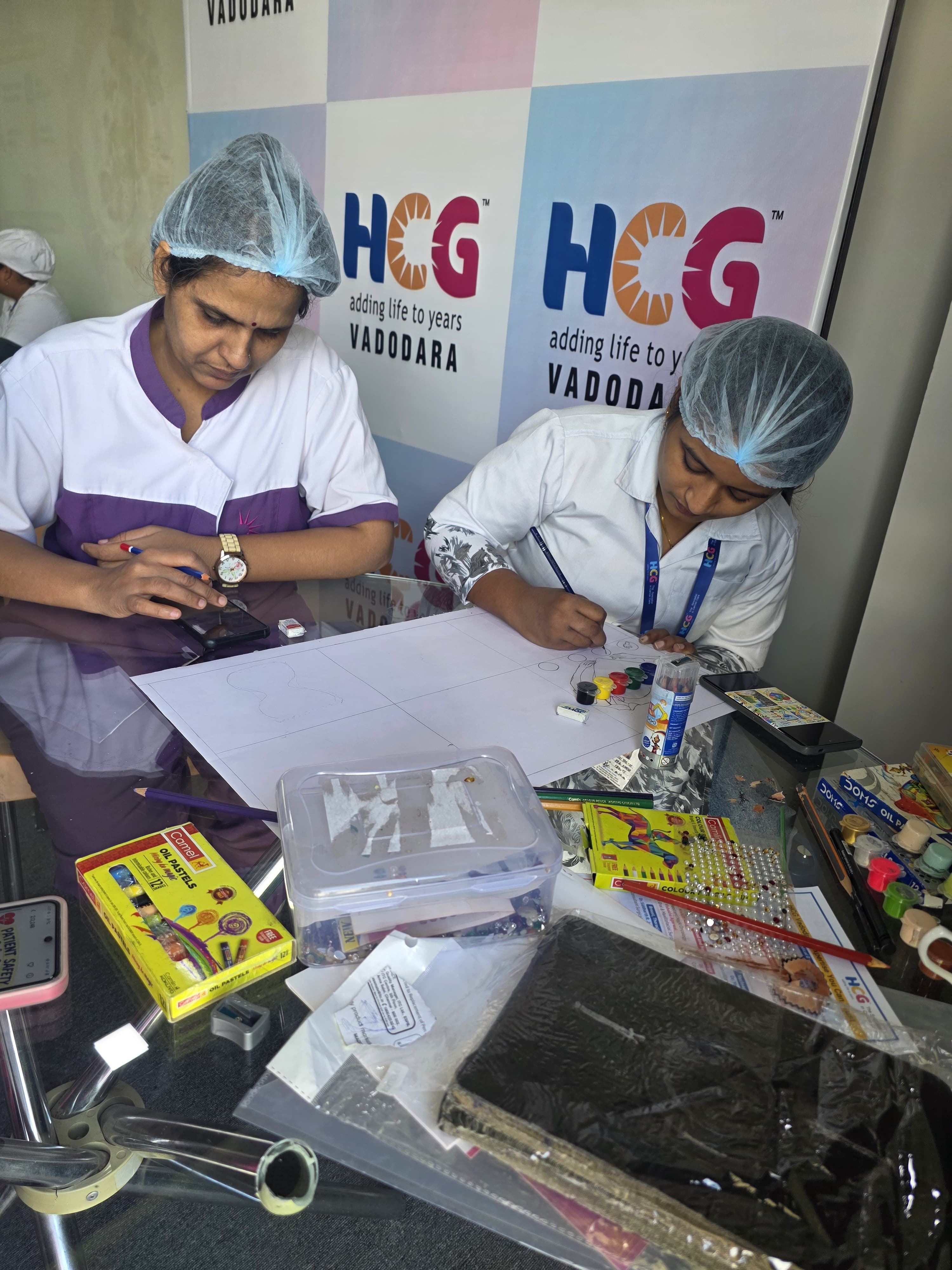
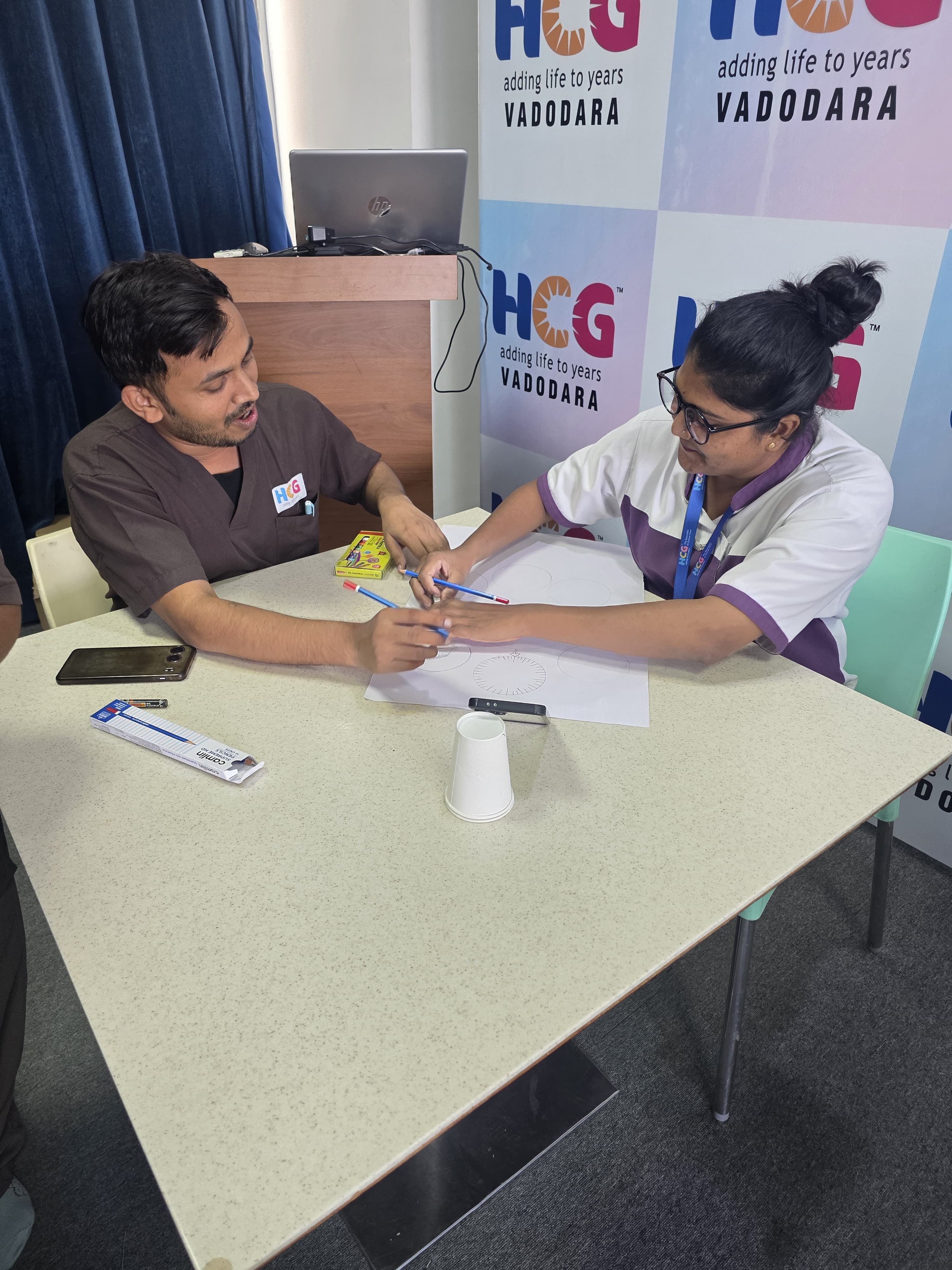
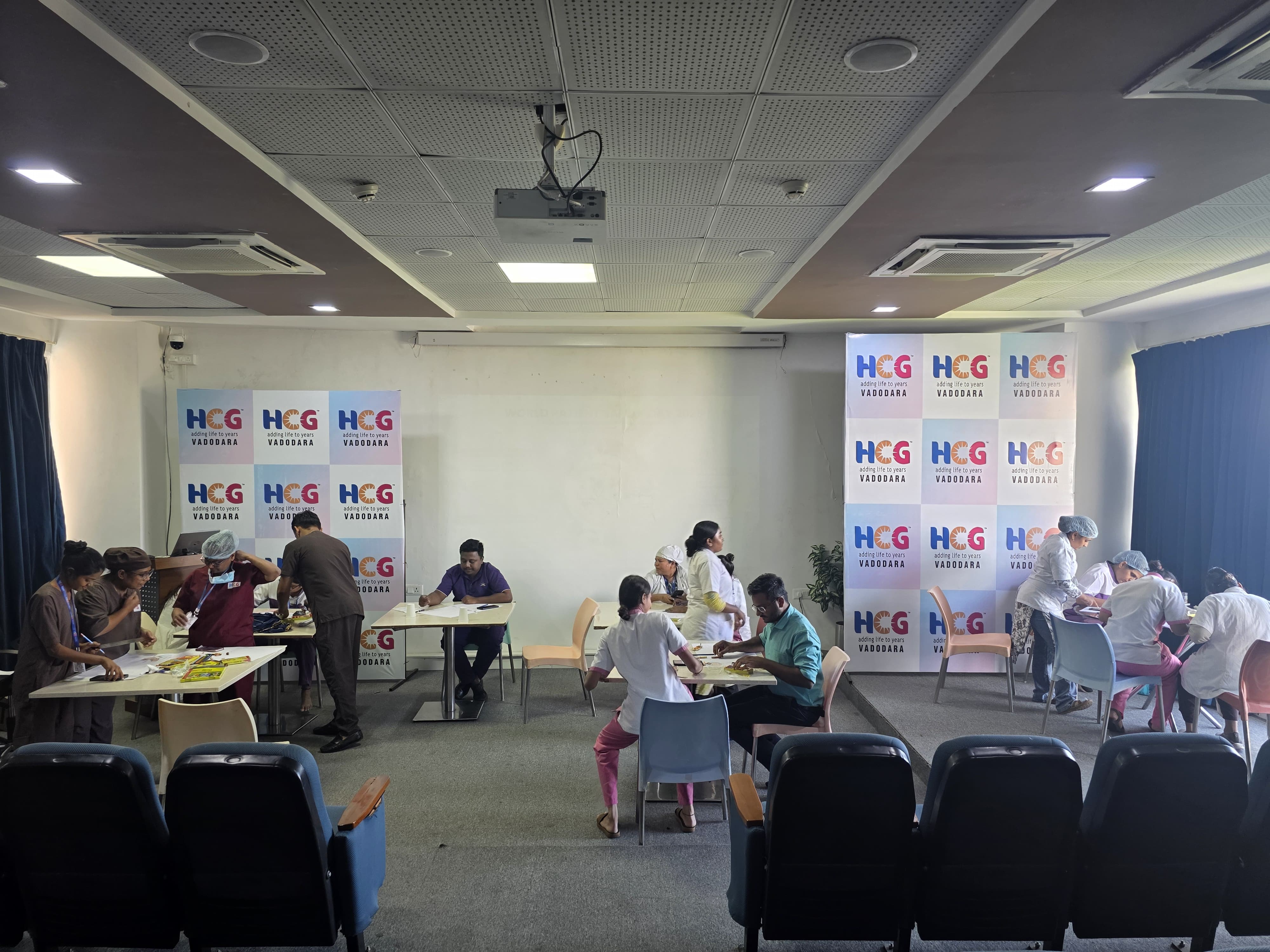
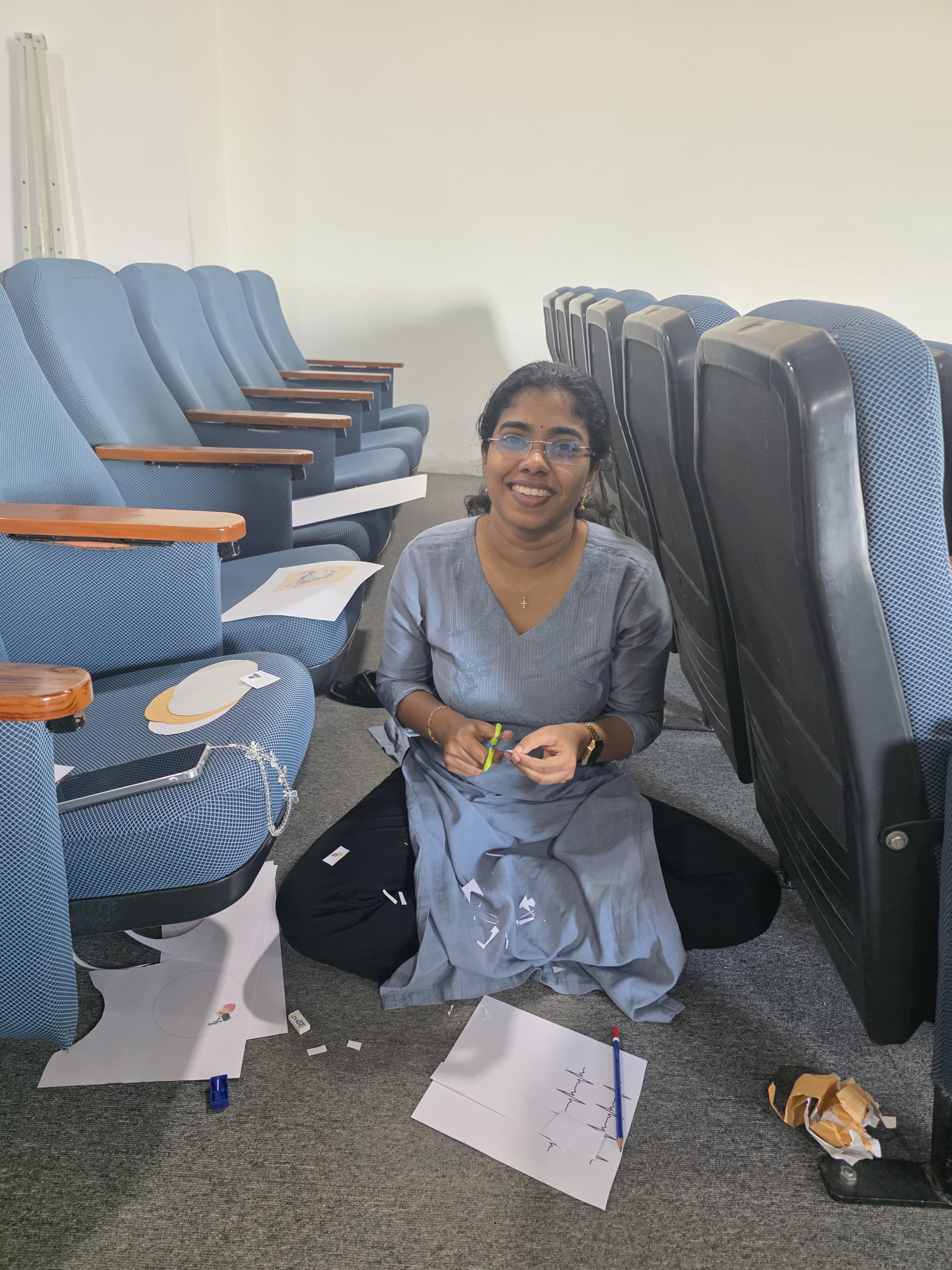
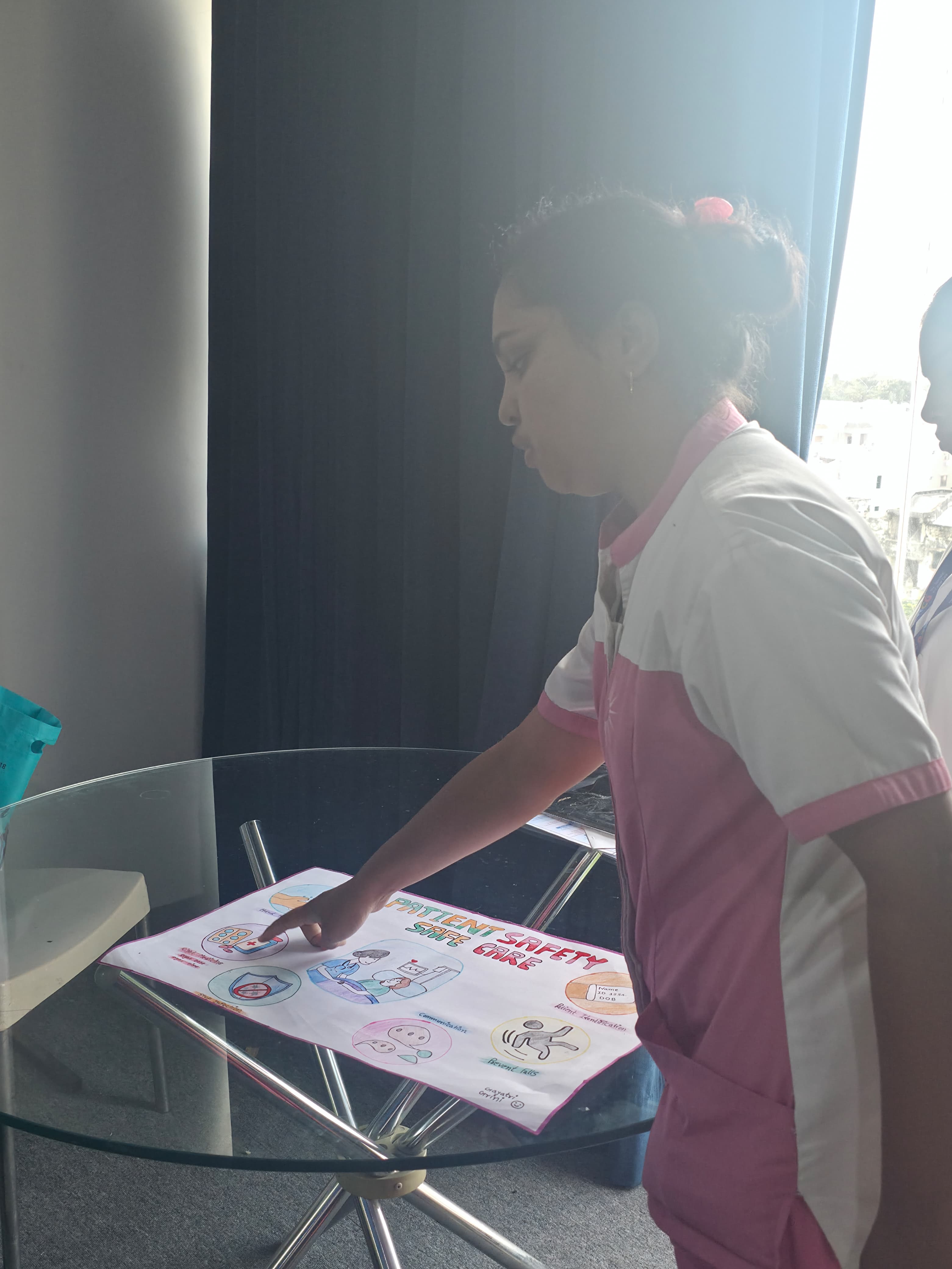
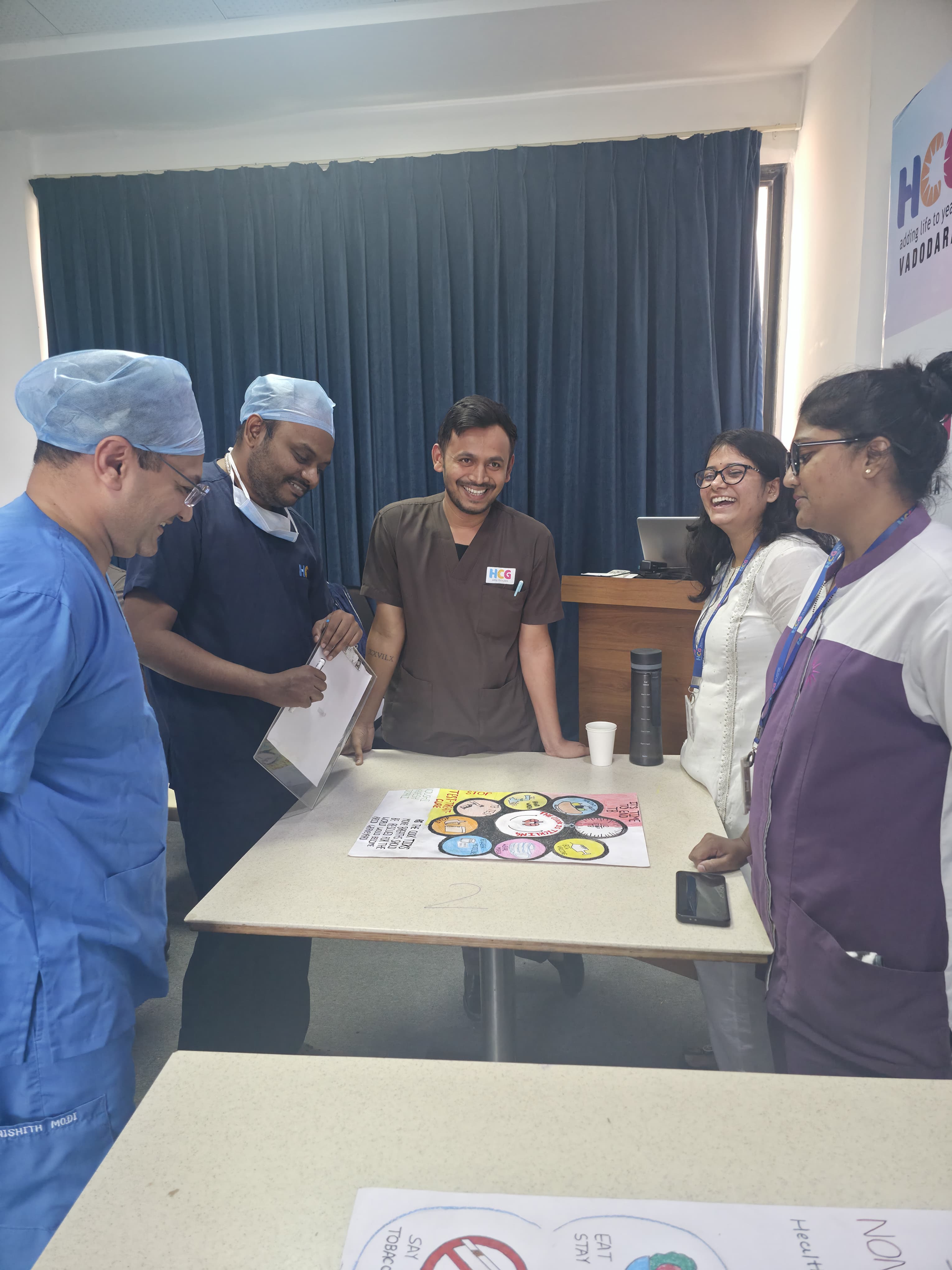
Recently, at our hospital, we celebrated Patient Safety Week with different activities focused on creating awareness among healthcare staff and encouraging everyone to think about how small actions can make a big difference in patient care. I was also happy to be a part of this celebration, and this time I participated in a poster competition where I prepared a poster especially focusing on patient safety and infection prevention.
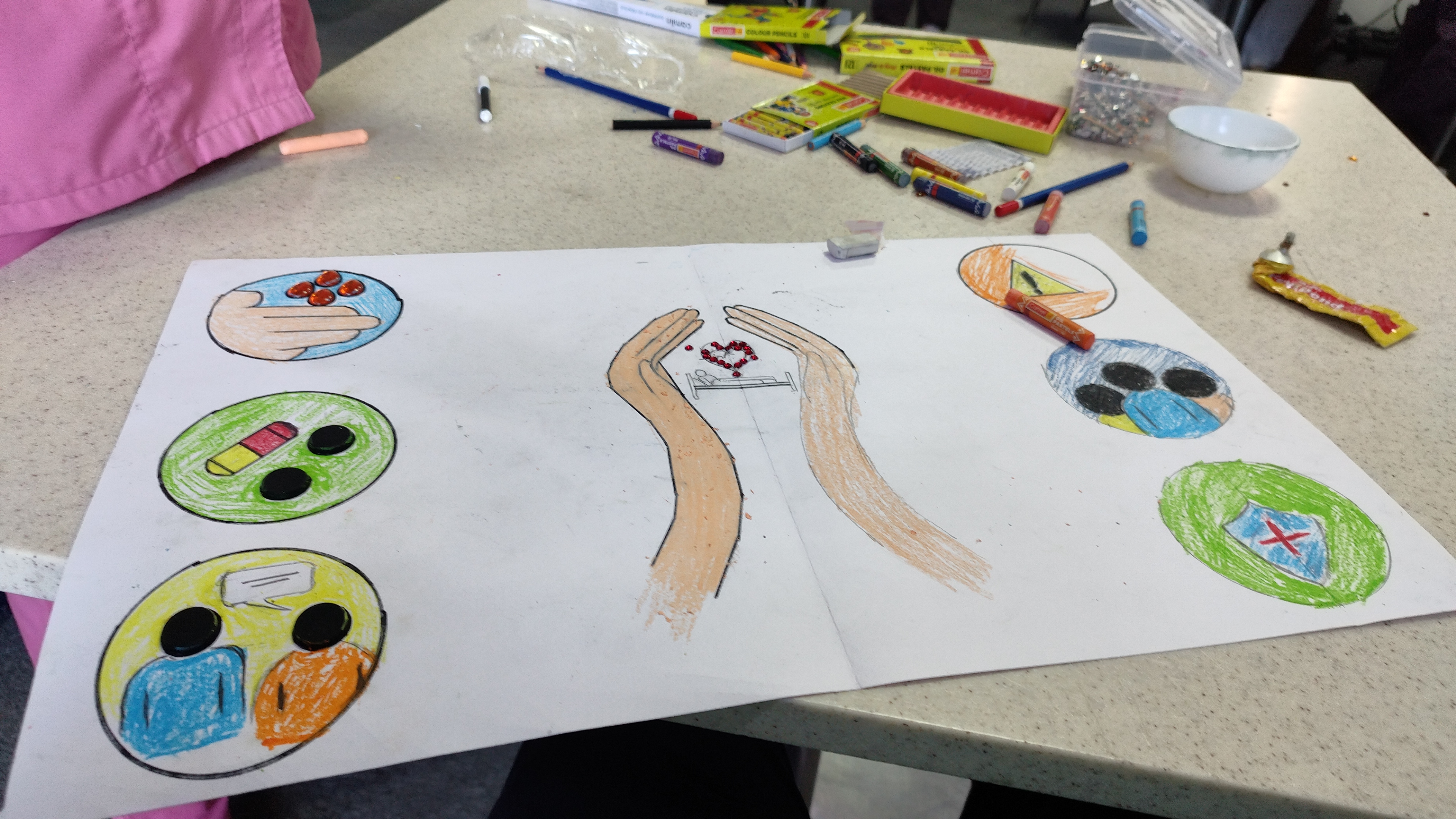
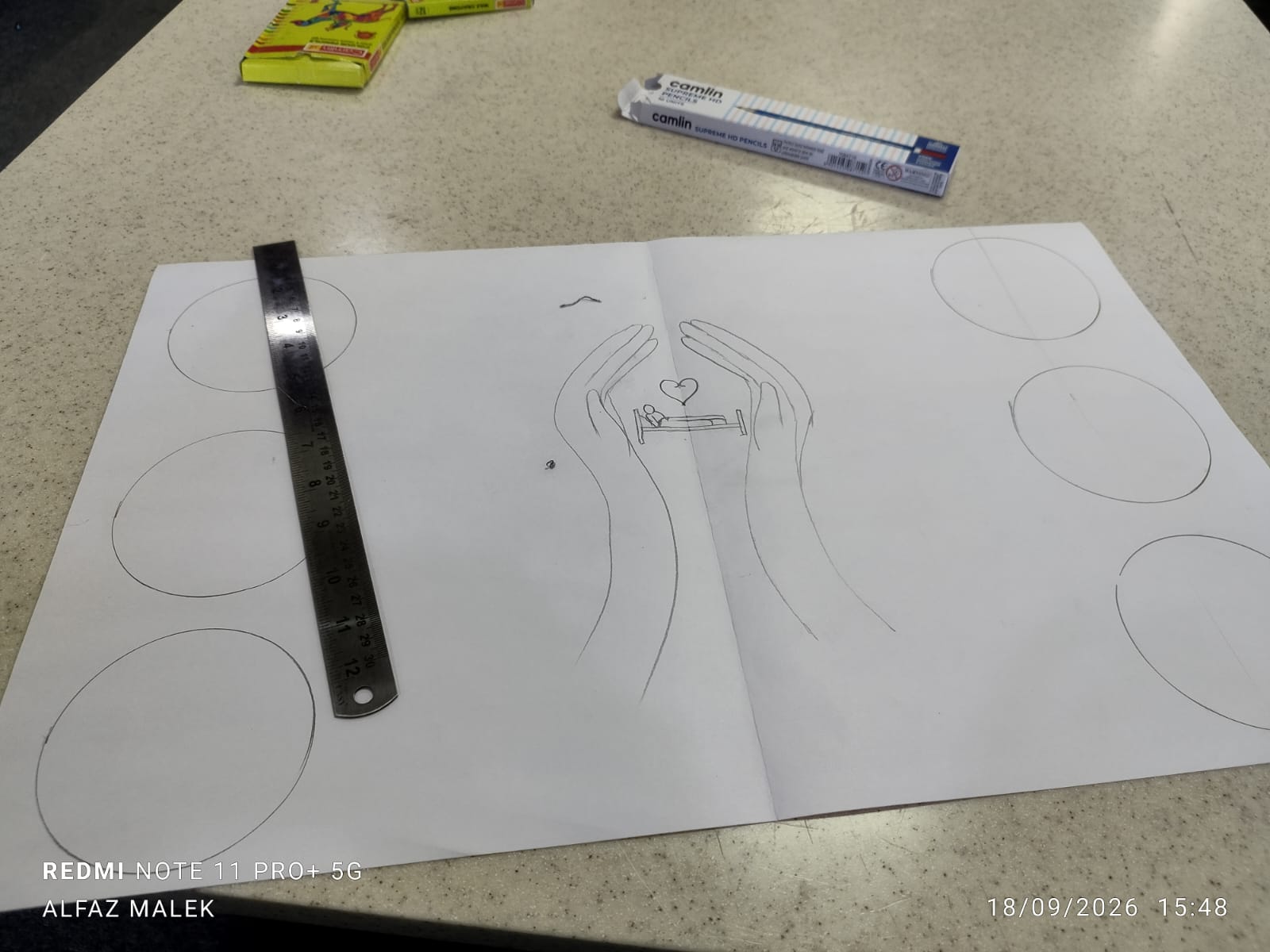
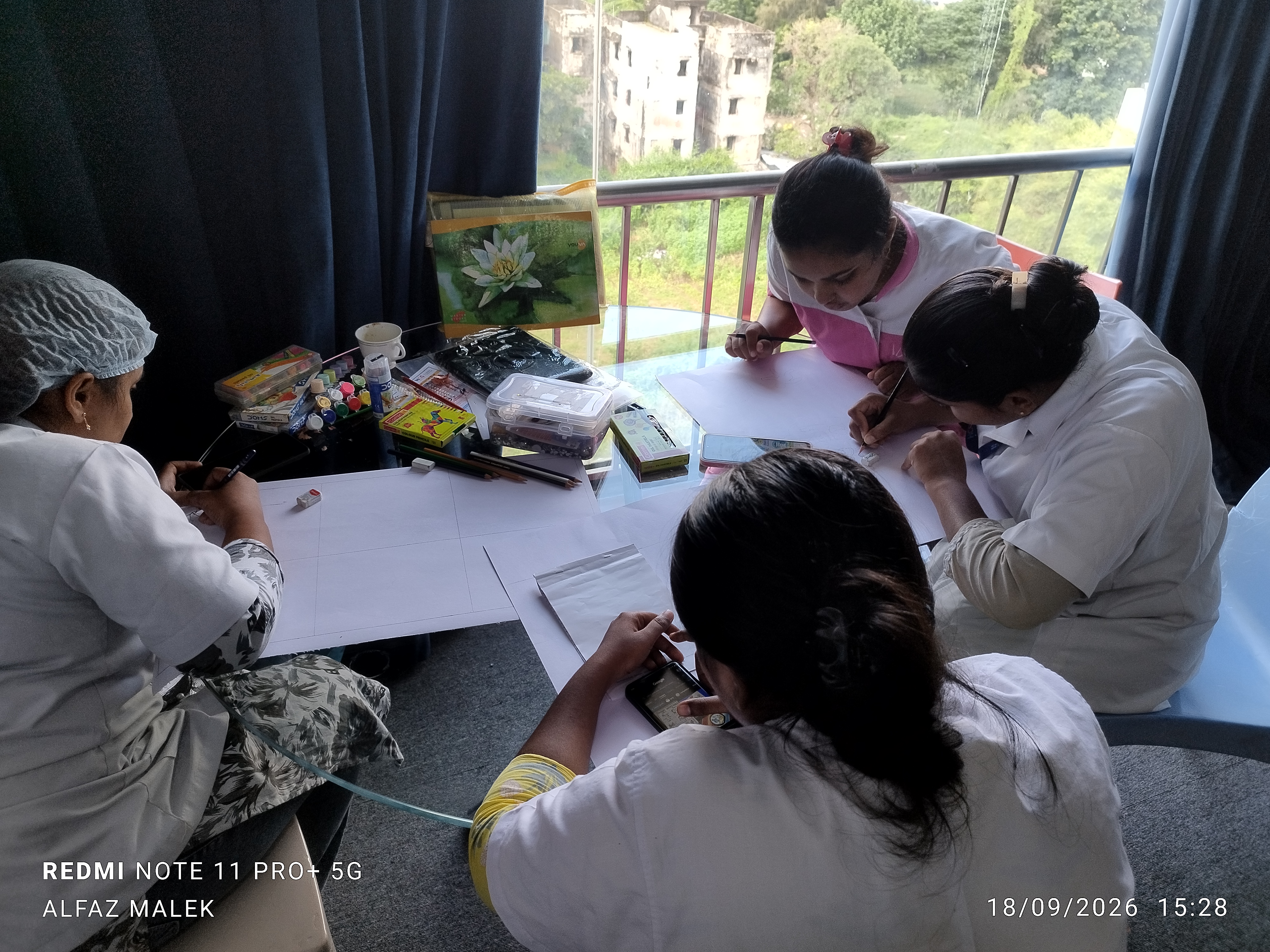
For me, participating in the poster competition was not simply about making a poster or taking part in an activity. It was an opportunity to present an important message related to my daily work. As someone working in infection prevention and patient safety, I regularly see how closely these two areas are connected. Infection prevention is an important part of patient safety because infections acquired during healthcare can increase the patient's hospital stay, treatment requirements and overall burden. Many preventive practices depend on simple things such as proper hand hygiene, appropriate use of personal protective equipment, safe injection practices, proper waste segregation, environmental cleanliness, sterilisation and following standard precautions. These practices may sometimes look very small, but when they are followed consistently, they can protect patients as well as healthcare workers.
 |  |
|---|
While preparing my poster, I wanted the main message to be simple and easy for everyone to understand. Patient safety is not the responsibility of only one department or one person. It is a shared responsibility. Doctors, nurses, technicians, housekeeping staff, pharmacists, laboratory staff, administrative teams and every other person working in the hospital has a role in maintaining patient safety. Even a single missed step can sometimes create a risk for the patient. On the other hand, when every member of the team follows the correct process, communicates properly and takes responsibility for their work, the overall safety of the patient improves.
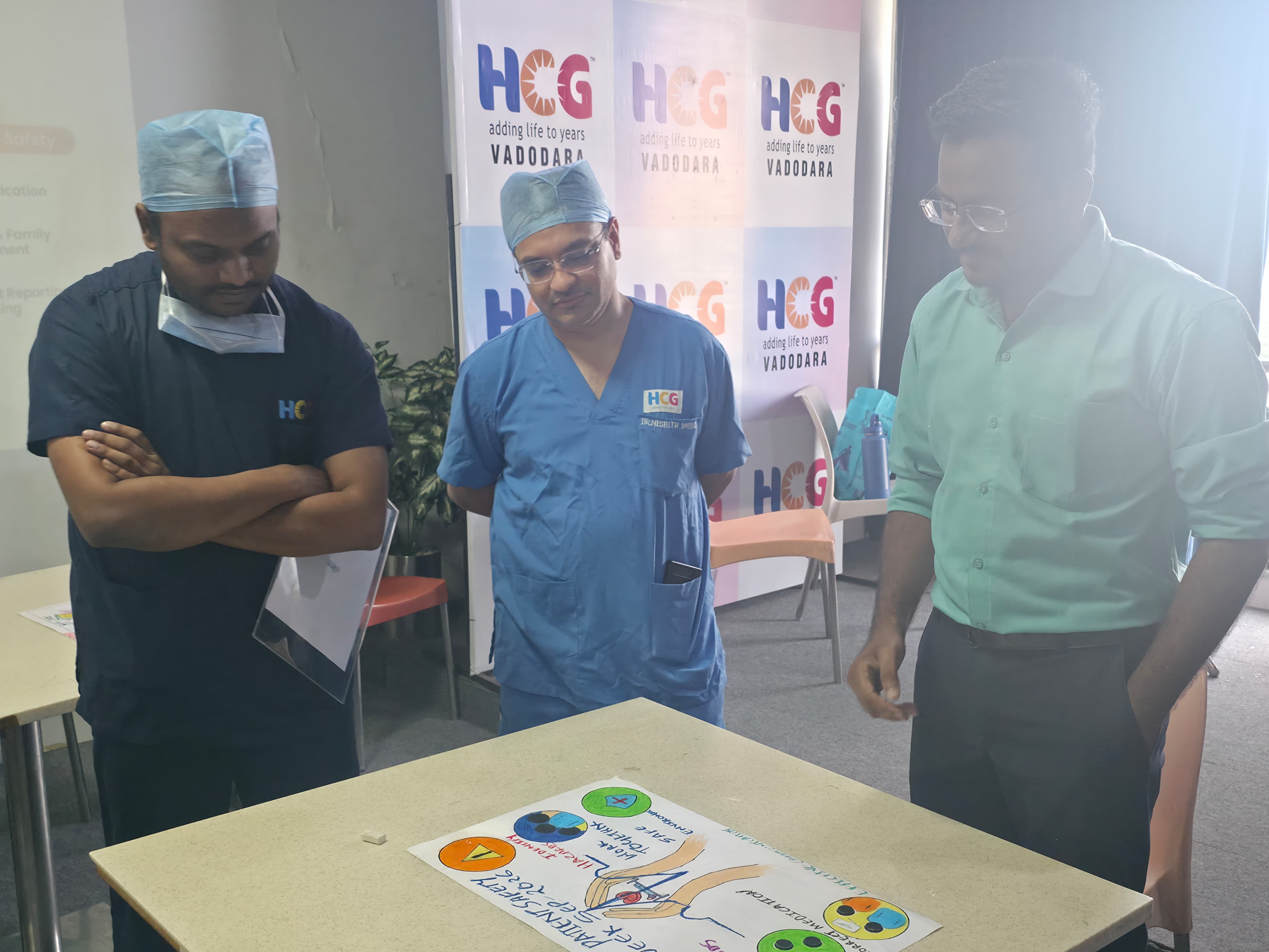
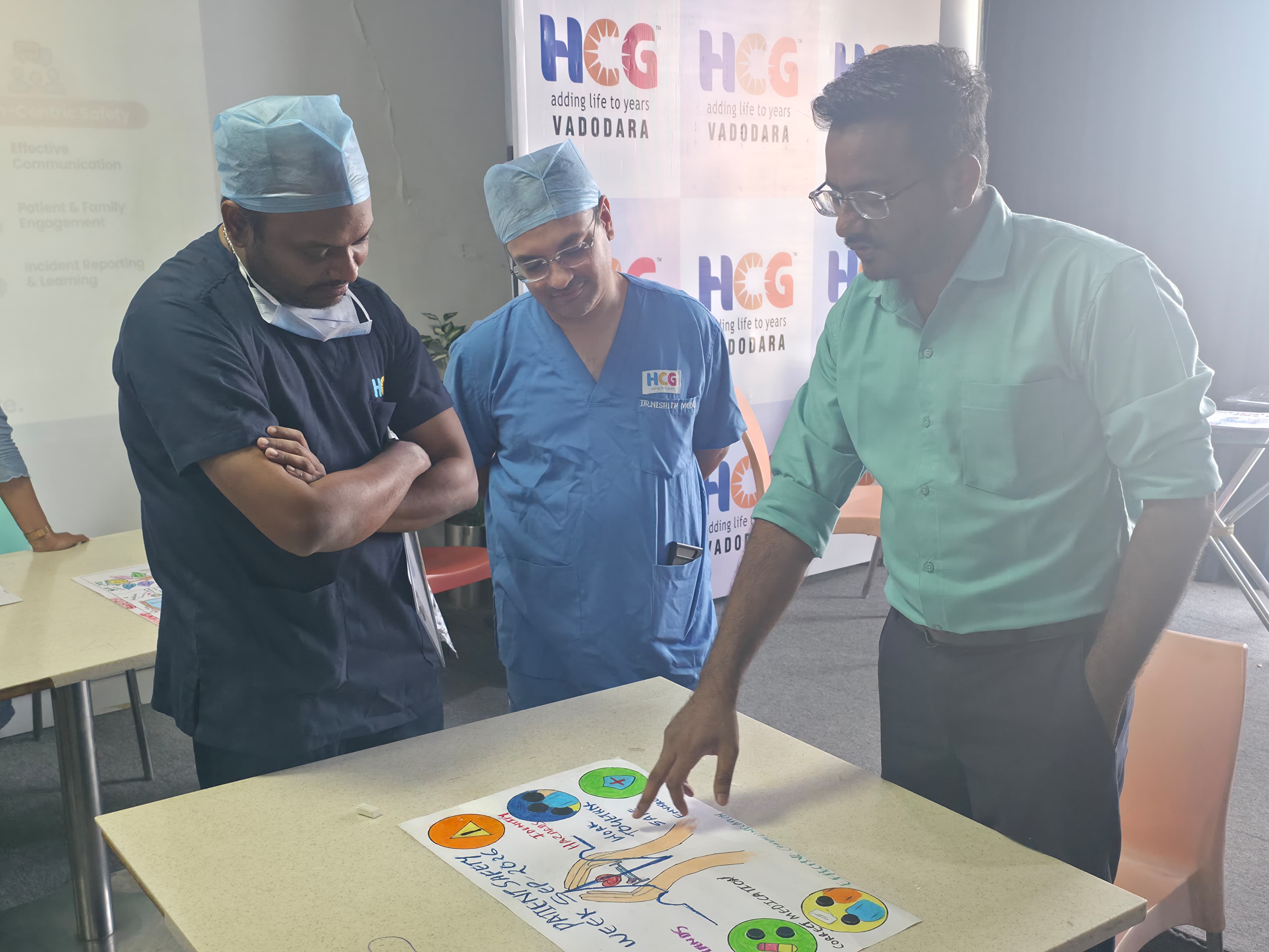
The topic of infection prevention was particularly important for me because it is directly connected with many of the activities I perform in my professional life. Hand hygiene is one of the simplest and most effective methods of preventing the transmission of microorganisms in healthcare settings. However, simply knowing about hand hygiene is not enough. It needs to become a regular habit during patient care. The correct moments for hand hygiene, proper technique and adequate duration are important. Through regular observation, education and feedback, healthcare workers can be encouraged to maintain better compliance. This is why I wanted infection prevention to have a clear place in my poster rather than treating patient safety as a completely separate topic.
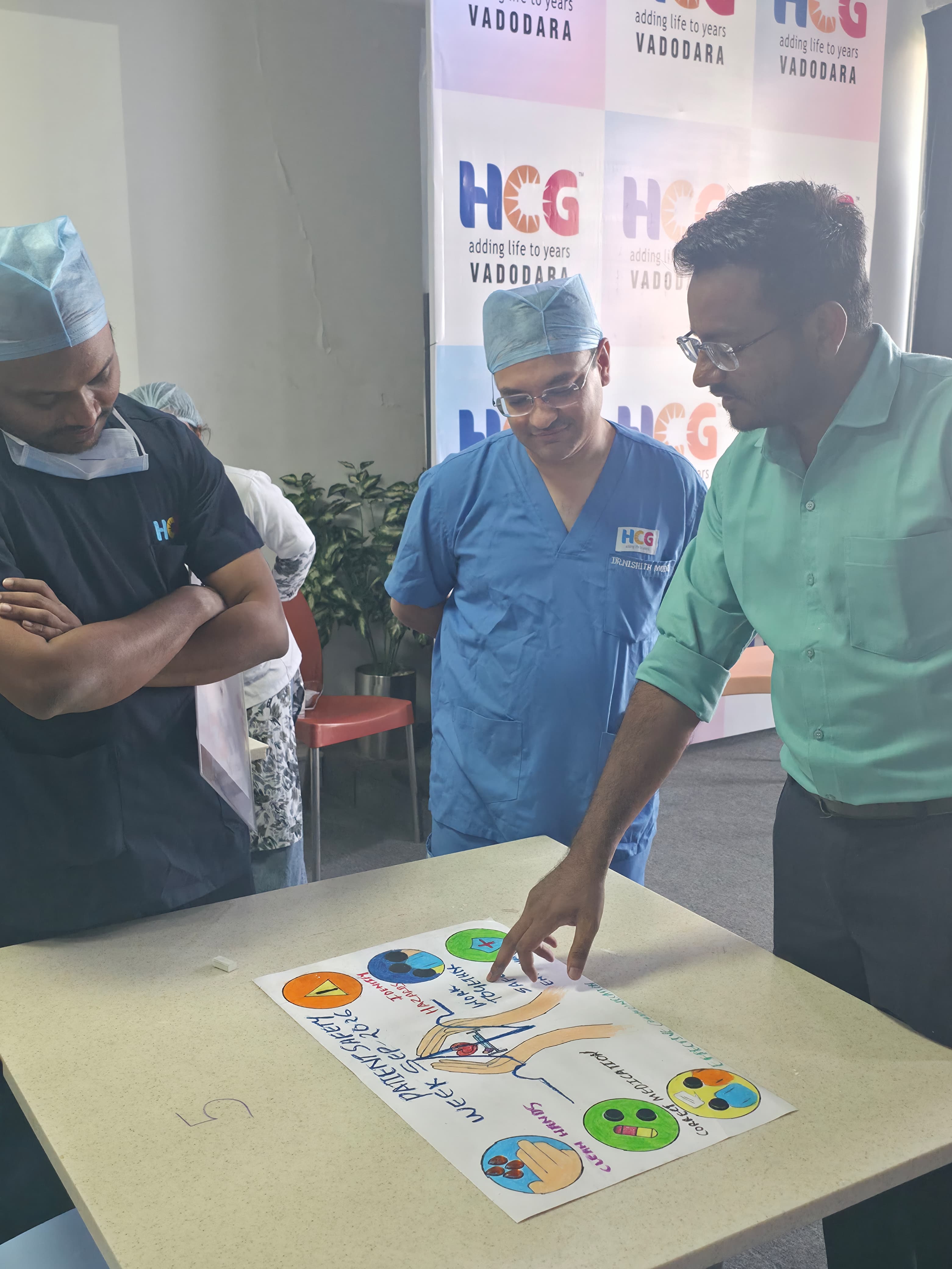
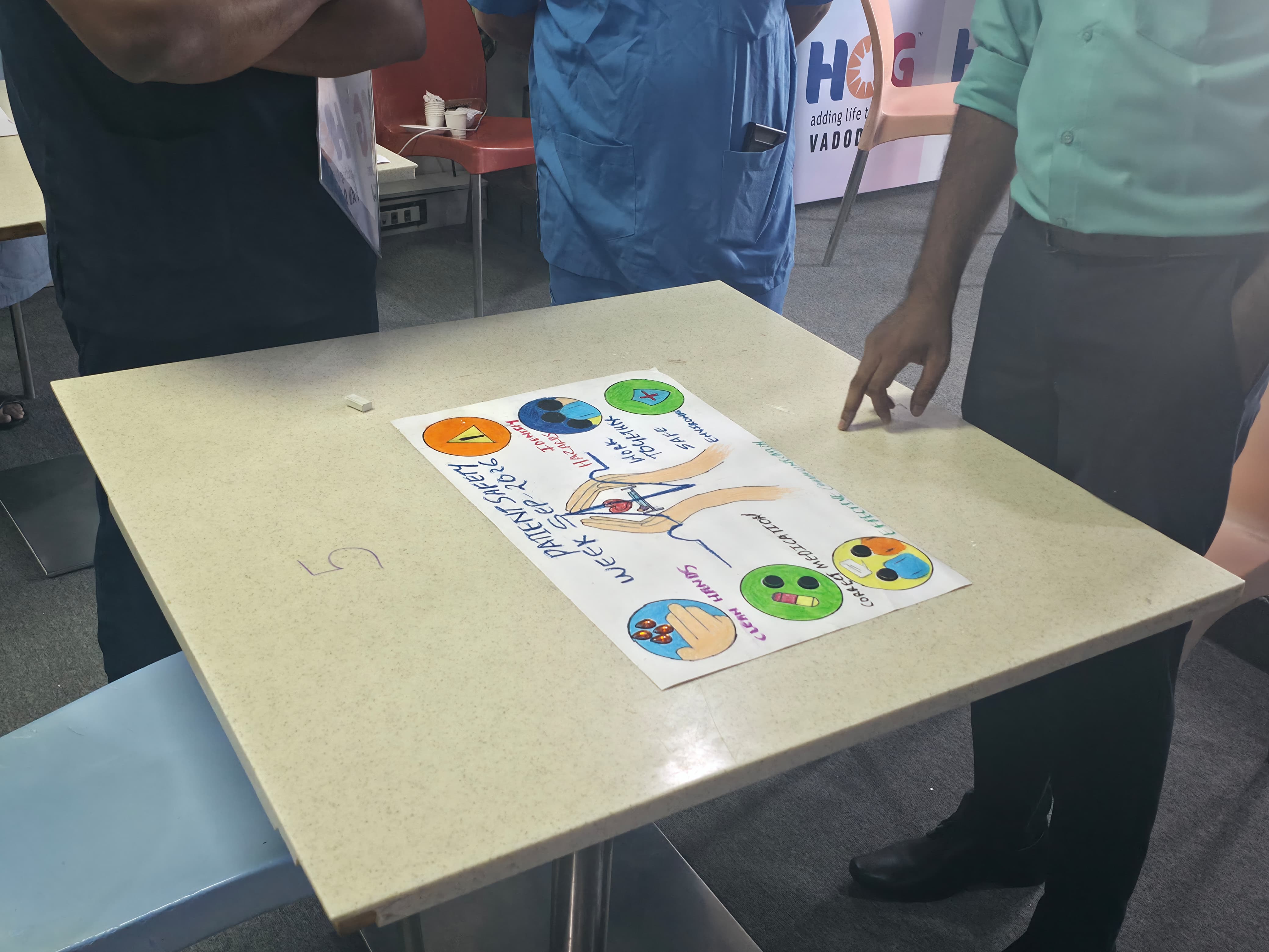
Another important point I wanted to communicate through my poster was that patient safety begins before any major clinical procedure takes place. It starts with identifying the patient correctly, communicating important information, checking medications, maintaining a clean environment, using equipment safely and following the required protocols. In infection prevention, the same principle applies. Before performing a procedure, healthcare workers need to think about the risks involved and take appropriate preventive measures. Proper preparation can prevent many problems before they occur. This preventive approach is much more valuable than waiting for an incident to happen and then trying to manage its consequences.
 |  |
|---|
The poster competition also gave me a chance to think about how we communicate important healthcare messages. In our daily work, we often discuss policies, protocols, audits, indicators and compliance. These are important, but sometimes a simple visual message can reach people differently. A poster can communicate an idea within a few seconds and can remain visible in the workplace as a reminder. While preparing my poster, I therefore tried to keep the message connected with practical patient care rather than making it only theoretical. I wanted anyone looking at the poster to immediately understand that infection prevention is not an additional task but an essential part of safe patient care.
 |  |
|---|
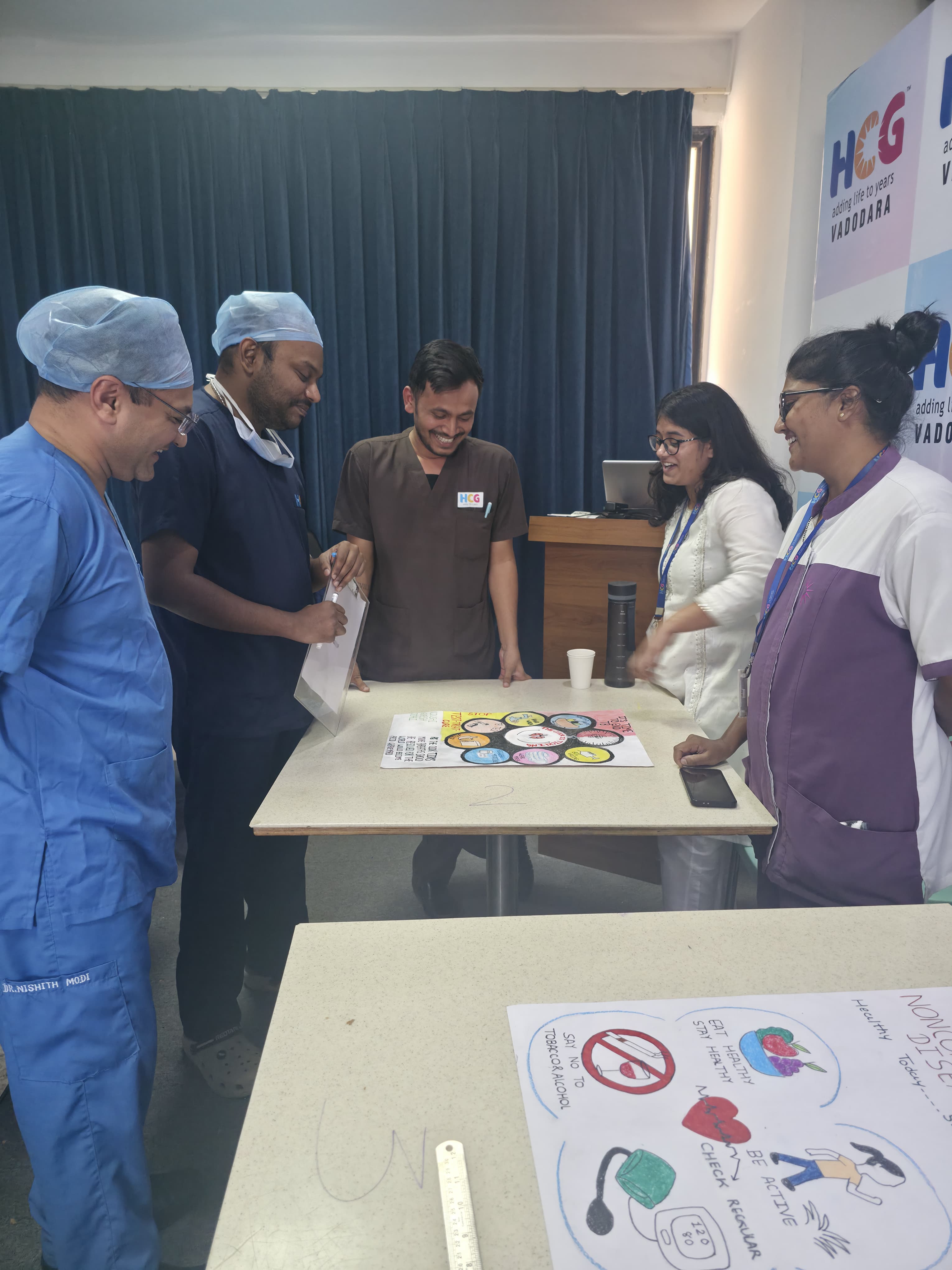
The celebration at the hospital created a positive environment among the staff. It was good to see healthcare professionals participating in an activity related to something that is directly connected with our everyday responsibilities. Such activities give us an opportunity to step away from our routine work for a short time and look at our responsibilities from a different perspective. Patient safety can sometimes become a routine phrase in hospitals, but events like Patient Safety Week remind us that behind every process and every safety protocol there is a real patient who depends on us.
 |  |
|---|
One of the things I personally value about such activities is the opportunity to learn from other participants. Everyone may look at patient safety from a different perspective depending on their department and professional responsibilities. A nurse may focus on medication administration, patient identification and infection prevention, while a technician may focus on equipment safety and correct reporting. A housekeeping team member may focus on environmental cleaning and biomedical waste management. A doctor may focus on clinical decision-making and communication. When these different perspectives come together, patient safety becomes much stronger because the patient receives care through a coordinated team rather than through isolated individuals.
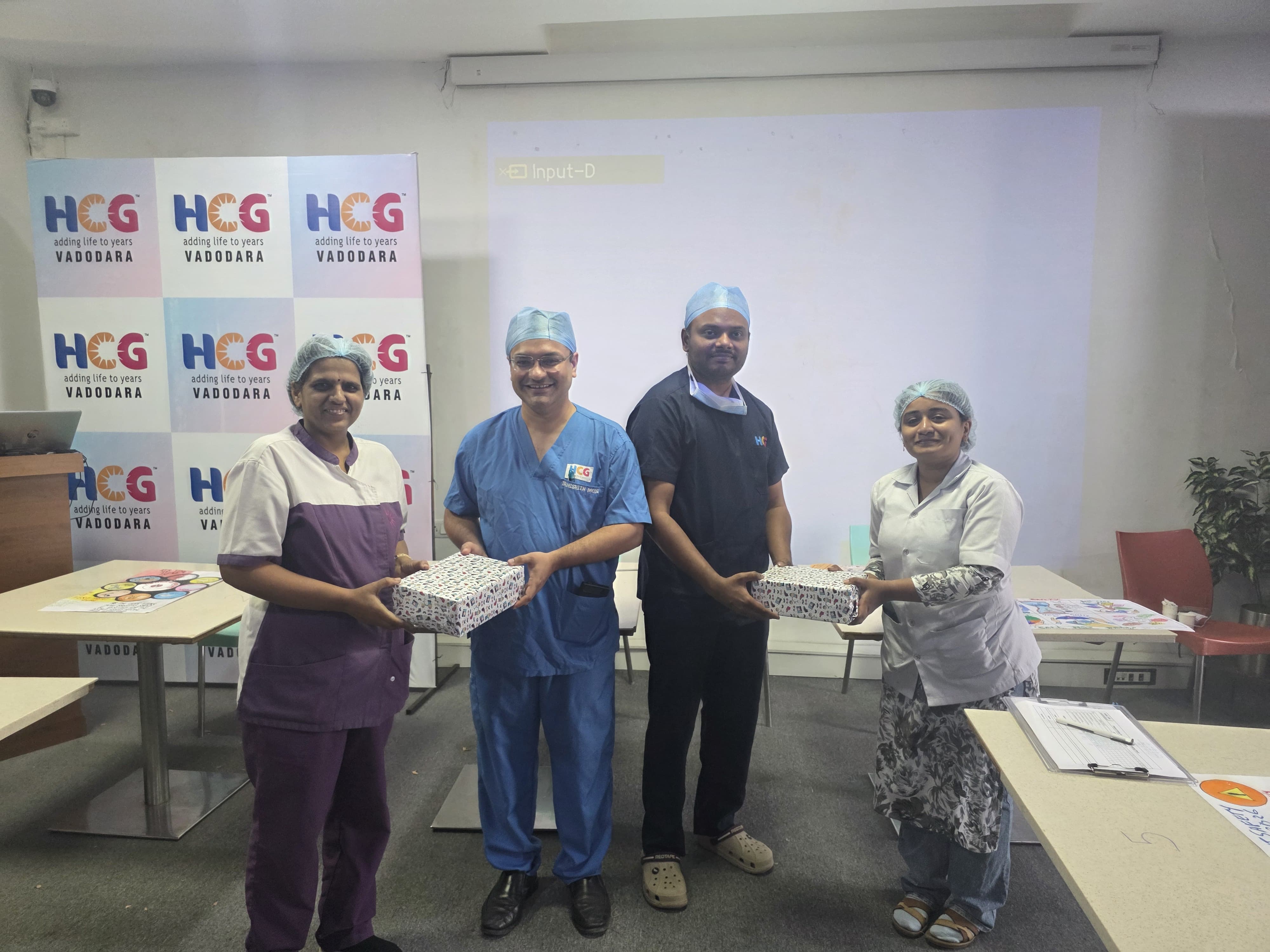
Infection prevention also requires continuous education. Healthcare practices keep changing, and staff members need regular updates about correct procedures and precautions. Training sessions, audits, demonstrations and awareness activities can help reinforce important practices. Sometimes people know the correct procedure but may miss a step because of workload, urgency or routine habits. Regular reminders can help bring attention back to those important details. This is one reason I believe that Patient Safety Week should not be viewed as only a one-week celebration. The awareness created during the week should continue throughout the year through daily practice, monitoring and teamwork.
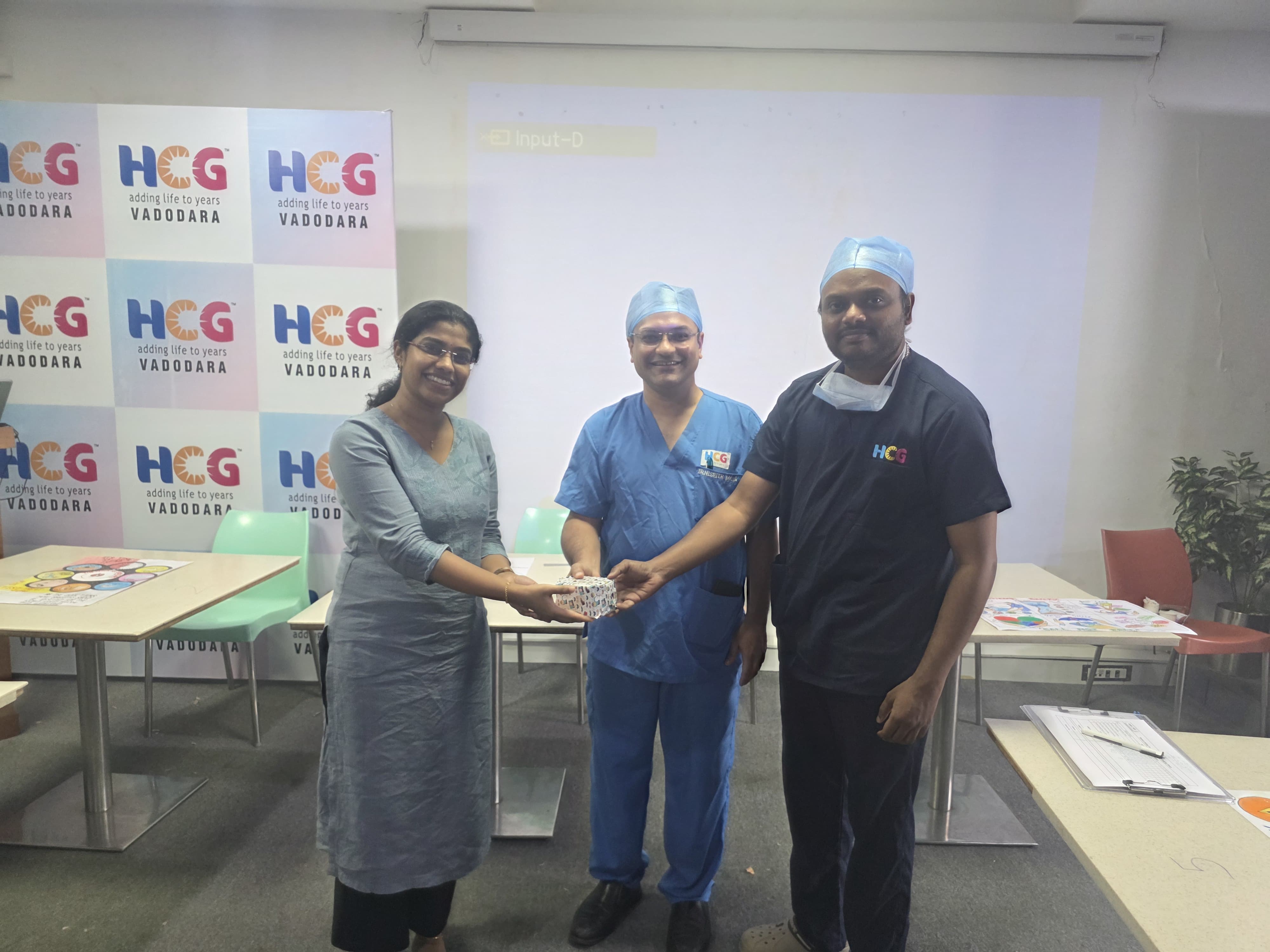
Another important lesson from patient safety is the importance of speaking up. If a healthcare worker notices a potential risk, reporting or communicating it at the right time can help prevent harm. Patient safety improves when staff members feel comfortable discussing concerns and when the focus remains on improving the process. We should not wait for an incident to happen before identifying a weakness. Near misses, observations and audit findings can also provide valuable opportunities for improvement. A safety culture develops when everyone understands that identifying a risk is not about blaming someone but about making the system safer.
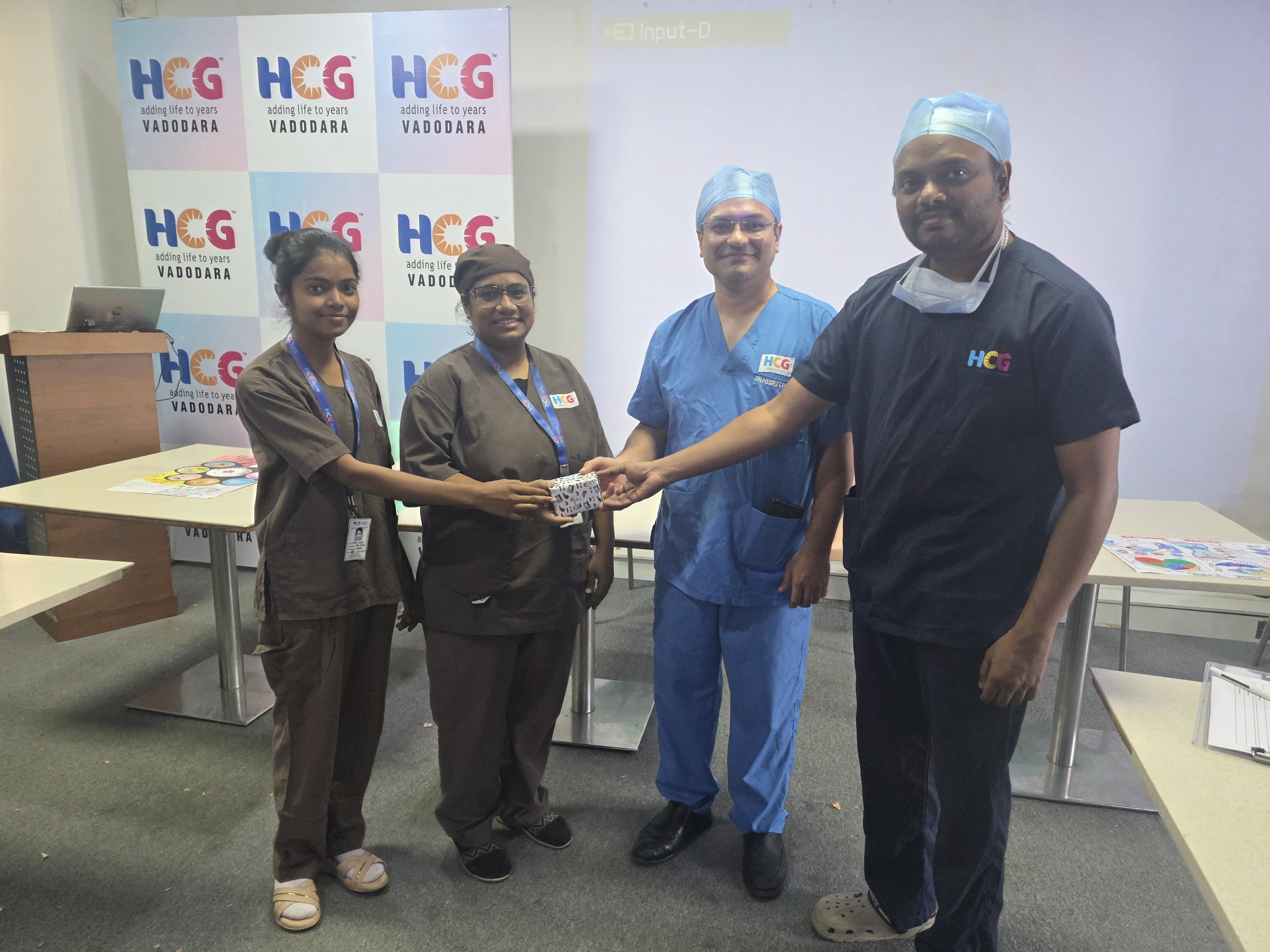
During the poster competition, I felt proud to contribute something connected with my professional responsibilities. Preparing the poster made me think more deeply about the relationship between infection prevention and patient safety. In my regular work, I may conduct audits, provide training, observe practices and discuss compliance with staff. But putting the same concepts into a poster required me to look at them from the perspective of communication and awareness. It reminded me that sometimes the simplest message can have the strongest impact when it is connected with real-life practice.
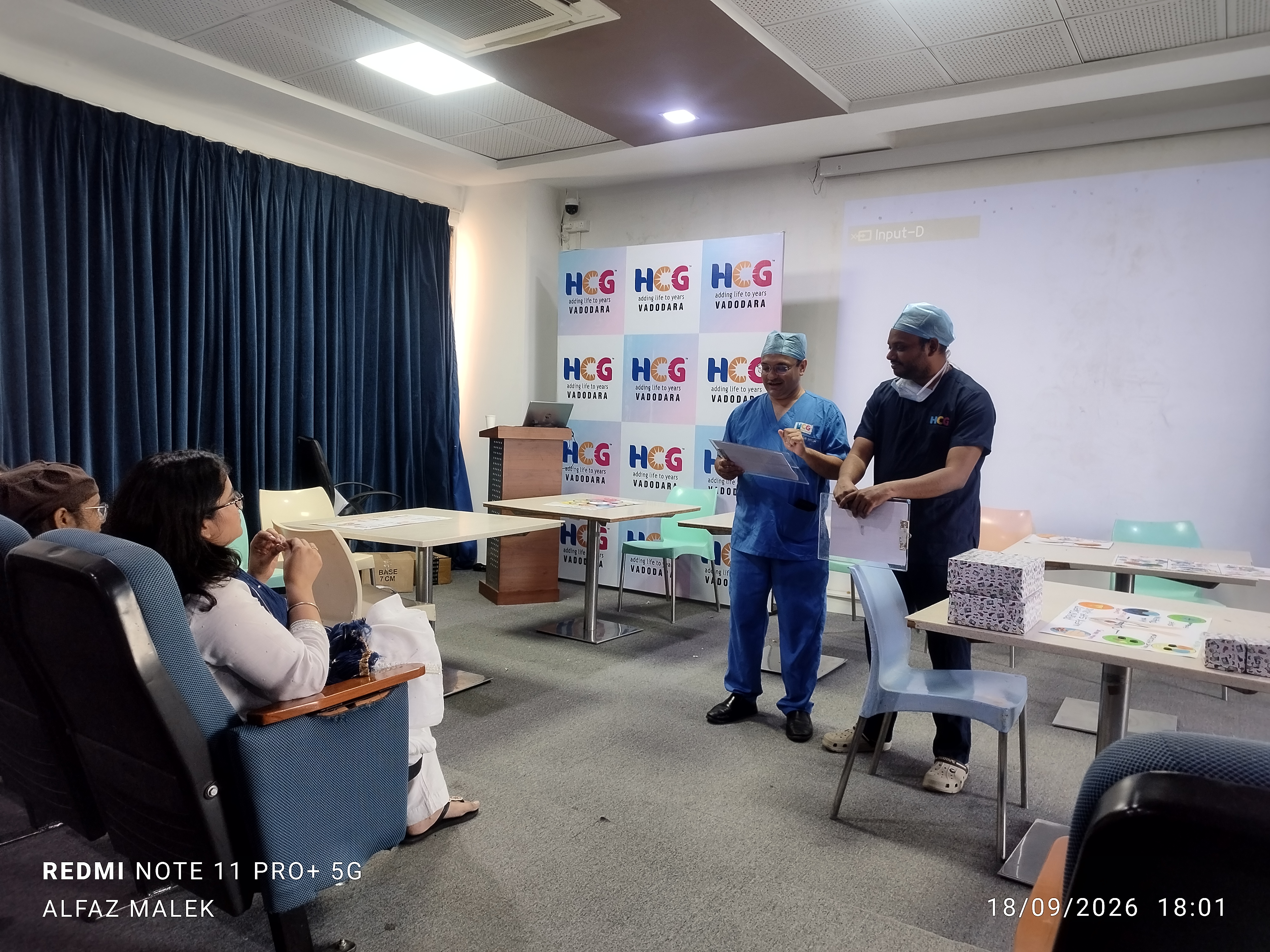
The participation of the staff and the overall celebration made the day memorable for me. It was not only a competition but also a learning experience. Seeing different ideas and presentations reminded me that patient safety is a continuous journey. There is always something that can be improved, whether it is hand hygiene compliance, medication safety, communication, environmental cleaning, safe procedures or documentation. Healthcare is a team effort, and every person has an opportunity to contribute to safer care.
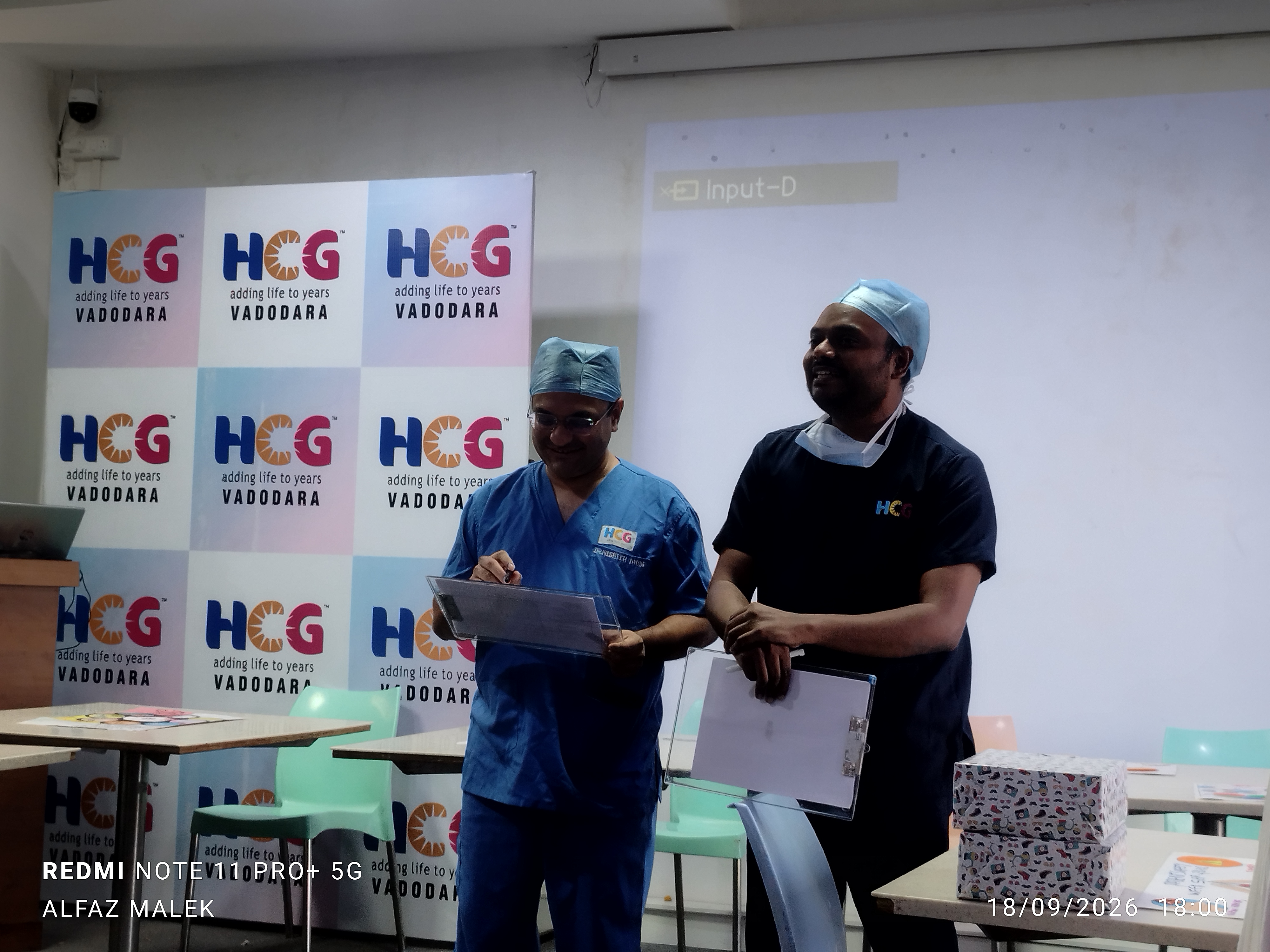
As an infection prevention professional, I believe that our ultimate goal should always be to reduce preventable risks and create an environment where patients can receive care safely. Infection prevention practices should become part of our routine behaviour rather than something we follow only during audits or inspections. Similarly, patient safety should remain part of every decision we make. From the first interaction with the patient to the final stage of care, every step matters.
Patient Safety Week therefore became more meaningful for me because I was not only attending the celebration but also actively participating through my poster. My poster represented a topic that is closely connected with my daily professional responsibilities, and preparing it gave me another opportunity to spread awareness about the importance of infection prevention. I am thankful for the opportunity to participate and to be part of an initiative that brings healthcare teams together around such an important goal.
At the end of the day, patient safety is built through many small actions performed correctly every day. Cleaning our hands at the right time, using equipment properly, following precautions, checking important information, communicating clearly and reporting risks may appear to be simple activities, but together they create a safer healthcare environment. A poster may remain on a wall for some time, but the real purpose of such a message is to encourage us to carry the same awareness into our daily practice. For me, participating in this Patient Safety Week celebration was a reminder that infection prevention is not just about preventing infections; it is an important part of protecting every patient who comes to the hospital expecting safe and quality care.
THANK YOU

You have shared a very informative and meaningful post with us. We have to take great care of ourselves. Then we can maintain the safety of the patient. Because of this small effort of yours, you can keep your workers and your patients safe. This is our duty, which must be fulfilled. The way you practically explained everything to the worker and kept the rest of the safety in mind, this is very good. I will ask you to share similar informative content with us so that we can also benefit from it.
#34engamement
Goid evening. When i stumbled on the post, I took time to read the elaborate write-up, whose explanations and photos make it possible for readers to be part of the event no matter the distance.
The poster competition is a mental test, and this is where talent and skills play out itself.
The hygienic aspect is very important as a health worker. Be careful is key in this type of career. otherwise, you treat patients and contact the same disease.
Well done and more of this.
#s34engagement
Upvoted! Thank you for supporting witness @jswit.