Replacing Officials, Reshaping Local Power Dynamics

The removal of Muhammad Nasir from the position of Aceh Regional Secretary felt like a door being slammed shut. Presidential Decree Number 95/TPA of 2026 had indeed formalized his dismissal. The Aceh government described the change as a "refresh" and insisted there were no issues with Nasir’s performance.
Yet, precisely because the reason cited was a "refresh," public questions became all the more natural: why now, and why so suddenly?
Nasir had held the substantive Regional Secretary role for only about a year. He had previously been entrusted by Governor Muzakir Manaf to serve as Acting Regional Secretary in March 2025, before being inaugurated as the substantive Regional Secretary in August of that same year.
In terms of performance administration, it is difficult to claim Nasir lacked a track record. In May 2026, for instance, Aceh’s financial realization reached 30.65 percent—or IDR 3.55 trillion—of the IDR 11.6 trillion Aceh Regional Budget (APBA). That figure actually surpassed the end-of-May target of 29.23 percent.
He was also not someone who appeared only sporadically when the government needed to provide explanations. On numerous issues, Nasir stepped forward as a communicator and interpreter of government policy. Even when issues arose that threatened to become a political liability for the governor, the Regional Secretary often served as a buffer—explaining the situation, defusing tension, and ensuring the administration continued to function smoothly.
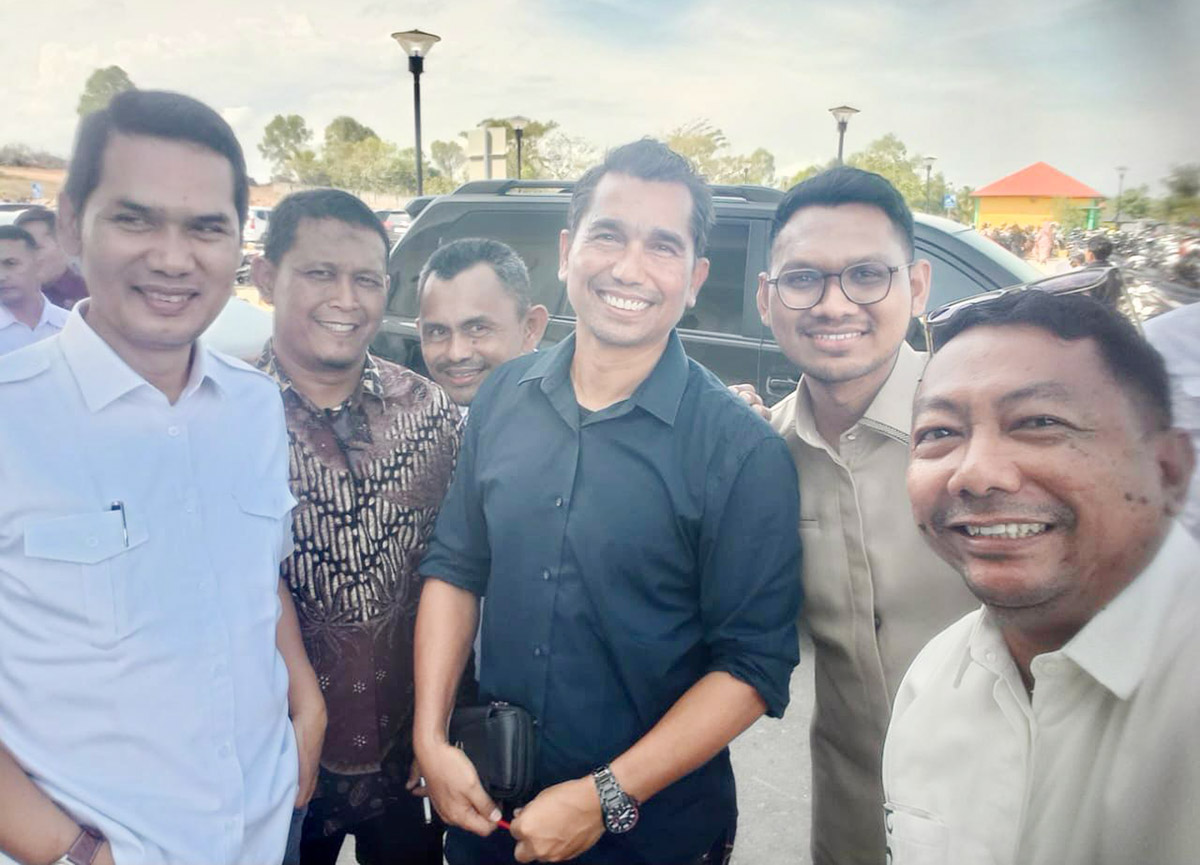
For example, regarding Ministry of Agriculture funds, Nasir saved "Mualem’s" face by confirming that the budget managed by the Aceh Government matched the figures stated by Minister Andi Amran Sulaiman.
From a power perspective, the Regional Secretary is more than just an administrative official. He acts as the link connecting the regional head's political decisions with the bureaucratic machinery. Consequently, the person occupying this seat holds a strategic position: while not always visible center-stage, they determine whether the government moves forward effectively or stalls.
When the person holding that position is replaced, it is not merely the name on the office plaque that changes. It is quite possible that working relationships, communication patterns, the distribution of influence, and even the balance of power within the government will shift.
Admittedly, no official is without flaws, and no one is immune to evaluation. Precisely because he was once a trusted confidant of the governor, the public has a right to ask why that trust suddenly came to an end. If performance was not the issue, then an explanation regarding the change in strategy is crucial to prevent the public from filling the void with their own assumptions.
Muzakir Manaf certainly has the right to organize his administration. Yet, governance is not merely a matter of who holds the power to decide who occupies specific seats; it also requires continuity, clarity, and public trust.
Nasir may be just one individual within the government structure, but his dismissal could signal a shifting power landscape in Aceh.
And as that landscape changes, the public deserves to know: is this simply a bureaucratic refresh, or the beginning of a new chapter in the configuration of power within the Aceh government?
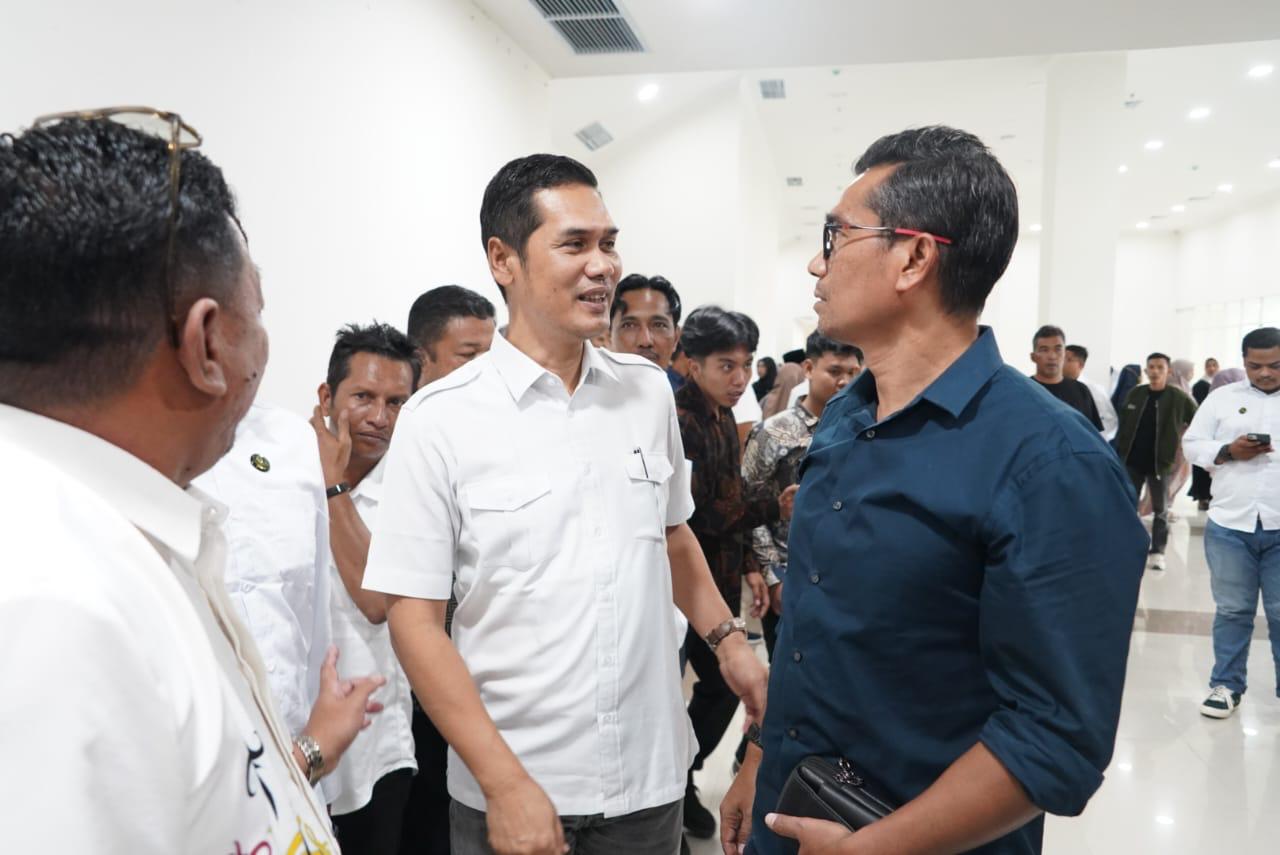
Photos of M. Nasir Syamaun with Malikussaleh University alumni in North Aceh, November 2, 2026.
This is a thought-provoking analysis of the sudden removal of Muhammad Nasir from his position as Aceh Regional Secretary. The point that stands out most is the question surrounding the term “refresh.” If there were no performance-related problems, it is understandable that the public would want to know what strategic considerations led to such a significant change.
The Regional Secretary holds an important position in ensuring that political decisions are translated into effective administration. Therefore, changing the person in that position can potentially affect communication, coordination, and the overall rhythm of government.I also appreciate that this discussion does not simply portray Nasir as flawless or the governor as acting without authority. The government certainly has the right to reorganize its bureaucracy, but transparency is equally important. When a major change happens suddenly and the explanation remains general, it can naturally create speculation among the public.
Ultimately, what matters is not only who occupies the position, but whether the transition strengthens Aceh’s administration and benefits its people. If this is truly a bureaucratic refresh, the public will hopefully see the positive results through better coordination, stronger governance, and improved public services.
This is certainly an important development to watch, and I believe the coming months will reveal whether the change represents a routine administrative adjustment or a broader shift in the direction and balance of power within the Aceh government.
Political interference involving government officials—often in violation of the law—is commonplace in Indonesia. It is hardly surprising that many capable and principled bureaucrats are sidelined simply because they refuse to compromise their integrity.
Conversely, those who yield to malicious political agendas frequently end up in prison.