Exploring Human Rights Law and Its Enforcement
Human rights are not merely abstract ideals; they are legal entitlements that belong to every individual by virtue of their humanity. From the right to life and liberty to freedom of expression and protection against torture, the architecture of international human rights law serves as the global safeguard for human dignity. But how do these high-level principles translate into reality?
The Framework of Protection
The foundation of modern human rights law lies in the Universal Declaration of Human Rights (UDHR), adopted by the UN in 1948. While the UDHR set the moral standard, it was subsequently codified into binding treaties like the International Covenant on Civil and Political Rights (ICCPR). These documents impose legal obligations on states to respect, protect, and fulfill the rights of their citizens.
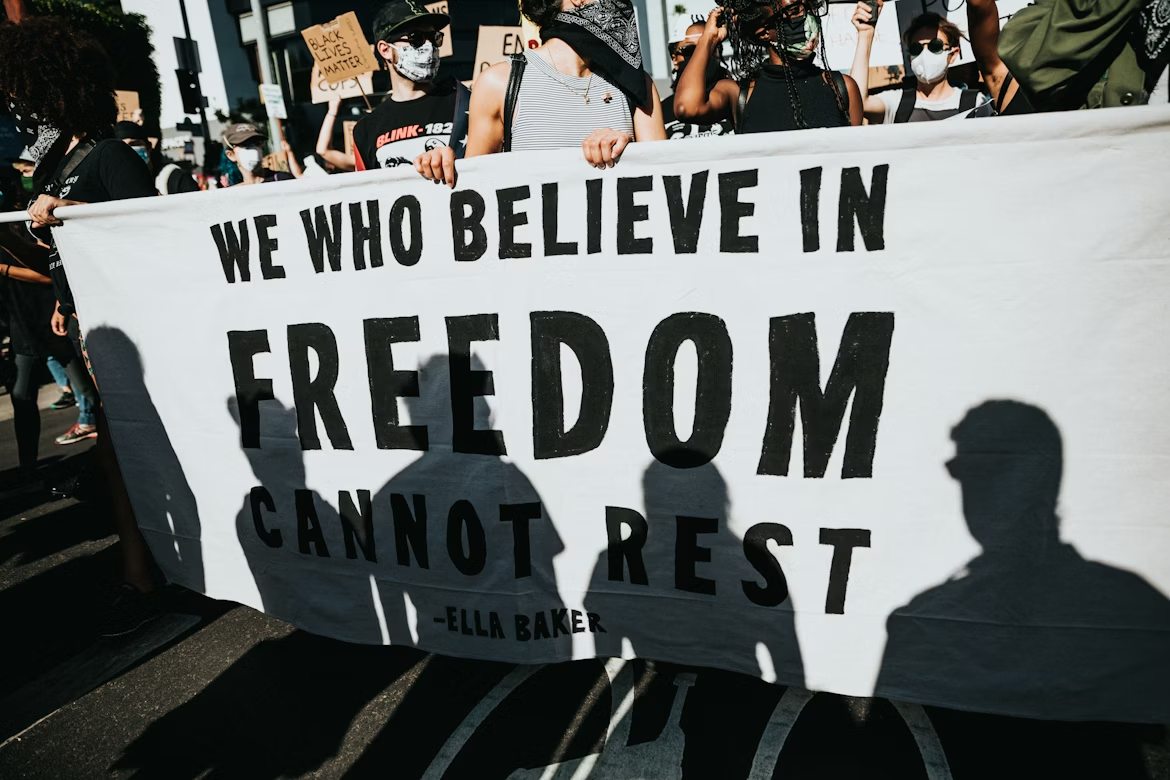
The greatest criticism leveled against human rights law is the "enforcement gap." Unlike domestic criminal law, there is no global police force to compel compliance. Instead, enforcement relies on a tiered system of accountability:
- International Tribunals: Bodies like the International Criminal Court (ICC) provide a mechanism for prosecuting individuals—including heads of state—for the most egregious crimes, such as genocide and war crimes.
- Regional Mechanisms: Systems like the European Court of Human Rights act as a final arbiter for individuals who have exhausted domestic legal remedies, holding governments accountable to treaty standards.
- Naming and Shaming: Organizations like Amnesty International and Human Rights Watch utilize public pressure. By documenting violations and bringing them to the global stage, they force states to reckon with their reputation and diplomatic standing.
The Path Forward
Ultimately, the enforcement of human rights is a collective responsibility. It requires robust domestic legal systems, an independent judiciary, and an active civil society. While the international legal framework is imperfect, it remains our best tool for limiting the power of the state and ensuring that fundamental rights are not just acknowledged, but practiced.