Beautiful Danger in the tiger claw
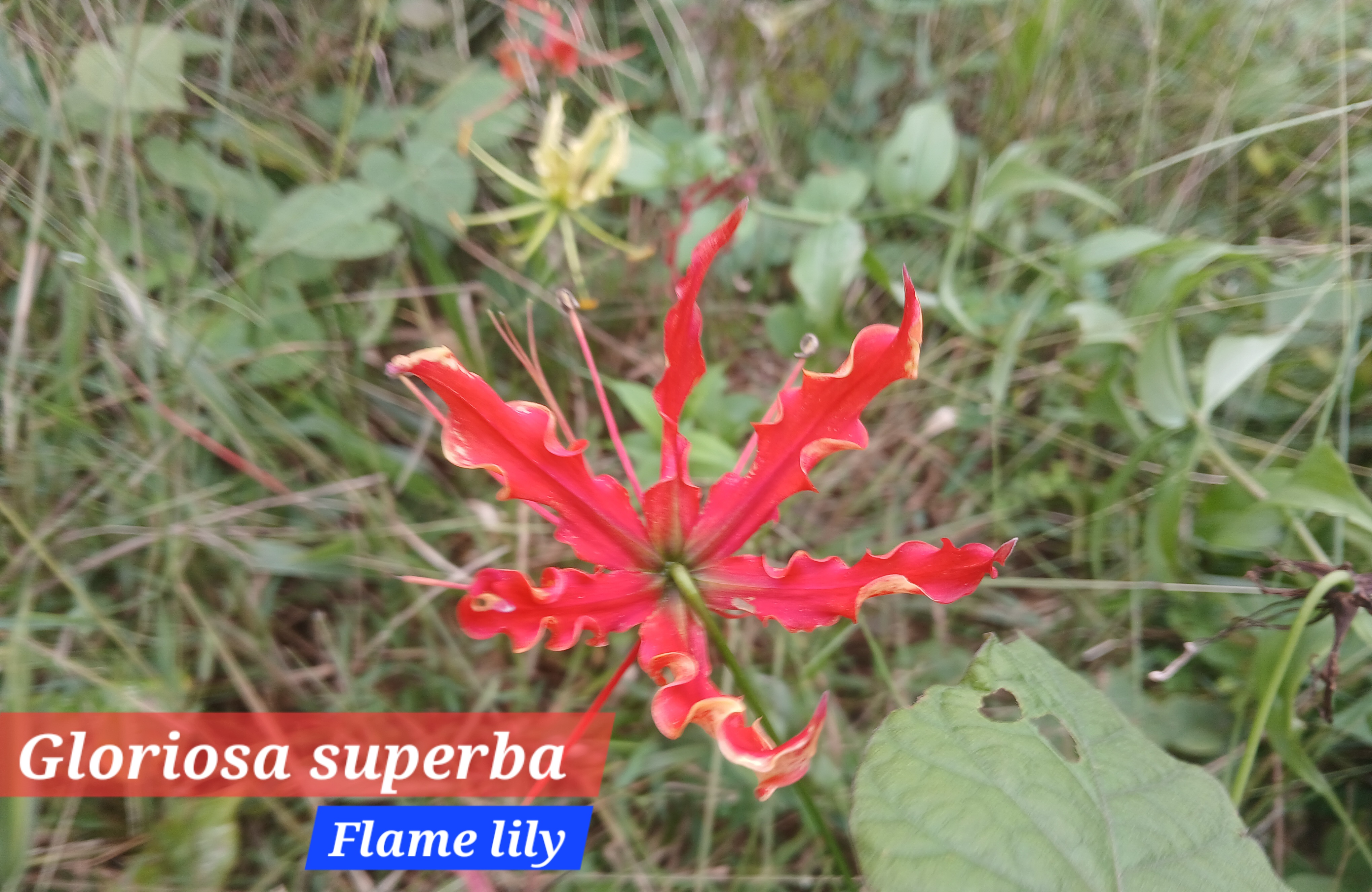 The tiger claw Captured with GalaxyA15
The Flame Lily
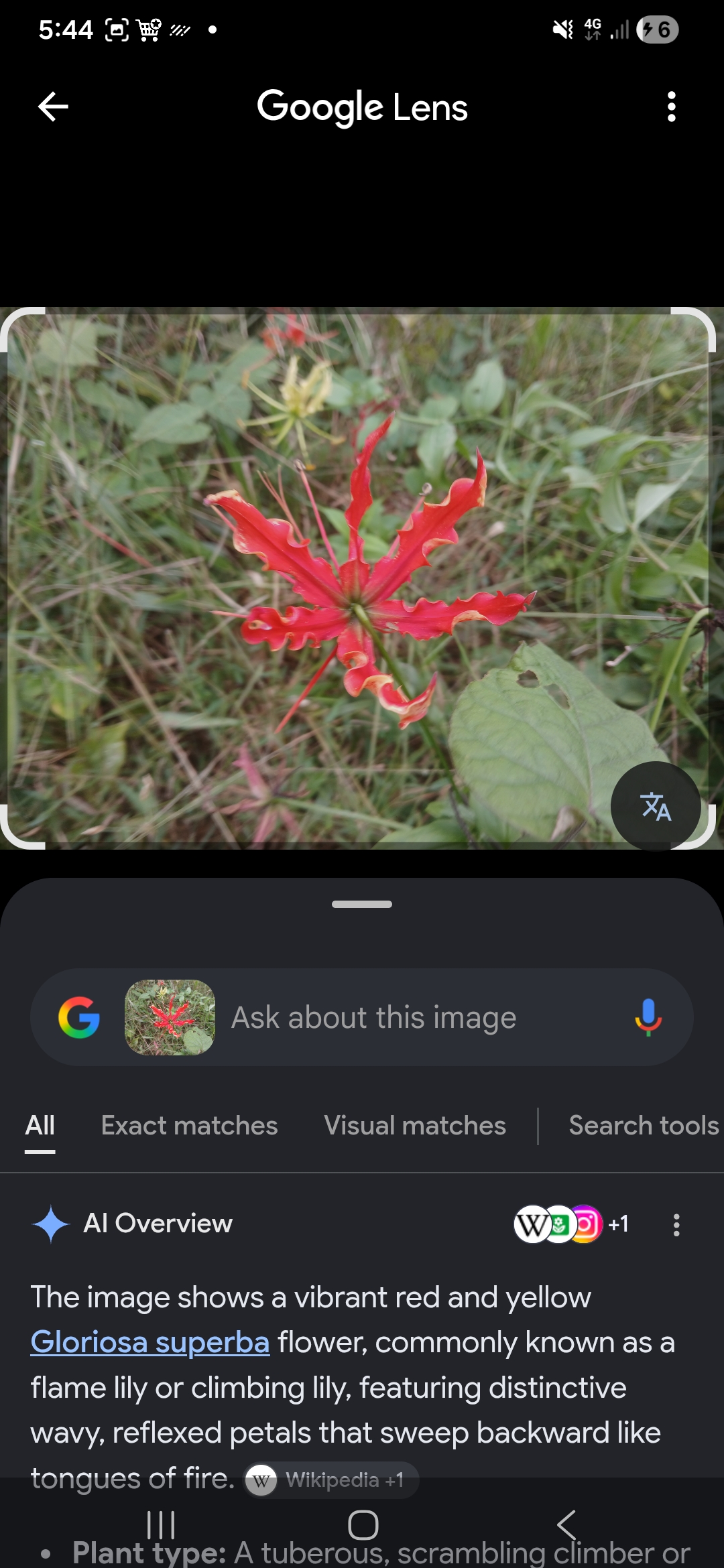
If fire had a flower, it would be the Flame Lily. Gloriosa superba. Red tips bleeding into a yellow base, six petals curled backwards as if reaching for the sky. One look and you understand the name. 🔥
It looks like the burning bush. Like the outstretched paws of a tiger with unsheathed claws. Hence, Tiger Claw, it's called.
But the Flame Lily is more than drama and beauty. It’s a two-edged story. Admired in gardens, revered in traditional medicine and feared for being toxic. A reminder that the most beautiful things can also be the most dangerous. It’s an example of terror, with Beauty as its bait.
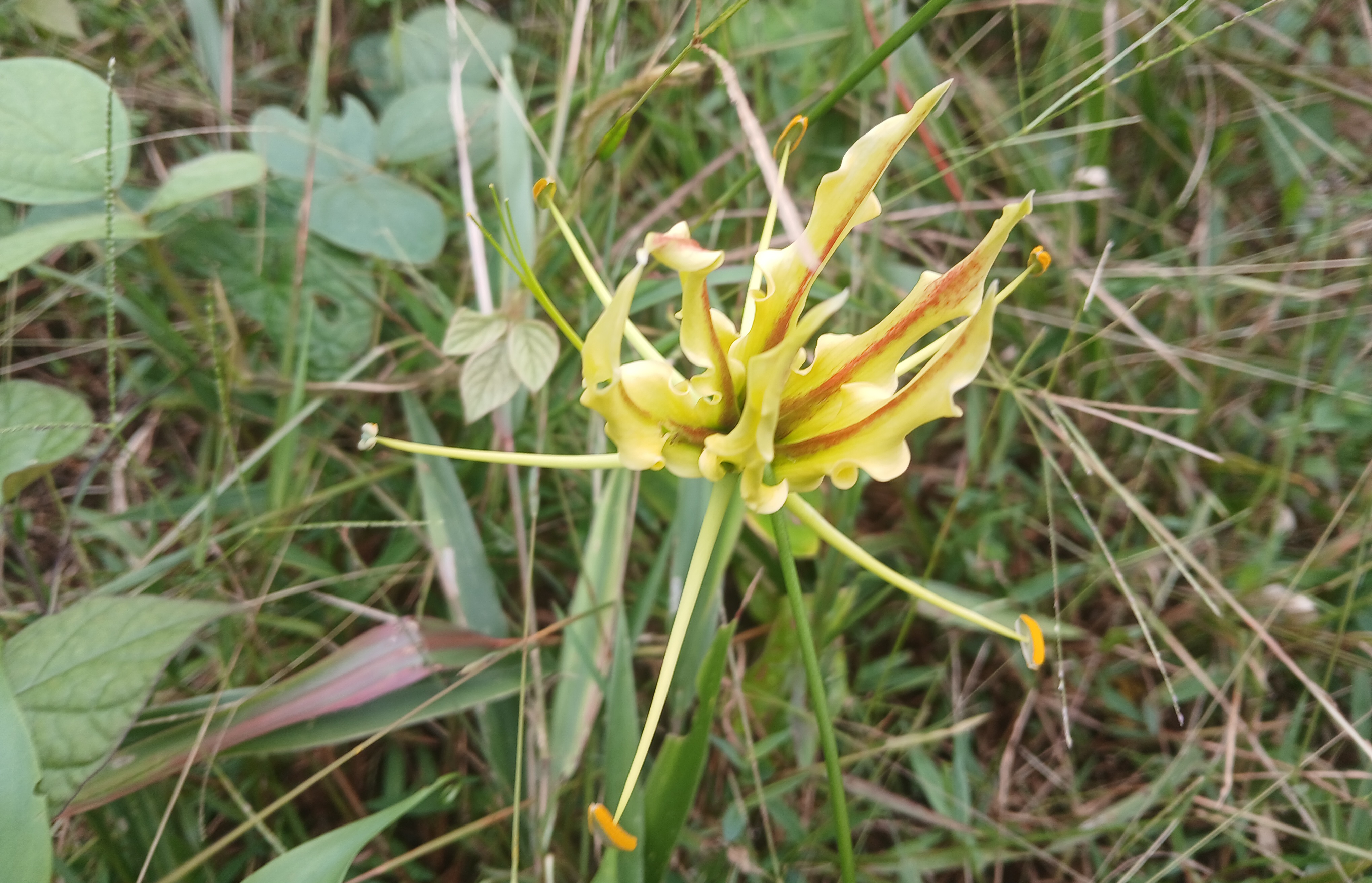
Besides Flame Lily and Tiger Claw, this plant is also commonly known as Glory Lily, Climbing Lily, or Fire Lily. In Hausa it is gudumar zomo; you may know it as Kimanja nouchawi in Swahili or Langulu in some dialects, but let’s just agree on Gloriosa superba a name that is more scientifically recognised. Native to Africa and Asia, it’s common across Nigeria, climbing fences and shrubs in the rainy season.
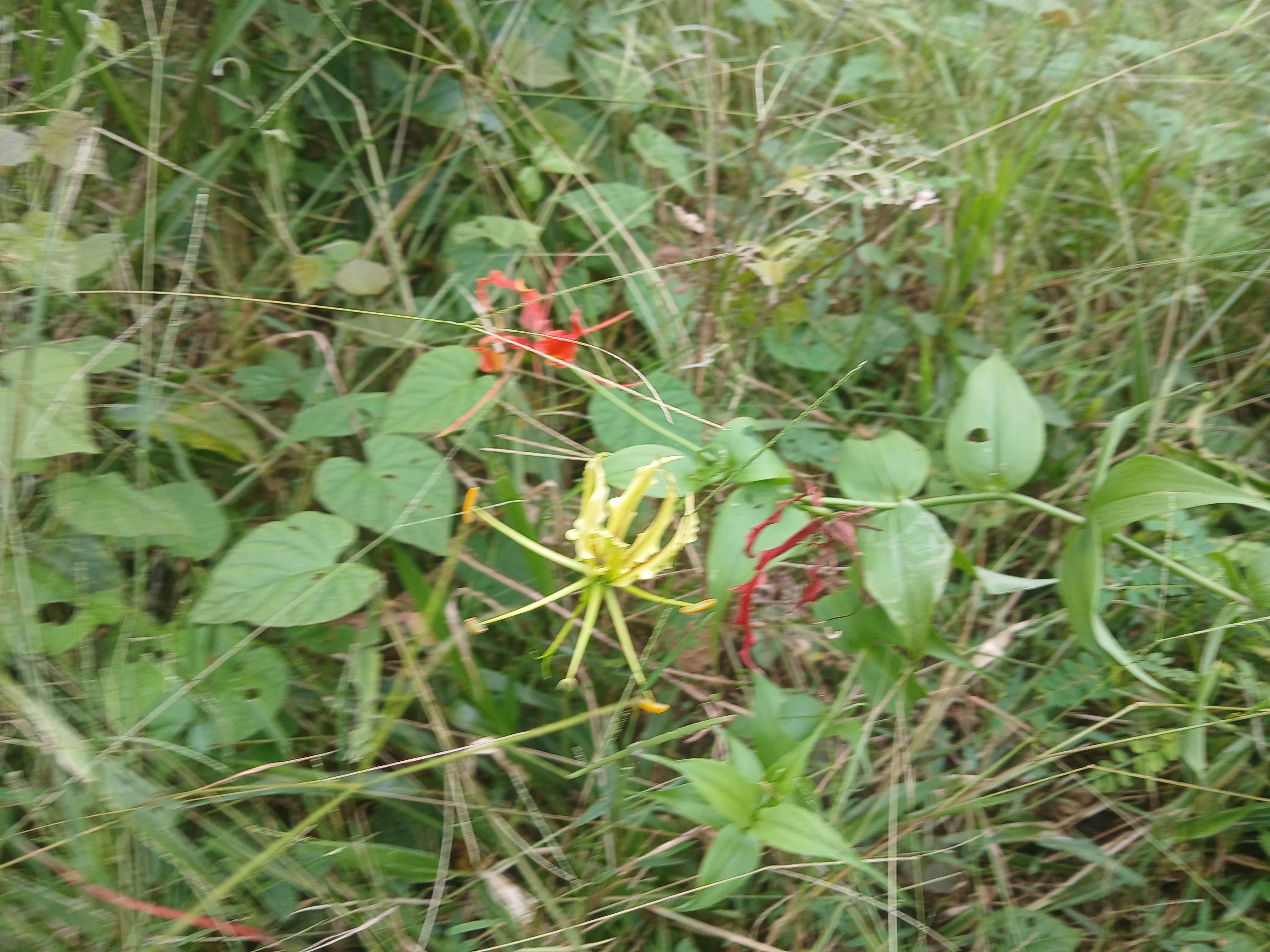
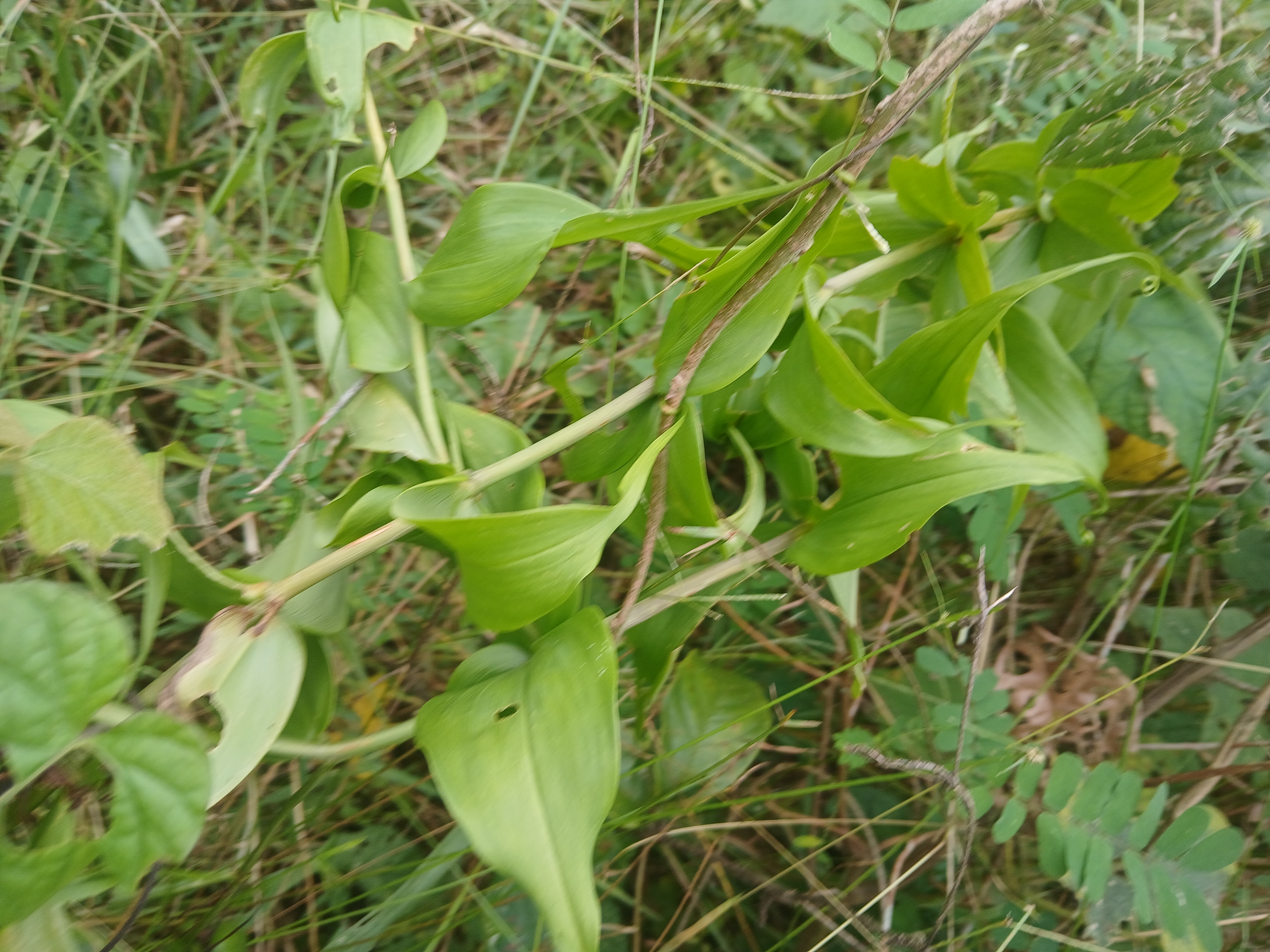
On my first encounter with this plant, I was attracted to its flowers' showy, distinct appearance. Some of its flowers were red while others leaned more toward yellow. I noticed it had a soft stem and that it crept up other plants. I had to get a lot closer to identify and differentiate its leaves from the surrounding plants.
Unlike other creeping plants that have dedicated tendrils, the flame lily's leaves have a modified tip that wraps around surrounding plants, performing the duties of tendrils, suggesting where it got the name climbing Lily.
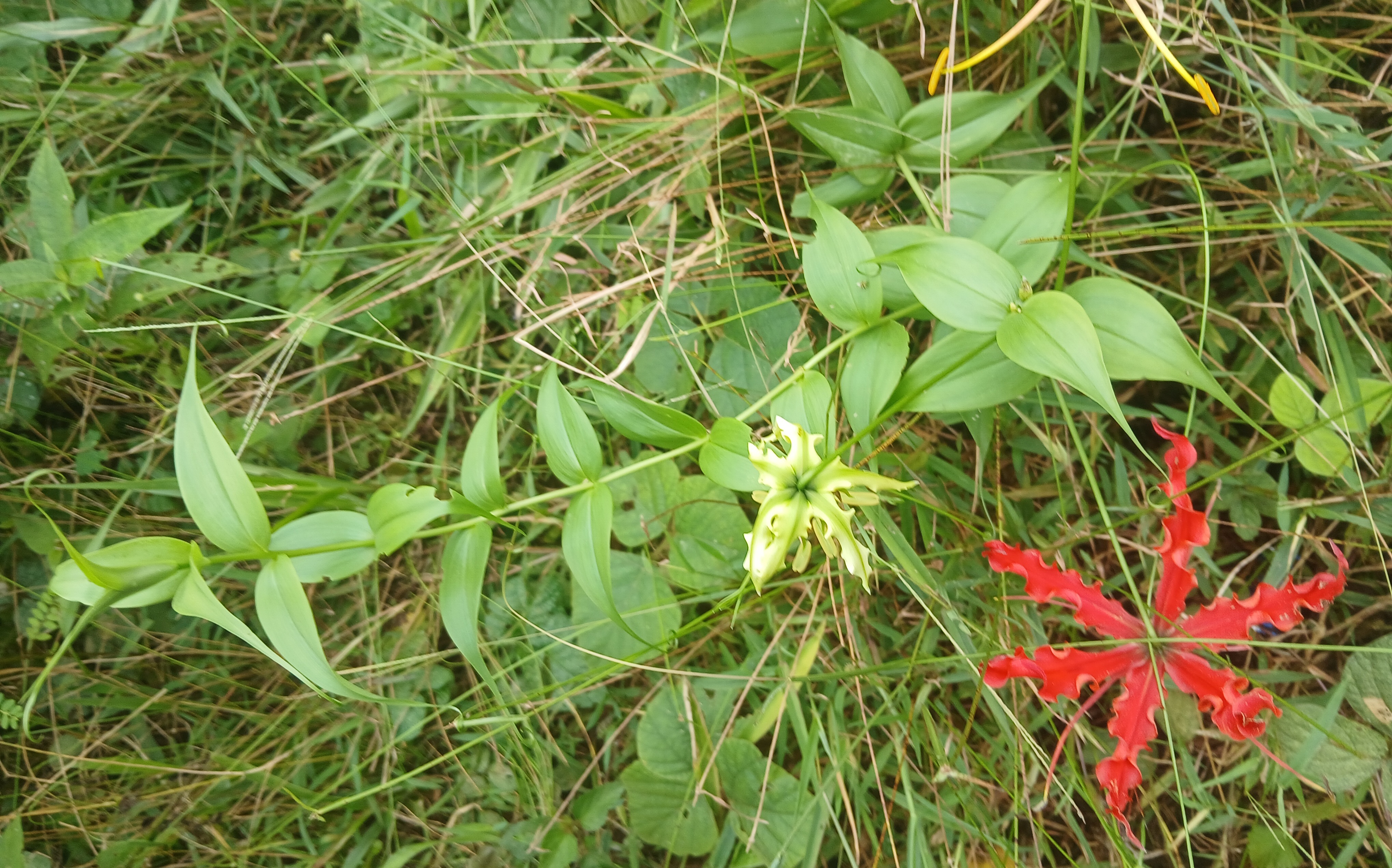
Based on my observations, everything about this plant felt right till I asked Wikipedia for information I could not observe physically.
From a little digging into Wikipedia and other sources, It turns out that despite its name, this plant is not a true lily, it is a member of the Colchicaceae family. Known for its extreme toxicity, and highly valued medical compounds.
Aposematism suggests that Gloriosa superba, through its display of colours have been screaming loudly, "Danger, Beauty with a bite, admire, but don’t touch." Every part of this plant is toxic. From leaves, flowers, roots and tubers, due to colchicine. Even small amounts can be fatal if ingested.
Conclusion and Credit
This plant may have a professional relationship with some herbalists in Africa. They may be friends as long as the herbalist understands and respects its boundaries. But to you, the Flame Lily is reminding us that the most captivating things often demand the most respect.
Credits to Google Lens for helping identify Gloriosa superba, which is the foundation of this post. Wikipedia for details on family, features, and classification
Photo:
Taken at Mbak Etoi, Uyo, Nigeria 📍
Note:
This post is not a medical journal; it is a part of my personal collection of plants, animals and insects in my environment.
|  |
|---|
@dequeen
@okere-blessing
@rubee2as1 @scottrollins
@joslud @xavuno @bountyking5
@josepha @udyliciouz @commey05
Media Credit |
|---|
| Composer | @manuelhooks |
|---|---|
| Captured by | @manuelhooks |
| Captured with | Galaxy-A15 |
| Location | Uyo, Nigeria |
| Posting Date | Tuesday. 11th August |
| (@) 2026 |
#steemexclusive #plants #club5050
#discovery #education #nigeria
#learnwithsteem
#lilly