COSA RESTA 🇮🇹🇬🇧
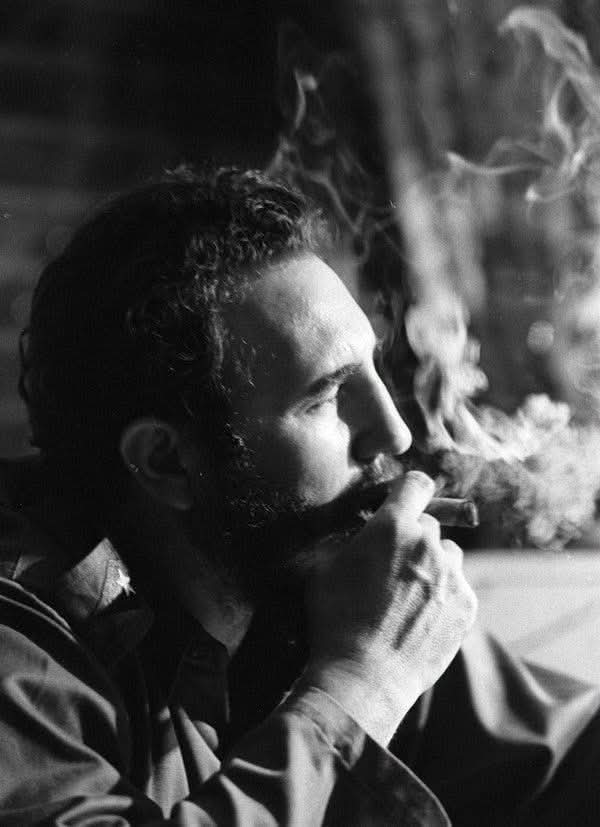
🇮🇹
Ho recentemente parlato dei 100 anni dalla nascita di Fidel, oggi parlo di cio' che resta dei 47 anni in cui El Comandante en Jefe e' stato al potere.
Diciamo forte e chiaro che non resta molto, anche perche' nel frattempo il mondo e' cambiato parecchio.
La prima cosa che fece Raul appena assunto il potere fu di sciogliere il "cerchio magico" di ministri che Fidel si portava dietro.
Da Lage a Perez Roque passando per Prieto.
C'era del marcio in quel cerchio magico, Fidel sicuramente sapeva ma lasciava correre per quieto vivere e per non sollevare troppa polvere.
Fu Raul ad avviare riforme importanti, legalizzo' il cuentapropismo, permise ai cubani di essere proprietari di case ed auto, elimino' quella ridicola legge che impediva ai cubani di entrare in certi hotel ecc...
Quindi molte cose che non andavano bene c'erano anche sotto il regno del Lider Maximo.
Pero' cosa resta?
Sicuramente la scuola fu ristrutturata totalmente dopo la Revolucion, furono create le scuole rurali nel campo, gente che non aveva mai visto un maestro si trovo' ad averlo, uno che magari arrivava dalla citta', questo spinse forte la scolarizzazione della popolazione.
Le universita' di medicina iniziarono a sfornare medici cubani e di altri paesi con cui Cuba era solidale, medici che poi partirono per le missioni internazionaliste di cui il paese va fiero al di la' delle polemiche spesso strumentali.
Furono creati i CDR, comitati per la difesa della Rivoluzione che, se da un lato avevano anche una forma di controllo sulla popolazione, dall'altro creavano comunque comunita' coese che, insieme, tentavano di risolvere i problemi dei luoghi dove vivevano.
Con Fidel l'impressione (di uno straniero e' sempre bene ricordarlo) era di un popolo che si dibatteva fra mille difficoltà ma che era comunque unito anche nelle battaglie piu' difficili, anche in quelle meno comprensibili.
Come scrivevo la gente a Cuba dice che con Fidel tutto quello che sta' accadendo non sarebbe successo, ricordo pero' che molte cose non andavano bene neanche sotto il suo regno, in quel caso la gente diceva che "Fidel non era informato di cio' che accadeva, non sapeva, glielo tenevano nascosto".
C'era una Cuba prima di Fidel e una dopo; la prima dava l'impressione di un blocco granitico dove ogni tanto qualche pezzo si staccava.
Quella del dopo, sopratutto quella di oggi, ricorda il pesciolino rosso che, dopo essere stato nella vaschetta tutta la vita con cibo e casa, viene gettato in mare aperto a cavarsela unicamente con le sue forze.
Concludo con un pezzetto di testo di Qualcuno era Comunista di Gaber che mi sembra attinente al pezzo.
"Qualcuno era comunista perché con accanto questo slancio ognuno era come
Più di se stesso: era come due persone in una
Da una parte la personale fatica quotidiana
E dall'altra il senso di appartenenza a una razza che voleva spiccare il volo
Per cambiare veramente la vita, no, niente rimpianti
Forse anche allora molti avevano aperto le ali senza essere capaci di volare
Come dei gabbiani ipotetici".
🇬🇧
I recently spoke about the 100th anniversary of Fidel's birth; today I'm talking about what remains of the 47 years that El Comandante en Jefe was in power.
Let's be clear: not much remains, especially since the world has changed a lot in the meantime.
The first thing Raul did upon assuming power was to dissolve the "magic circle" of ministers that Fidel had brought with him.
From Lage to Perez Roque, passing through Prieto.
There was something rotten in that magic circle, which Fidel certainly knew about, but he let it go for the sake of peace and to avoid stirring up too much dust.
It was Raul who initiated important reforms: he legalized the "cuentapropismo," allowed Cubans to own homes and cars, eliminated that ridiculous law that prevented Cubans from entering certain hotels, etc.
So, many things that weren't right were also present under the reign of the Lider Maximo.
But what remains?
Schools were certainly completely restructured after the Revolution. Rural schools were created in the countryside. People who had never seen a teacher found one, perhaps even one from the city. This greatly boosted the population's education.
Medical universities began to churn out doctors from Cuba and other countries with which Cuba was sympathetic, doctors who then went on internationalist missions, of which the country is proud, despite the often exploitative controversies.
The CDRs, Committees for the Defense of the Revolution, were created. While they also exercised a form of control over the population, they also created cohesive communities that, together, attempted to solve the problems of the places where they lived.
With Fidel, the impression (of a foreigner, it's always good to remember) was of a people struggling amidst a thousand difficulties, yet united even in the most difficult battles, even the least comprehensible ones.
As I was writing, people in Cuba say that with Fidel, everything that's happening now wouldn't have happened. I remember, however, that many things weren't going well even under his reign. In that case, people said, "Fidel wasn't informed of what was happening, he didn't know, it was kept from him."
There was a Cuba before Fidel and a Cuba after; the first gave the impression of a granite block from which every now and then a piece would break off.
The Cuba after, especially the one today, resembles the goldfish who, after living in a bowl all his life with food and shelter, is thrown into the open sea to fend for himself alone.
I'll conclude with a snippet from Gaber's "Someone Was a Communist" that seems relevant to the piece.
"Someone was a communist because with this drive, everyone was like
More than themselves: it was like two people in one.
On the one hand, the personal daily toil
And on the other, the sense of belonging to a race that wanted to take flight
To truly change their lives, no, no regrets
Perhaps even then, many had spread their wings without being able to fly
Like hypothetical seagulls."