Malta: A Mediterranean Gem of History, Sea, and Sun
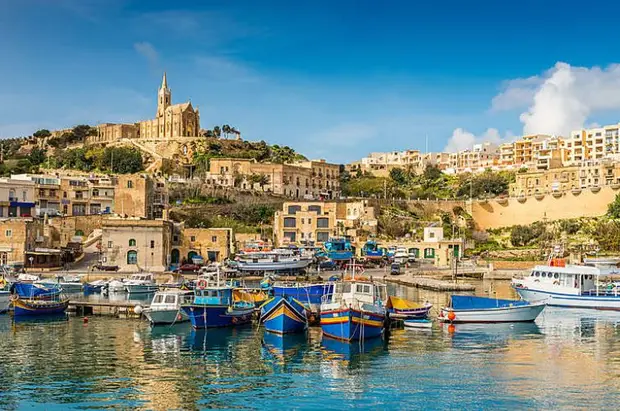
Malta – A Brief Overview
:contentReference[oaicite:0]{index=0} is a small archipelago located in the central Mediterranean Sea, between Sicily and the North African coast. Despite its small size, it has played a major strategic and cultural role throughout history.
Geography and Climate
Malta consists mainly of three inhabited islands: Malta, Gozo, and Comino. The landscape is low and rocky, with steep coastlines and very limited forested areas. The country has a Mediterranean climate, characterized by hot, dry summers and mild winters, making it attractive to tourists year-round.
History
Malta has been shaped by a succession of civilizations, including the Phoenicians, Romans, Arabs, Normans, and most notably the Knights of the Order of St. John. The Knights left a strong architectural legacy, especially in Valletta. During World War II, Malta was a crucial Allied stronghold due to its strategic position in the Mediterranean.
Culture and Society
Maltese culture reflects a blend of European and North African influences. The official languages are Maltese and English. Maltese is a Semitic language with significant Italian and Arabic influence. The population is predominantly Roman Catholic, and religious traditions remain important in daily life and local festivities.
Tourism
Malta is a popular tourist destination known for its clear waters, historic sites, and coastal scenery. Valletta, the capital city, is a UNESCO World Heritage Site. Visitors are also drawn to ancient megalithic temples, some of the oldest free-standing structures in the world, as well as diving locations and traditional fishing villages.
Summary
Malta combines rich history, cultural diversity, and natural beauty, making it one of the most distinctive destinations in the Mediterranean.