SC-S31/W4-Movie Magic |Movies that challenge society(Falling down'1993)
If I hadn't written about Hotel Rwanda before, it would be a perfect choice now. War is perhaps the greatest injustice for both individuals and humanity. It takes away the most valuable thing — life. This film shows that people do not learn from the past. If other countries and the UN had helped Rwanda more decisively back then, or helped Ukraine now, the war would have ended sooner. Instead, an open war has been going on in our country for five years, and no one knows when it will end.
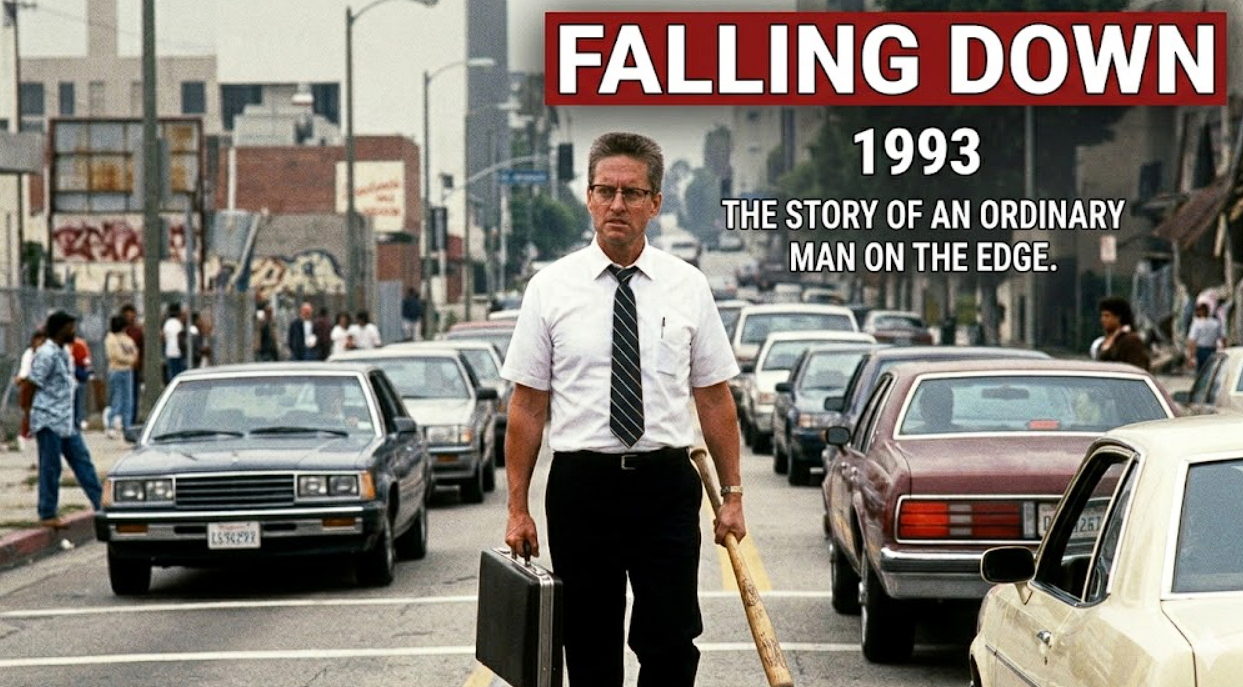
However, I have already mentioned that film, so I want to talk about a different one. I looked at many movies about injustice and breaking social norms. I decided to tell you about a 1993 film starring Michael Douglas and Robert Duvall.
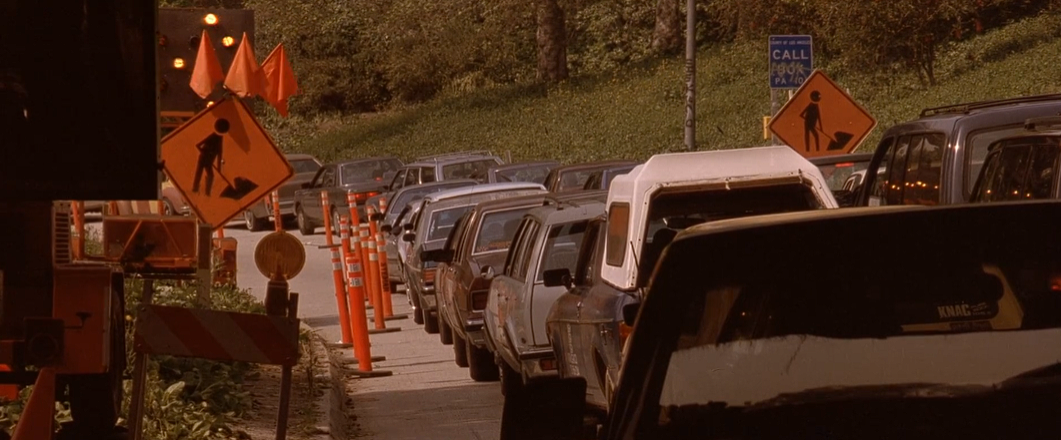
The movie starts with a traffic jam. Two main characters are stuck on their way to work. For one of them, William Foster, it is a very bad day that keeps getting worse. For the police officer, Martin Prendergast, it should be a happy day — it is his last day before retirement.
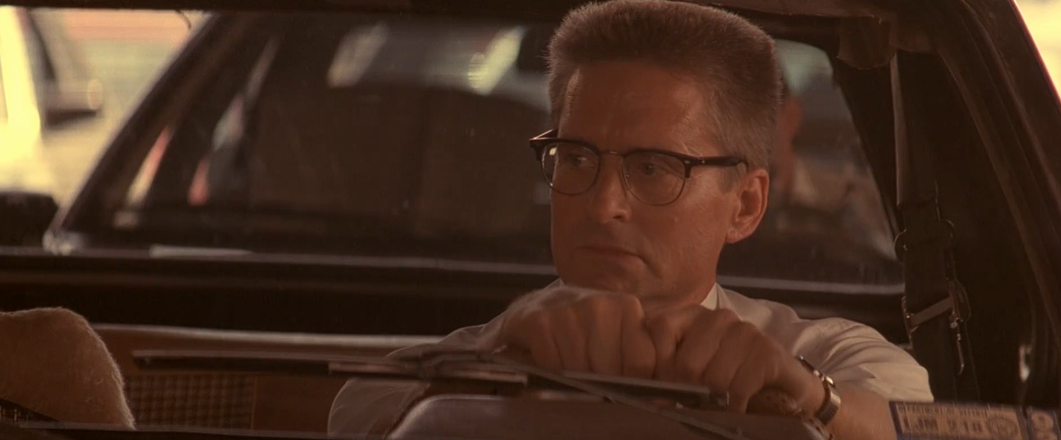 |  |
It is also Foster's daughter's birthday, and he wants to see her. He leaves his car in the middle of the traffic jam and starts walking across the city. He says, "I’m going home." This is why some early translations called the movie I'm Going Home, though it is better known as Falling Down.
He stops at a payphone to call home, but he runs out of coins. He goes to a small shop nearby to get change. The shopkeeper refuses to give him change and says he must buy something.
This is the first big conflict. Foster has to buy a can of soda just to get coins for the phone. He gets angry because the price is too high. He accuses the shopkeeper of taking advantage of poor people. Foster loses control, smashes the shop with a baseball bat, and "demands" a fair price.
This scene is very important. At first, it looks like he is fighting injustice — high prices and rudeness. But his anger is too much for the situation. Instead of just arguing, he uses violence.
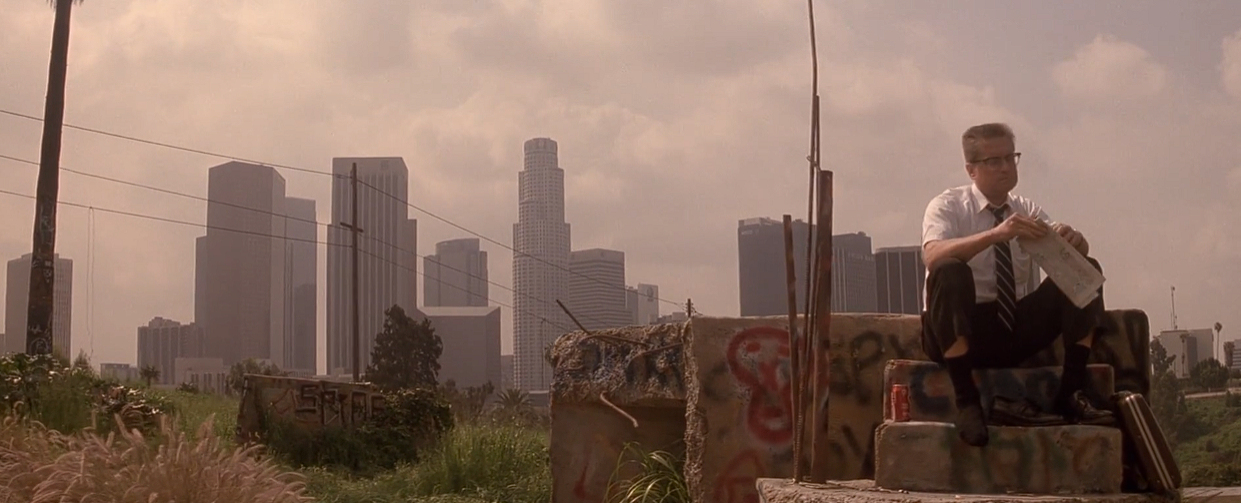
Later, Foster walks through a vacant lot. He sits down to fix his shoe with a piece of newspaper. Two gang members approach him and demand money for crossing "their" territory. They think his briefcase has something valuable inside. They threaten him with a knife, but Foster uses the bat he took from the shop to fight them off. In the end, he takes their knife and continues his journey "home."
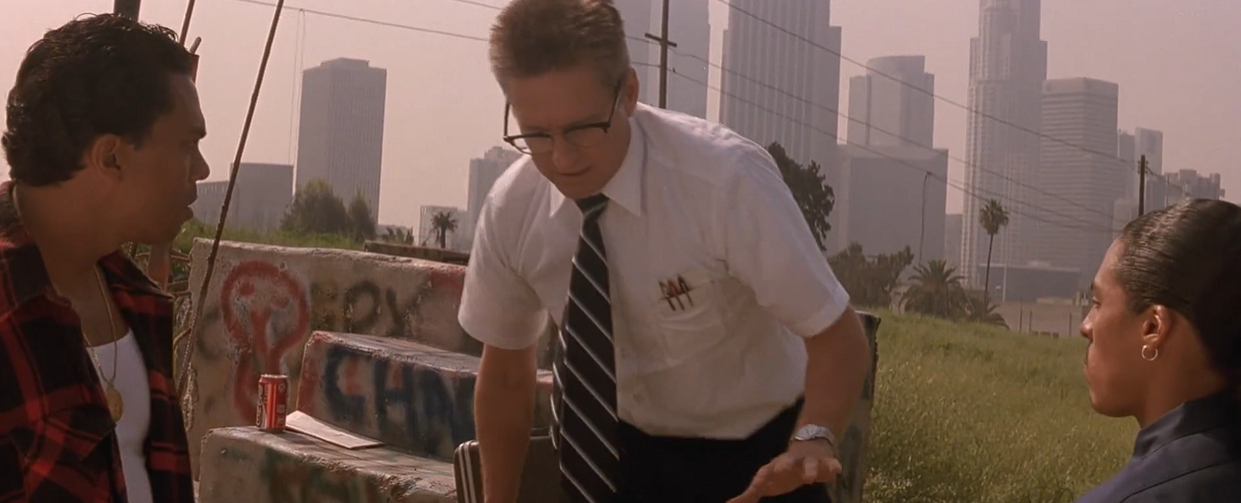
At the police station, the shopkeeper (a Korean man) comes to report the attack. However, the officer on his last day of work doesn't take the case because he only handles robberies. Since nothing was actually stolen from the shop, it doesn't count as a robbery in his department
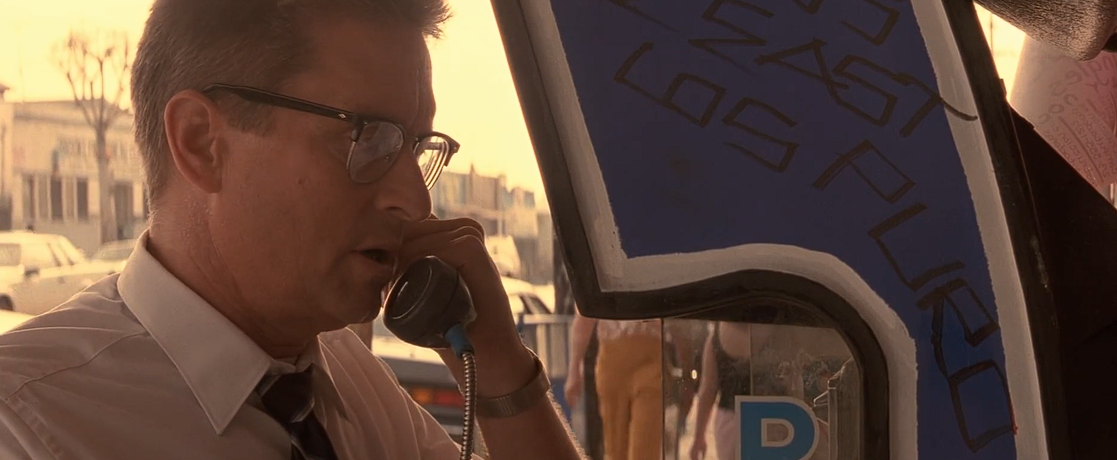
Meanwhile, Foster calls his ex-wife from a phone booth. He tells her he is coming home to celebrate his daughter's birthday.
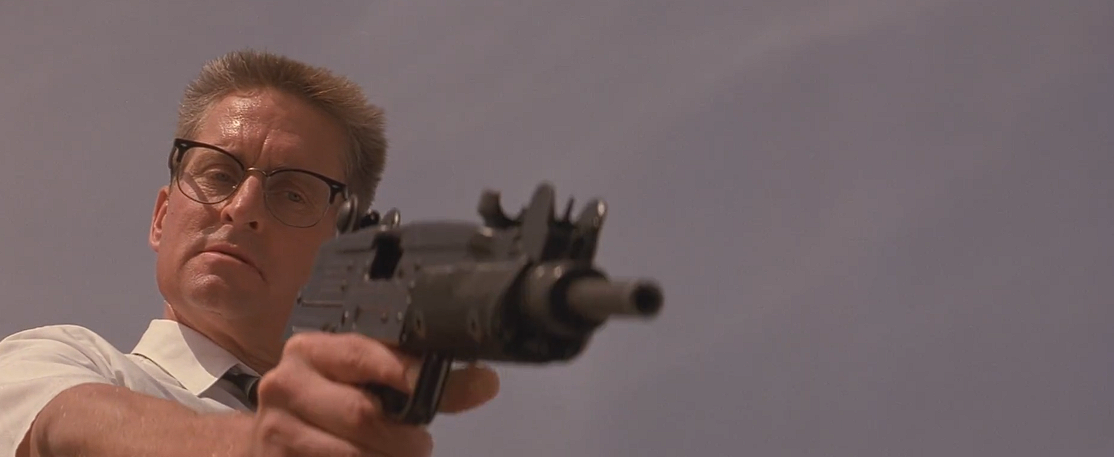
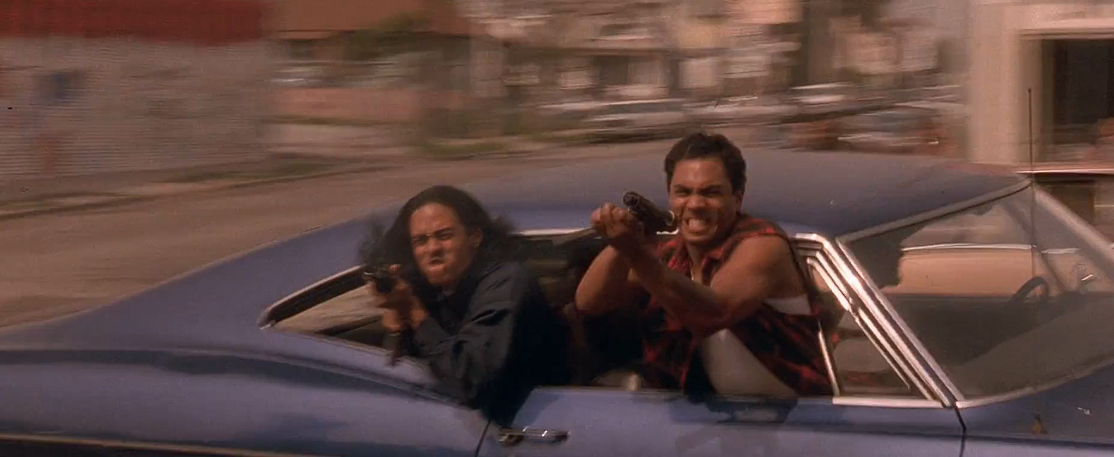
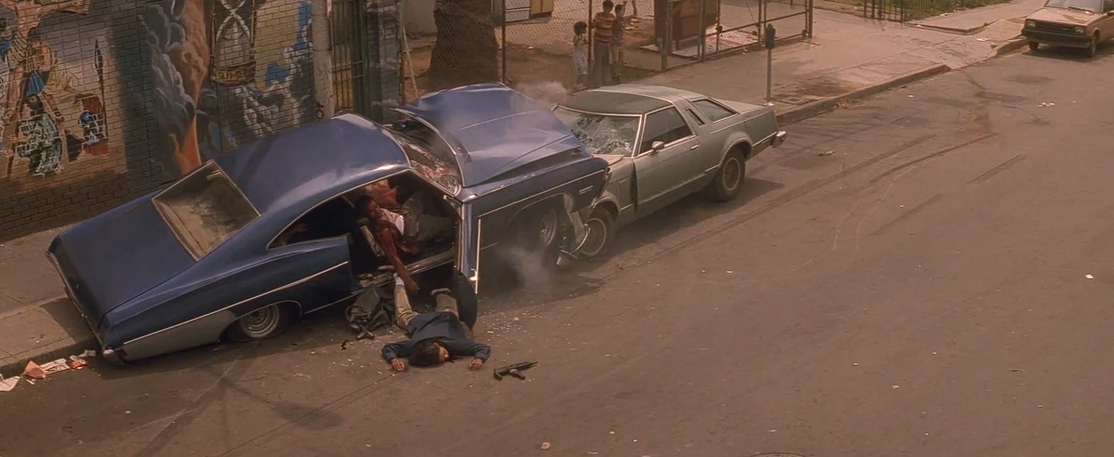
At the same time, the gang members he beat earlier are looking for revenge. They drive by in a car with their gang and see him at the phone booth. They start shooting, but they miss him completely. Instead, they hit and injure many innocent people nearby. Their car then crashes. Foster walks up to them, picks up a submachine gun from the ground, and calmly says, "I missed you, and you missed me." Then, he shoots and wounds one of the attackers to show them "how to shoot." He takes their entire bag full of weapons.
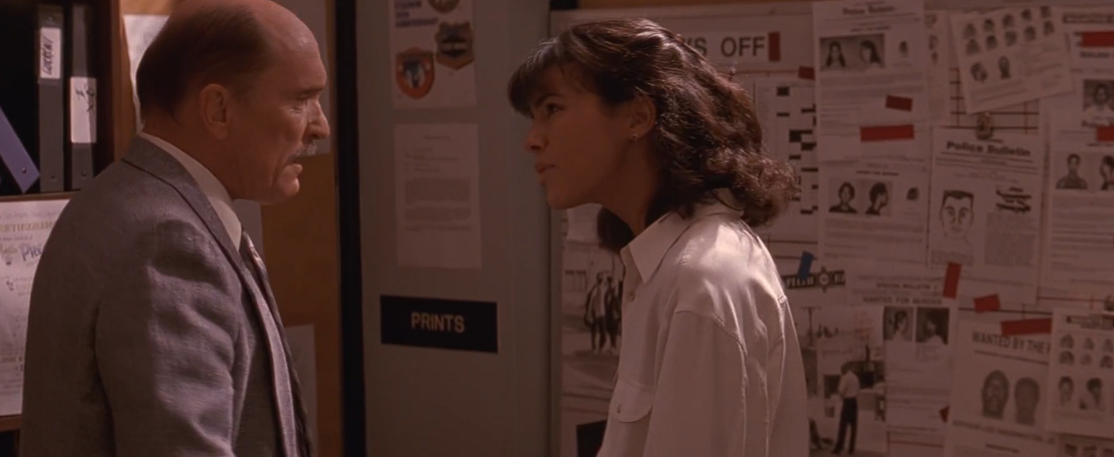
Later, the police interview Foster's ex-wife. She says, "He wasn't always such a bad man, but the judge wanted to set an example for others." Because of a court order, Foster is not allowed to come within 90 feet of his family. The police officer asks if he drinks, uses drugs, or if he ever hit his wife or child. The answer to every question is "No." This shows that his breakdown is not caused by typical problems, but by something deeper inside him.
 |  |
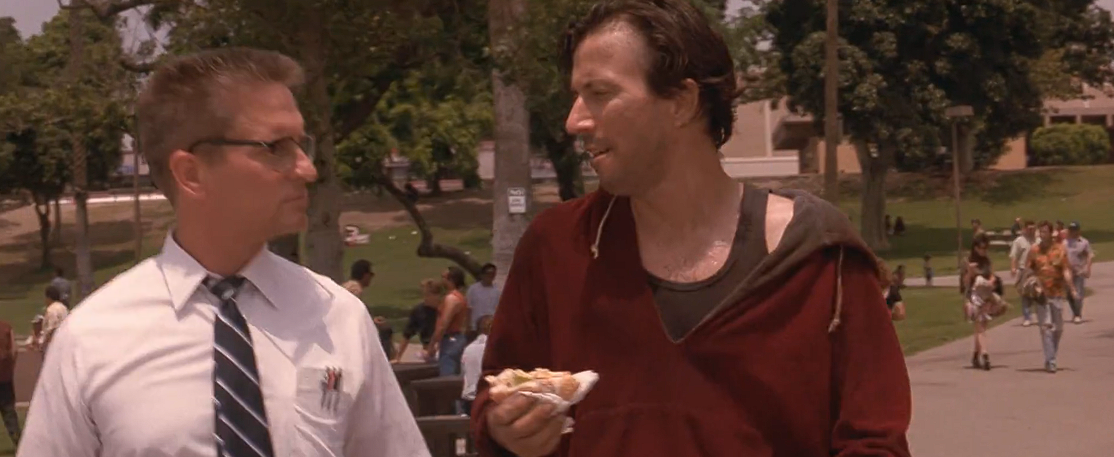
In a park where families were spending time, a homeless man approaches Foster. He asks for a few dollars or even just a few cents. Foster simply replies, "Get a job."
у тебе дві сумки у мене жодної дай одну
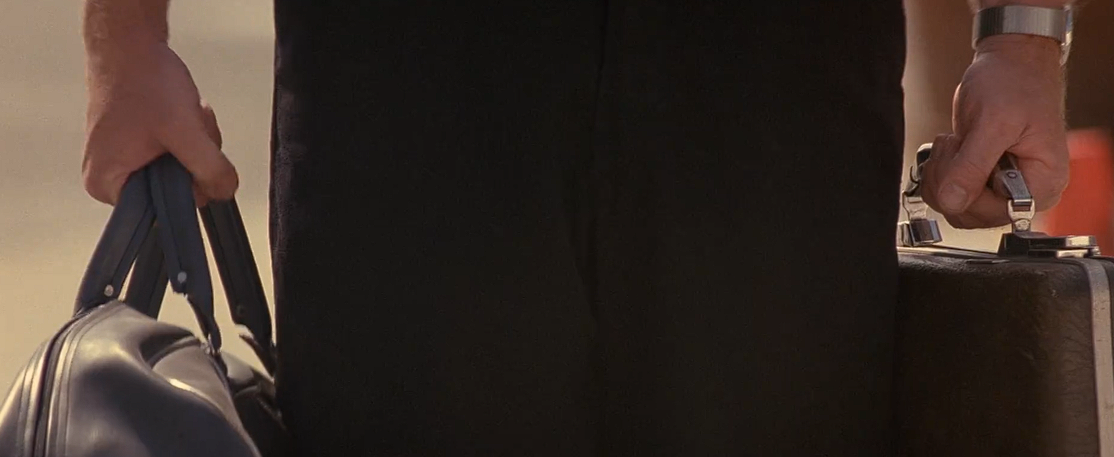
The man notices Foster’s luggage and says, "You have two bags, and I have none. Give me one." After thinking for a moment, Foster hands him his briefcase. This act is a symbol: he is leaving his old life behind and moving forward. It shows that he is now fully committed to his journey "home."
Foster is a tragic character. He doesn't realize that he is slowly becoming the very thing he hates — a source of violence and fear.
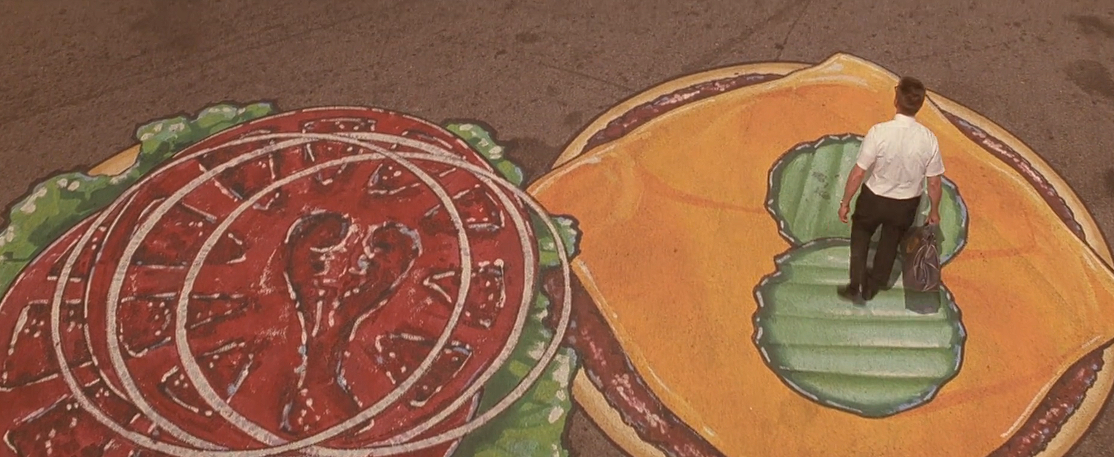
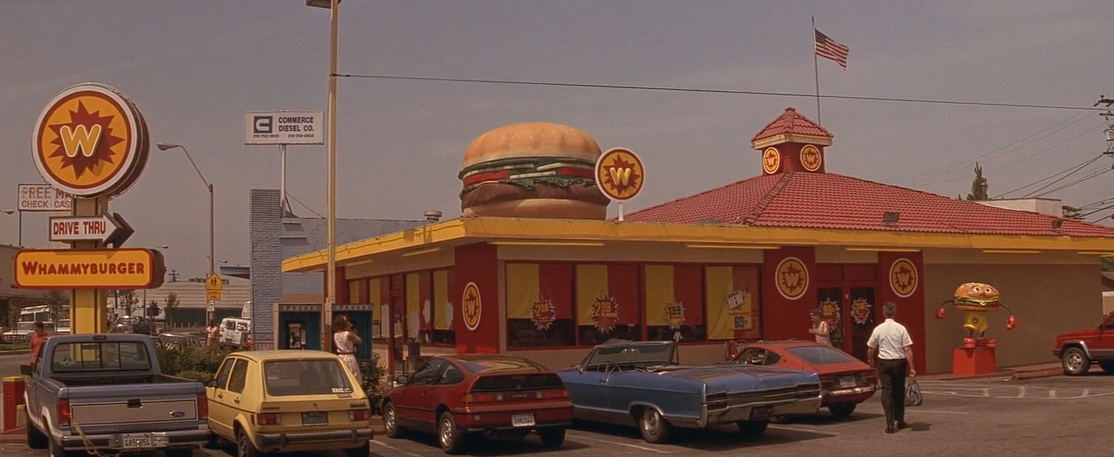
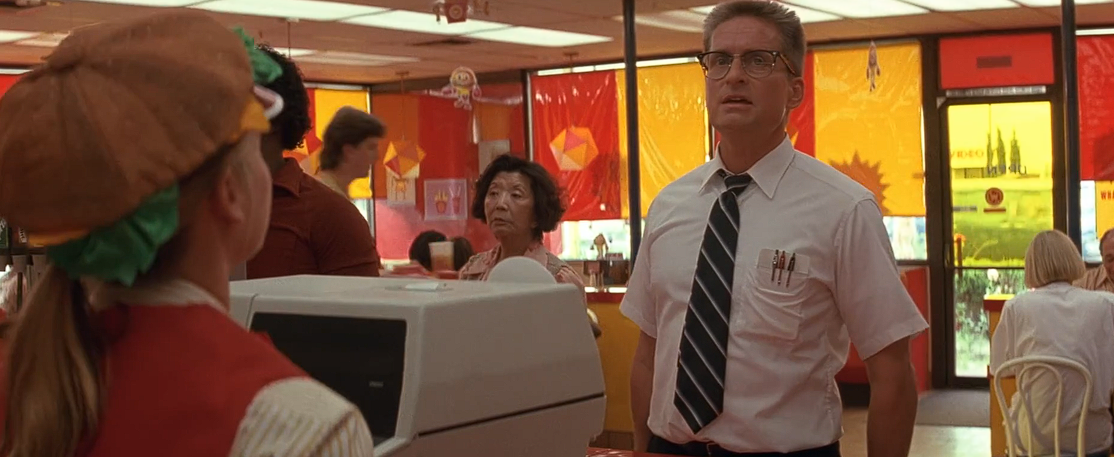
Next, Foster goes into a fast-food restaurant. He wants to order breakfast from a worker named Sheila. She tells him they are no longer serving breakfast and offers the lunch menu instead. The manager joins the conversation and politely explains that breakfast ended at 11:30. Foster missed it by only four minutes.
Foster reminds them of the famous business rule: "The customer is always right." He is frustrated because he believes the system is being difficult for no reason.
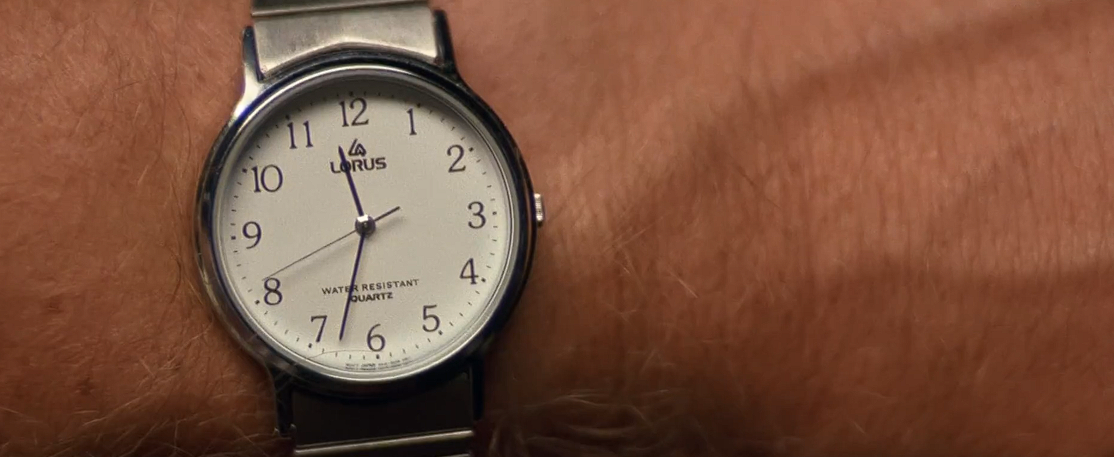
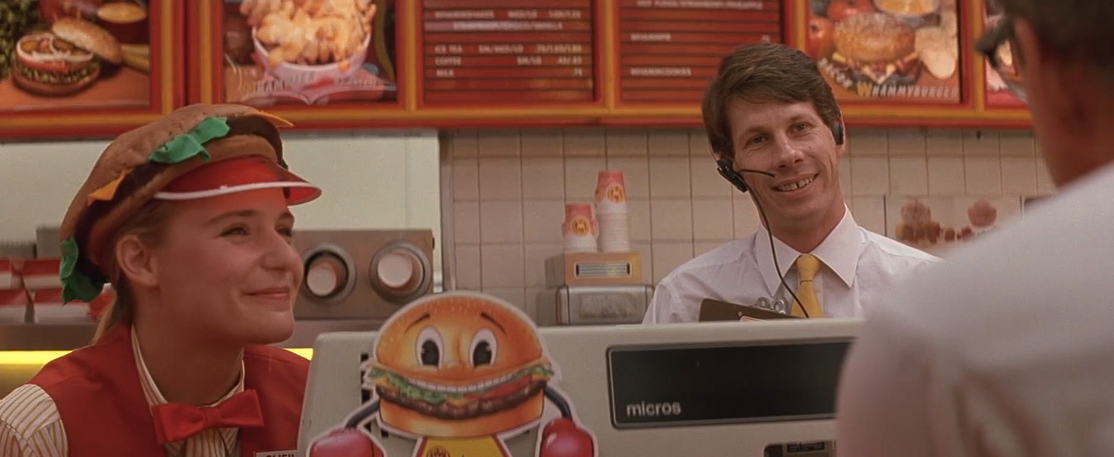
Foster says, "Well, I am the customer." But the manager still refuses, saying, "We have rules. We can only serve lunch." But Foster doesn't want lunch!
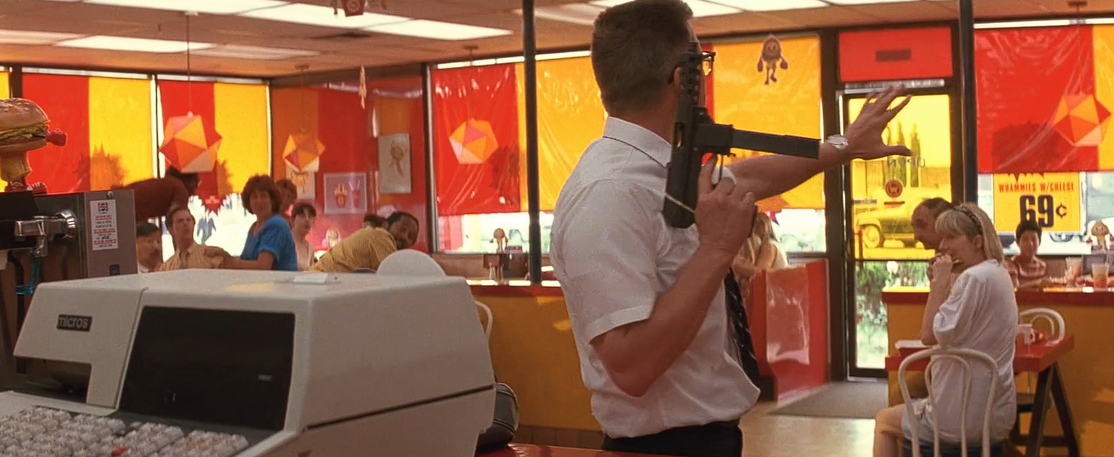
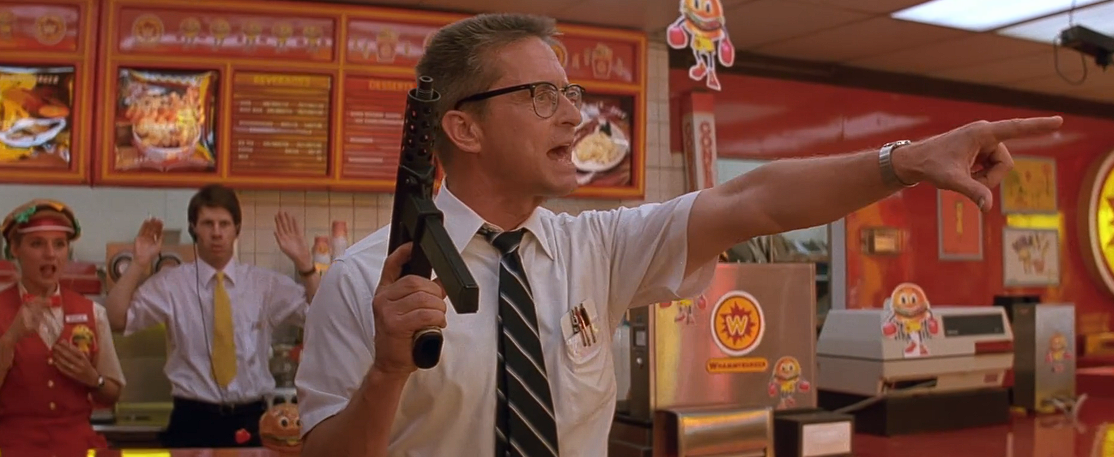
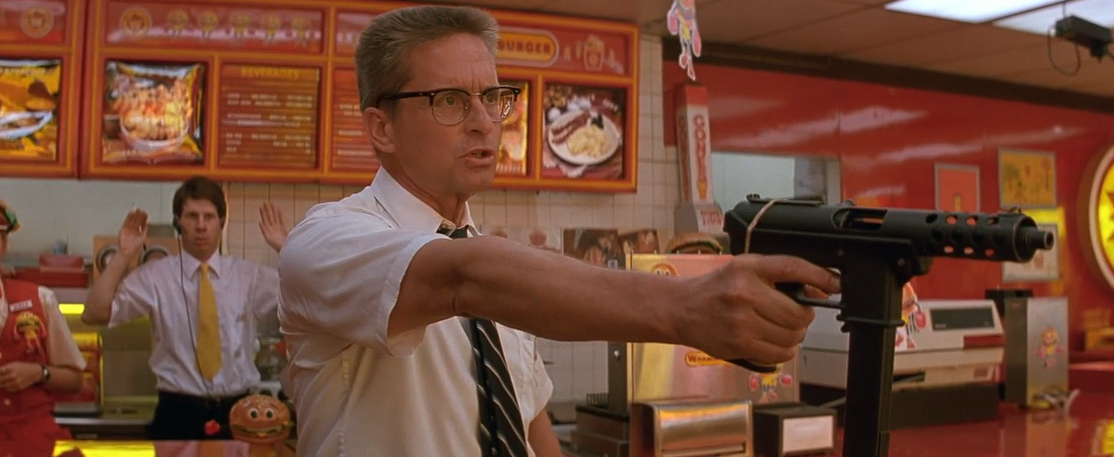
He pulls out a gun, and it goes off by accident. This moment shows how quickly these situations can spin out of control. Foster simply apologizes, saying the gun has a "very sensitive trigger."
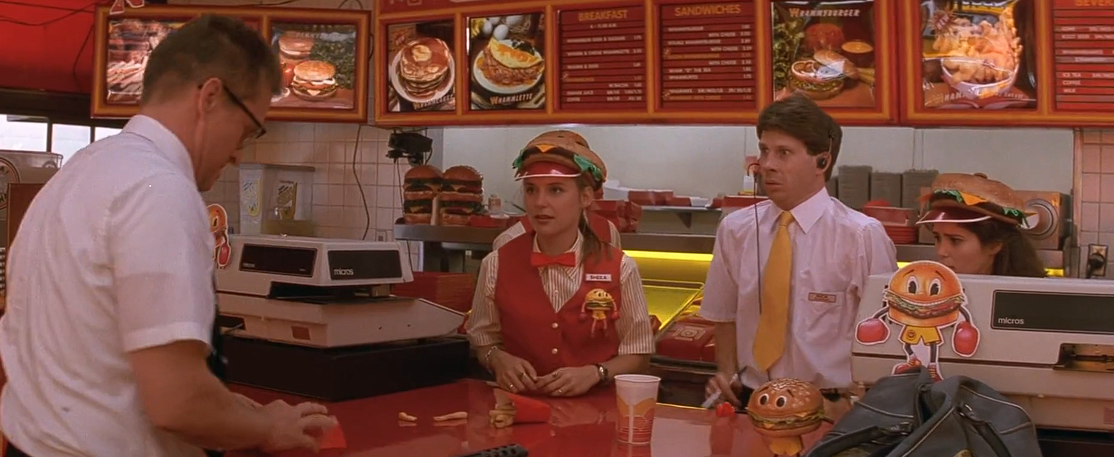
Then, Foster changes his mind and orders lunch anyway: a double cheeseburger, fries, and a chocolate shake.
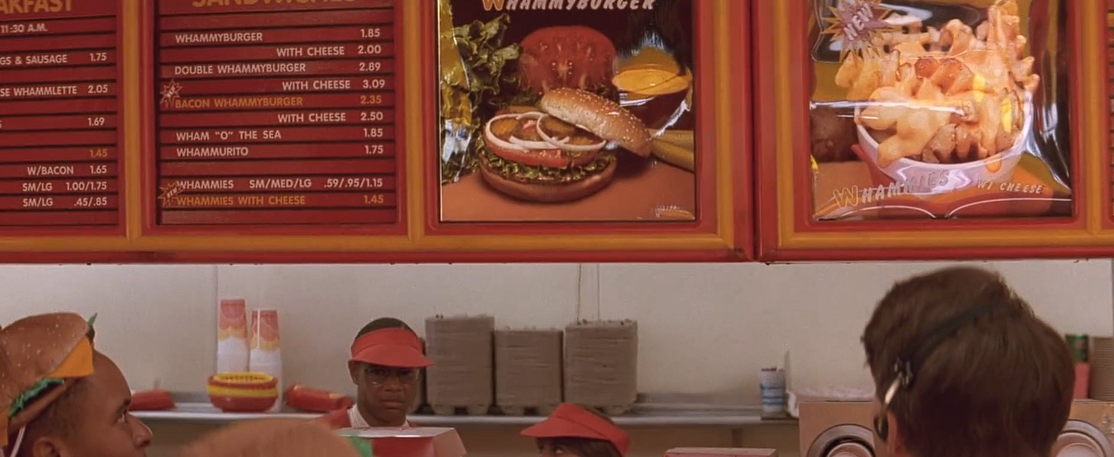
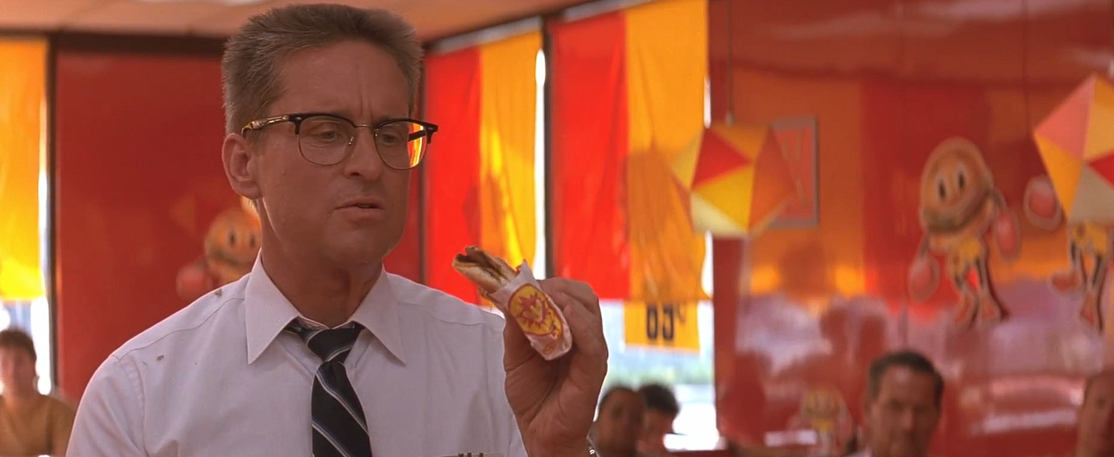
When he gets his food, he asks a famous question: why does the burger on the advertisement look 7 cm thick, but the one he received is just a "miserable, squashed thing"?
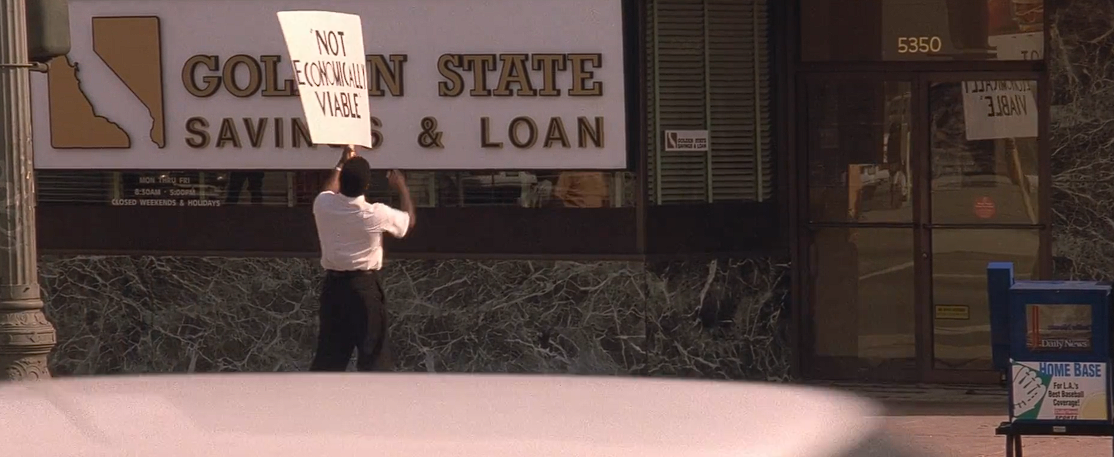 | 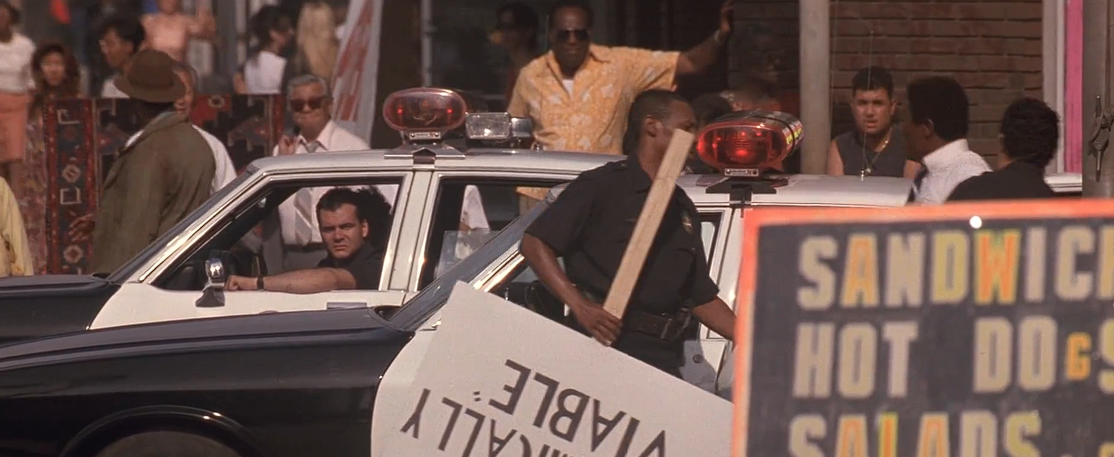 |
Later, while Foster is buying a glass snow globe as a gift for his daughter, he sees another man protesting outside a bank. The man was denied a loan because he is "economically unviable," and now the police are taking him away for the same reason.
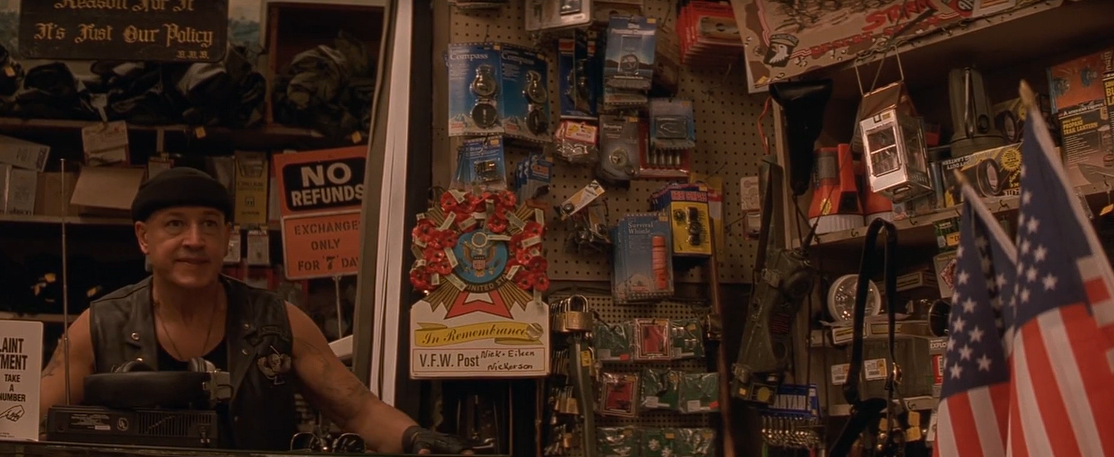
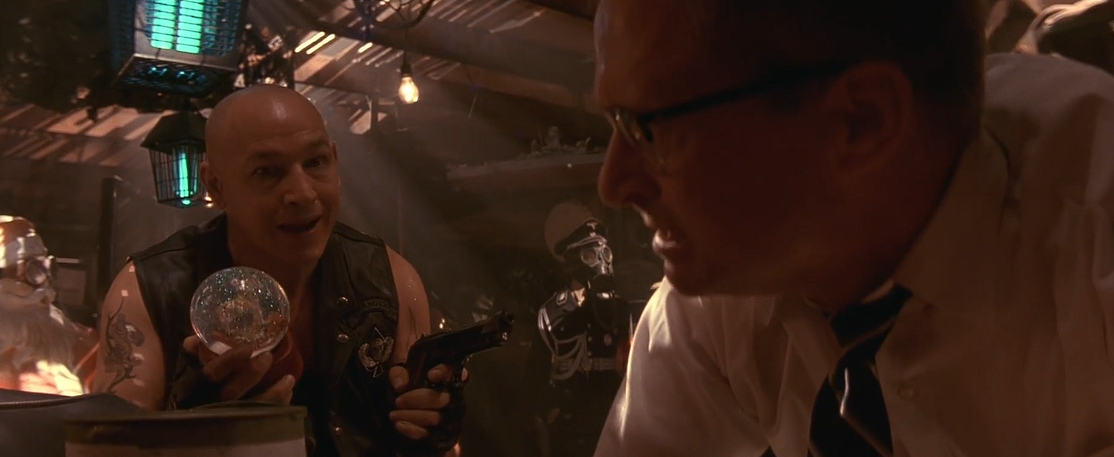
The most important turning point happens in a surplus store. Foster goes there just to buy new shoes because his old ones are worn out and hurting his feet. While talking to the shop owner, Foster realizes the man is a neo-Nazi and a hater of many groups. When the police come looking for Foster, the owner hides him and says, "We are the same."
This shocks Foster. For the first time, he sees where his anger can lead. Until now, he thought he was just an "ordinary man" pushed too far. But now he sees his own reflection in a man he hates. The movie shows how thin the line is between protesting injustice and becoming full of hate. When the owner breaks the daughter's gift and threatens him, Foster kills him in self-defense. This is a major moral break: he rejects the Nazi, but he does it through more violence.
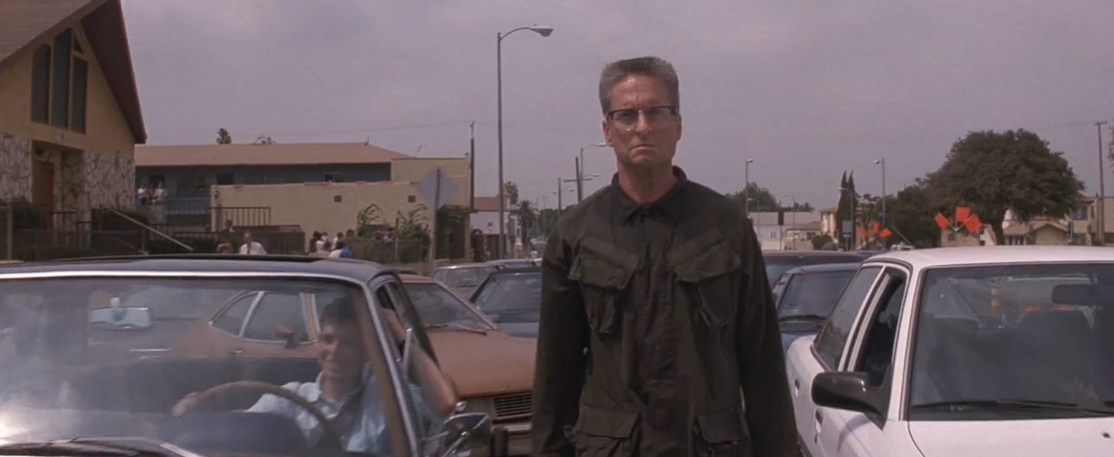
Foster hits another traffic jam. He says that the road was fine two days ago and suspects the roadwork is fake. During an argument with a construction worker, the worker sees Foster’s gun. To avoid trouble, the worker agrees with him that nothing is actually wrong with the road. This is exactly what Foster wanted to hear.
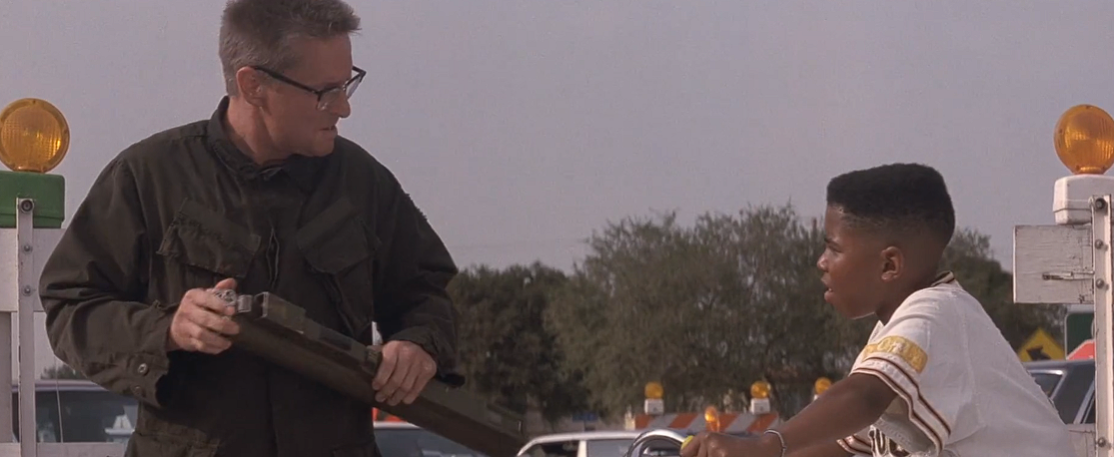
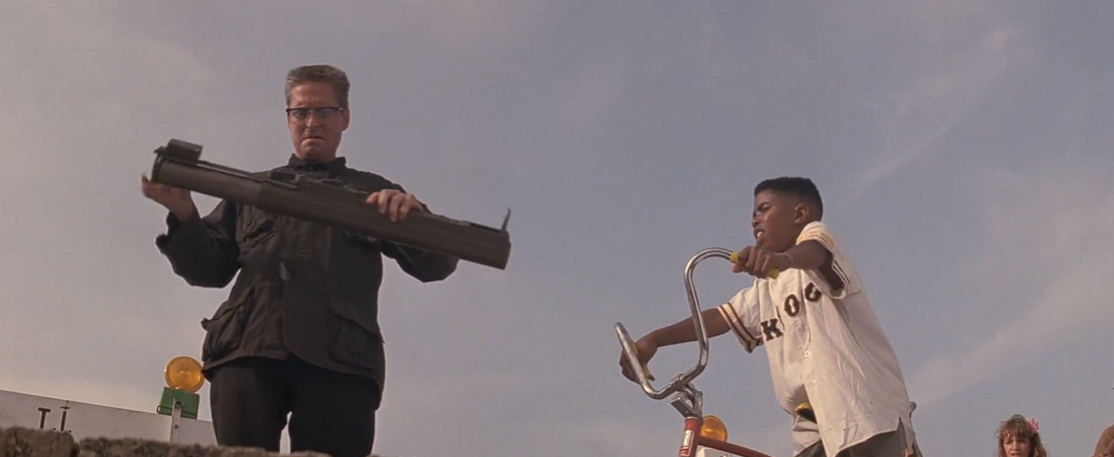
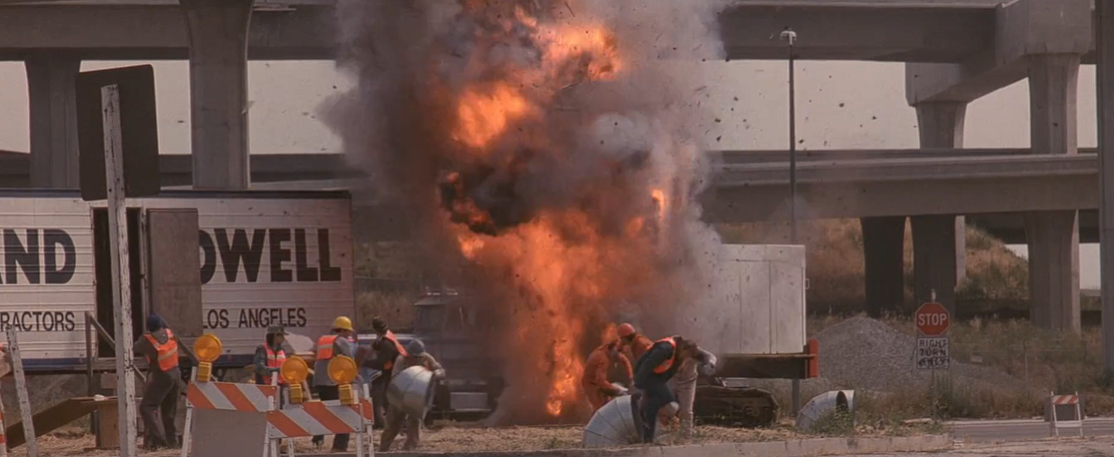
Foster then takes out a rocket launcher, but he doesn't know how to use it. A young boy on a bicycle shows him how to fire it. The boy thinks they are just making a movie.
 |  |
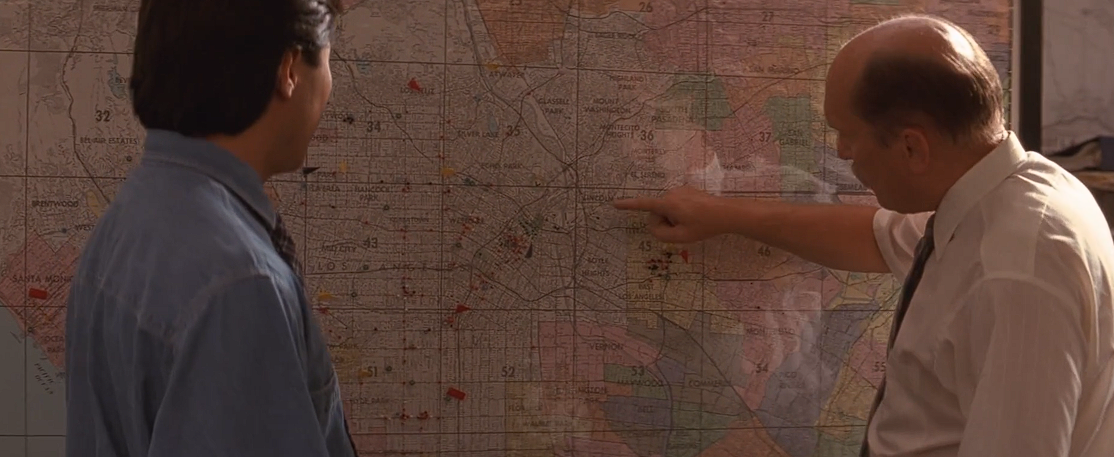
Meanwhile, the police find out where Foster lives. They go to his mother's house, which is where Foster has been staying.
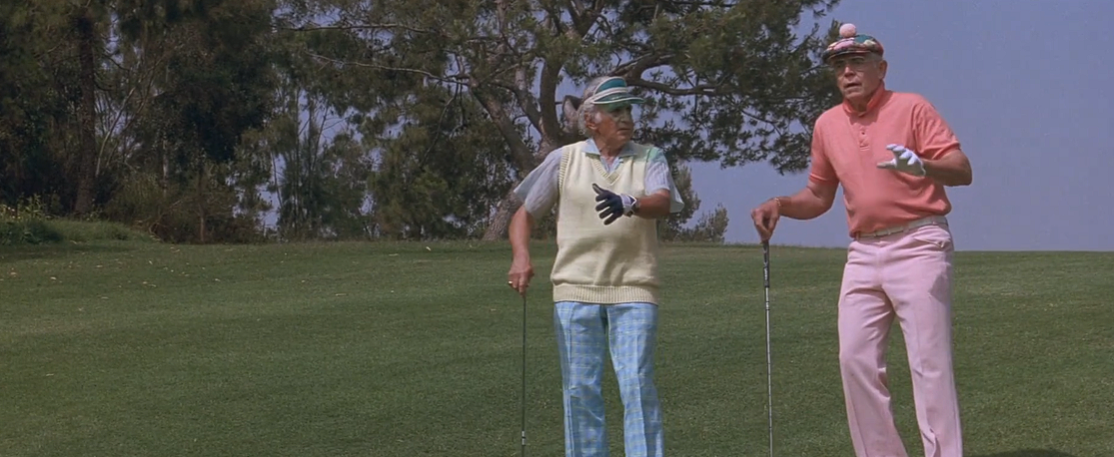
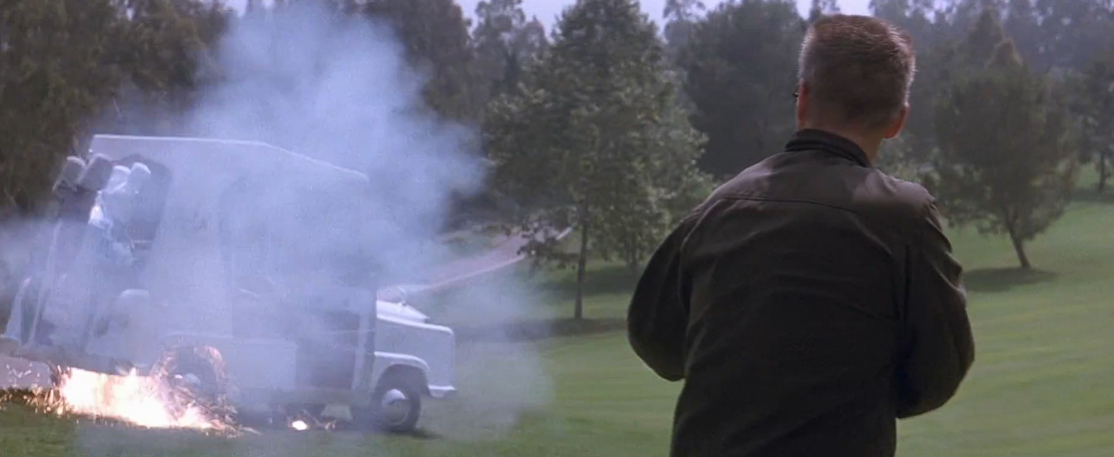
Continuing his journey, Foster walks across a private golf course. Two elderly men tell him to leave. Foster explains that he is just passing through. One of the men hits a golf ball at him, nearly missing. Angry, Foster shoots their golf cart, and it rolls into a small lake. The old man has a heart attack, but his medicine is inside the cart that just sank. If they had simply let him walk through, nothing bad would have happened.
I will skip the scene with the plastic surgeon's family...
Meanwhile, the police find out where Foster’s daughter lives.
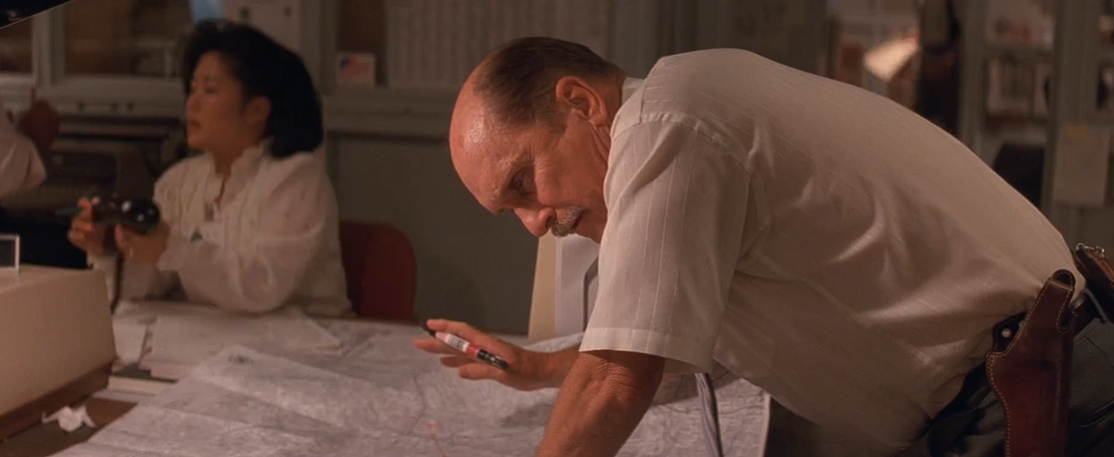
When we finally see Foster "at home," watching old family videos, we understand that the problem wasn't just the injustice he faced. The videos show that he was also a source of injustice. He always wanted total control. He was bossy and aggressive even in normal daily life. This is why his ex-wife is afraid of him and why she divorced him. A court ordered him to stay away from her and their daughter. To her, he is not a "sad father," but a dangerous man with a lot of anger.
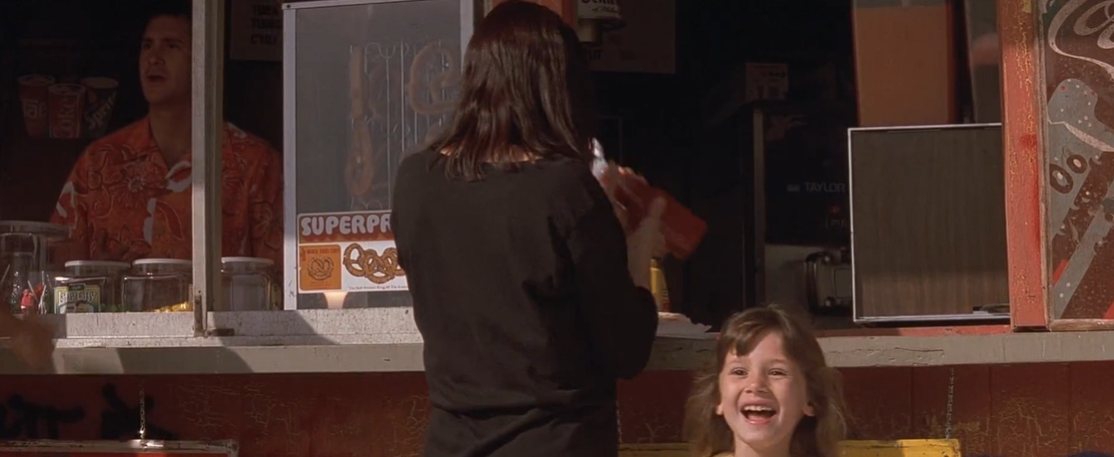
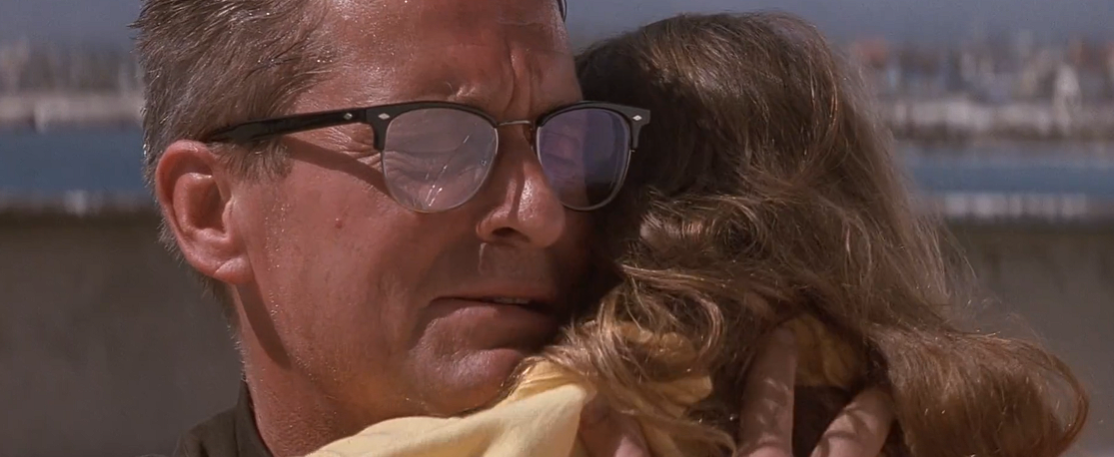
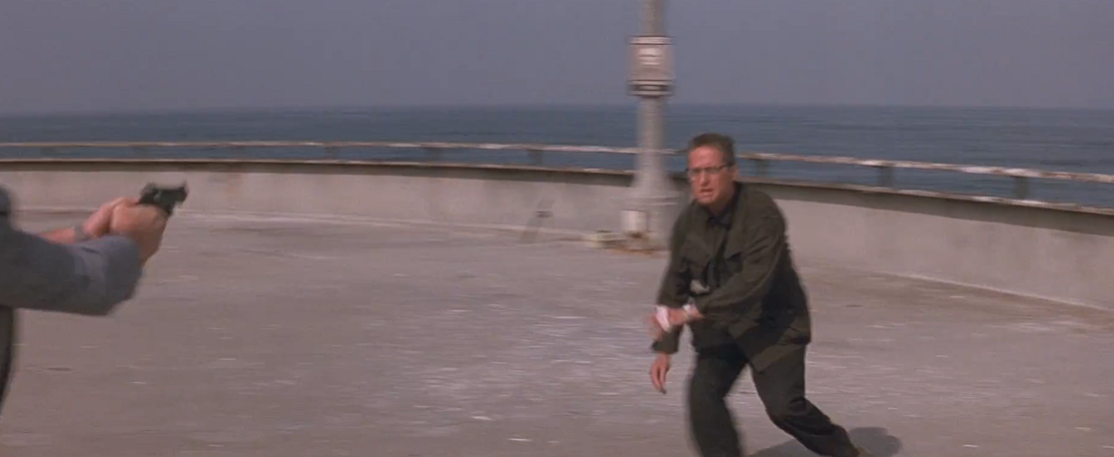
Despite this, Foster is obsessed with seeing his daughter for her birthday. When he realizes his wife took the child to a pier, he rushes there in a panic, even injuring a female police officer. For him, this isn't just a trip home anymore — it is a desperate attempt to get back the life he lost long ago.
His daughter is still young and is truly happy to see her father. This makes the ending even more tragic. At this moment, it is clear that Foster lives in his own version of reality. For months, he pretended to go to work even though he was fired long ago. He calls his ex-wife "his family," ignoring the divorce and the court order. He cannot accept that the world has changed and that people no longer want to live by his rules.
This is why the hero’s final line — "I'm the bad guy?" — is so powerful. Throughout the whole movie, he thought he was just an ordinary man, a victim of an unfair society. But at the end, he finally begins to understand that he has become the source of fear and violence for others.
In the end, Foster commits "suicide by cop." He pulls out a toy gun, making the police believe it is real, so they will shoot him.
What social problems does the film highlight?
The film explores many social issues, but the main one is that society ignores a person’s problems until they turn into a crime.
The movie also describes the loneliness of a person in a big city, the pain of losing a job, and the indifference people show toward one another. It criticizes the "consumer society," absurd rules, the mechanical way people treat each other, greed, and class inequality.
Foster is two things at the same time: he is a victim of the system, and he is a man who became a dangerous threat to everyone else
There are only a few hours left until the end of this week's challenge, so I invite @alfazmalek @strecoza @afzalqamar to take part in next week's challenge!
Comment
Welcome to Steemit challenge season 31| movie Magic week4
Even though you are writing just for fun, I find it interesting! Good movie.
You have not shared on Twitter which is a part of the rule. Cheers
🎉 Congratulations!
Your post has been upvoted by the SteemX Team! 🚀
SteemX is a modern, user-friendly and powerful platform built for the Steem community.
🔗 Visit us: www.steemx.org
✅ Support our work — Vote for our witness: bountyking5
High-Yield Curation by @steem-seven
Your content has been supported!
Maximize your passive income!
Delegate your SP to us and earn high rewards
Click here to see our Tiered Reward System
We are the hope!