SC-S29/W3- Nostalgia Of The Liitle Me : Childhood Food Memories- Appam
Dear Steemians,
I am Jyoti from India glad to take part in the SC 29 W3 contest organised by @sohanurrahma
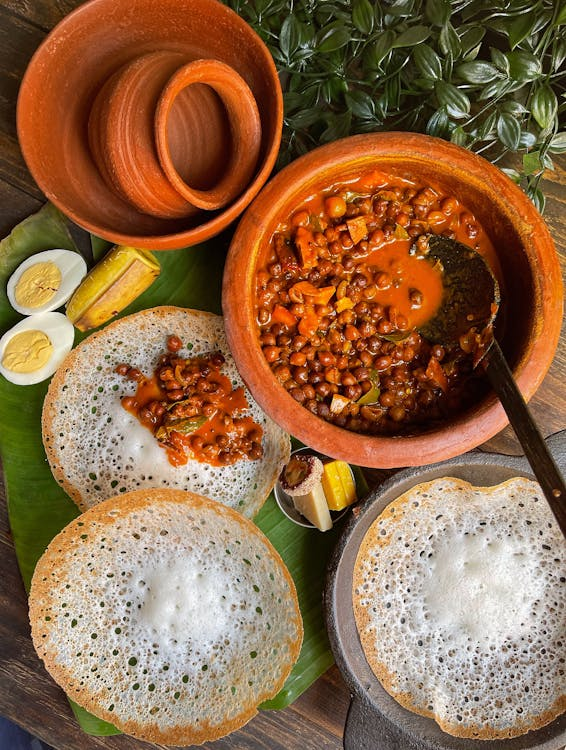
Since I am a native of South India, I have been accustomed to eating South Indian cuisine since childhood. These dishes, found all over the world, are renowned for their quality, aroma, and irresistible taste. Whether it's the perfect blend of crispiness and nutty aroma in a dosa, or the Hyderabadi biryani served directly from a clay pot – every dish you try here is a delight to eat. South Indian food is not only delicious but also nutritious and easily digestible. Rice is the staple food of South India, where lentils, coconut, and spices are often used abundantly in the prepared dishes to bring out a wonderful combination of flavor, texture, nutrition, taste, and appearance.
What childhood food or dish do you still remember clearly, and why is it special to you? |
|---|
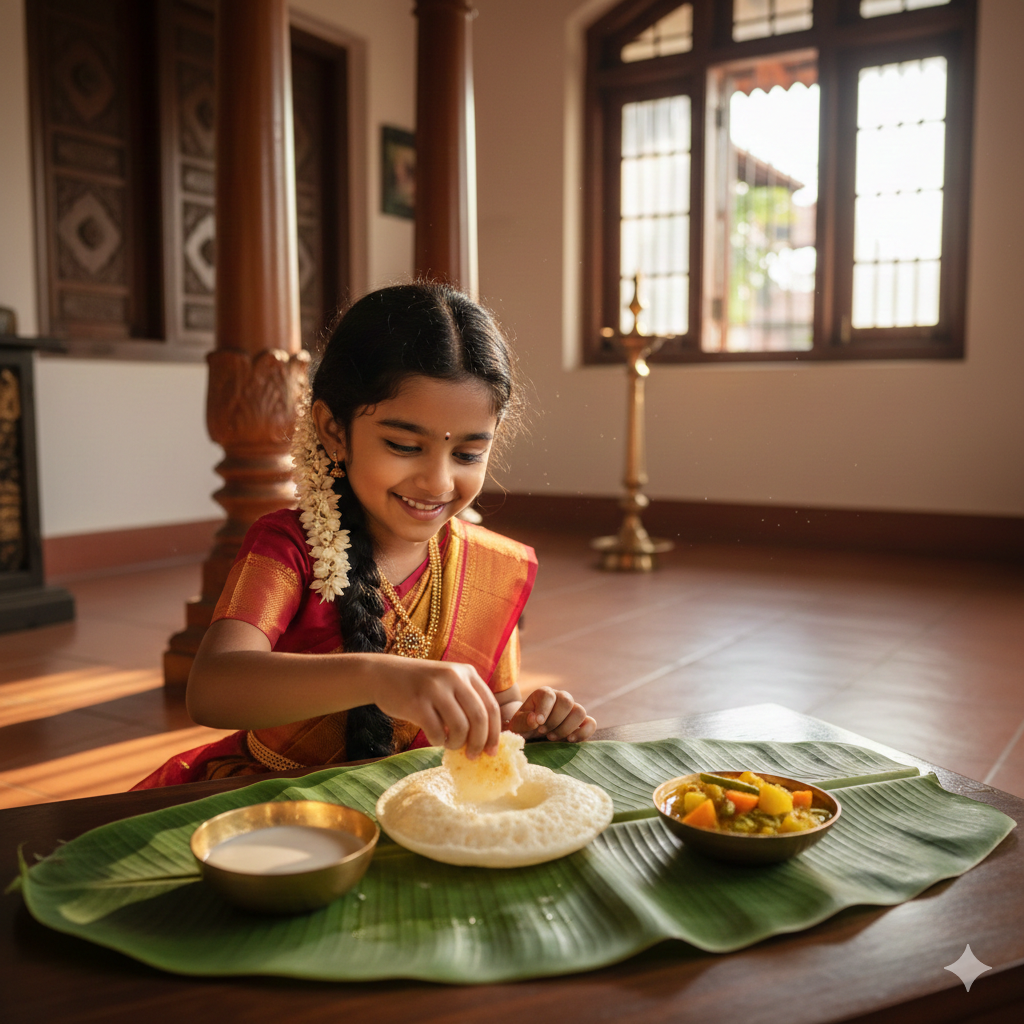
As a child, I was mostly happy eating snacks, especially chocolates, puffs, bondas, and appam. I particularly loved eating appam with coconut milk. Of all these, I especially loved the appam made by my mother at home; no matter how many times I ate it, I never got tired of it.
Appam is a South Indian fermented rice pancake with a soft, fluffy center and thin, lacy edges, traditionally eaten in Kerala and Tamil Nadu. It is a staple breakfast or dinner dish, commonly paired with coconut milk, vegetable stew, egg curry, or meat curries.
Appam can be eaten with coconut milk and a little sugar, or with vegetable curry, chicken curry, or beef curry.
Similarly, appam can also be enjoyed with chutneys, spicy curries, sambar, or with fusion breakfast dishes like baked beans and sauces.
Who usually prepared this food for you, and how did it make you feel at that time? |
|---|
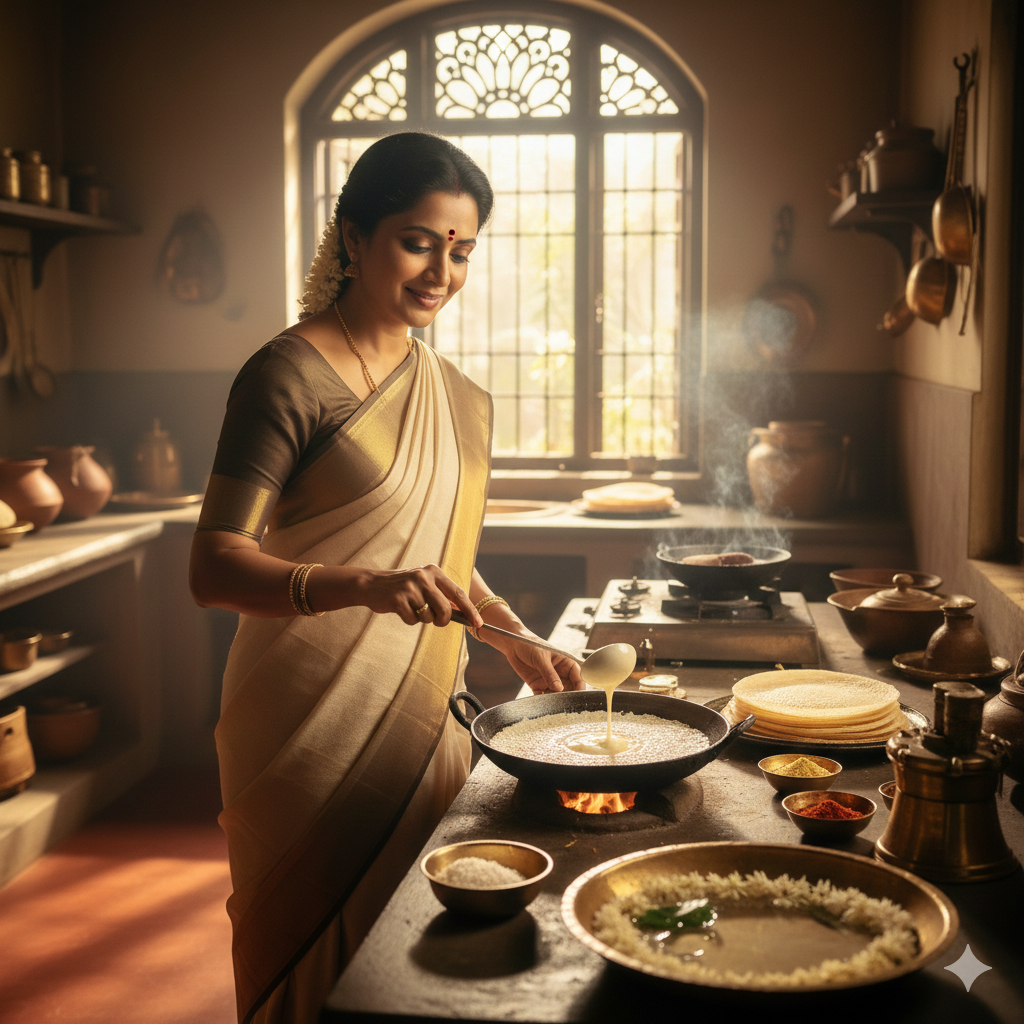
Generally, Appam is a traditional dish prepared and served at my home by loving family members like my mother or grandmother. Eating it with hot coconut milk or kurma evoked a feeling of deep satisfaction, reminding me of the affection of my family and the loving atmosphere of my home. The center of the appam my mother makes is soft and has a texture similar to idli or a fluffy dosa on the plate. The edges have a crispy texture, just like a dosa. Unlike idli batter, grated coconut is added to the appam batter, so you can taste the flavor of coconut when you eat the appam.
I would say everyone should try this at least once; it's a unique dish.
When and where did you usually eat it (home, school, village, special occasions)? |
|---|
My mother's cooking is something I love that much. Besides her appam, I love everything my mother cooks at home. If I have to mention a few specific dishes, I could go on and on: mutton biryani, brinjal and potato curry, rasam, tamarind rice, fish curry, and so on. Without watching cooking shows on television, she would surprise us by creating something new and innovative on her own.
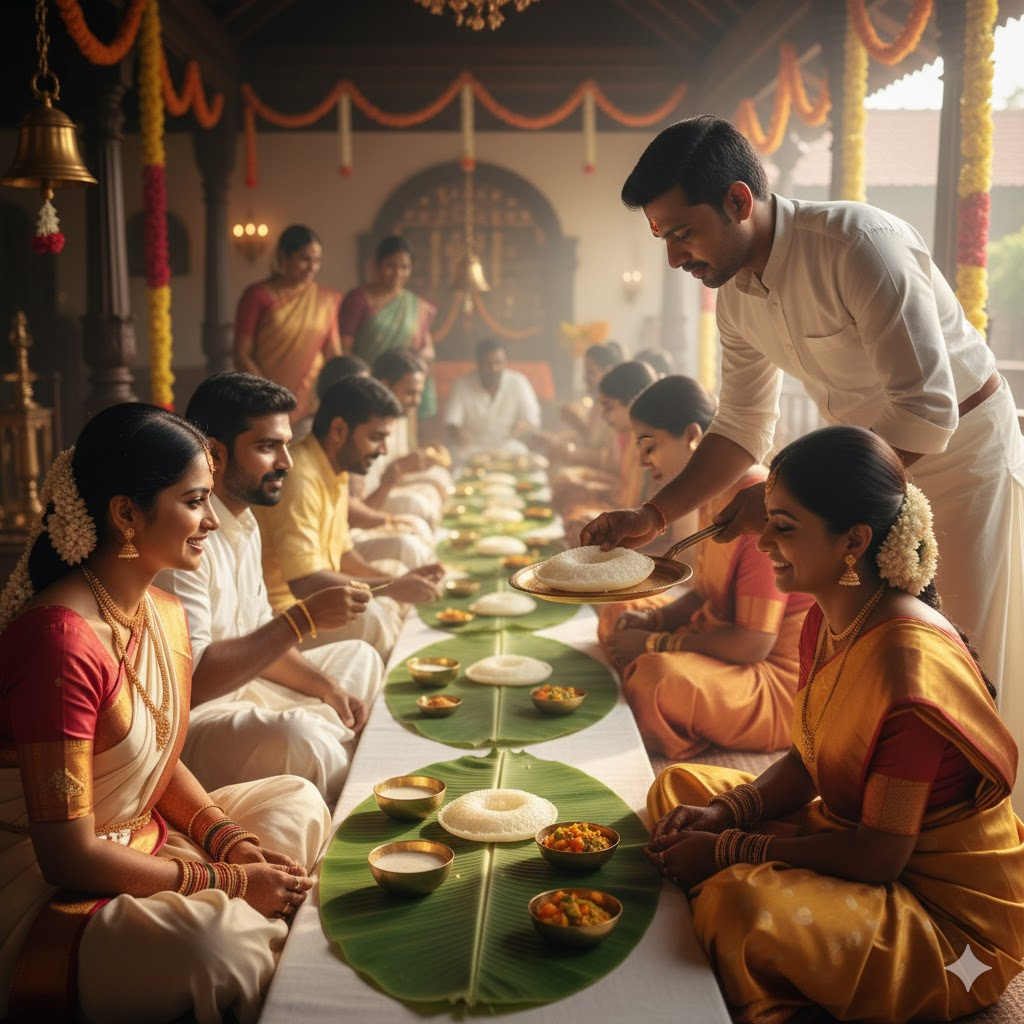
In South Indian celebrations such as weddings, ear-piercing ceremonies, and other festivals, appam is an essential item on the menu. And eating it when served on a banana leaf while seated is a unique pleasure. Whenever I attend any celebration, I check if appam is available, and if it is, I definitely eat it first.
This item is definitely on the menu at most restaurants in our town, and several varieties are available. If there are any new varieties, I definitely try them.
What emotions come back when you think about the taste, smell, or moment? |
|---|
I was introduced to it once at a young age by a friend. They had sent lunch for me from her home on one occasion. It was appam, along with coconut milk and pea kurma as accompaniments. So when ever i eat this appam i defenate;ly remember her and her famuly. There is a strong connection between food and emotions.
Spicy, salty, and sour flavors—all the spices, from pepper to mustard—are ingredients related to emotions. People who add a lot of spice, sourness, and salt to their food tend to have stronger emotions than usual. This food has a moderate balance of sweetness and spiciness, and all six tastes, so I feel it embodies a mix of different emotional states. When my mother scolded me and then served the food, I felt it was too spicy. Therefore, even now, when I eat that food, I recall her scolding me.
Is this food still part of your life today, or does it remain only as a memory? |
|---|
In my opinion, one of the lightest foods to eat for breakfast is appam with green gram curry. The reason is that it is completely oil-free and will not upset your stomach under any circumstances. They are neutral in taste and are usually served with spicy masala or curry. It is often served with chickpea curry and vegetables. Even now, we have included this as a part of our diet. We include it in our meals once a week or twice a month. Since we prepare it ourselves at home, we handle all the steps involved in making it.
I'd like to invite
@dasudi
@karobiamin71
@dequeen to take part in this contest
Discord : @jyoti-thelight#6650 Telegram :- https://telegram.org/dl

Greetings,
Thank you so much for participating in the contest.
Your post was a pleasure to read. You beautifully shared your childhood memories of appam in a detailed and informative way. By explaining South Indian food culture, nutrition, and taste, you made the post both informative and interesting.
You clearly explained why this food is special to you. The description of the appam made by your mother and grandmotherbthe taste, texture, and emotions was very well written. The coconut flavor, soft center, and crispy edges were described nicely.
The post would be even better if you used real pictures and applied proper markdown formatting.