On-Site Welding Services: What They Are and When You Need Them
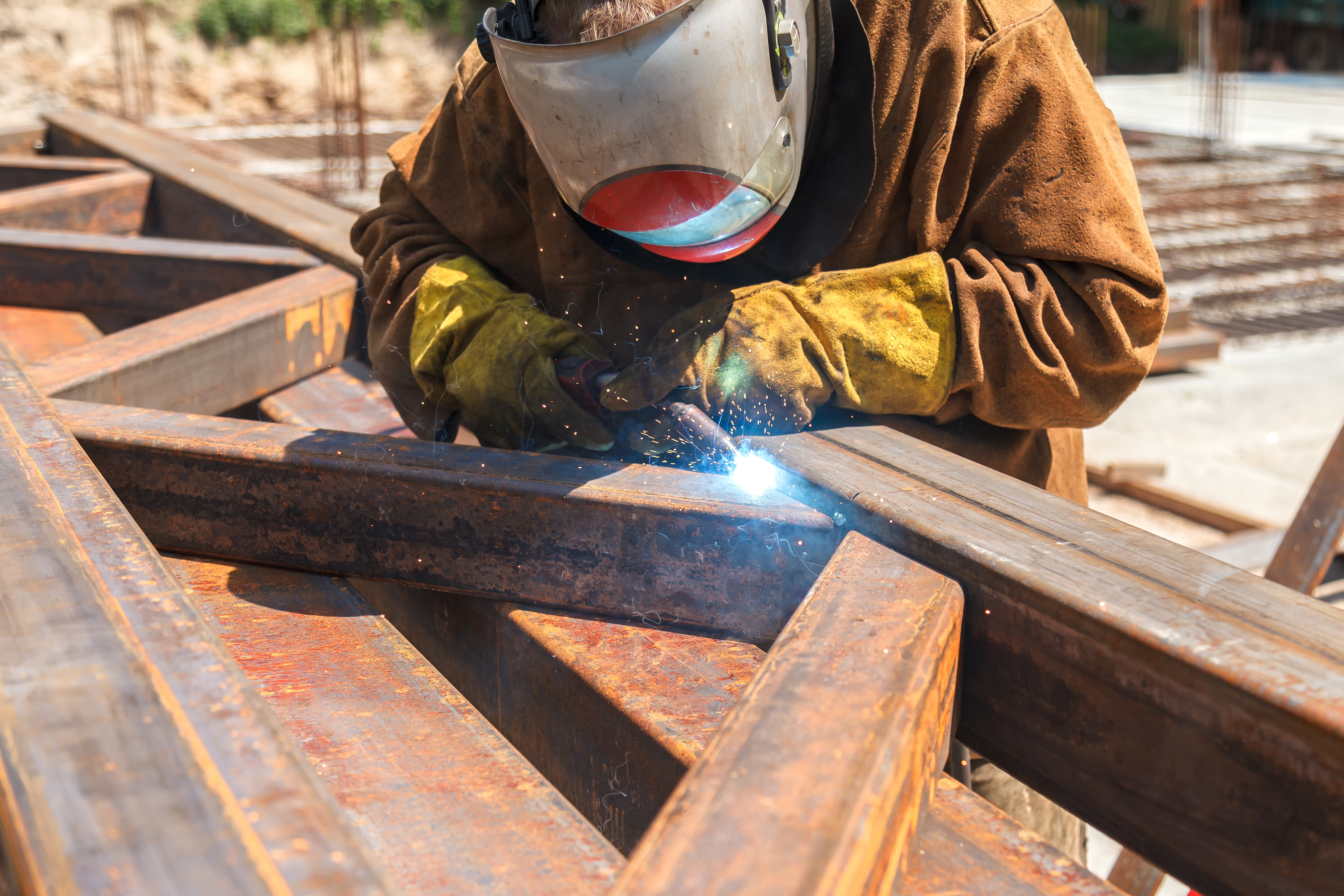
When the Work Can't Come to the Shop
Most people assume welding means loading something onto a trailer and hauling it to a shop. But plenty of real-world projects don't work that way. Structures that are already installed, equipment that can't be shut down for long, and oversized components that are impractical to move — all of these situations point to a different solution: on-site welding.
On-site welding brings the equipment and expertise directly to where the work needs to happen. It's a practical approach that solves a specific set of problems, and understanding when to use it can save you a significant amount of time and hassle.
What Is On-Site Welding?
Bringing the Welder to You
On-site welding, sometimes called mobile welding, refers to welding services performed at the client's location rather than at a fixed shop. The welder arrives with the necessary equipment — power sources, welding machines, gas, tools, and safety gear — and completes the work in the field.
This isn't a lesser version of shop welding. The same techniques, the same material standards, and the same quality expectations apply. The difference is purely logistical: the work happens where it needs to happen, not where it's most convenient for the shop.
What Can Be Done On-Site?
On-site welding covers a broad range of work. Structural repairs to buildings, fences, gates, and frameworks are common. Equipment and machinery repairs — where downtime is costly and transporting heavy equipment is impractical — are another frequent use case. Custom installations, metal modifications, and fabrication of components that need to fit precisely within an existing structure are also well-suited to on-site work.
Why Choose On-Site Welding Services?
Avoiding the Transportation Problem
Moving large or installed metal structures is expensive, time-consuming, and sometimes physically impossible. Disassembly, transport, reassembly — each of those steps adds cost and risk. On-site welding eliminates that chain of logistics entirely.
For commercial and industrial clients especially, the cost savings from avoiding equipment downtime and transportation can be substantial. A mobile welder who can arrive on-site and complete the work in a single visit often delivers better overall value than the alternative.
Faster Problem-Solving
When something breaks or needs repair, speed matters. On-site welding allows for faster response and more direct problem-solving. The welder can assess the situation in context — looking at how a component fits within the larger structure, what adjacent materials are involved, and what the environmental conditions require — rather than working from a detached piece in a controlled shop environment.
This real-world context often leads to better outcomes. A welder who sees the full picture can make informed decisions about material selection, joint design, and finishing that a shop-based approach might miss.
Custom Work That Fits Where It Needs To
Some fabrication work needs to be done in place — not because of size, but because precision fit matters. Installing a custom metal railing, fitting supports to an existing frame, or modifying a structure that's already built are all examples where on-site work produces results that are simply more accurate than shop fabrication alone.
Types of Projects That Use On-Site Welding
Structural Repairs
Cracked welds, deteriorated joints, and damaged structural components are among the most common reasons clients call for on-site welding. These repairs often can't wait, and the structures involved — fences, gates, building frameworks, equipment mounts — aren't designed to be easily disassembled.
Equipment and Machinery
Heavy machinery develops wear, cracks, and fractures over time. Welding repairs extend service life without the cost of full replacement. For equipment that's integrated into a workflow or too heavy to move, on-site repairs are the only practical option.
Custom Installations
Metal railings, custom brackets, decorative elements, and structural additions often require on-site fabrication or final fitting. This is especially true when the installation needs to match existing dimensions exactly or integrate with a structure that's already in place.
Residential and Commercial Properties
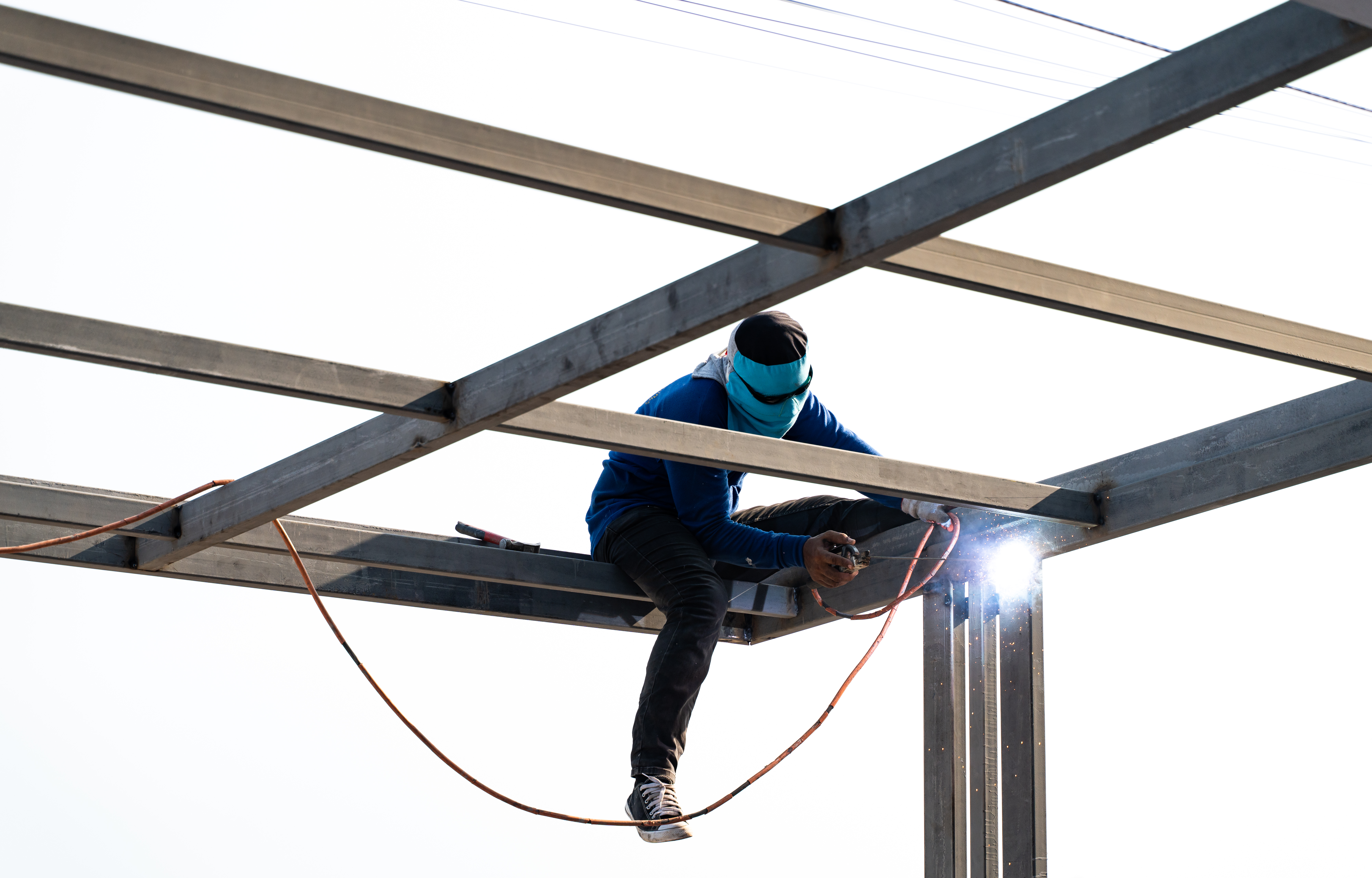
On-site welding isn't exclusively industrial. Property owners frequently need fence repairs, gate repairs, railing work, and custom metal additions — all of which a mobile welder can handle without disrupting the property any more than necessary.
What to Look for When Hiring On-Site Welding Services
Experience With Your Type of Project
Mobile welding covers a wide range of applications. A welder who specializes in industrial equipment repair may not be the best fit for a residential railing installation, and vice versa. Look for experience that matches the scope and type of your specific project.
Welding Process Knowledge
Different projects call for different welding methods. MIG, TIG, and Stick welding each have their place depending on the material, the location, and the finish requirements. A qualified on-site welder should be able to explain which process they'll use and why — and should have the equipment to back it up.
Proper Equipment and Safety Protocols
On-site welding involves working in environments that weren't designed as welding shops. That means the provider needs to bring not just welding equipment but also appropriate safety measures — shielding from sparks and spatter, ventilation where needed, and awareness of what's nearby.
Don't hesitate to ask a potential provider how they handle safety on-site. A professional operation has clear answers to that question.
Reputation and Reviews
Customer feedback is especially telling for mobile welding services, where reliability and professionalism in the field matter as much as technical skill. Look for consistent reviews that speak to punctuality, communication, and quality of work — not just the final result, but how the job was handled from start to finish.
Gallo Welding , which operates across Georgia offering both on-site and shop-based services, is one example of a provider whose mobile capabilities cover residential, commercial, and industrial applications using steel, stainless, and aluminum with MIG, TIG, and Stick welding processes.
Common Welding Processes Used On-Site
MIG Welding is fast, clean, and works well on a range of steel and aluminum projects. It's a common choice for on-site work where productivity matters.
TIG Welding delivers precise, high-quality welds and is used when appearance or tight tolerances are important — even in field conditions with the right setup.
Stick Welding performs reliably in outdoor environments, on rusty or coated surfaces, and in windy conditions where shielding gas would be disrupted. It's a practical choice for many structural repair situations.
The right process depends on the material, the environment, and the quality standard required. An experienced on-site welder will assess all three before starting.
The Future of Mobile Welding Services
Mobile welding capabilities continue to improve as equipment becomes more portable and energy-efficient. Inverter-based welding machines, for example, have made it easier to bring high-quality welding capability to locations without reliable power infrastructure.
Demand for on-site services is growing alongside the broader construction and infrastructure sectors. As projects become more complex and timelines tighter, the flexibility that on-site welding provides becomes increasingly valuable to clients across industries.
Practical Takeaway
On-site welding services exist to solve a specific problem: the work needs to happen where the structure is, not where the shop is. For repairs, installations, and custom metalwork that can't be easily moved or reassembled, a qualified mobile welder is often the most efficient and cost-effective option available. When evaluating providers, focus on relevant experience, process knowledge, and a track record of reliable field work — those factors will tell you more than a price quote alone.
Frequently Asked Questions
How does on-site welding work?
A welder brings all necessary equipment to your location and performs the work in the field, using the same techniques and standards as a fixed shop environment.
What safety measures are used during on-site welding?
On-site welders use protective shielding, appropriate ventilation, fire-prevention measures, and personal protective equipment. Professionals follow established safety protocols regardless of location.
Can on-site welding services be customized for specific projects?
Yes. On-site welding is inherently project-specific — the welder assesses your situation directly and selects the appropriate materials, process, and approach for the job.
What types of materials can be welded on-site?
Steel, stainless steel, and aluminum are all commonly welded on-site. The welding process used depends on the material and what finish or strength the project requires.
Is on-site welding more expensive than shop welding?
It depends on the project. When you factor in transportation, disassembly, and reassembly costs for large or installed structures, on-site welding often saves money overall rather than adding to the cost.
How far in advance should I schedule on-site welding services?
It varies by provider and project complexity. For straightforward repairs, lead times may be short. Custom or larger projects typically benefit from more advance notice to allow for material sourcing and planning.