Techno-feudalism takes over everything.
in Popular STEM19 hours ago

Techno-feudalism takes over everything.


IA


When we think about artificial intelligence we normally imagine robots, algorithms and invisible software operating inside computers, but there is a physical reality behind this digital revolution, every response generated by an AI, every image created and every model trained depends on gigantic infrastructures spread across the planet.


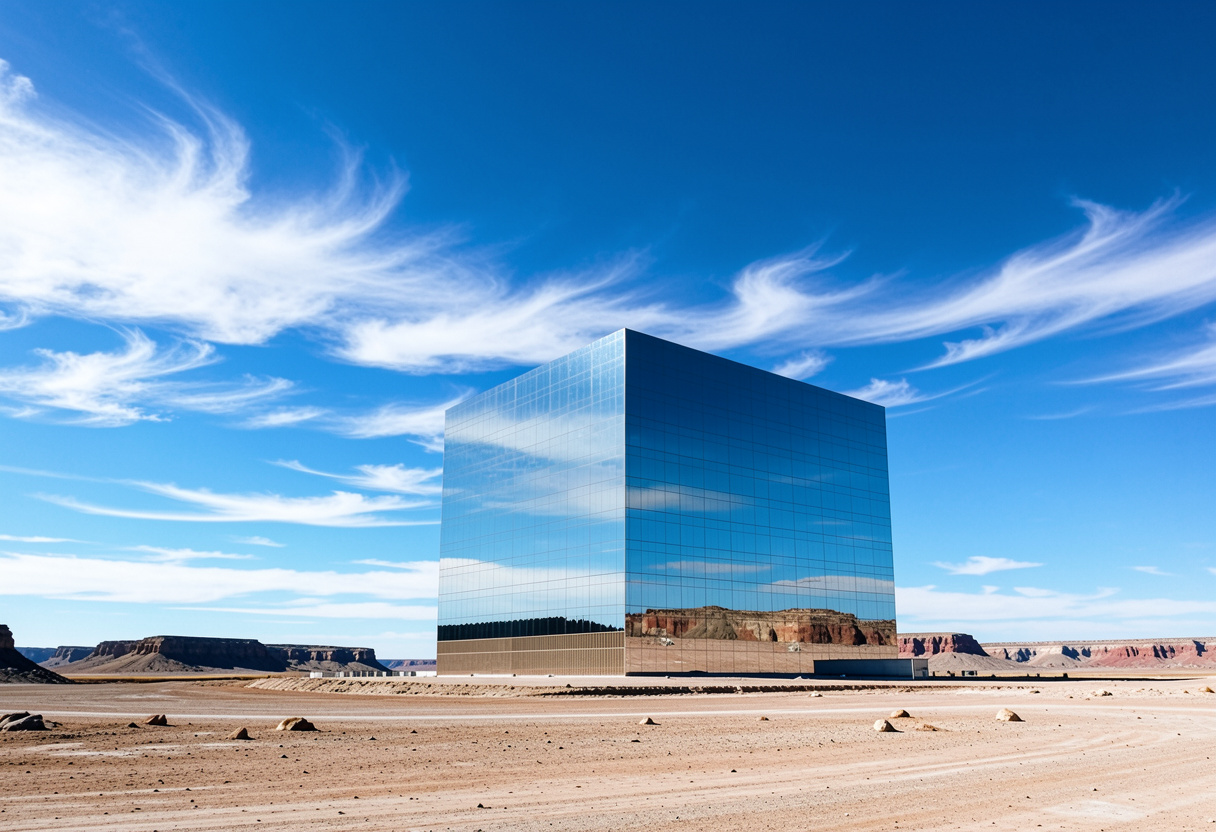
And now in Uta, in the United States, that infrastructure is becoming so large that it began to generate a direct conflict between technology, natural resources and quality of life. The center of this dispute is the Stratus Hyper Scale Data Center project, a complex of impressive proportions planned to occupy nearly 162 km². The dimension is so absurd that it easily exceeds the scale of most data centers existing today.


The project aims to house huge processing facilities, research structures and an entire support infrastructure to feed the growing demand for modern artificial intelligence, but what seems like a technological victory to some has become a cause of concern for thousands of residents in the region. The main point of tension revolves around a resource that is increasingly scarce in the North American West, water.


Utah has been facing challenges related to drought for years, while the Great Salt Lake undergoes a continuous reduction of its levels, the promise of developers is economic growth, investments and job creation, however, many residents argue that the calculation is not that simple, in addition to environmental concerns, there is fear of indirect impacts such as increased energy demand, pressure on regional infrastructure and possible alterations in the costs of essential services.


What makes this story particularly interesting is that it reveals a rarely discussed side to the artificial intelligence revolution - as the world becomes impressed with increasingly powerful models, there is a silent race to build the infrastructure capable of sustaining them and that race demands energy, water, land and resources on a scale few imagine. Maybe the big question raised by the Utah case isn't just about a single data center, maybe it's about the physical price of artificial intelligence.


As the demand for computing power grows without stopping, humanity will need to decide how to balance technological innovation, economic development and preservation of the resources that sustain life outside the screens, but despite all the concerns, advances do not stop.


Souce