Cryogenics for space travel
Cryogenics for space travel
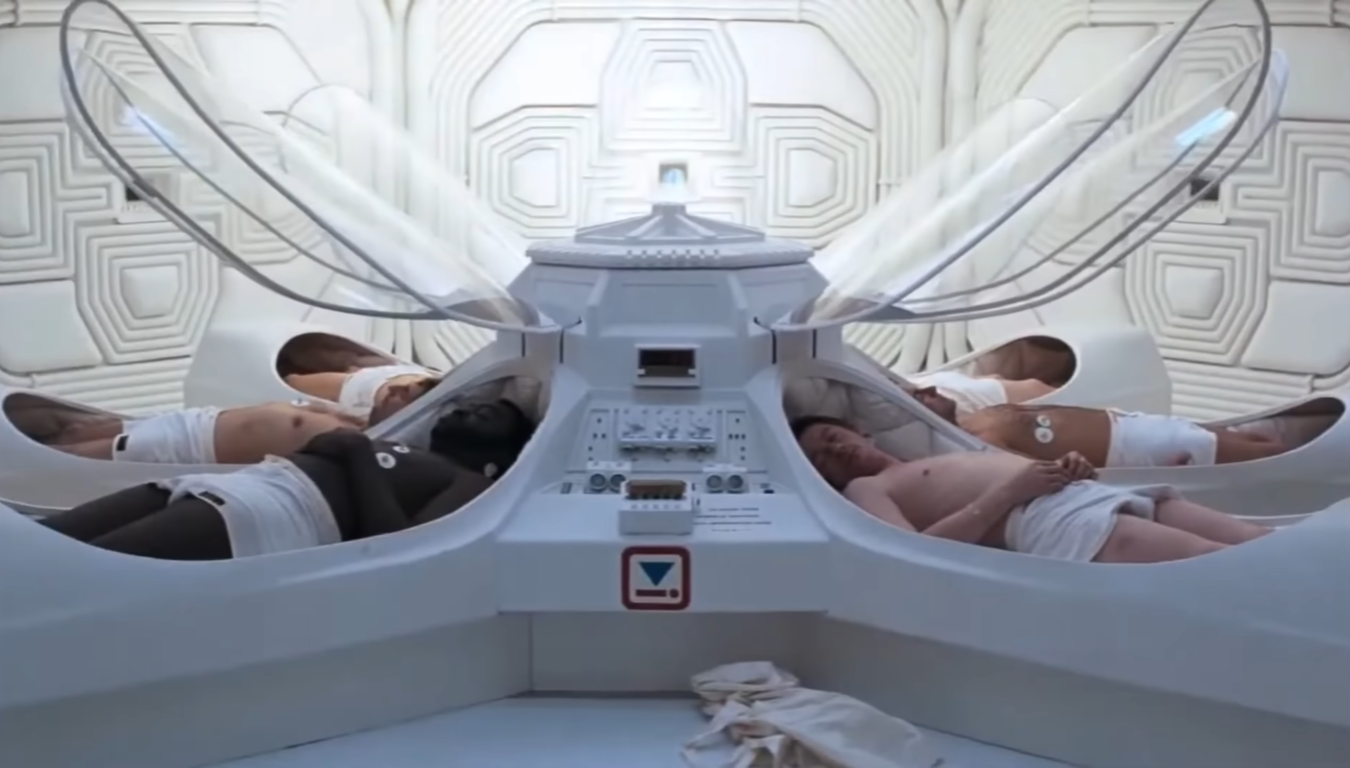
The neurons resumed the exchange of electrical signals after the extreme preservation process. The inspiration for this came from nature itself. There is a species known as the Siberian salamander, capable of surviving buried in absurdly low temperatures for extremely long periods. To achieve this, the animal produces natural antifreeze substances that prevent cellular destruction caused by ice.
The scientists decided to apply similar principles to brain tissue, because the big problem of biological freezing was never just the cold, the real enemy is in the water, when cells freeze normally, the internal water forms extremely sharp microscopic crystals, these crystals break delicate cell membranes, destroy neuronal connections and transform complex biological structures into non-viable tissue, so the researchers resorted to a technique called vitrification.
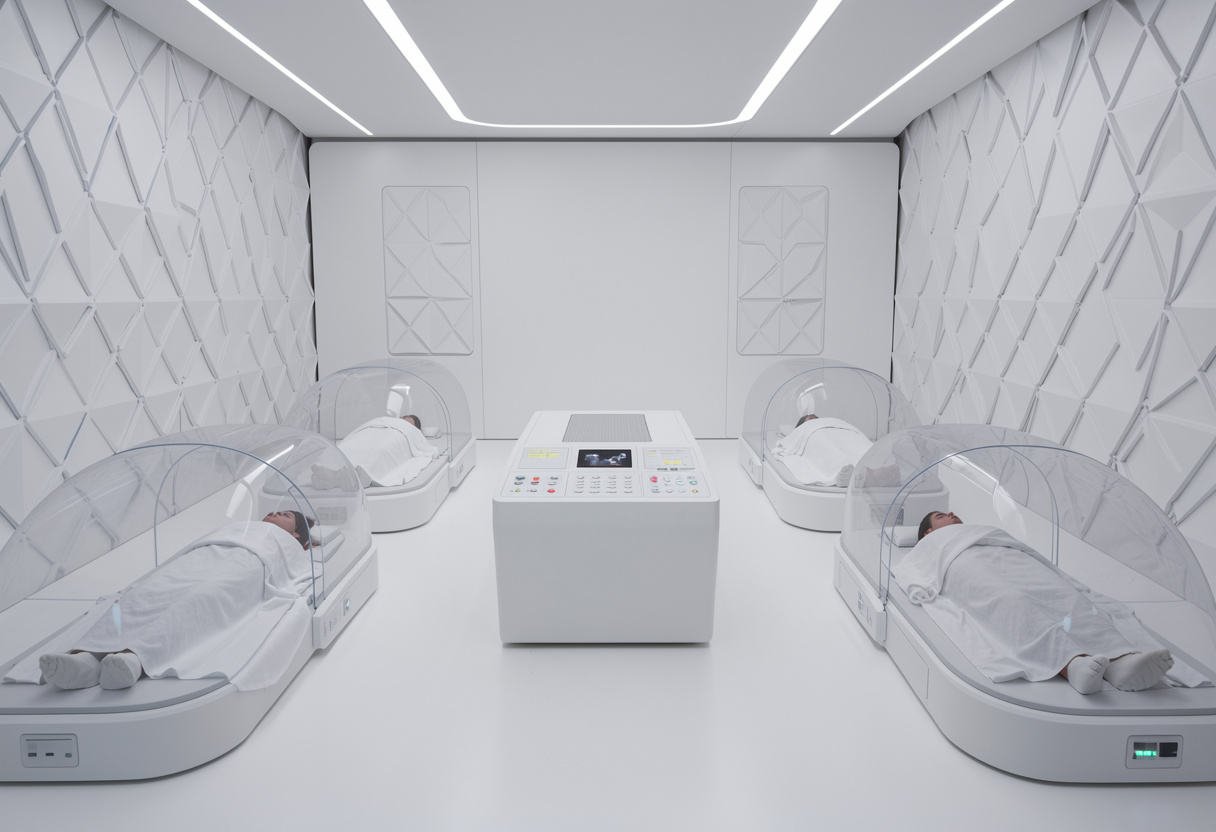
The tests were carried out on samples of the hippocampus of mice, a region deeply linked to memory and learning, the tissue remained stored at extremely low temperatures before being carefully thawed in heated solutions and the results surprised the researchers themselves. The cells maintained functional metabolic activity, the mitochondria continued to operate properly and perhaps more importantly, the neuronal connections preserved signals linked to brain plasticity, the fundamental ability of the brain to strengthen connections and form memories, that is, it was not just passive cell survival.
Some of the electrical functionality of the tissue remained intact after the ice, but perhaps it is important to maintain some caution here, the study authors themselves reinforce that this is extremely far from freezing people or resuscitating entire human brains in the future. A mouse brain is tiny compared to the thermal complexity of an entire human brain, and evenly cooling and heating a gigantic organ without causing damage remains a monumental challenge.
Even so, the moment we manage to partially interrupt biological processes without completely destroying neural function, we inevitably begin to address an ancient question of humanity. Is the human brain just extremely organized matter or is there something else that cannot simply be preserved by ice? You answer that question, now this other one, to what extent can the human body be reconstructed?
The images without reference were created with AI