Meteorite with the chemistry of alien worlds.
in Popular STEM11 hours ago

Meteorite with the chemistry of alien worlds.


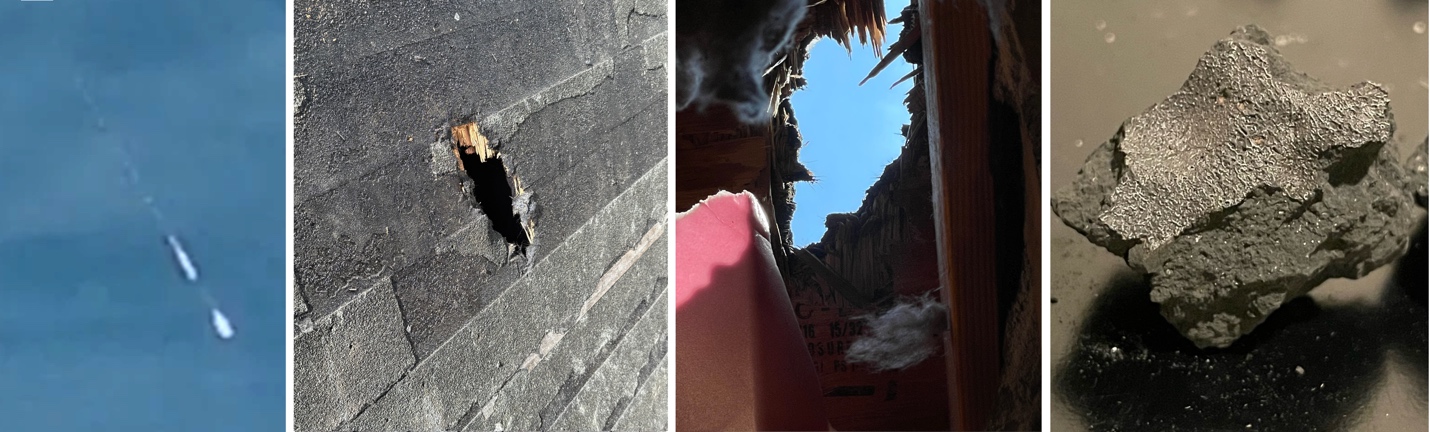
This report comes from the SETI Institute and reveals the discovery of extraterrestrial chemical substances within a meteorite that struck a home in New Jersey. The event is recent—the impact occurred on July 16, 2024, at a house in Hillsborough, New Jersey. Crucially, the homeowner did exactly the right thing: he used gloves and aluminum foil to collect the meteorite fragments, a vital step to prevent contamination.

Touching it is a bad idea; doing so transfers your DNA, skin oils, bacteria, and whatever else is on your hands at the time. No matter how clean you are, you end up contaminating the meteorite, whereas researchers need a pristine sample for analysis. So, the homeowner deserves a round of applause. Because the fragments were collected in such a clean, uncontaminated manner, they could be sent to an international team of researchers for analysis, and the results were published on July 15, 2026.


Souce


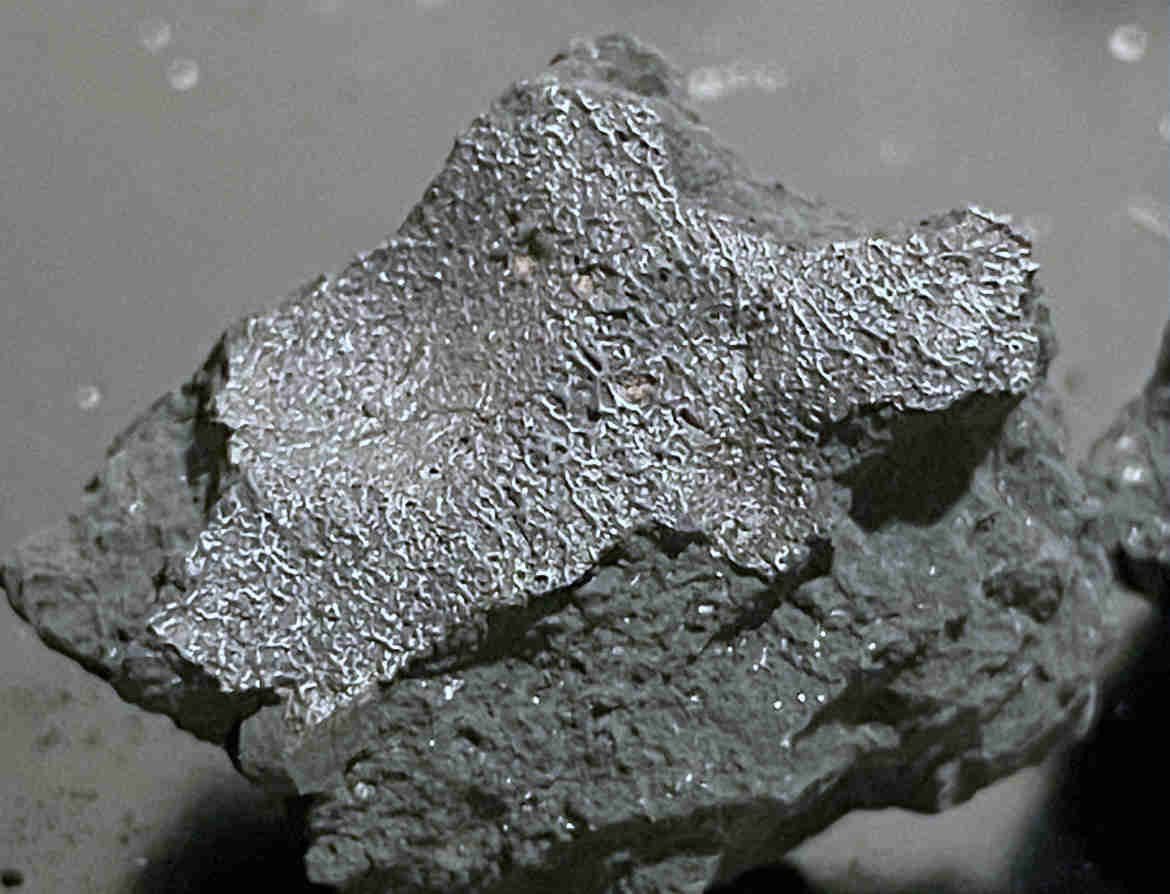
This is another one of those meteorites suggesting that complex worlds may have once existed in the solar system—worlds that have since vanished; the image above shows some of the main fragments. The meteorite is rich in carbon and water—containing 1.8% carbon as well as traces of nitrogen and other elements—but the most surprising aspect is what is being described, quite literally, as "alien-world chemistry." Salt-rich fragments originating from regions near the surface of the parent body have been found. Researchers speak of a "giant asteroid"—a term used cautiously—referring to an object 100, 200, or even 300 kilometers in diameter. Crucially, this giant asteroid once held vast amounts of liquid water; as the water evaporated, salts became concentrated, and it is these salts that have been discovered in the meteorite.

It could also be a protoplanet—an object where internal layers have begun to differentiate, forming a core and a mantle, and taking on a spherical shape. Saturn's moon Enceladus could be considered a protoplanet, while Ceres is believed to be the last remaining protoplanet in the inner solar system. Ceres contains large quantities of salts; the famous bright spots observed on its surface are actually salt emissions from its interior.


It appears that Ceres must have possessed a crust—or at least a thick crust of water ice—which subsequently sublimated; the ice turned into vapor and the volatiles were lost because the body lacks sufficient gravity to retain an atmosphere. As the ice sublimated, a rocky, dusty crust was left behind. However, beneath this current surface layer lie abundant salts from that ancient icy crust—or perhaps an ancient sea; it is even possible that a liquid sea once existed underneath. Remnants of that ancient, primordial ice also remain. Thus, this fragment might originate from a world of that type—a world that perhaps featured an icy crust with an ocean beneath. It could even have been a larger body with surface water, though that would require a dense atmosphere—something that, in turn, demands sufficient gravity, which is a more complex matter. Nevertheless, worlds with icy crusts and internal water were likely plentiful during the early days of the solar system. As for this meteorite, we know it contains salts that formed in an environment of liquid water.


Souce


Another interesting detail is the discovery of organic and prebiotic molecules—specifically, a wide variety of organic compounds. Many appear to have formed through interactions between minerals and saline fluids. All of this reinforces the idea that asteroids like this one—or rather, meteorites, since this is a piece recovered from the ground—could have delivered the building blocks (or at least some of them) necessary for life to emerge on Earth.


This fragment is believed to belong to the Erigone asteroid family in the main asteroid belt; however, it is quite possible that it originated from a much larger object—at the very least a giant asteroid, though one might even speculate about other worlds like Enceladus. While further investigation is needed, the prevailing view for now is that it came from an object that was subsequently destroyed.


In short, according to the SETI report, this is not alien life; rather, it provides evidence that giant primitive asteroids or protoplanets hosted chemical environments conducive to the formation of complex molecules similar to those that preceded life here on Earth.


Official website


The images without reference were created with AI
Thank you for visiting my blog. If you like posts about #science, #planet, #politics, #rights #crypto, #traveling and discovering secrets and beauties of the #universe, feel free to Follow me as these are the topics I write about the most. Have a wonderful day and stay on this great platform :) :)


! The truth will set us free and science is the one that is closest to the truth!