China opens the world's first fully robotized hotel/China abre el primer hotel totalmente robotizado del planeta
Source
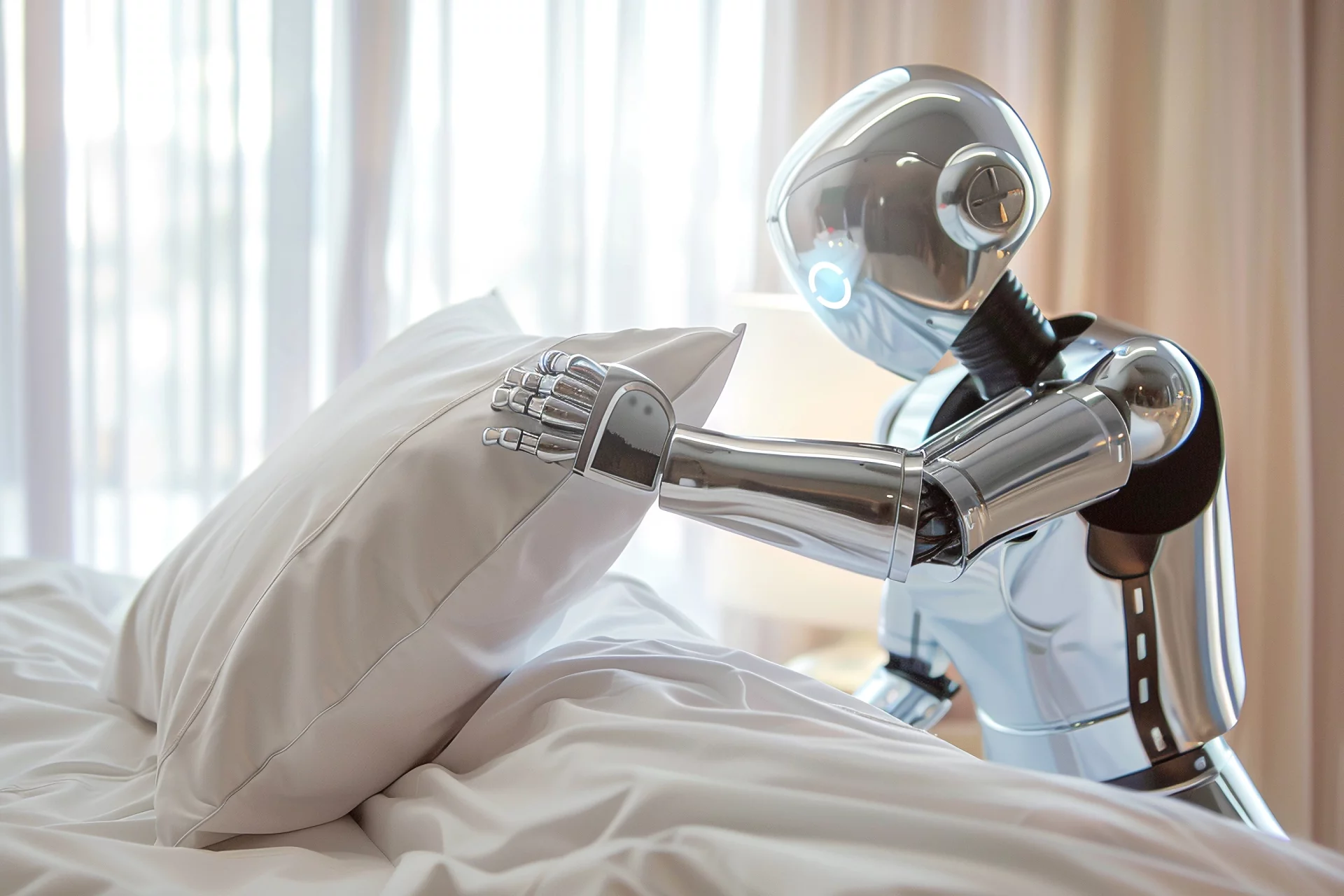
For some years now, we've been warned that artificial intelligence will eliminate work as we know it. In all jobs that require computer use, the situation is very clear: it's no longer a question of the future, but of the present. In fact, all graphic designers, models of all kinds (not just runway models, though that will soon change too), advertisers, and even actors will very soon be replaced by some form of AI. But in the case of manual labor, this seemed a long way off; it's not easy for a machine to imitate human physical skills.
Ya hace unos años que nos están metiendo miedo con el hecho de que la inteligencia artificial acabará con el trabajo tal como lo conocemos. En todos los empleos que requieran el uso de un ordenador la cosa está muy clara, ya no se trata del futuro sino del presente de los empleos. De hecho todos los diseñadores gráficos, modelos de todo tipo (no solo de pasarela, que en breve también), publicistas e incluso actores a muy corto plazo serán sustituidos por algún tipo de IA. Pero en el caso de los trabajos manuales parecía que esto estaba aún muy lejos, no es fácil que una máquina imite las habilidades físicas de los humanos.
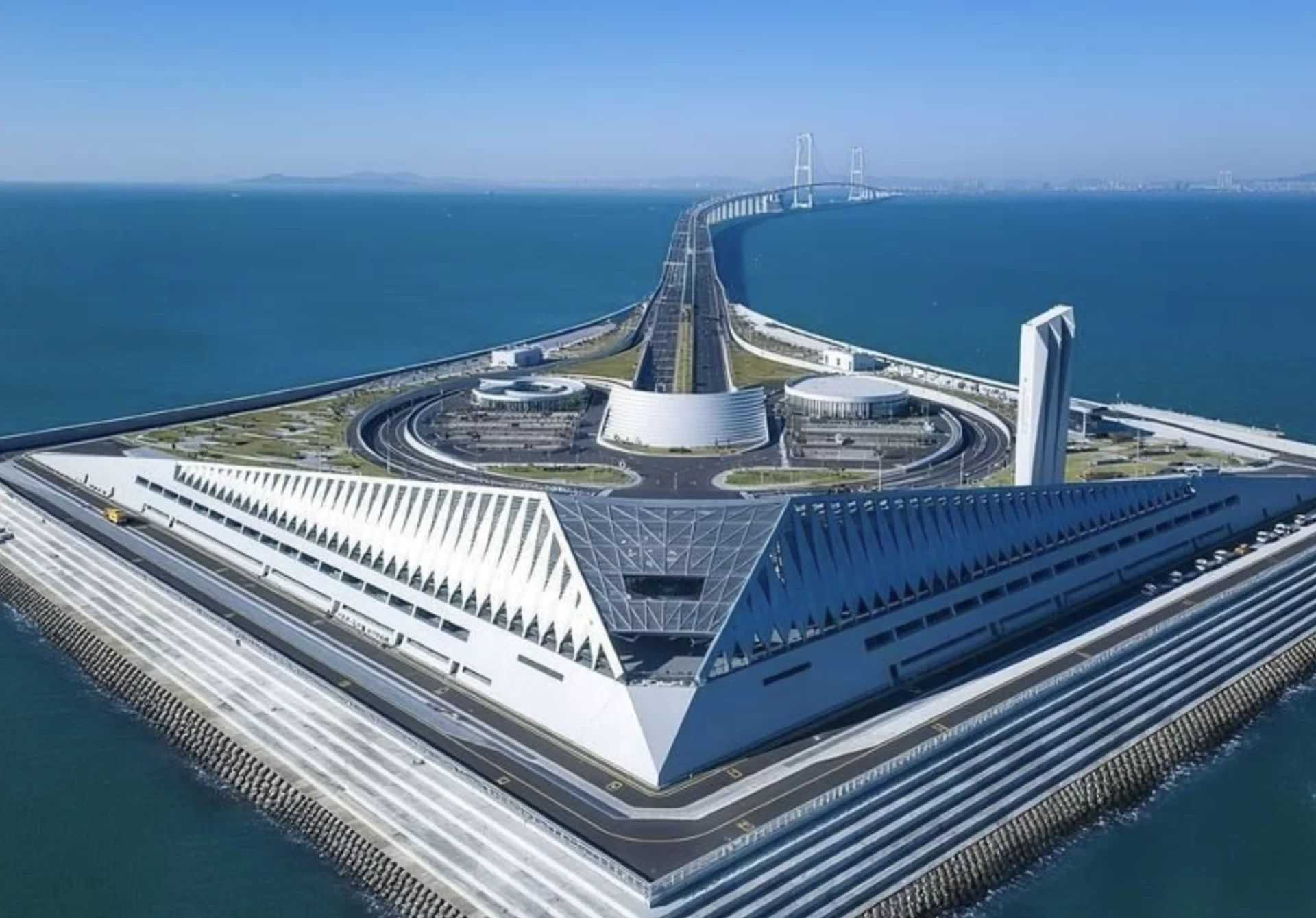
But now China is showing us that this is much closer than we thought, as it is developing what is being presented as the world's first hotel with "fully robotic" service. The hotel is expected to open in early 2027 on the Western Artificial Island of the Shenzhen-Zhongshan Link. This hotel aims to handle almost all guest service tasks with robots, creating a "full-cycle robotic service ecosystem." The technology company Pudu Robotics will develop the robots, which will work in a coordinated manner through a shared artificial intelligence platform.
Pero ahora China nos está demostrando que la cosa está mucho más cerca de lo que pensabamos ya que está desarrollando lo que se presenta como el primer hotel del mundo con un servicio "totalmente robotizado". Se espera que el hotel abra sus puertas a principios de 2027 en la Isla Artificial Occidental del Enlace Shenzhen-Zhongshan. Este hotel aspira a cubrir casi todas las tareas del servicio al huésped con robots, creando un "ecosistema de servicio robótico de ciclo completo". La empresa tecnológica Pudu Robotics desarrollará los robots, que trabajarán de forma coordinada a través de una plataforma de inteligencia artificial compartida.
Source
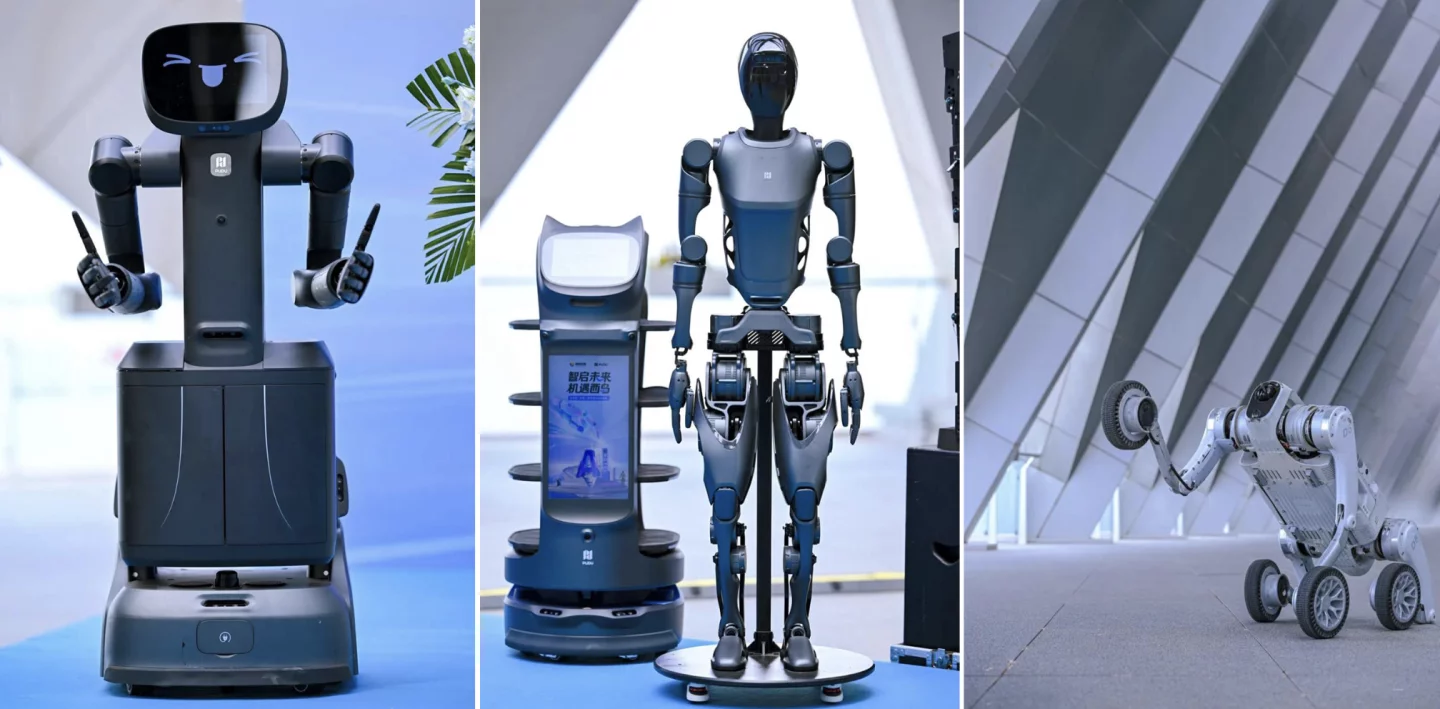
The robots will be responsible for welcoming guests, managing check-in, and transporting luggage from the lobby to the rooms. Robots like the FlashBot will operate a beverage sales and delivery system, while others like the BellaBot Pro will serve coffee and snacks in the common areas. They will perform cleaning tasks in the rooms and common areas (with robots like the PUDU CC1 Pro and MT1), as well as patrol to ensure the security of the property. Some robots will offer interactive services, providing companionship or answering visitors' questions.
Los androides se ocuparán de dar la bienvenida a los huéspedes, gestionar el registro de entrada y transportar el equipaje desde el vestíbulo hasta las habitaciones. Robots como el FlashBot gestionarán un sistema de venta y entrega de bebidas, mientras que otros como BellaBot Pro servirán café y aperitivos en las zonas comunes. Realizarán tareas de limpieza en las habitaciones y áreas comunes (con robots como el PUDU CC1 Pro y MT1), además de patrullar para garantizar la seguridad del establecimiento. Algunos robots ofrecerán servicios interactivos, haciendo compañía o respondiendo preguntas de los visitantes.
The key to the project is that all the robots will be connected through a single artificial intelligence system (the PuduFM 1.0 platform), allowing them to coordinate and provide a complete, uninterrupted service. The total automation of a hotel raises important questions about the future of work in the sector. The repercussions are complex and can be analyzed from several perspectives. It is clear that a hotel operating with robots will not need receptionists, bellhops, cleaning staff, or room service in the same numbers.
La clave del proyecto es que todos los robots estarán conectados mediante un mismo sistema de inteligencia artificial (la plataforma PuduFM 1.0), lo que les permitirá coordinarse para ofrecer un servicio completo sin interrupciones. La automatización total de un hotel plantea preguntas importantes sobre el futuro del trabajo en el sector. Las repercusiones no son sencillas y se pueden analizar desde varias perspectivas. Es evidente que un hotel que funciona con robots no necesitará recepcionistas, botones, personal de limpieza o servicio de habitaciones en la misma cantidad.
Source
This is the main fear surrounding technology, reflected in debates about "job losses," although it's not the first time an attempt has been made to create a fully automated hotel. A famous project in Japan had to drastically reduce its robotic workforce because it failed to cut costs or reduce the workload of human staff. This demonstrates that full automation faces practical challenges and that its success is not guaranteed. But it's only a matter of time before all of this works perfectly without human intervention.
Este es el principal temor que genera la tecnología, reflejado en los debates sobre la "pérdida de empleos", aunque
no es la primera vez que se intenta crear un hotel robotizado. Un famoso proyecto en Japón tuvo que reducir drásticamente su plantilla robótica porque no lograba reducir los costes ni la carga de trabajo del personal humano. Esto demuestra que la automatización total enfrenta desafíos prácticos y que su éxito no está garantizado. Pero no es más que cuestión de tiempo que todo esto funcione a la perfección sin la intervención humana.
The most optimistic believe that artificial intelligence and autonomous humanoid robots will eliminate current jobs but create a large number of new ones. Personally, I don't think this will be the case, since any new jobs created will eventually end up in the hands of AI. But luckily for everyone, I'm nobody special, and my opinions and expectations don't necessarily have to be true. In any case, I think we should take this very seriously and start looking for paid occupations that robots can't do or that aren't profitable for them.
Los más optimistas opinan que la inteligencia artificial y los robots humanoides autónomos acabarán con los actuales empleos pero crearán un gran número de nuevos puestos de trabajo pero, personalmente creo que esto no va a ser así ya que cualquier nuevo empleo que se genere acabará en manos de la IA tarde o temprano. Pero por suerte para todos yo no soy nadie y mis opiniones y expectativas no tienen por qué ser ciertas. De cualquier modo creo que deberíamos tomárnoslo muy en serio y empezar a buscar ocupaciones remuneradas que lo robots no puedan hacer o que no sea rentable.
More information/Más información
https://newatlas.com/ai-humanoids/luxury-hotel-staffed-robots-shenzhong/
This paints a thrilling picture of the future, however I do not believe that robots will totally take over from humans in hospitality. Customers still appreciate empathy, judgement and authentic human interaction. AI will certainly take care of monotonous tasks, while humans will be responsible for service, solving problems and making customers happy.
side talks
AI still struggles with emotional side in real-time but only more depends on data analysis and repetitive action. Is not ? Whenever the said in question is achieved so ; human is no more. Bye!
0.00 SBD,
0.74 STEEM,
0.74 SP