Advances in brain implants.
Advances in brain implants.
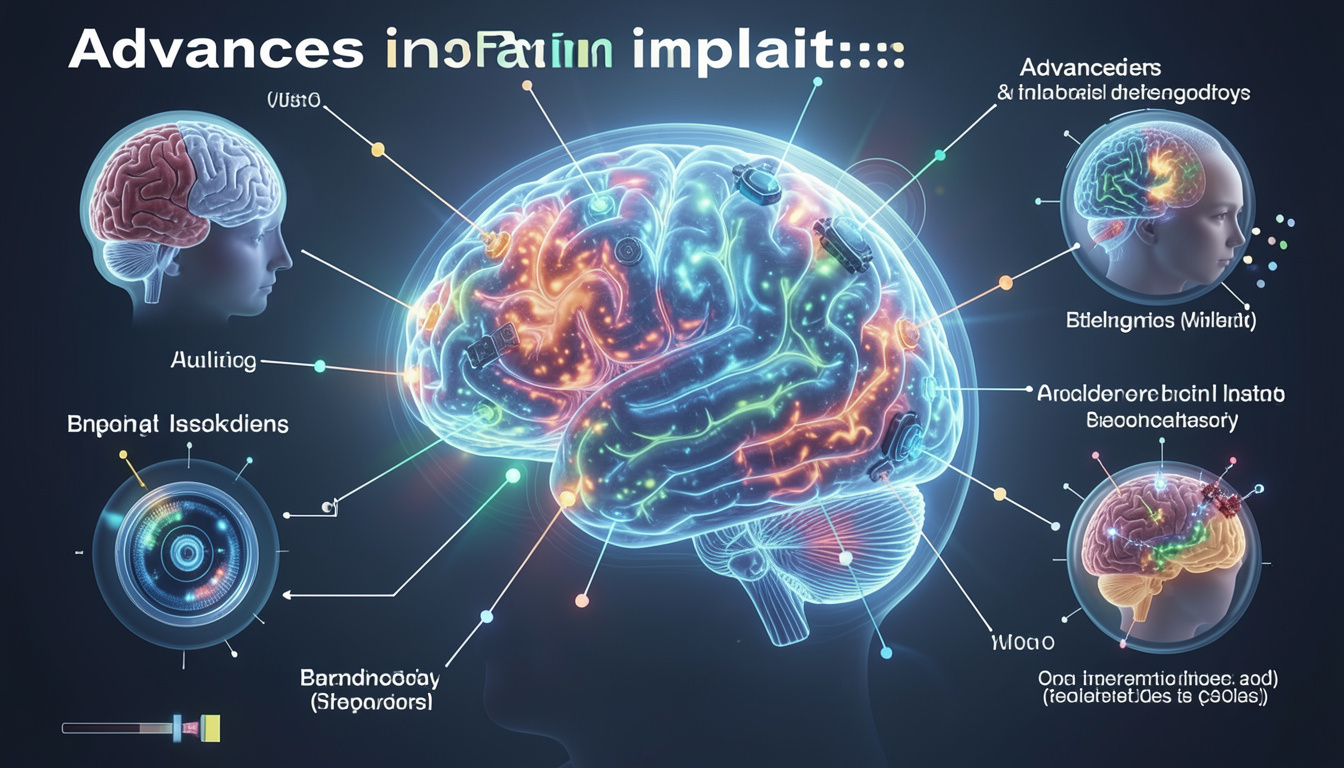

Modifying the circuits of a human mind and treating serious neurological diseases without opening the skull or implanting thousands of threads directly into the brain, the advancement of biomedical engineering has just surpassed the limits of traditional brain chips, a new generation of smart devices and supercomputers is inaugurating an era in which the recovery of the human mind can happen in a more precise and less invasive way, yes, there are revolutionary technologies that show why the future of neuroscience goes far beyond Neurolink implants.
Through extremely precise electrical micro-stimulations, the system seeks to reactivate neural circuits associated with humor and restore normal patterns of brain activity. The technology has already received authorization to begin clinical trials in humans, paving the way for a new generation of psychiatric therapies. Meanwhile, another company is betting on an even more sophisticated approach, Cortec developed the Brain Interchange, an intelligent closed-loop system aimed at the rehabilitation of patients who suffered strokes. Unlike conventional methods, the platform continuously monitors brain electrical activity and responds in real time.
Congratulations!
Your post has been selected and upvoted by the SteemPro Team 🚀
Explore more on SteemPro:
🌐 https://www.steempro.com
🎮 Play SteemHeights: https://www.steempro.com/games/steem-heights
💬 Join our Discord: https://discord.gg/Bsf98vMg6U
💪 Supporting the growth of the Steem ecosystem together.
🟩 Vote for witness faisalamin:
https://steemitwallet.com/~witnesses
https://www.steempro.com/witnesses#faisalamin
This is an automated message.