China has achieved mass production of humanoid robots.

China has achieved mass production of humanoid robots.
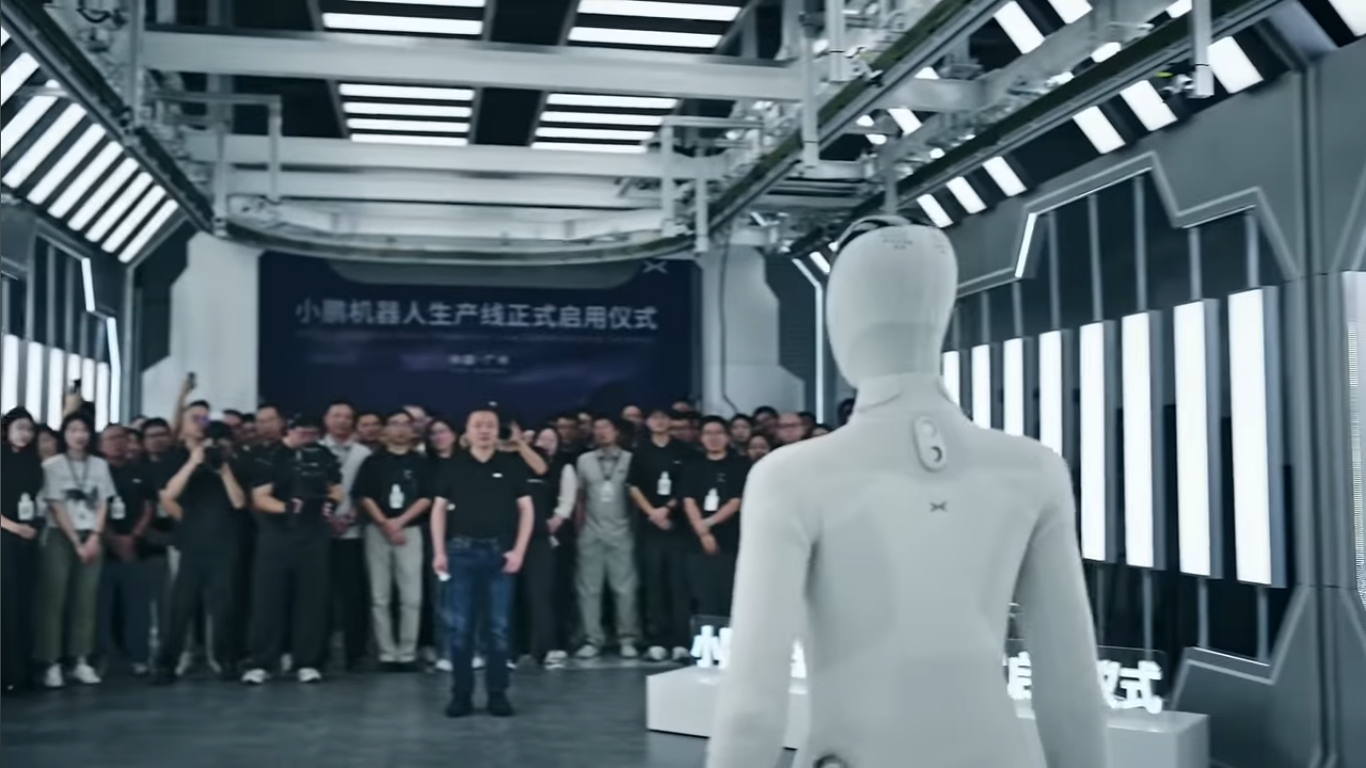


A humanoid robot has just walked off the production line where it was built in China—XPENG’s "Iron"—doing so without human assistance or teleoperation. This striking image could signal a major shift in the race between China and the United States for humanoid robots; while US companies like Tesla and Figure are developing some of the sector's most advanced machines, XPENG has just reached a decisive milestone: transforming humanoids into products manufactured on an industrial scale.


The company has officially launched a production line dedicated to the "Iron" in Wanzhou, with over 80% of key processes automated. This is precisely where China is beginning to pull ahead. XPENG is not acting in isolation; data from the research firm Smart Analytics Global shows that in the first half of 2026, nearly 20,000 humanoid robots were shipped worldwide, with over 97% coming from Chinese manufacturers. This means China's advantage in humanoid manufacturing is becoming evident not just in demonstrations or new factories, but in the figures themselves—and other estimates point in the same direction.


TrendForce projects that Chinese humanoid production will grow by 94% in 2026; the same consultancy estimates that the Chinese humanoid market will exceed $2 billion this year and could grow by at least another 60% in 2027. Thus, China not only has multiple companies developing humanoids but is also beginning to build an industrial supply chain capable of mass-producing them. The race for humanoid robots is no longer just about artificial intelligence, impressive movements, or laboratory demonstrations; it also hinges on the ability to manufacture these machines consistently, control costs, maintain quality, and build a supply chain capable of supporting the production of thousands of robots—and China already possesses much of that infrastructure.


In XPENG's case, the advantage begins within the automotive industry itself; before manufacturing humanoids, the company spent years developing and producing electric cars, and is now transferring part of that infrastructure directly to the robots. According to *Humanoids Daily*, approximately 85% of the physical supply chain used for the "Iron" robot overlaps with XPENG's electric vehicle supply chain—including motors, metal structures, electrical wiring, batteries, and various integration processes.


The company is also applying quality control systems and manufacturing techniques originally developed for automobiles to the humanoids; even the Iron's hands—one of the robot's most mechanically complex components—utilize dedicated automation equipment during assembly. The result is a factory designed not merely to build a functional humanoid, but to replicate the process. The robot now rolling off the line demonstrates the level of complexity involved: it houses three "Turing" chips developed in-house by XPENG. Together, they provide up to 2,250 TOPS of computing power to run the company's physical AI systems directly on the robot.


According to XPENG, the goal is to enable the Iron to perform complex tasks autonomously and continue improving through real-world interaction. The robot also features autonomous navigation, dynamic obstacle avoidance, and the ability to locate its charging station. However, the initial units will not be shipped directly to homes or factories; XPENG is starting with more controlled environments. The first Iron units produced will be used in the company's own stores and corporate facilities, performing tasks such as customer interaction, visitor guidance, and patrolling. These environments will also allow for data collection prior to a broader commercial rollout.


Deliveries to enterprise customers are scheduled for 2027, initially targeting sectors such as retail, hospitality, and customer service, in both Chinese and international markets.


Sorry for my Ingles, it's not my main language. The images were taken from the sources used or were created with artificial intelligence
