Late-Night Charts and Hidden Gaps: The Reality of Cross-Exchange Arbitrage"
Watching Crypto Move
I was up late last night just clicking around different exchanges, listening to some music in the background, and watching how the charts move. Honestly, it’s always pretty interesting to see what’s happening in the market when the rest of the world is asleep. While a lot of people online are just waiting for the next big hype train or random meme pump, I find myself looking at completely different things. Lately, I've spent a lot of time watching price spreads across different platforms.
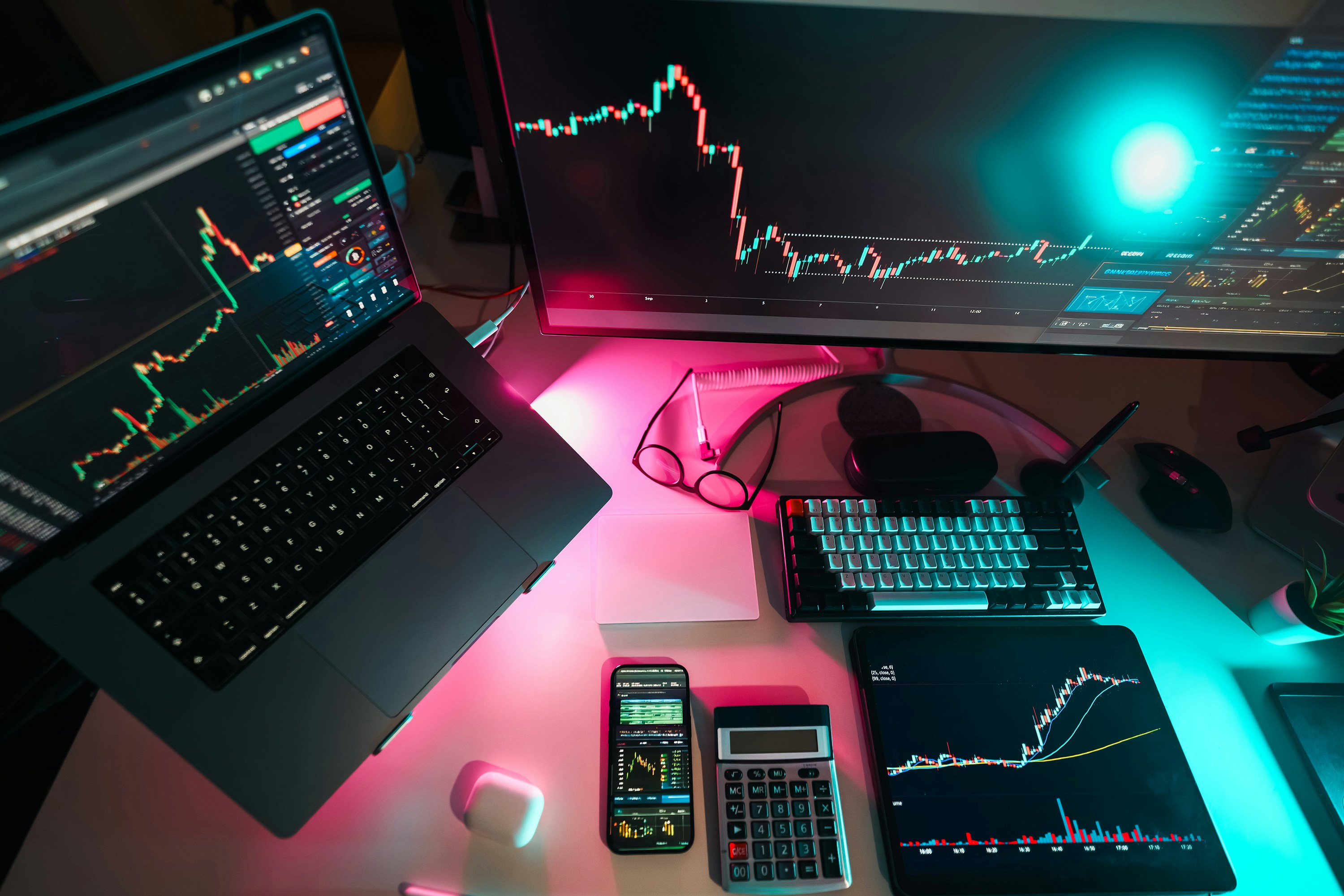
If you sit down and compare prices between places like Binance, Bybit, and even some regional platforms, you'll notice small differences all the time. Sometimes a simple stablecoin conversion like moving between USDT and USDC isn't exact across the board. Those tiny price gaps are where cross-exchange arbitrage comes into play. It's fascinating to watch how automated systems, custom scripts, and basic bots try to catch those movements in real-time without someone having to sit there staring at order books every single second.
When you see how whales and smart money operate, you realize they aren't just guessing green or red candles. They look at liquidity pools, market depth, and structural inefficiencies. They rely on speed and infrastructure to capture these tiny windows before anyone else even notices them. Watching automated tools handle these repetitive tasks while you just sit back and observe feels like a glimpse into how trading is changing.
At the same time, we shouldn't pretend it's some magical free money glitch. Anyone who’s actually tried running these strategies knows the reality is way more complicated. Spreads can vanish in a split second right before your transaction goes through. Once you factor in exchange trading fees, network slippage, transfer delays, and varying liquidity, those little profit margins can shrink really fast. Sometimes a delayed transfer or unexpected fee can even turn a potential gain into a loss if you aren't paying attention. It takes a lot of trial, error, and proper setup to get it right.
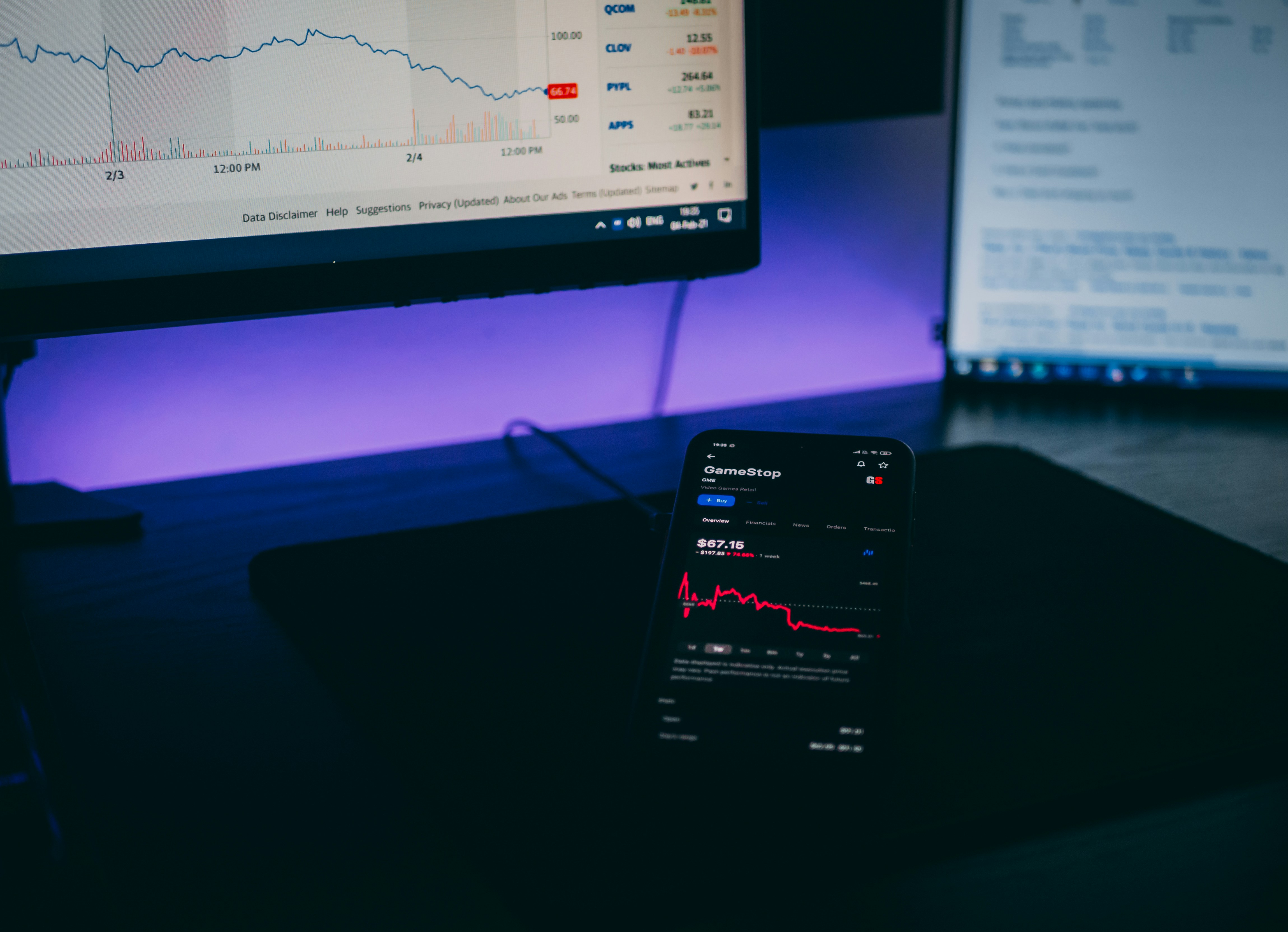
Still, seeing how technology, automation, and crypto liquidity are slowly mixing together makes you realize how much the market has evolved. It’s less about pure luck and more about building systems that react faster than human emotion ever could. We are still early in this space, and nobody really knows where all this automation is heading next, but watching it unfold is pretty exciting.
Has anyone here ever played around with cross-exchange arbitrage or set up basic automated tools to track spreads? What has your experience been like so far?