The "Just Talk About It" Myth: Why Reliving the Past Might Not Be the Cure
We’ve all heard it a million times: "You just need to talk about it!" 🗣️
It sounds like the ultimate recipe for healing, right? Vent your feelings, cry it out, and—poof—the trauma is gone. But hold on a second, because science is throwing us a bit of a curveball. It turns out that for some people, talking about traumatic experiences might actually be making things harder instead of better.
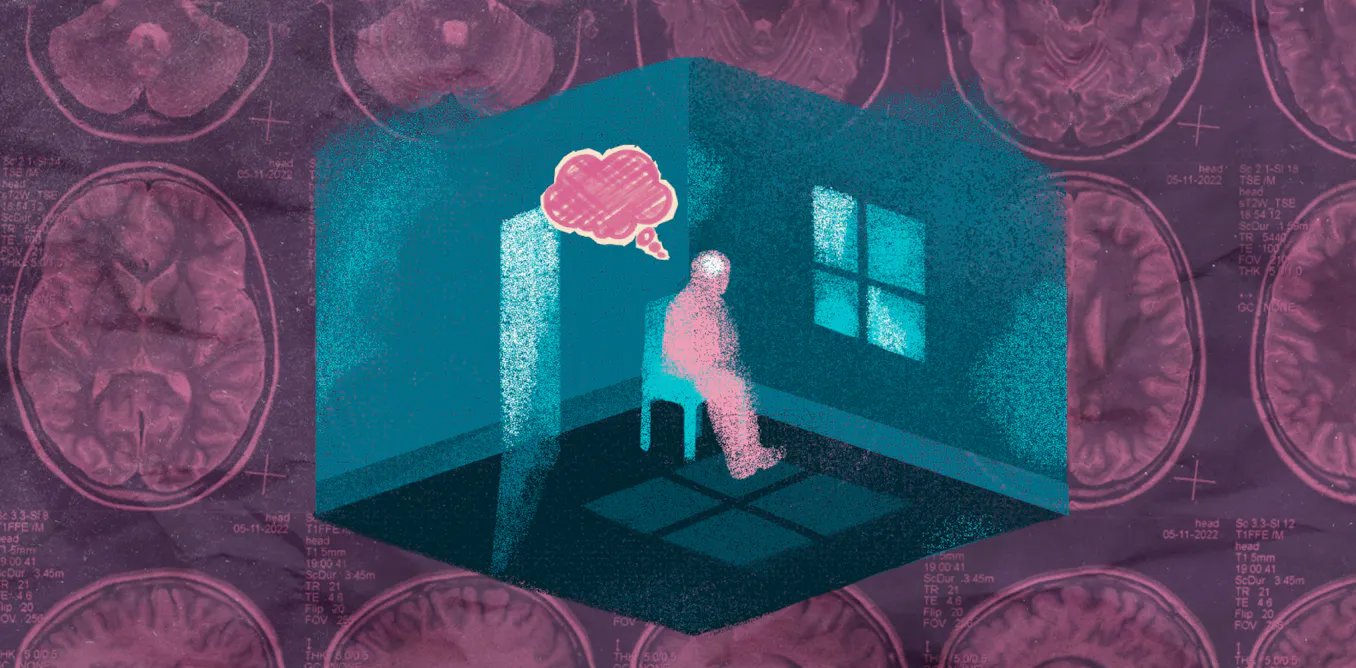
Recent brain scan studies have revealed something fascinating (and a little surprising). When we dive deep into painful memories, we aren't always "processing" them in a way that helps us heal. Instead, we might accidentally be reinforcing the very neural pathways that keep us stuck in a state of stress and fear.
Think of it like this: if your brain is stuck in a loop of high-intensity emotion, talking about the trauma can act like adding fuel to a fire. Instead of calming the system down, it can keep the brain on high alert, making the emotional response even stronger. This is why some people feel totally drained or even more anxious after a long therapy session or a deep conversation about their past.
So, what does this mean for us? It means that healing is not one-size-fits-all. 🌈
While talking is a powerful tool for many, it isn't the only way to find peace. For some, the path to recovery might involve calming the nervous system first, focusing on the body (somatic work), or finding ways to feel safe in the present moment before trying to tackle the heavy stuff.
The next time you feel like "talking it out" isn't working, don't be hard on yourself. Your brain might just be telling you that it needs a different kind of care right now.
Original article: https://theconversation.com/talking-about-trauma-doesnt-always-help-brain-scans-show-one-reason-why-278794