The Power and Permanence of Customary Marriage in Cameroon.
Hi guys, accept warm Steem greetings from the motherland of Cameroon, and welcome to my blog, where I'm gonna share another thoughtful message on the topic The Power and Permanence of Customary Marriage in Cameroon.
This reflection was sparked after a consultative meeting with a women’s group in my community, where one member shared her painful experience of ongoing abuse from her husband’s family, who justified their actions by claiming she was their “property” because a bride price had been paid.
Customary marriage in Cameroon is a deeply rooted cultural institution that continues to shape family life and social identity across many communities. Unlike civil or religious marriages, customary marriage is grounded in tradition, community values, and the collective approval of both families. It is not merely a union between two individuals, but rather a bond that connects families, lineages, and even entire communities.
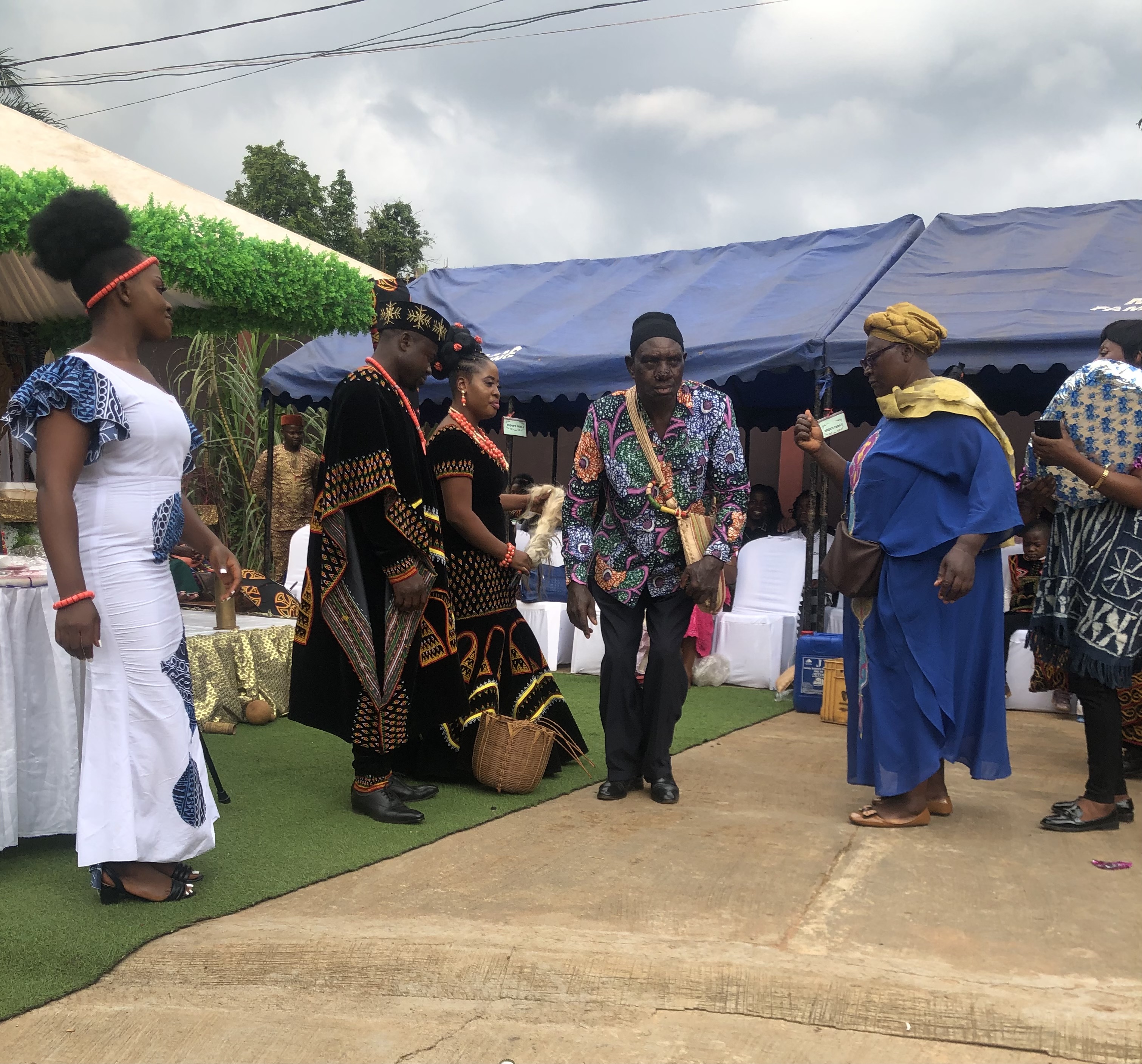
One of the defining aspects of customary marriage in Cameroon is that it is recognised once both families have given their consent. This consent is often expressed through traditional rites, which may include the payment of bride price, family gatherings, blessings from elders, and symbolic ceremonies that vary from one ethnic group to another. These practices are not just formalities, they carry deep cultural meaning and serve as proof that the marriage has been accepted and legitimised within the community.
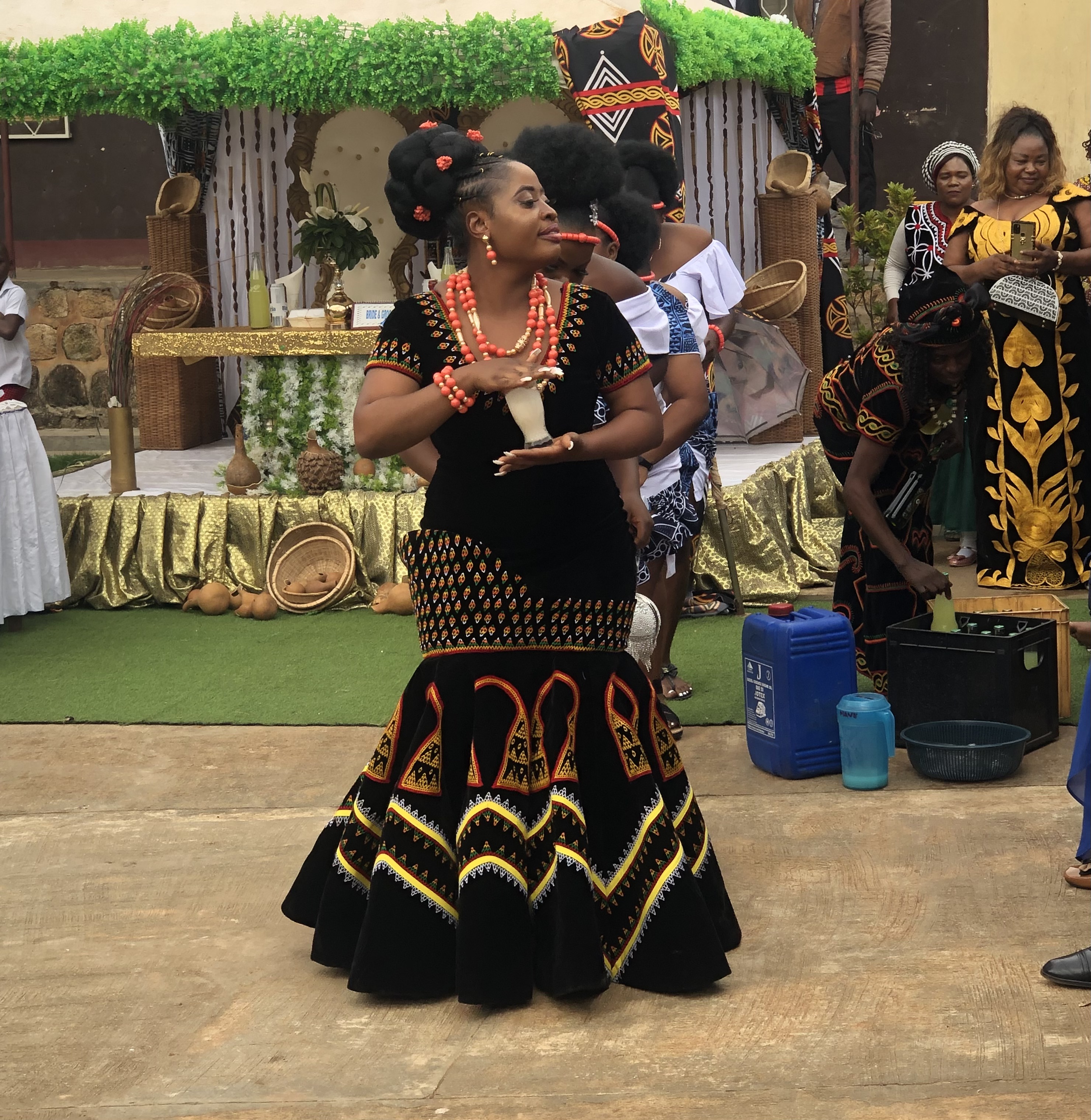
Interestingly, customary marriages in Cameroon do not rely on official documentation. There is often no marriage certificate issued in the way civil marriages provide. Despite this, customary unions are not informal or invalid. On the contrary, courts in Cameroon recognise customary law as legally binding. This means that even without written proof, such marriages can be recognised in legal disputes, particularly in matters of inheritance, custody, and property rights.
Another important feature of customary marriage in Cameroon is its approach to marital breakdown. Unlike civil marriages, which allow for formal divorce proceedings, customary marriage traditionally does not recognise divorce in the strict legal sense. Instead, what exists is separation. When a couple decides they can no longer live together, the process typically involves family intervention. Elders from both sides often attempt reconciliation first, emphasising the importance of unity and stability. If reconciliation efforts fail, the couple may separate, but the matter remains within the framework of tradition rather than formal courts.
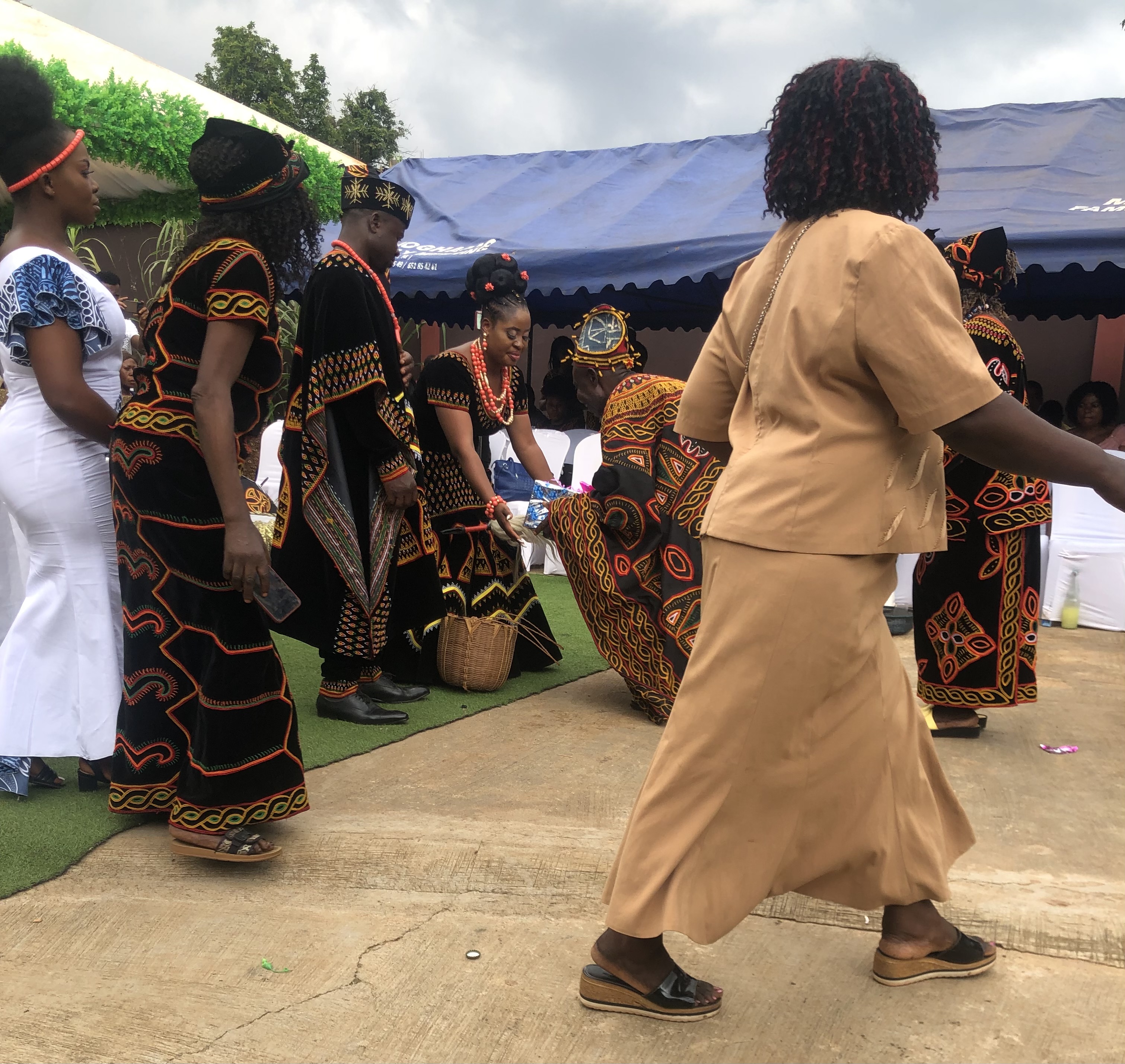
Separation in customary marriage is often accompanied by important cultural expectations. In many communities, the question of returning the bride price arises when a couple separates. However, in situations where children are involved, the bride price is typically not returned, as the union is considered to have fulfilled its purpose of extending the family lineage. Children remain a central concern, and decisions regarding their upbringing are guided by customary norms and the involvement of extended family members. This communal approach reflects the broader philosophy that marriage is not just a private affair but a shared responsibility between families.
Customary practices also extend beyond separation and into matters of death and burial. In the unfortunate event of the woman’s death, the husband is traditionally recognised as having the right to claim her body and take charge of the burial rites. This responsibility underscores the recognition of the marital bond by both families and the community, even in the absence of formal documentation. It also highlights the enduring nature of customary marriage, which continues to define roles and responsibilities beyond the lifetime of the spouses.
In today’s modern society, customary marriage continues to coexist with civil and religious marriages. Many couples choose to combine these systems, performing traditional rites while also registering their union officially. This hybrid approach allows them to honour cultural heritage while also securing legal documentation for administrative and legal purposes.
However, the absence of formal documentation in purely customary marriages can sometimes lead to challenges, especially in urban settings or in situations where legal proof is required. This has sparked ongoing conversations about how to preserve cultural traditions while ensuring adequate legal protection for individuals, particularly women.
Despite these challenges, customary marriage remains a powerful symbol of identity, respect, and continuity in Cameroon. It reflects values such as family unity, respect for elders, and the importance of community involvement in personal milestones. While it may differ from Western concepts of marriage, it holds equal significance and legitimacy within its cultural context.
Ultimately, customary marriage in Cameroon is more than a legal arrangement, it is a living tradition that continues to evolve while preserving the essence of communal life, cultural heritage, and shared responsibility across generations.
How is it done in your community? Share in the comments so we can learn from different cultures around the world.
Wow! Africa is one, and we most remain one. The same way traditional marriage is done in Nigeria.
I will one day dey visit Cameroon. I love the attires of the couples and the whole setting.
Thank you, @chant, for helping us to be part of what happened that day by your detailed explanations.
I pray foe a blessed and fruitful marriage for them.