The quiet side of our community market on non-market days

Greeting Steemit Family
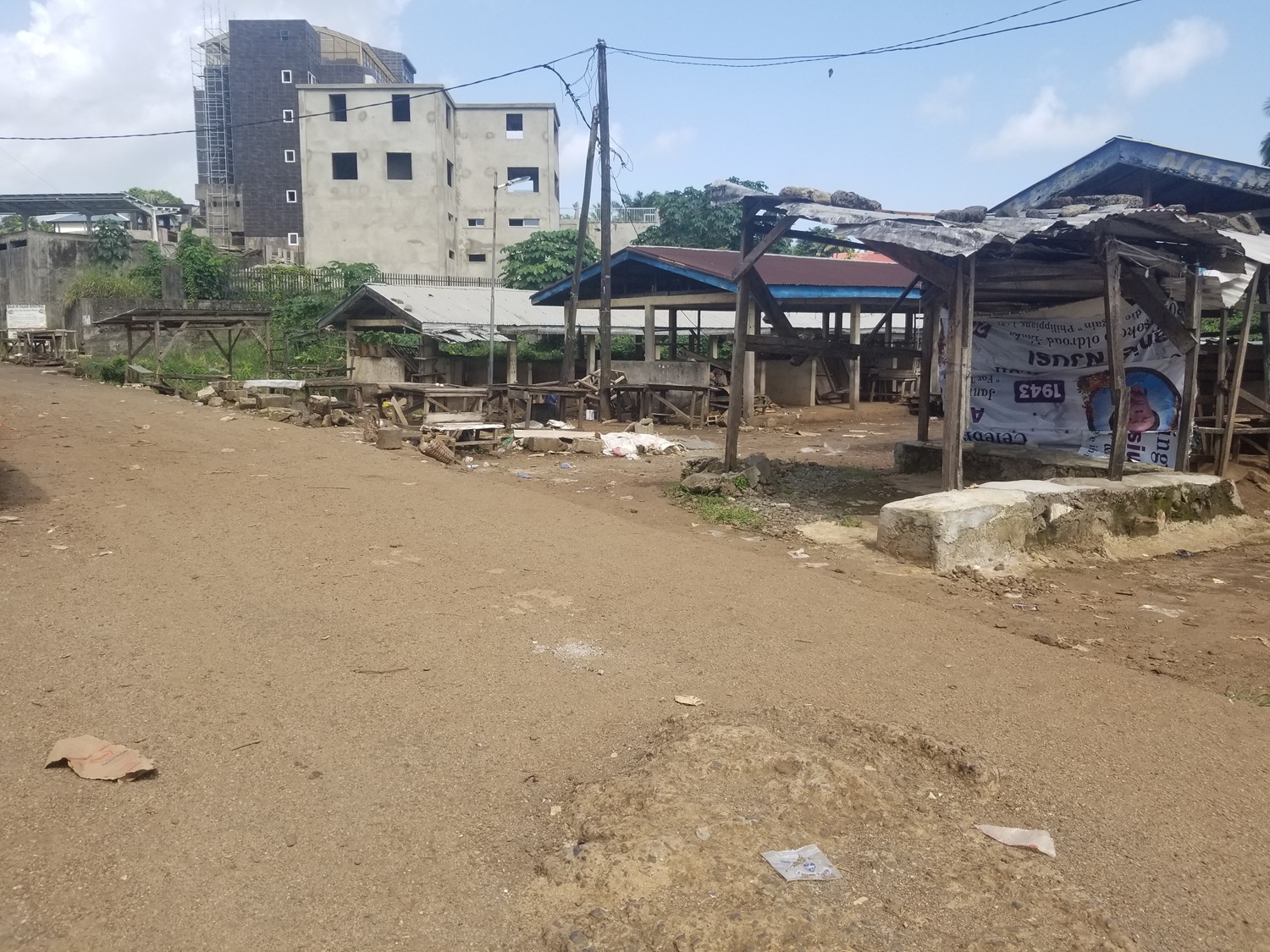
There is something I noticed recently while passing through one of the local markets around my community. Normally, on market days, especially Tuesday and Saturday, this place is always full of life. You hear people shouting prices from every direction, buyers moving up and down. Bikes are parked everywhere, and women are arranging food items on tables and on the ground. But on this particular day, the place looked completely different.
The whole market was empty and quiet. Looking at the empty tables and sheds gave me another picture of how these local community markets really operate. This is not the type of market where traders own permanent shops and lock up their goods inside after business hours. Here, most traders come only on market days with their goods, sell as much as possible, and return home with whatever remains.
That is how many village and community markets in Cameroon still function today. On a normal market day, this place would hardly have enough space to walk freely. Farmers from nearby villages come very early in the morning carrying vegetables, cocoyam, plantains, beans, spices, and other farm products. Some come with goats, fowls, or smoked fish. Buyers also come from nearby towns because prices are sometimes cheaper and fresher than in bigger town markets.
But once the market day ends, everywhere becomes empty again. As I stood there, I could see small birds moving around the empty tables looking for leftover grains or food particles. Some goats and chickens were also wandering around freely. The silence almost made it hard to believe this same place becomes crowded twice every week.
One thing I appreciate about this kind of market system is how it helps small-scale farmers and traders. Many people do not need money to rent expensive shops before they can sell. They simply prepare their goods, come on market day, sell, and return home. It gives many villagers and local farmers an opportunity to earn income directly from their farm produce.
Another good side is that buyers usually get fresh food products. Most of the vegetables and food items are harvested either the same morning or a day before the market. That freshness is one reason my wife still prefers community markets.
But this type of operation also has its disadvantages. One major problem is uncertainty. Since traders move back with their goods after every market day, I'm very sure some products spoil before the next market day comes. During rainy seasons, transportation also becomes difficult, especially for the traders coming from villages with bad roads.
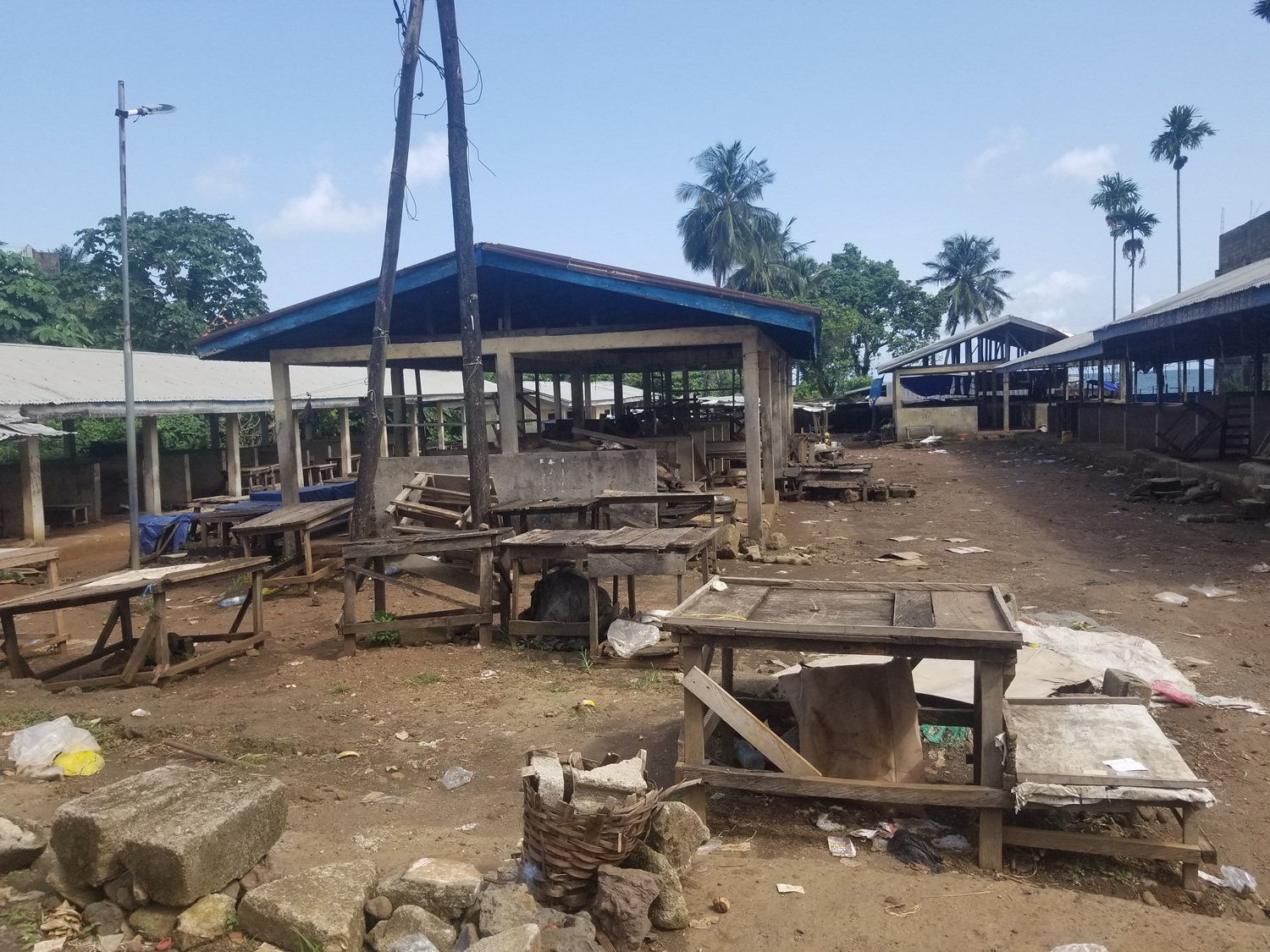
Security can also become an issue. Because traders do not have permanent shops, they carry their goods back and forth each market day. That means extra transport costs and stress. Sometimes when heavy rain starts unexpectedly, traders struggle to protect their goods because many of these market sheds are old and not properly covered.
Another thing I noticed is that on non-market days, the market area can easily become abandoned and poorly maintained. Without regular activity, grasses begin growing around some sections, and some structures slowly get damaged.
Still, despite all these challenges, these community markets continue to play a very important role in our local economy. They connect villages to towns, support farmers, and help many families survive. Sometimes we pass places like this without thinking deeply about them. But standing there in the quietness of the empty market made me appreciate the effort behind every market day in our communities.
Cheers
Thanks for dropping by
@fombae