MICROORGANISMS: NOT ALL OF US ARE DEADLY
Hello people, today I bring to you some knowledge about microorganisms. Growing up, whenever I heard the word “microorganisms” or “germs”, the first thing that always comes to mind was disease, sickness or infection. I had always thought negative about them because I believed that all microbes were dangerous and should be avoided at all cost. Even back in secondary school, most of the examples we hear are about diseases, bacteria causing infections, viruses causing illnesses, and so on. So it was easy for me to think that microorganisms are just harmful. But as I ventured into studying microbiology in the university, I started seeing things differently. I realized that not all microorganisms are deadly. In fact, many of them are very useful to us and even necessary for life.
MICROORGANISMS IN OUR BODY
Microorganisms, commonly referred to as microbes are microscopic living organisms that include bacteria, fungi, viruses, protozoa, and algae.
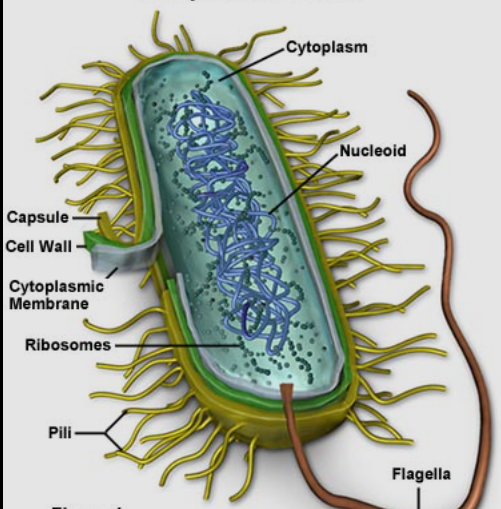
Diagram of a typical microorganism
While many people associate microbes with disease and infection, this perception is incomplete and often misleading. In reality, only a small fraction of microorganisms are pathogenic, while the vast majority play essential and beneficial roles in sustaining life on Earth. One surprising thing I learned is that our body is full of microorganisms. Inside and outside our body, there are trillions of them living with us. These microorganisms help us in digestion, because some of the food we eat cannot be fully broken down by our body alone, so these microbes assist in breaking them down and making nutrients available for us. They also help in producing important vitamins like vitamin K and some B vitamins. And without them, our body will not function properly. Another interesting thing is that these good microbes help protect us. They fight for space and nutrients, making it difficult for harmful organisms to grow inside our body.
MICROORGANISMS IN THE ENVIRONMENT
Microorganisms are also very important in our environment. When plants and animals die, microbes help break them down into simpler substances. This process returns nutrients back to the soil, making it fertile again for plant growth. Meaning that without microorganisms, dead materials will just pile up everywhere, and that would be bad for us. Some microbes also help in cleaning the environment. They can break down harmful substances like oil spills and waste, making the environment safer for inhabitation.
MICROORGANISMS IN MEDICINE
It may sound surprising, but microorganisms are used to produce medicines. Antibiotics are produced by microorganisms which are in turn used to eliminate or inhibit the growth of other microorganisms. For example, antibiotics like penicillin are produced from microorganisms, and are used to treat infections caused by certain types of bacteria. Microorganisms are also used in making vaccines that protect us from diseases. Even probiotics, which help improve digestion, are made up of beneficial bacteria.
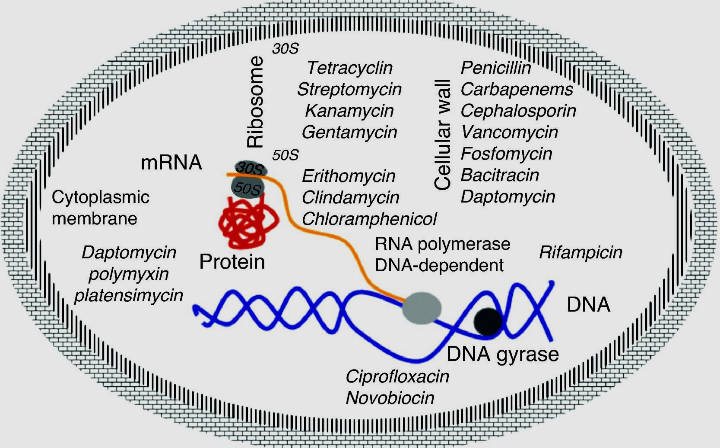
Antibiotics produced by microorganisms
MICROORGANISMS IN WASTE MANAGEMENT
It might baffle you to hear that microorganisms play a big role in keeping our environment clean. One of such activity is in wastewater treatment. Microbes help break down waste materials, making the water safer before it is released back into the environment. They are also used in composting, where organic waste is converted into manure that can be used for farming.
MICROORGANISMS IN INDUSTRY
In industries, microorganisms are used for many purposes. Through fermentation, they help produce products like alcohol, enzymes, and organic acids. So when next you're taking juice or beer, know that it all came from the works of microorganisms. They are also used in producing biofuels, which serve as alternative sources of energy.
MICROORGANISMS IN FOOD PRODUCTION
Many of the foods we enjoy today are made with the help of microorganisms. Foods like bread, yogurt, cheese, and even some local fermented foods depend on microbes for their production. These microorganisms not only help in food production but also improve taste, preservation, and nutritional value.
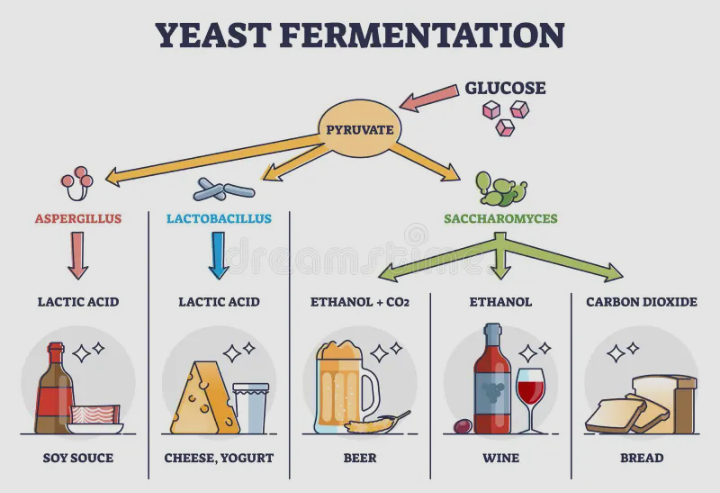
Fermented foods from microbes
MICROORGANISMS IN PHARMACEUTICALS
In the pharmaceutical world, microorganisms are also very important. They are used to produce drugs, vitamins, and hormones like insulin. Have you ever thought of where insulins used to aid diabetic patients come from? These are all products of genetic engineering and recombinant DNA technology gotten from microorganisms. So basically, without microorganisms, many of the medicines we rely on today would not even exist.
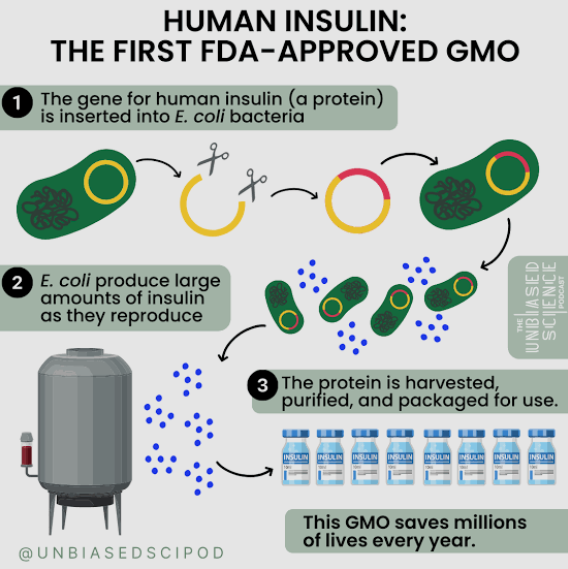
Insulin production processes
CONCLUSION
From everything I have learned in microbiology, I can confidently say that microorganisms are not our enemies as we once thought. Yes, some of them cause diseases, but many more are actually helping us every single day inside our body, in our environment, and in different industries. So instead of seeing microorganisms as something to fear, we should also learn to appreciate their importance in our lives. Truly, not all microorganisms are inherently harmful but are indispensable to life. In fact, they will have the final say when you speak of life in general.