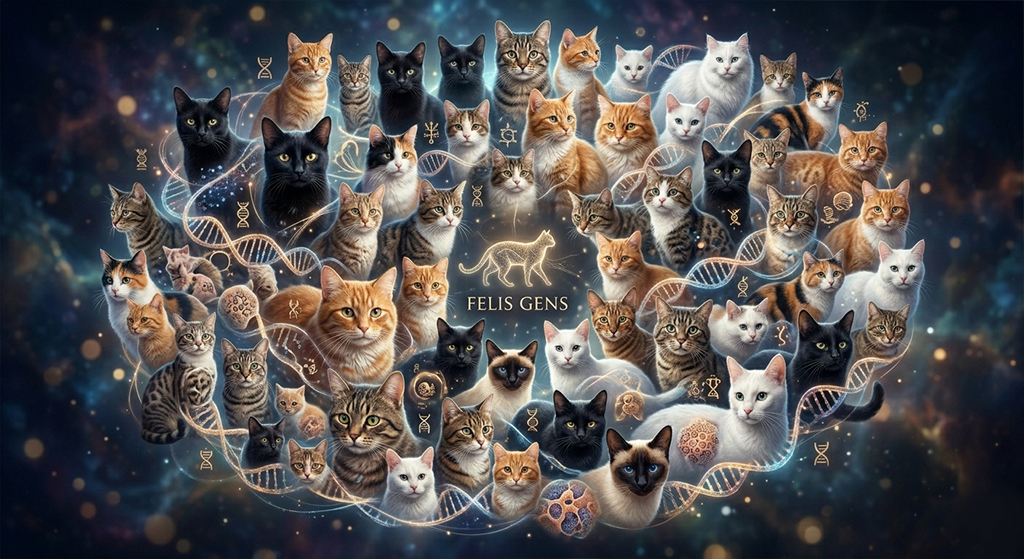
Why do cats have so many different colors?
Why do cats come in such a variety of hues?
This is because cat coat color is controlled by multiple interacting genes, not just one. Think of it as a “genetic recipe” where different switches control pigment, shade, and patterns.
Below is a simplified explanation with AI image prompts to help visualize each concept.
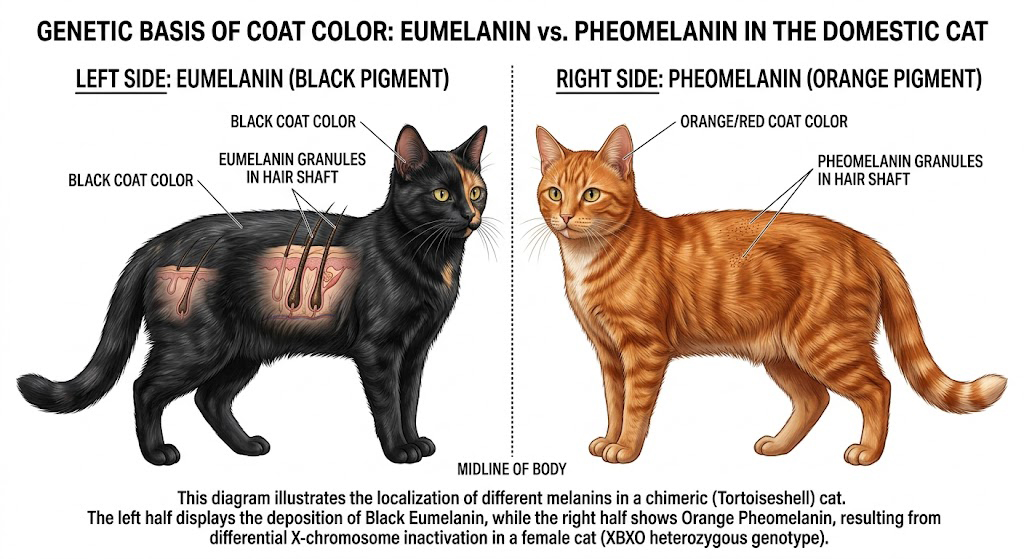
1. Two fundamental pigments (the basis of all colors) All cat colors come from just two pigments:
Eumelanin → black / brown shades
Pheomelanin → red / orange shades
These two are modified in every other way.
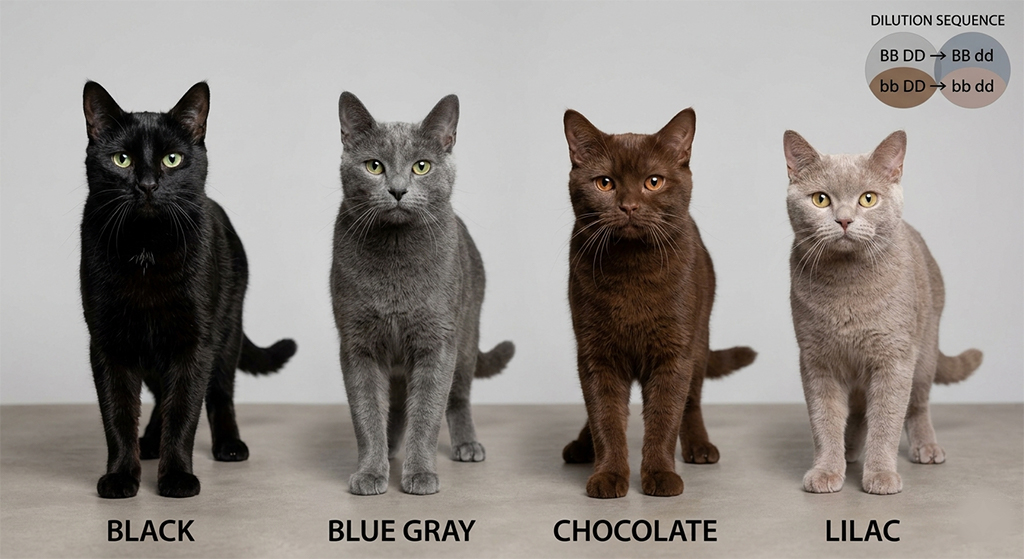
2. Dilution Gene (Light vs Dark Colors)
This gene alters the intensity of pigment: Black → Blue (gray)
Red → Cream
Chocolate → Lilac
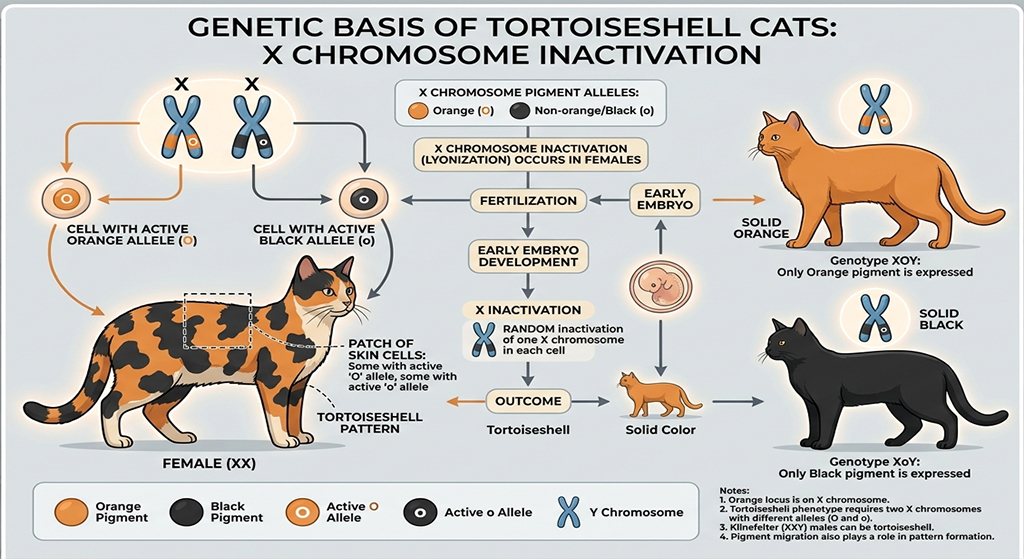
3. Orange Gene (Sex-Linked Color Gene)
Turns black pigment into orange
It is found on the X chromosome. Responsible for tortoiseshell and calico patterns (mostly females)
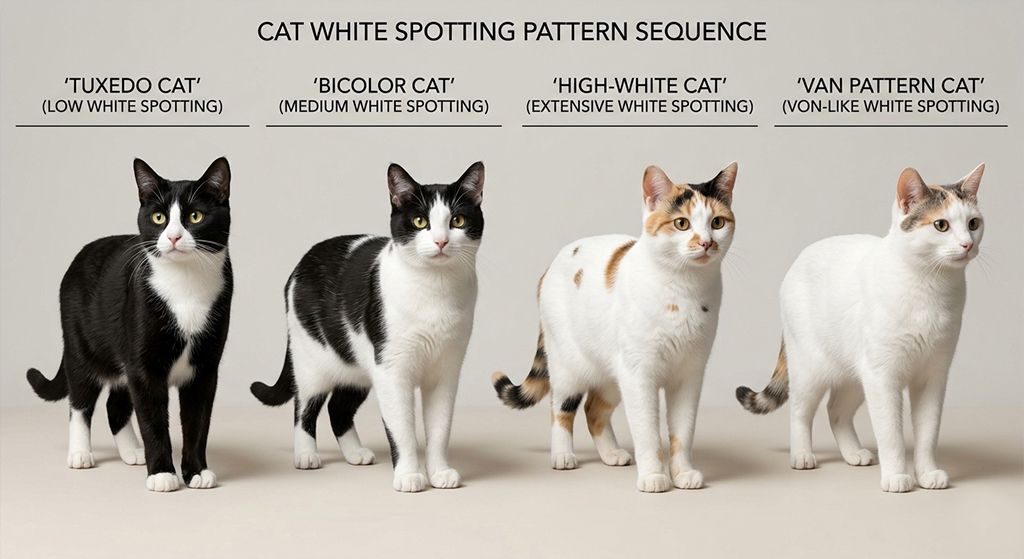
4. White Spotting Gene (Patches of White)
determines how much white is visible: Tuxedo cats in small patches Cats with medium patches and bicolors Large patches → mostly white cats
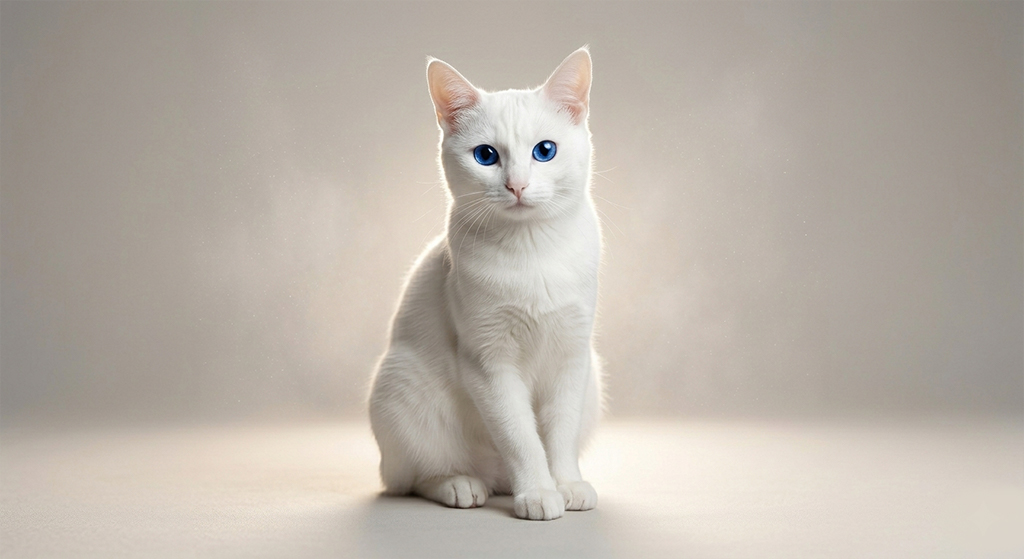
5. Dominant White Gene (All White Cats)
Completely blocks pigment
Produces pure white cats
Sometimes linked with blue eyes
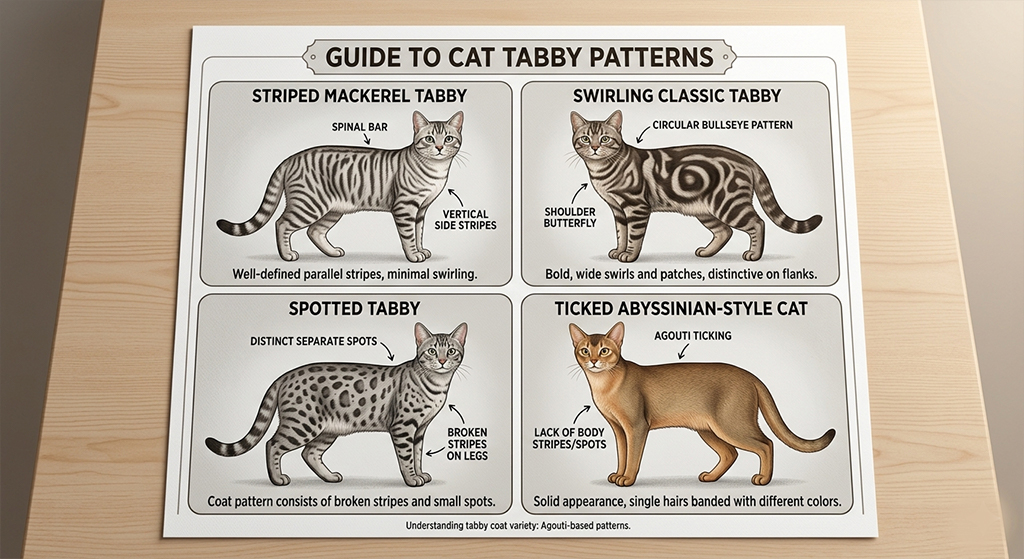
6. Tabby Pattern Gene (Stripes & Spots)
Creates patterns like:
Mackerel tabby stripes Swirls, a traditional tabby Spots (spotted tabby)
Coat with ticks (Abyssinian style)
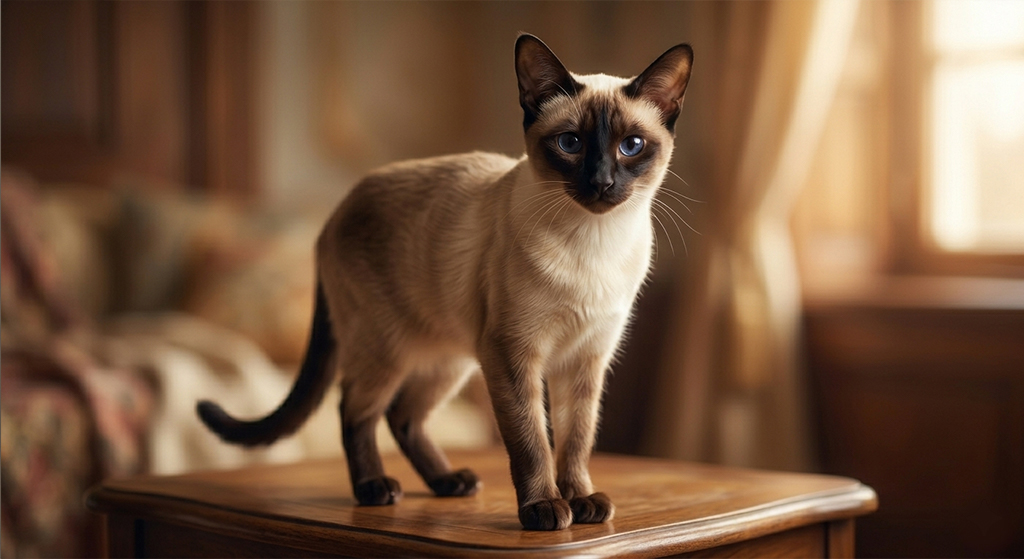
7. Colorpoint Gene (Color with Temperature Sensitivity) Cool areas (ears, paws, tail) → darker
Lighter, warmer body Identified in Siamese cats
Final Concept
Cat colors are not random—they are the result of multiple genetic switches working together, producing endless combinations of:
Pigment type
Color intensity
Design of patterns White distribution
Temperature effects