Diplomacy or Power? The Never-Ending Debate Around Iran
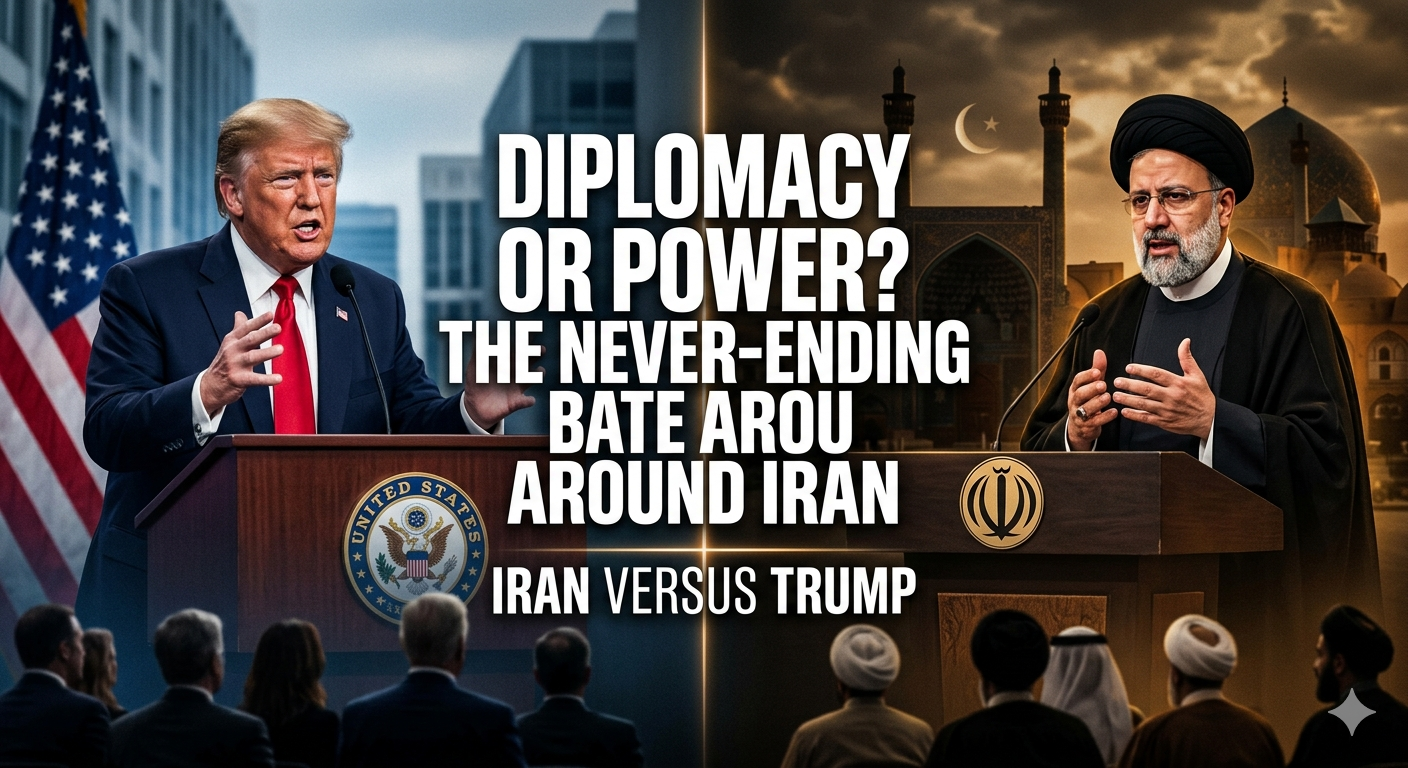
Sometimes world politics feels less like leadership and more like a battle of egos. One president comes, changes everything, and then the next one spends years proving the previous one wrong. The recent statements by former US President Barack Obama about Iran again reminded me how powerful countries often treat global issues like political competitions.
A few days ago, Obama openly criticized Donald Trump and said that during his own presidency he handled the Iran issue successfully without firing a single missile. According to him, diplomacy worked better than threats and war. He also claimed that they managed to reduce Iran’s enriched uranium significantly without creating massive destruction or chaos in the region.
When I read this news, one thing immediately came to my mind: sometimes silence, talks, and patience achieve what weapons cannot.
The world has already seen enough wars. Countries are destroyed within days, but rebuilding takes decades. Ordinary people lose homes, children lose parents, economies collapse, and fear spreads everywhere. Yet political leaders often present military actions as “strength” while diplomacy is shown as weakness. But is it really weakness if a conflict ends peacefully?
Obama’s statement looked like an indirect message that smart negotiations can sometimes prevent bloodshed. He mentioned that there was no need to close the Strait of Hormuz, no massive attacks happened, and many lives were saved. Whether people support him or not, this part of his argument makes many people think deeply.
On the other side, Donald Trump has always taken a tougher approach toward Iran. During his presidency, he withdrew from the nuclear agreement and increased pressure through sanctions and warnings. His supporters believe strong pressure keeps enemies under control. Critics, however, say that such actions increase tension and push the world closer to dangerous conflicts.
Honestly, both sides claim they wanted peace, but their methods were completely different.
This debate is not only about America or Iran. It reflects a larger reality of today’s world. Some leaders believe power comes from military strength, while others believe influence comes through dialogue and international cooperation. The sad thing is that ordinary citizens are usually the ones who suffer when powerful nations compete.
In my opinion, modern politics has become too aggressive. Social media, television debates, and political speeches are full of blame games. Leaders rarely admit mistakes anymore. Every decision is turned into a personal victory or defeat. Instead of solving problems together, countries keep trying to dominate each other.
Sometimes I wonder how different the world could become if powerful nations invested the same energy into education, healthcare, poverty reduction, and climate problems instead of conflicts and weapons.
The Iran issue is still sensitive and complicated. Different people will continue supporting different leaders depending on their political thinking. But one thing is clear: peace achieved without war always leaves fewer scars behind.
History usually remembers wars loudly, but quiet diplomacy often saves more lives than people realize.
Congratulations!
Your post has been selected and upvoted by the SteemPro Team 🚀
Explore more on SteemPro:
🌐 https://www.steempro.com
🎮 Play SteemHeights: https://www.steempro.com/games/steem-heights
💬 Join our Discord: https://discord.gg/Bsf98vMg6U
💪 Supporting the growth of the Steem ecosystem together.
🟩 Vote for witness faisalamin:
https://steemitwallet.com/~witnesses
https://www.steempro.com/witnesses#faisalamin
This is an automated message.