Why Your Breathe Is Affected Often Times
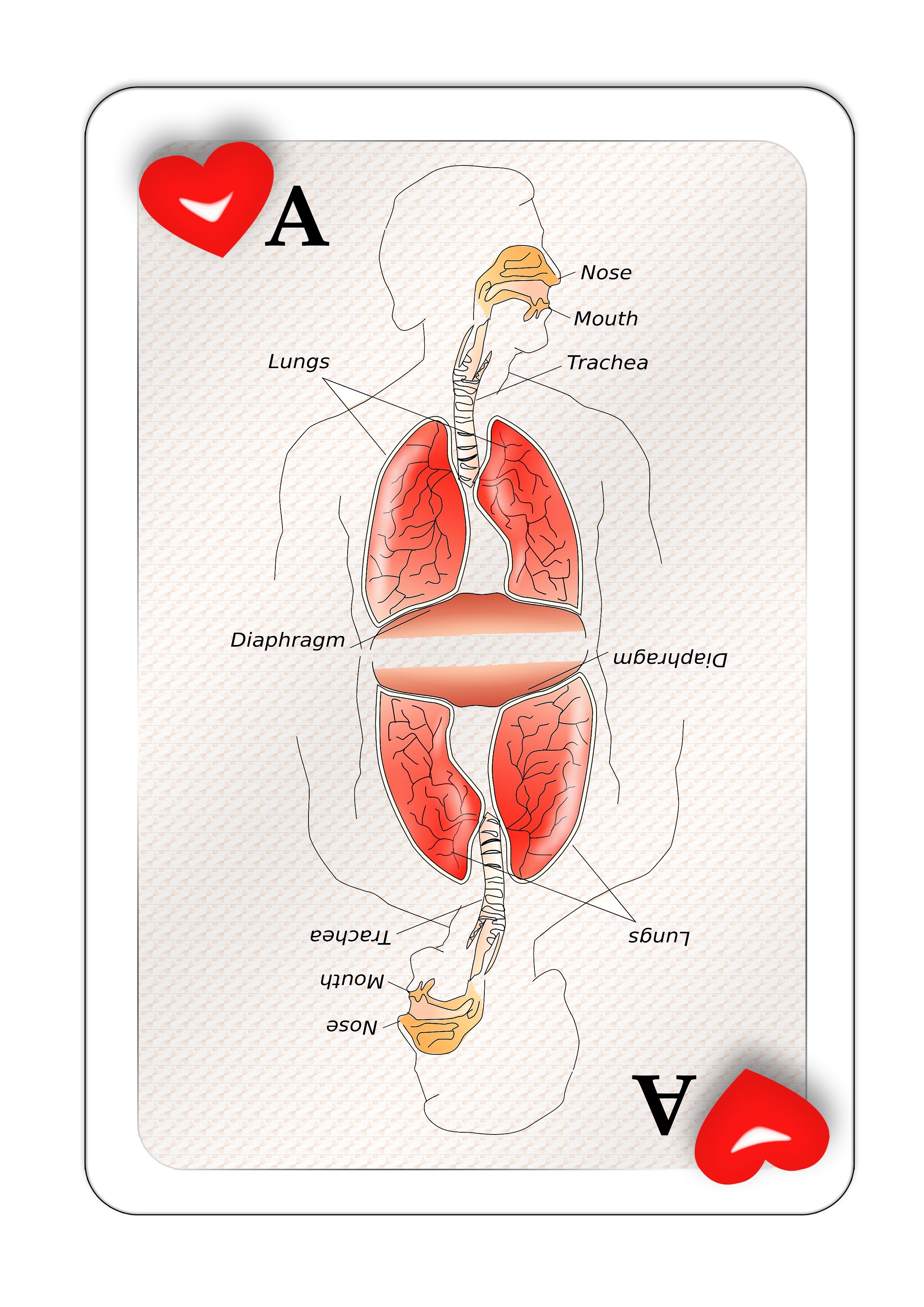
Your breathing depends solely on coordinated movement of the rib muscles, diaphragm and chest wall. In that case, excess body weight gets to increase resistance against these muscles, most especially during inhalation. The fat surrounding the chest and the upper abdomen adds to mechanical load, thereby making it harder for the rib cage to expand well and the diaphragm to descend. Each of your breath requires more effort than the respiratory system which was designed to sustain continuously.

The respiratory muscles gets more fatigue quickly, here, breathing becomes shallower, reduces the amount of air that reaches the lungs. The amount of oxygen intake drops, especially during sleep and physical activity. The diaphragm now works against higher pressure from abdominal fat, while the chest wall stiffness now limits the lung expansion. This inefficiency forces ir causes the heart to compensate, thereby increasing cardiovascular strain and energy demand.
 source
These changes doesn't just pop up, they usually develop gradually which many people adapt without realizing that their breathing muscles are under constant stress. Shortness of breath may appear only with exertion at first, then increases during routine tasks. When there is a reduced respiratory efficiency, it lowers endurance and resilience, making illness and recovery much more difficult. Excessive weight not only burden joints and circulation, it gently overloads the muscles responsible for every breath, minute after minute, without a single rest.
Thank you for reading!!!...