Pick and Write [Agricultural Word]👉#17
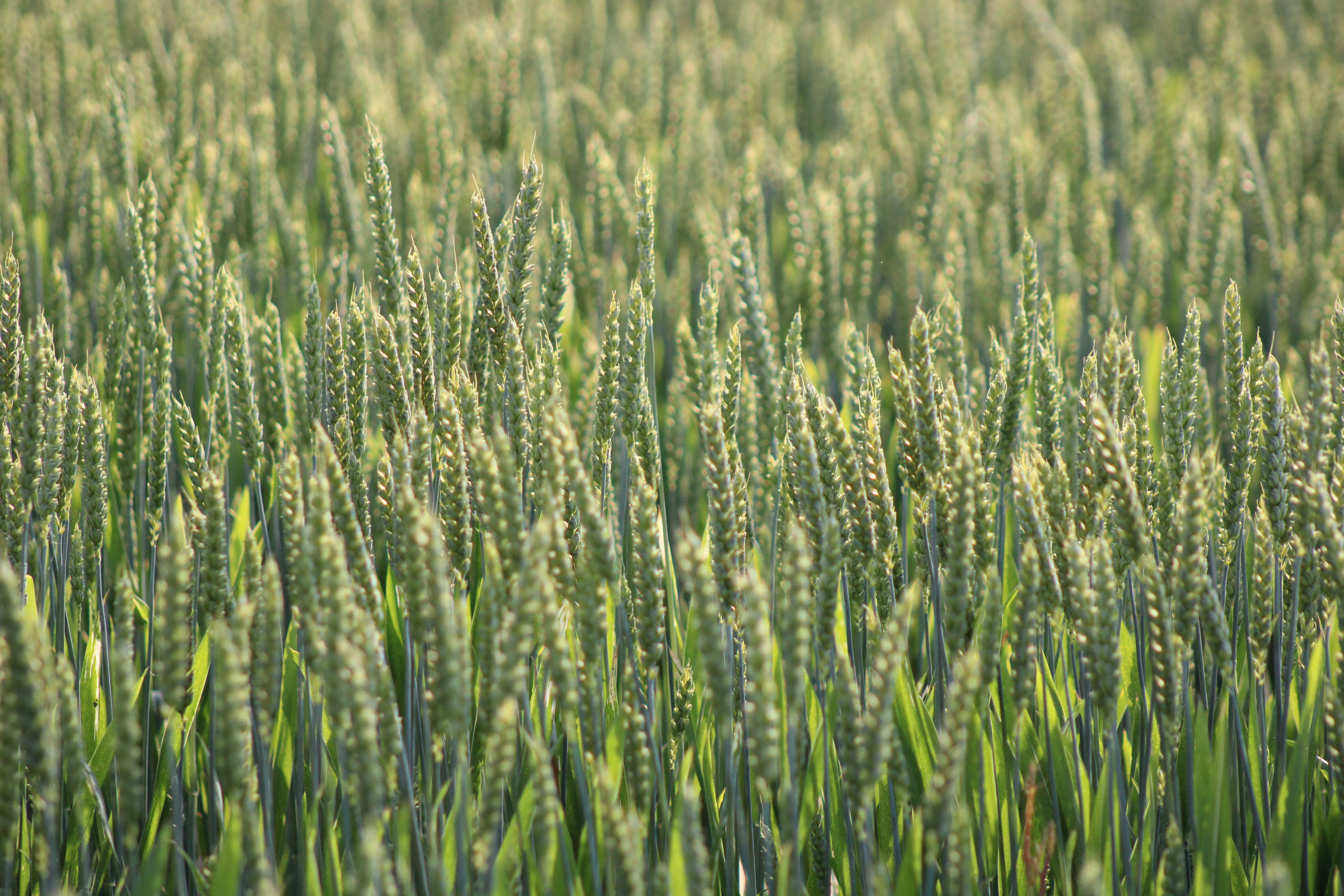
Meaning of crop rotation.
Crop rotation, also known as sequential cropping or alternating cropping is a farming practice where farmers grow different types of crops on a particular farm or land area in succession. For example, a farmer may decide to have a three-year rotation plan, planting different crops each year in this order:
Year 1: YAM - is a heavy-feeding root crop which leaves the soil well-aerated after harvest.
Year 2: GROUNDNUT - is a restorative legume
that restore fertility by fixing nitrogen into the soil.
Year 3: MAIZE - is a heavy feeder which can benefit from the nitrogen leftover by the groundnuts and it also improves soil structure with its fibrous roots.
This pattern is then repeated after the expiration of the first three-year plan in the same order.
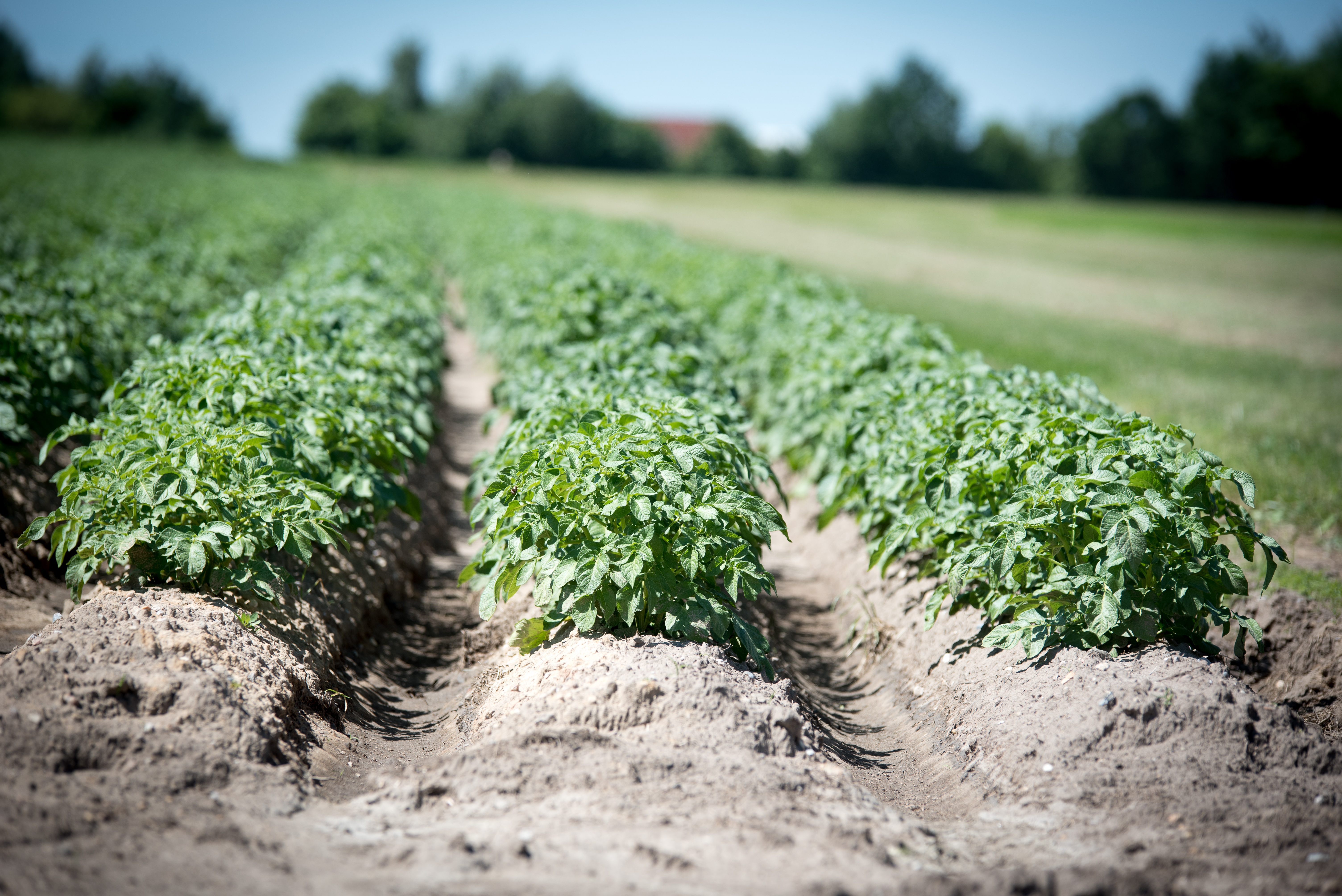
Importance of crop rotation
Some benefits or importance of crop rotation are:
- It prevents or reduces soil erosion: The system of planting deep-rooted crops followed by shallow-rooted crops in this order prevents soil erosion by breaking up compacted soil and protecting the surface.
- It manages pests and diseases associated with soil: changing crops yearly in a particular area breaks the life cycle of pests, which are crop-specific and reduces the likelihood of infestation.
- Improves soil fertility: Crop rotation prevents the soil from exhausting its nutrients since different plants need different nutrients. Hence, improving the health of the soil.
- Increased productivity: Since crop rotation manages pests and diseases as well as improves soil fertility, it can increase crop yield.
- It discourages or reduces the use of pesticides and fertilisers since the system manages pests and improves soil fertility.
Disadvantages of crop rotation
Here are a few setbacks or limitations of crop rotation:
- Crop rotation can lead to short-term low profit: Here, farmers can be forced to leave a highly profitable crop to plant a low-profit crop just to maintain crop rotation.
- It demands serious planning and very good knowledge of different crops to practice crop rotation.
- Risk of failure: In a situation where the farmer poorly plans or poorly implements the system, it can lead to
Invitation
Thank you for reading. I invite @josepha, @saikat01 and @wilmer1988 to support and join the contest.
CC
@hive-118902
Thanks for being supportive.