Basic Knowledge in Agriculture #82
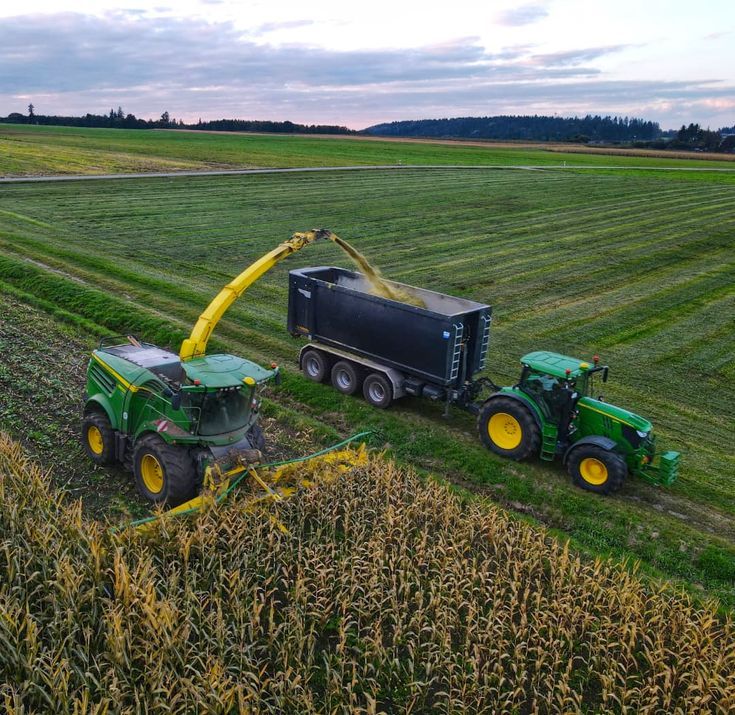
What is Agricultural Mechanization?
Agricultural mechanization is essentially a planned substitution of mechanized machines, tools and systems in lieu of human and animal power to be applied in agricultural production. This concept goes beyond just plowing a piece of land with a tractor; it essentially transforms the traditional agricultural environment.
Mechanization covers the whole range of activities that occur along the agricultural production continuum. It commences from preparation of the primary land for cultivation, done with machineries like bull dozer, plows, moves towards the planting operations by automated seeders, to the operations for maintenance of the crops, like automated irrigation and motorized sprayers.
And concludes in the stages of harvesting and subsequent post harvest processes that are executed by machines like combine harvesters, thrashers, automated mills, among others. Integration of these machines enables the transition of a largely manual, subsistence activity into a very productive, commercialized, and relatively predictable industrial activity.
Why is Mechanization Important?
Modern economic development and the need to achieve global food security heavily rely on the substitution of human labor with mechanical power. Some benefits include:
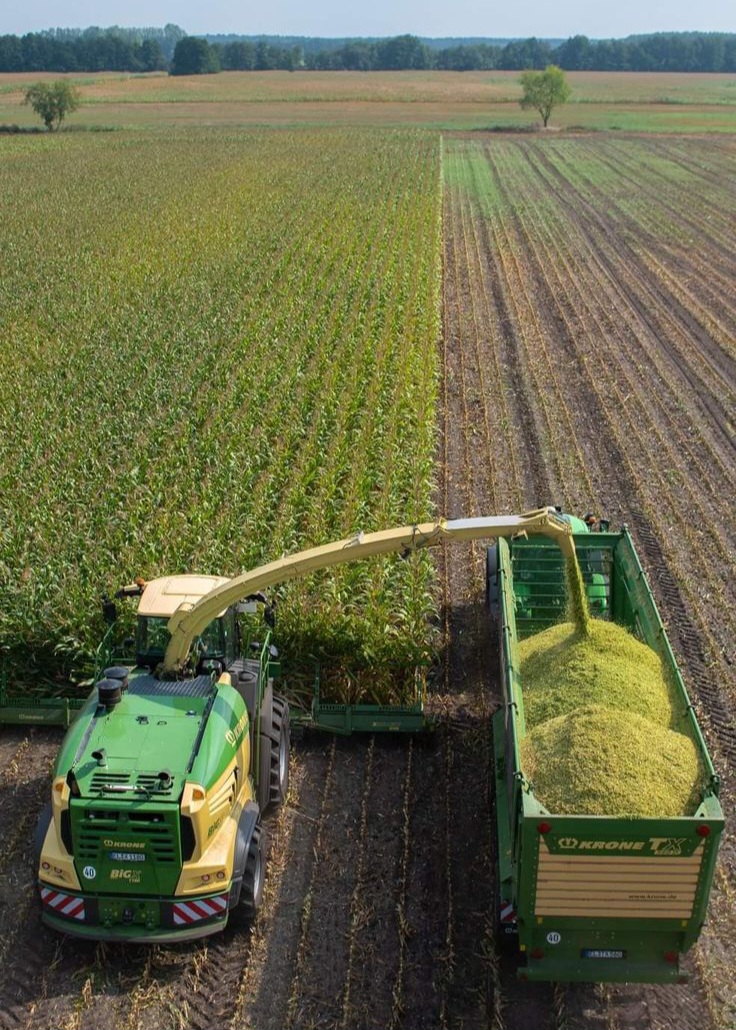
- Higher yield and output: Machines make it possible for farmers to work very large acreages within days rather than weeks, where the same amount of work would need hand labor. In other words, time taken to clear and plow land could be reduced to days from weeks, thereby enhancing amount of area that could be worked.
- Timeliness: Agriculture is heavily dependent on proper application of spraying, planting and harvesting within narrow windows of time according to seasons. Mechanization allows operators to apply at optimum time hence minimum possibility of reduced yield.
- Reduction of drudgery: It relieves farm laborers of heavy, arduous physical tasks, consequently improving the living conditions for agricultural workers and also attracting young labor to a job they otherwise perceive as burdensome and less interesting than alternative professions.
- Efficiency and reduced post-harvest losses: Although it requires substantial capital investment, mechanization reduces labor cost by obviating hired hand-labor and also minimizing food grains loss during and after harvesting by sophisticated handling systems.
Thanks for reading my post I'm inviting @pea07 @bela90 and @abdullahw2 to participate.