Pick and Write [Agricultural Word]👉#21
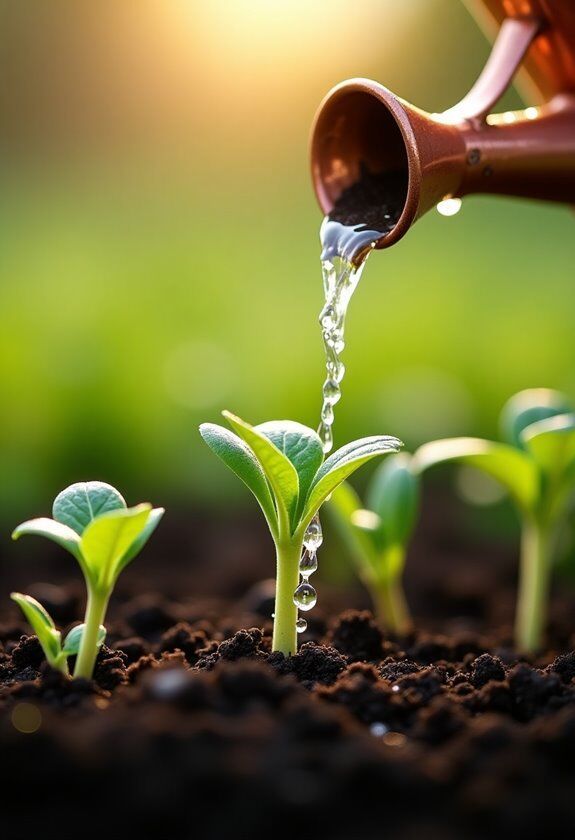
Plant Nutrition: a pillar in sustainable agriculture
The basis of this agricultural science is the essential chemical elements which support plant growth, development, reproduction, health and well-being. Similar to humans who need to be healthy by taking in enough food to satisfy their need, plants need elements to live, obtained from water, air and more particularly the soil via their roots. Understanding and management of the nutrients required by plants can prove to be crucial to the quality, productivity and sustainability of agricultural products.
Essential plant nutrients are divided in two groups depending on the quantity which is required: macronutrients and micronutrients. The first are the ones that plants need in large quantities. N, P and K are primary macronutrients often used as main fertilizer components and play significant roles as building blocks. N contributes to leaf development, P plays a crucial role in flowering and fruit development while K is indispensable in various metabolic processes among many others. Secondary macronutrients include Ca, Mg and S and also carry vital functions for the plant's structure and chlorophyll production.
Micronutrients are required in minute quantities, but they act as activators of metabolic processes and enzymes. Some examples include Fe, Mn, Zn, Cu, B and Mo. Even one of these, missing in sufficient amounts, can severely inhibit plant development and growth and causesymptoms such as chlorosis. These limitations may result in heavy stress and lead to susceptible behavior to pests and disease.
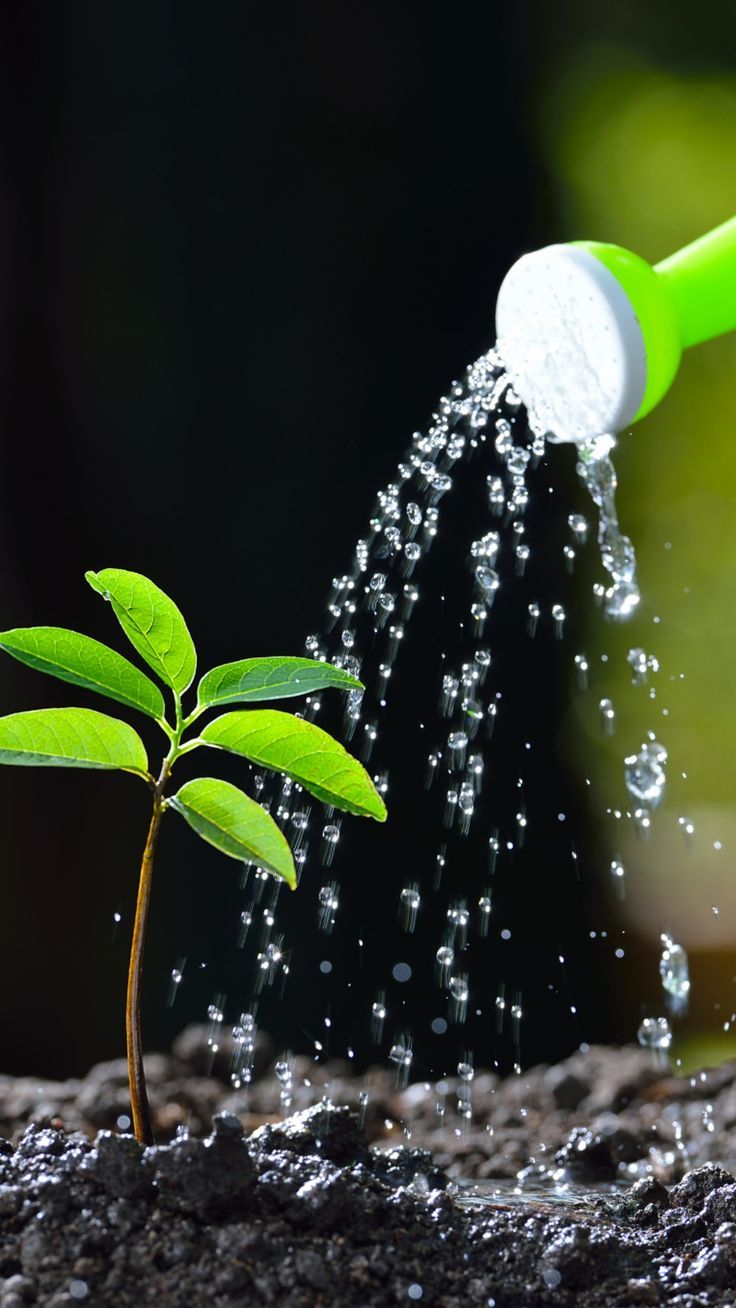
Plant nutrition management can be carried out using the observation of visual signs and soil tests which will help to diagnosis deficiency or toxicity. Fertilizers are then applied so as to provide the crops with the right amount of required elements according to the growth phase they are at. Fertilizing plants excessively may not only be an unnecessary expenditure but it can also have harmful consequences on the environment, by allowing elements to leach to water streams where they can cause acid rain and eutrophication, just to name a few. Sustainable approaches like crop rotation, use of composting, precision fertilizer application etc. Are thus critical.
Thanks for reading my post I'm inviting @rad-austine, @aviral123 and @chant to participate.
Curated by: @josepha