Pick and Write [Agricultural Word]👉#25
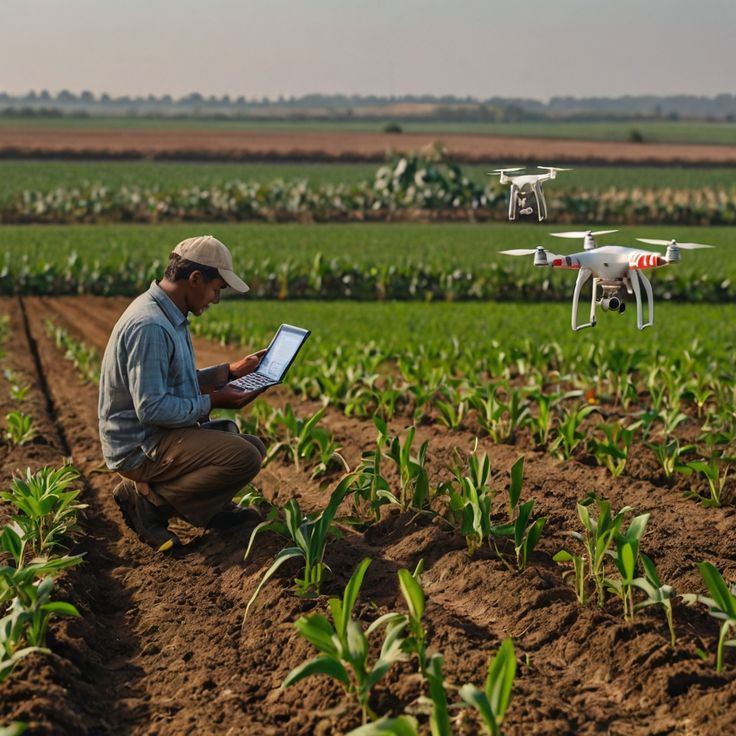
Crop Monitoring In today's era, farming is a far cry from guess and wait. If one hopes to garner a high yield for the season, you need to stay one step ahead of nature's whim. Out of the excellent choices provided for the contest this week, I will be going with Crop Monitoring as this serves as the 'eye' and 'ear' of a farmer.
What is Crop Monitoring? Crop Monitoring is the ongoing process of watching, measuring, and evaluating the development, growth, health, and behavior of crops throughout their growth cycle. Previously, this simply meant walking through your fields and looking for dead leaves or bug holes. But today, while scouting in person is important, crop monitoring has now become an intelligent practice incorporating technologies like remote sensing from satellite imagery, soil sensors and drone technology.
Why is this Important for Farmers? The main purpose behind monitoring crops is for early detection. Catching small issues before they become big ones helps save the whole season's hard work.
Pest and Disease Monitoring When a farmer has to spray a field 50 hectares wide for disease and pesticide, with a bit of hope for the right place to hit the plant it would be ideal if he is able to check which part of his field is being infected from disease from the beginning and cure just that spot of infected part only. This helps in avoiding the overall use of pesticides unnecessarily over entire area. When monitoring he could check which parts of the field are drying because of water shortage and which parts are suffering from the absence of some mineral.
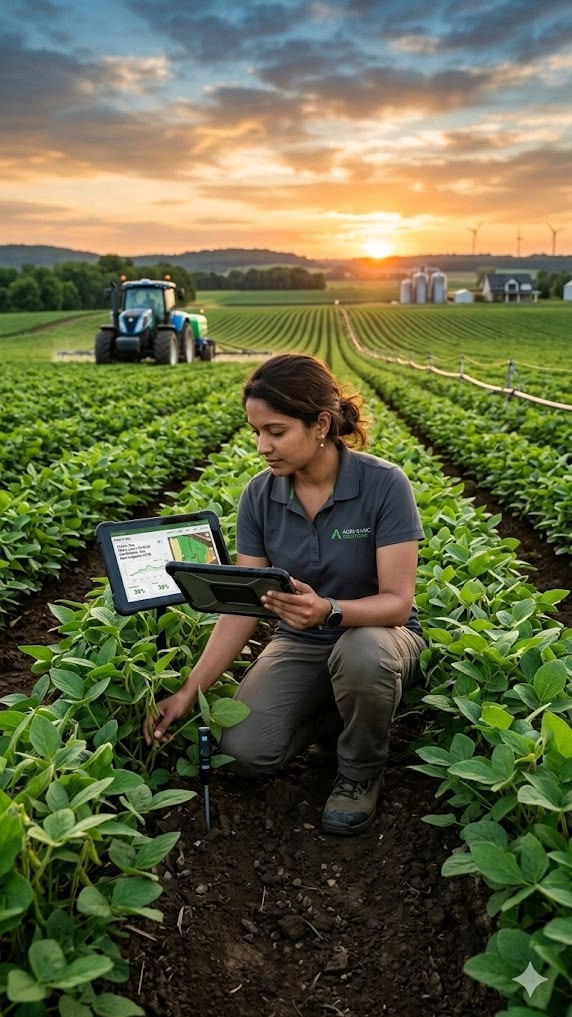
So no risk of under watering while the part of the field that needs more water gets that and at the same time no use of additional fertilizer.
During a bad day for plants if it starts snowing or the plants are attacked by frost the farmer will get the update and take suitable preventive action.
The ' Bigger Picture' In essence, crop monitoring serves to eliminate all possibility of failure in favor of increased success. It changes the mindset from reactive to proactive farming. By combining effective observation with smart technologies, it increases productivity, decreases environmental impact, and reduces costs associated with operations. With climate instability posing a real challenge today, understanding how your crops are responding each and every day will only increase overall crop production around the world and contribute to global food security.
Thanks for reading my post I'm inviting @mesola, @chant and @bela90 to participate.