SLC-S29/W3-“Thinking and Ideas!| Seeing Problems Differently!”
Hi guys, accept Steem greetings from the motherland of Cameroon, and welcome to my blog, where I share my thoughts on the challenge topic “Thinking and Ideas!| Seeing Problems Differently!”. I will invite @suboohi, @heraidi and @edgargonzalez to share their entries to the challenge.
| Identify one everyday problem in your community or country and explain some steps in solving it. |
|---|
One major everyday problem in Cameroon is the lack of access to potable (safe drinking) water for all, especially in rural and peri-urban areas.
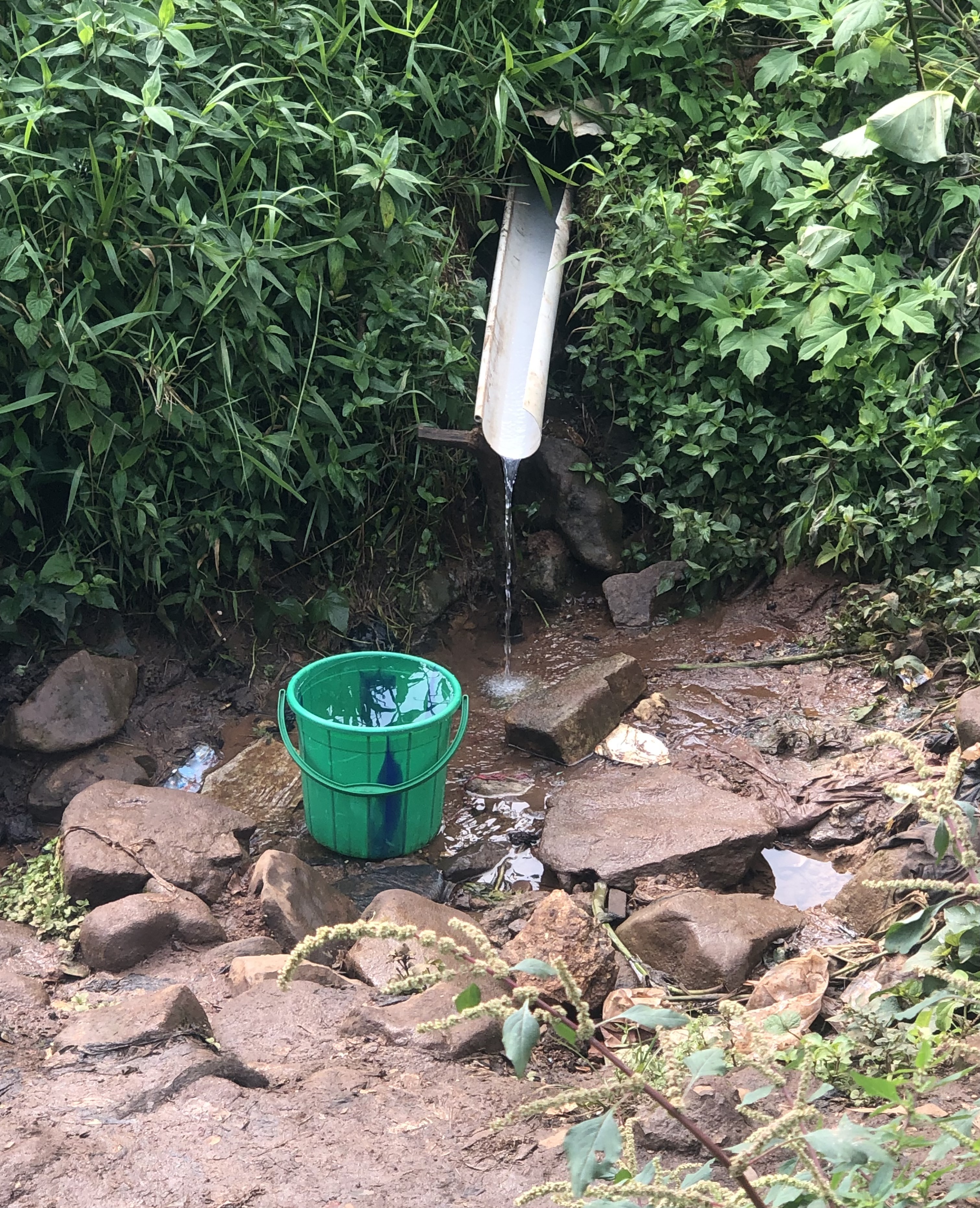
Many communities in Cameroon rely on unsafe water sources, such as streams, rivers, unprotected wells, and boreholes, which are either contaminated or poorly maintained. Rapid urbanisation, weak water infrastructure, climate change (droughts and irregular rainfall), and poor management of waste disposals has worsen the situation. As a result, waterborne diseases like cholera, typhoid, and diarrhoea remain common, particularly affecting children and vulnerable populations.
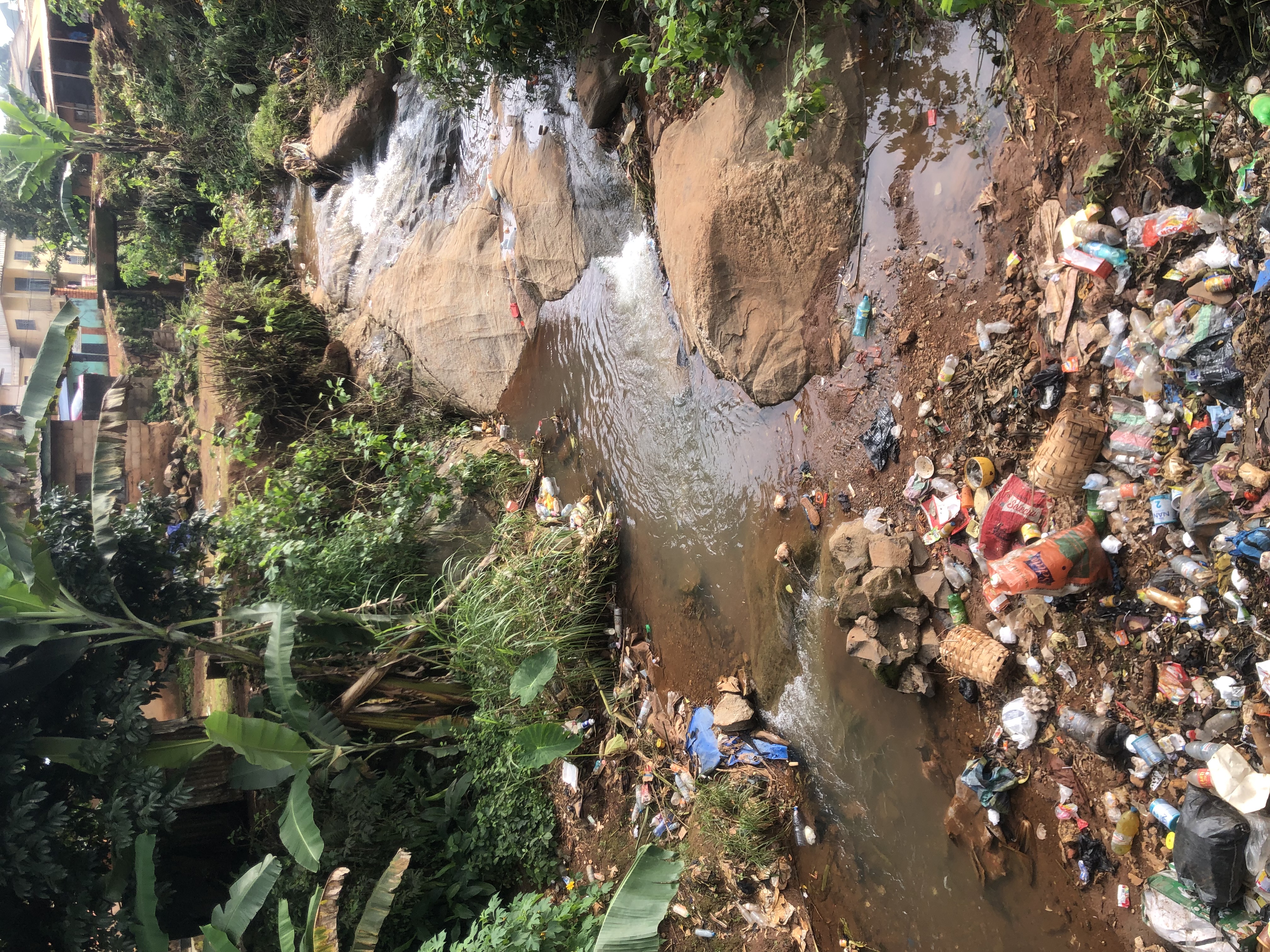
The following are some steps I am proposing as a solution to the problem.
- Construction of boreholes and wells: The government and Non-Governmental organisations should build and maintain boreholes and protected wells in communities.
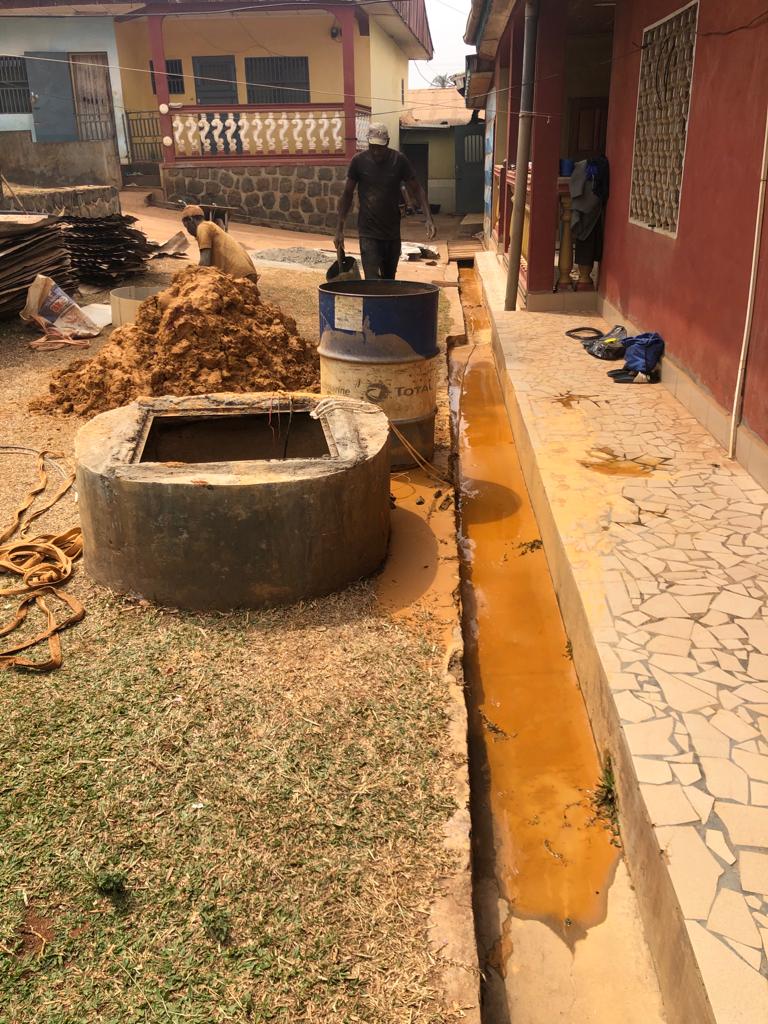
- Rehabilitation of water infrastructure: Repair broken pipes, taps, and water systems to ensure a consistent water supply. Most of the pipes the government used are long overdue and no repairs done.
- Water treatment and purification: the government should promote affordable methods such as, filtration, and chlorination at the household and community levels.
- Community management of water points: The government should train local water committees to manage and maintain water sources properly.
- Government investment and policy enforcement: Increase funding for water projects and ensure fair distribution of clean water across all regions.
| Why do you think this problem still exists despite many people noticing it? |
|---|
I think the problem of limited access to potable water still exists despite being widely noticed due to the following:
Insufficient funding and investment in water projects (pipes, treatment plans, boreholes) are expensive. Government budgets are often limited or redirected to other urgent needs, so water infrastructure is not fully developed or maintained.
Another major reason is poor management and maintenance. Even when boreholes or water systems are built, many break down and are not repaired due to weak management, lack of spare parts, or no trained technicians at the community level.
More so, rapid population growth and urbanisation within cities and towns are growing faster than water infrastructure can keep up, leading to shortages, overcrowded water points, and unequal access.
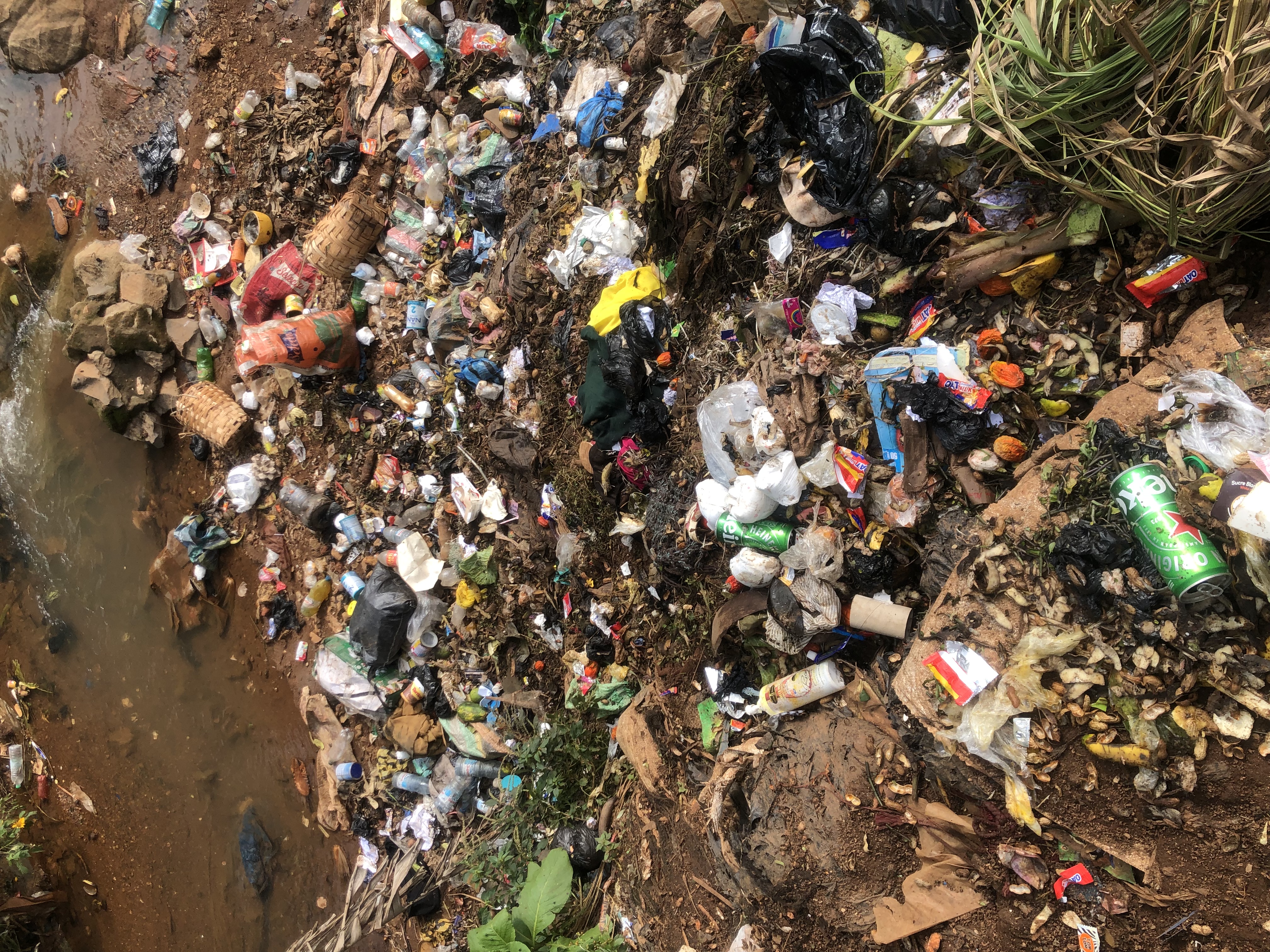
Bad governance and corruption challenges are another issue.
In some cases, funds meant for water projects are mismanaged, delayed, or not used effectively, reducing the impact of planned solutions.
Climate change and environmental factors are also a cause for concern. Droughts, irregular rainfall, and pollution of water sources make clean water harder to obtain and sustain.
In fact, People notice the problem, but solving it requires long-term planning, good governance, money, and maintenance.
| In your opinion, what is the most misunderstood part of this problem? |
|---|
In my opinion, the most misunderstood part of the lack of access to potable water is the belief that the problem is only about water scarcity.
Many people think, “There is water everywhere, … so why is clean water a problem?” But the real issue is not the absence of water it is the absence of safe, well-managed, and treated water.
In fact, the biggest misunderstanding is thinking “…we just need more water,” when what we really need is safe systems, good management, and long-term commitment.
| If you could change one mindset related to this issue, what would it be? |
|---|
If I could change one mindset related to access to potable water, it would be the belief that clean water is a “favour” or a luxury, instead of a basic human right and a shared responsibility to protect. This is because Communities wait only for the government or NGOs to act. Broken water points are often ignored for years.
When people believe something is their right and their responsibility, they protect it, maintain it, and push for better systems.
In sum, changing the mindset from “…someone will help us” to “…this is our right and our duty to protect…” could transform access to potable water.
Hola amiga
lamentablemente la escasez y falta de un buen tratamiento del agua dulce es un problema a nivel mundial,
explicas muy bien los responsables de esta situación que realmente somos todos, nuestros gobernantes por no realizar buenas gestiones y mantenimiento de los servicios públicos y de nosotros los consumidores al no cuidar y mantener las mismas,
en nuestro país también tenemos problemas con el servicio del agua y de electricidad son pésimos, necesitan con urgencia de nuevos equipos y mantenimiento,
me gustó el eslogan de cierre que el "Agua es un derecho y nuestro deber es cuidarla"
Exitos en el desafío,
que te encuentres muy bien!!
We support quality posts, good comments anywhere and any tags.
Your support is greatly appreciated.
Hi friend, thank you so much for your thoughtful comment.
You are absolutely right, this is a shared responsibility, and it’s something many countries are struggling with, especially when it comes to maintaining essential public services like water and electricity. I really appreciate you highlighting that connection and for your kind words about the slogan.
Best of luck to you as well, and I hope things improve soon where you are.
Congratulations @chant! Your post was upvoted by @supportive. Accounts that delegate enjoy 10x votes and 10–11% APR.
X link https://x.com/chantymuluh/status/2015935372207788310?s=46&t=_j_2cJ8giwgVdlNurSvBTg
Hi @chant, welcome to thinking and ideas week 3
This is a call of urgent attention seriously. I can't imagine how people survives without a health drinking water. But still do you think it's a water land? Like I mean the boreholes and wells that should be constructed, the depth could be much to be able to get a better water because digging shallow could still bring tasty water.
This is just the work of the government to help the people live better.
Thank you for your time reading through and giving feedback. You are absolutely right, access to safe drinking water is essential for survival, and it’s heartbreaking to imagine living without it.
You also raise an important point about boreholes and wells, proper planning and sufficient depth are crucial to ensure clean and safe water, since shallow sources are often contaminated.
Ultimately, this really does come down to government responsibility to invest in the right infrastructure and help people live healthier, better lives. I appreciate you sharing your thoughts.
We support quality posts, good comments anywhere and any tags.