TRON Ecosystem Analysis – Mid 2026: Stable Growth or the Next Expansion?
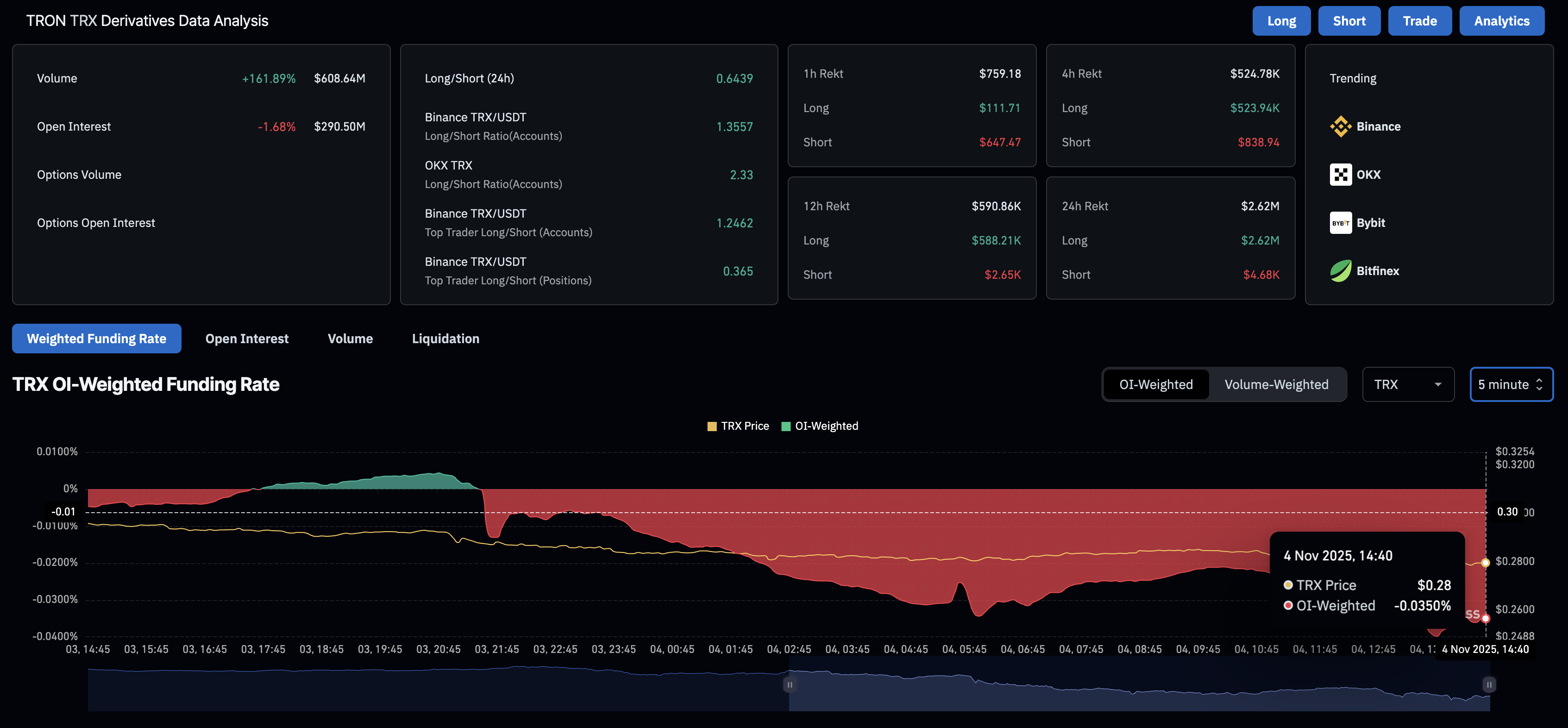
The TRON ecosystem continues to prove why it remains one of the most actively used blockchain networks. While many projects focus on hype, TRON has steadily built an infrastructure centered around fast transactions, low fees, and real-world usage.
Network Activity
TRON remains among the most utilized blockchains for stablecoin transfers, especially USDT. The combination of high throughput and minimal transaction costs continues to attract both retail users and businesses.
Strengths
Low transaction fees
Fast confirmations
Large stablecoin ecosystem
Active DeFi applications
Growing enterprise integrations
DeFi Outlook
The TRON DeFi ecosystem has matured considerably. Instead of chasing speculative trends, many protocols are focusing on sustainability, liquidity, and long-term user retention.
Key areas to watch include:
Lending protocols
Liquid staking
Cross-chain interoperability
Real-world asset tokenization
Risks
No blockchain ecosystem is without challenges.
Some factors investors should monitor include:
Regulatory developments
Competition from newer Layer-1 networks
Long-term decentralization
Developer adoption
Personal Opinion
From my perspective, TRON has entered a more mature phase. The explosive growth of previous years has transitioned into infrastructure building and practical adoption.
Rather than measuring success only by token price, I believe metrics such as daily active users, transaction volume, and ecosystem utility provide a much clearer picture of long-term value.
Final Thoughts
The crypto market moves in cycles, but networks that consistently deliver utility often outperform over the long run.
What do you think?
Is TRON currently undervalued?
Which TRON-based project do you use the most?
What do you expect for the ecosystem during the second half of 2026?
Thank you for reading. I look forward to hearing your thoughts in the comments.