The Ultimate Startup Guide to Real Estate Asset Tokenization
Real estate investment has changed considerably during the last decade. Traditional ownership structures, high entry costs, limited liquidity, and lengthy paperwork have encouraged businesses to search for alternative models. Among the emerging concepts in the digital finance sector, real estate asset tokenization has become one of the most discussed opportunities for startups, property firms, and investment groups.
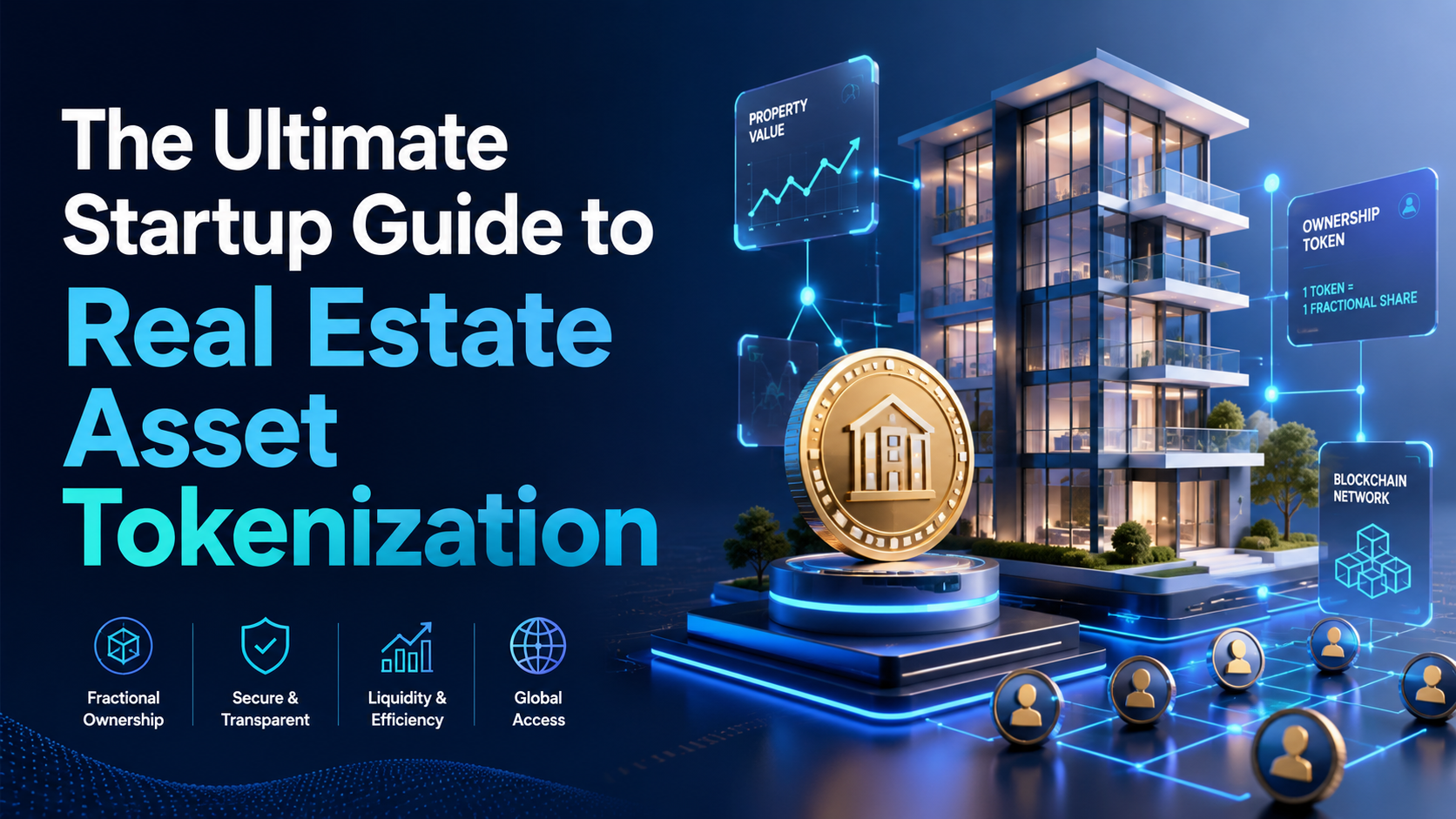
The process involves converting ownership rights of a property into digital tokens recorded on blockchain networks. These tokens can represent fractional ownership, revenue-sharing rights, or investment participation in residential, commercial, industrial, or hospitality properties. Instead of requiring investors to purchase an entire building or large property share, tokenized models divide assets into smaller digital units.
For startups, this creates several business opportunities. Entrepreneurs can launch investment marketplaces, fractional ownership platforms, property-backed token ecosystems, or tokenized REIT alternatives. Investors also benefit from lower capital requirements and easier participation in property markets across regions.
As interest in digital assets continues to increase, many startups are entering the sector with support from a Real Estate Tokenization company that handles technical architecture, blockchain integration, legal structuring, and compliance planning. Companies entering the market today are focusing on security, investor accessibility, and cross-border participation.
This guide explains the fundamentals of Real Estate Tokenization, startup planning strategies, technical methods, legal considerations, monetization options, and long-term business possibilities.
Understanding Real Estate Asset Tokenization
Real estate asset tokenization refers to the process of converting physical property ownership into blockchain-based digital tokens. These tokens may represent complete ownership, partial ownership, profit rights, rental income participation, or voting rights connected to a property.
A tokenized property can include:
- Residential apartments
- Commercial office spaces
- Shopping complexes
- Warehouses
- Hotels and resorts
- Industrial facilities
- Student housing
- Vacation rentals
In a tokenized model, blockchain technology records ownership transactions and investor participation. Smart contracts automate several administrative tasks connected to transactions, transfers, and revenue distribution.
For startups, the concept introduces multiple business models. Some businesses focus on property marketplaces, while others concentrate on investor management systems or white-label tokenization software.
Many firms offering Real Estate Tokenization Development Services support startups with:
- Blockchain architecture
- Smart contract creation
- Investor onboarding systems
- KYC and AML integration
- Security token issuance
- Wallet integration
- Property listing management
- Compliance documentation
Why Startups Are Entering the Tokenized Real Estate Market
The global real estate sector is one of the largest investment industries in the world. However, traditional investment models often involve high barriers.
Tokenization changes this structure by introducing fractional ownership. Startups see this as a practical opportunity because it allows smaller investors to participate in premium property investments.
Some major reasons startups are entering this market include:
Lower Investment Entry
Investors no longer need massive capital to participate in property ownership. Digital tokens reduce the minimum investment amount.
Increased Liquidity Possibilities
Traditional real estate transactions can take weeks or months. Tokenized systems may support secondary marketplaces where ownership units can be traded more efficiently.
Cross-Border Participation
Blockchain-based systems allow international investors to access properties located in different regions without complex banking procedures.
Automated Administration
Smart contracts reduce dependence on manual paperwork and repetitive processing tasks.
Startup Revenue Opportunities
Businesses can earn income through:
- Platform fees
- Token issuance charges
- Property listing fees
- Transaction commissions
- Investor subscriptions
- Asset management services
Because of these opportunities, demand for real estate tokenization development continues to rise among startups and fintech businesses.
Business Models for Real Estate Tokenization Startups
A startup entering the real estate asset tokenization market must select a business model carefully. The structure of the platform affects compliance, operational requirements, and revenue planning.
Fractional Ownership Platforms
This model divides property ownership into smaller digital shares. Investors purchase tokens representing portions of a property.
Tokenized Real Estate Investment Marketplace
These platforms allow multiple property listings where investors can browse and invest.
White-Label Tokenization Platforms
Some startups focus on offering tokenization infrastructure to real estate agencies and developers.
Property Rental Income Platforms
Investors receive income generated from rent distributions linked to token ownership.
Institutional Asset Tokenization
Large commercial properties are tokenized for institutional investors and private investment groups.
Step-by-Step Startup Planning Process
Step 1: Identify Your Target Market
Every startup needs a specific audience before beginning development.
Possible target groups include:
- Retail investors
- Institutional investors
- Property developers
- Real estate agencies
- Commercial property owners
- High-net-worth individuals
A startup targeting luxury commercial properties will require a different strategy compared to a platform focused on affordable residential investments.
Step 2: Choose the Blockchain Infrastructure
The blockchain network determines transaction speed, security, gas fees, and compatibility.
Common blockchain options include:
- Ethereum
- Polygon
- Solana
- Avalanche
- Binance Smart Chain
A Real Estate Tokenization Development company usually evaluates factors such as transaction volume, investor activity, and smart contract requirements before selecting a blockchain framework.
Step 3: Legal Structuring and Compliance
Legal planning is one of the most important stages in Real Estate Tokenization Platform Development.
Since tokenized assets often fall under securities regulations, startups must follow regional financial laws.
Areas requiring legal review include:
- Investor accreditation
- Securities regulations
- Property ownership laws
- Tax obligations
- KYC requirements
- AML procedures
- Data privacy standards
Startups commonly work with legal consultants and compliance specialists before launching public investment campaigns.
Step 4: Property Evaluation and Asset Selection
A successful tokenization platform depends heavily on property quality.
Important evaluation factors include:
- Market demand
- Rental income history
- Property valuation
- Ownership documentation
- Maintenance expenses
- Geographic location
- Occupancy rate
Poor asset selection can damage investor confidence and reduce long-term platform activity.
Step 5: Smart Contract Development
Smart contracts automate investment and ownership processes.
These contracts may handle:
- Token issuance
- Ownership transfers
- Dividend distribution
- Investor verification
- Revenue allocation
- Voting rights
Professional real estate tokenization development teams usually perform multiple security audits before deployment.
Technology Components Required for a Tokenization Platform
A startup entering the sector must understand the technical structure behind tokenization systems.
Investor Dashboard
The investor panel usually includes:
- Portfolio management
- Investment history
- Property performance
- Revenue tracking
- Wallet access
Admin Control Panel
Administrators need systems for:
- Property management
- Investor approvals
- Compliance tracking
- Payment monitoring
- Transaction reporting
Wallet Integration
Platforms commonly integrate digital wallets for token storage and transactions.
Smart Contract Layer
The blockchain contract layer handles ownership records and transaction automation.
Payment Gateway Integration
Platforms may support:
- Bank transfers
- Stablecoins
- Cryptocurrency payments
- Credit card processing
Methods Used in Real Estate Asset Tokenization
Different operational methods are used depending on business goals and regulatory structure.
Equity-Based Tokenization
Investors receive equity ownership rights connected to the property.
Features
- Fractional ownership
- Voting rights
- Revenue sharing
- Long-term investment participation
Debt-Based Tokenization
Tokens represent debt instruments connected to property financing.
Features
- Fixed income structures
- Interest payments
- Loan-backed investment systems
Revenue-Sharing Models
Investors receive income generated from rental or operational profits.
Features
- Periodic income distribution
- Hospitality property participation
- Commercial rental exposure
Hybrid Tokenization Structures
Some startups combine equity and revenue-sharing mechanisms.
Features
- Mixed investment models
- Flexible investor participation
- Multiple revenue streams
Challenges Startups Must Prepare For
While opportunities are significant, startups entering this sector also face operational and regulatory difficulties.
Regulatory Uncertainty
Laws surrounding tokenized securities differ between countries.
Investor Education
Many investors still lack knowledge about blockchain-based real estate systems.
Cybersecurity Risks
Smart contract vulnerabilities and wallet attacks remain major concerns.
Liquidity Limitations
Secondary trading markets for tokenized assets are still developing in many regions.
Property Verification
Fraud prevention and document verification require extensive due diligence.
A reliable Real Estate Tokenization company typically helps businesses reduce these risks through technical audits and legal frameworks.
Revenue Strategies for Tokenization Startups
A startup requires multiple income channels to maintain operations and expansion.
Listing Fees
Property owners pay fees to list tokenized properties on the platform.
Transaction Charges
Platforms may charge fees for buying or selling property tokens.
Subscription Plans
Premium investor tools can be offered through subscription models.
Asset Management Fees
Companies managing properties can collect annual service fees.
Secondary Market Commissions
Revenue can also come from peer-to-peer token trading activity.
Marketing Approaches for Tokenization Platforms
Launching the platform is only one part of the business process. Investor acquisition also requires consistent marketing efforts.
Content Marketing
Educational blogs and reports help explain tokenization benefits.
Community Building
Investor communities on social media and discussion platforms support long-term engagement.
Webinars and Online Events
Live sessions help simplify technical and legal concepts for new investors.
Real Estate Partnerships
Collaborations with property developers increase property availability and market reach.
Influencer and Industry Outreach
Blockchain analysts and fintech creators often introduce investment platforms to broader audiences.
Security Measures Startups Should Prioritize
Security plays a major role in investor confidence.
Important security practices include:
- Multi-signature wallets
- Smart contract audits
- Two-factor authentication
- Encrypted investor data
- Cold wallet storage
- Anti-phishing systems
- DDoS protection
Security failures can significantly affect investor trust and platform reputation.
Importance of Compliance in Real Estate Tokenization
Compliance is often more important than technology in regulated financial sectors.
A startup must maintain proper documentation and reporting systems.
Important Compliance Areas
- KYC verification
- AML screening
- Securities compliance
- Investor eligibility checks
- Tax reporting
- Data protection standards
Many businesses work with a Real Estate Tokenization Development company to handle legal integrations and reporting structures during platform deployment.
Global Markets Showing Interest in Tokenized Real Estate
Several regions are witnessing growing interest in tokenized property investment.
United States
Commercial real estate tokenization projects are increasing among private investment firms.
United Arab Emirates
Dubai continues introducing blockchain-focused property initiatives.
Singapore
Fintech-friendly regulations support digital investment experimentation.
Europe
Several European firms are testing tokenized real estate marketplaces.
India
Interest in blockchain-based property investment is gradually increasing among startups and fintech companies.
As international investment participation grows, real estate asset tokenization may become more common in commercial and cross-border investment sectors.
Long-Term Possibilities for Startups
The tokenized property market is still developing. However, several long-term possibilities continue attracting entrepreneurs.
Future developments may include:
- Tokenized mortgage systems
- AI-based property investment analysis
- Cross-chain property exchanges
- Global investor marketplaces
- Metaverse-linked real estate ownership
- Automated rental distribution systems
Startups entering the market early may gain operational experience before broader institutional participation increases.
Choosing the Right Development Partner
Selecting the right technology partner affects platform security, compliance readiness, and long-term operations.
When evaluating a Real Estate Tokenization Development company, startups should review:
- Blockchain experience
- Security audit history
- Smart contract expertise
- Compliance understanding
- UI and dashboard quality
- Technical support availability
- Previous tokenization projects
A reliable development team can reduce operational mistakes during the early launch stages.
Mistakes Startups Should Avoid
Many startups rush into tokenization without sufficient preparation.
Common mistakes include:
Ignoring Compliance
Legal failures can stop operations completely.
Weak Security Practices
Poor smart contract testing increases financial risks.
Low-Quality Asset Listings
Investor confidence depends heavily on property quality.
Overcomplicated User Experience
Platforms should remain easy for non-technical investors.
Unrealistic Revenue Expectations
Building investor trust and market activity takes time.
Careful planning often determines whether a tokenization platform survives long term.
The Future of Real Estate Asset Tokenization
The property investment sector continues to shift toward digital ownership systems. Institutional firms, fintech startups, and blockchain companies are investing considerable resources into tokenized asset infrastructure. Although the market is still developing, the increasing interest from regulators, developers, and investment groups suggests that tokenized real estate may become more widely accepted in the coming years.
Real Estate Tokenization Services are also expanding beyond luxury commercial properties. Residential investments, co-working spaces, industrial assets, hospitality projects, and rental housing are entering tokenization discussions across different countries.
As regulations become more structured and investor awareness improves, startups working in real estate tokenization development may find larger opportunities in secondary marketplaces, cross-border investment systems, and digital asset exchanges.
Conclusion
Real estate asset tokenization is introducing a different investment structure for startups, investors, and property businesses seeking digital ownership models. From fractional ownership systems and smart contracts to investor marketplaces and blockchain-based transactions, startups entering this market must balance compliance, security, asset quality, and user experience carefully. Companies planning to launch tokenized property platforms should focus on legal preparation, reliable technology infrastructure, and investor trust before entering the market. Businesses looking for professional Real Estate Tokenization Development Services can work with Blockchain App Factory, which provides Real Estate Tokenization Services for startups, enterprises, and property investment platforms seeking blockchain-based real estate solutions.