The Global Water Crisis and Possible Solutions
Every drop counts, yet billions of people today struggle to count on clean water. According to the United Nations, more than 2 billion people live in water‑scarce regions, and by 2030 the world could face a 40 percent shortfall in freshwater supplies.
Climate change, population growth, and mismanagement are converging into a crisis that threatens health, food security, and economic stability worldwide.
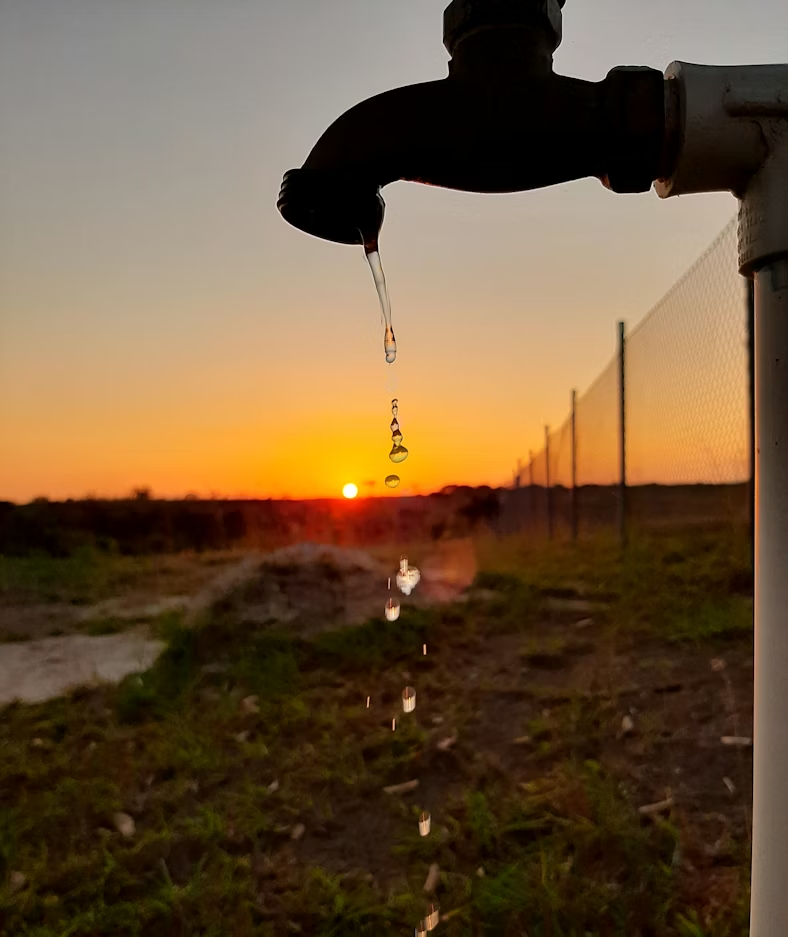
At the heart of the problem lies an uneven distribution of a resource that is technically abundant. Rising temperatures intensify evaporation, reducing river flows and shrinking glaciers that feed major basins.
Urbanization spikes demand, while aging infrastructure leaks up to 30 percent of treated water before it reaches taps. Agricultural practices dominate consumption, accounting for roughly 70 percent of global withdrawals, often using inefficient flood irrigation that wastes precious volumes.
The consequences are stark. Water‑borne diseases claim more than 3 million lives each year, primarily among children. Food production falters when crops fail, driving up prices and fueling conflict over dwindling supplies. Ecosystems collapse as wetlands dry, reducing biodiversity and the natural filtration that cleans water naturally.
A portfolio of solutions offers a pathway out of the looming shortage. First, investment in smart infrastructure—leak‑detection sensors, pressure‑management systems, and decentralized treatment plants—can recover lost water and extend supply.
Second, agricultural reform through drip irrigation, rain‑water harvesting, and climate‑smart crops can slash usage by up to 50 percent. Third, policy reforms that price water appropriately encourage conservation while subsidizing low‑income households.
Fourth, nature‑based solutions such as restoring wetlands and reforesting watersheds improve recharge and provide buffers against extremes.
Finally, public‑education campaigns empower individuals to adopt simple habits like fixing taps, using greywater, and reducing bottled‑water consumption.
The global water crisis is not inevitable; it is a challenge we can meet with technology, policy, and collective will. The time to act is now for our planet.