BMW X1 Generations: What Changed Over Time
The BMW X1 is a subcompact luxury crossover manufactured by BMW. Introduced in 2009, the X1 became the smallest Sports Activity Vehicle (SAV) in BMW’s lineup and was designed to appeal to a wider range of customers due to its compact size, lower price tag, and improved fuel efficiency. In many markets, the X1 was sold as an entry-level luxury SUV, helping BMW attract younger buyers and first-time customers to the brand.
2009 – 2014: First-Generation BMW X1 (E84)
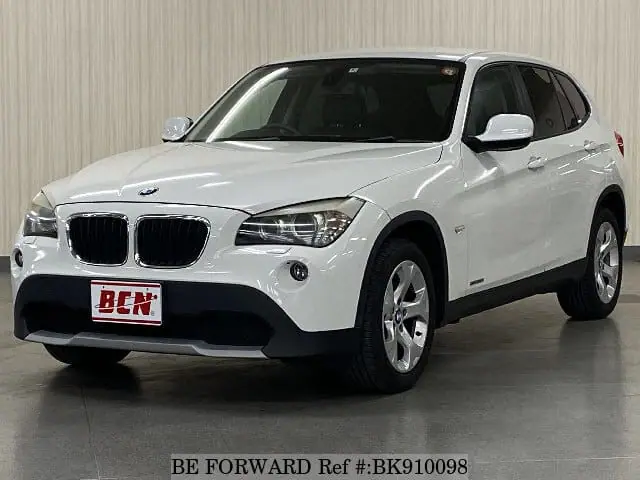
The first-generation BMW X1 (E84) was unveiled in 2008 for the 2009 model year. Built on a platform similar to the BMW E90 3 Series, the X1 delivered sporty handling and a driving experience that felt more like a sedan than a traditional SUV. Buyers could choose between rear-wheel drive (sDrive) or all-wheel drive (xDrive) variants.
The exterior design closely resembled BMW’s larger SUVs, giving the compact crossover a premium and athletic appearance. The front featured BMW’s signature kidney grille flanked by round Xenon headlights with LED corona ring daytime running lights. Smooth curves and muscular body lines gave the X1 a sporty character, while the rear included split taillights, a roof spoiler with an integrated brake light, and a rugged underguard that enhanced its off-road-inspired styling.
Inside, the X1 offered a spacious and high-quality cabin with premium materials and comfortable seating. Both front and rear passengers enjoyed adequate headroom and legroom, although taller rear passengers could find space slightly limited. The luggage compartment offered 420 liters of cargo space, which could expand to 1,350 liters with the 40:20:40 split-folding rear seats.
Standard equipment included regenerative braking, parking sensors, dual-zone climate control, and 17-inch alloy wheels. The X1 was available with a wide range of petrol and diesel engines. Petrol models included a turbocharged 2.0-liter four-cylinder producing 240 horsepower in the sDrive28i and xDrive28i, while the xDrive35i used a turbocharged 3.0-liter six-cylinder engine delivering 300 horsepower. Diesel variants included turbocharged and twin-turbocharged 2.0-liter four-cylinder engines with outputs ranging from 180 to 215 horsepower. Depending on the model, transmissions included a six-speed manual, six-speed automatic, or eight-speed automatic gearbox.
2015 – Present: Second-Generation BMW X1 (F48)
BMW introduced the second-generation X1 (F48) in 2015 for the 2016 model year. This generation marked a significant change, as the X1 moved to a new front-wheel-drive-based platform. Front-wheel drive became standard, while BMW’s xDrive all-wheel-drive system remained available as an option. This platform change improved cabin space, practicality, and fuel efficiency.
The exterior styling became more modern and aligned with the rest of BMW’s X-series lineup. Redesigned headlights, a larger grille, and a trapezoidal lower air intake gave the SUV a sharper and more aggressive appearance. The body also became taller and wider, resulting in improved interior room and comfort. At the rear, the X1 received LED taillights, a shark-fin antenna, and a redesigned roof spoiler.
The cabin of the F48 was more user-friendly and practical than before. BMW focused on functionality and comfort, with improved build quality and a cleaner dashboard layout. Passenger headroom, shoulder room, and legroom improved significantly, allowing three adults to sit comfortably in the rear seats. Cargo capacity also increased to 505 liters and expanded to 1,550 liters with the rear seats folded.
The X1 F48 was initially available in SE, Sport, and X Line trims, while the M Sport trim was added later. Standard features included dual-zone climate control, rear parking sensors, an electric tailgate, automatic headlights and wipers, and BMW’s iDrive infotainment system with a 6.5-inch display. Higher trims added leather upholstery, sports seats, LED ambient lighting, heated seats, larger alloy wheels, and sports suspension.
2019 Facelift and Hybrid Model
In 2019, the X1 F48 received a mid-life facelift with updated styling, improved technology, and revised engines. The front end gained larger kidney grilles, redesigned LED headlights, and a revised bumper design. At the rear, the taillights were updated with cleaner graphics and clear indicator lenses.
Inside, BMW upgraded the infotainment system by making the 8.8-inch touchscreen standard and introducing an optional 10.25-inch display with voice control, touchscreen capability, and the iDrive controller.
BMW also introduced new turbocharged three-cylinder and four-cylinder petrol and diesel engines. In the same year, the X1 xDrive25e plug-in hybrid (PHEV) debuted, combining a 1.5-liter turbocharged petrol engine with an electric motor producing a combined 220 horsepower.
Looking for parts? Explore options for this model here
2022 Model Year
The 2022 BMW X1 carried over with no major changes following the earlier facelift updates. It continued to offer a spacious cabin, practical cargo space, user-friendly technology, efficient engines, and sporty handling. Overall, the BMW X1 remained one of the most versatile and well-rounded compact luxury SUVs in its class. Browse the BMW X1 lineup and secure yours now