Artificial Intelligence (AI) and Machine Learning
Artificial Intelligence (AI) and Machine Learning are transforming how we live, work, and solve complex global challenges. AI refers to the broader concept of machines mimicking human intelligence to perform smart tasks.
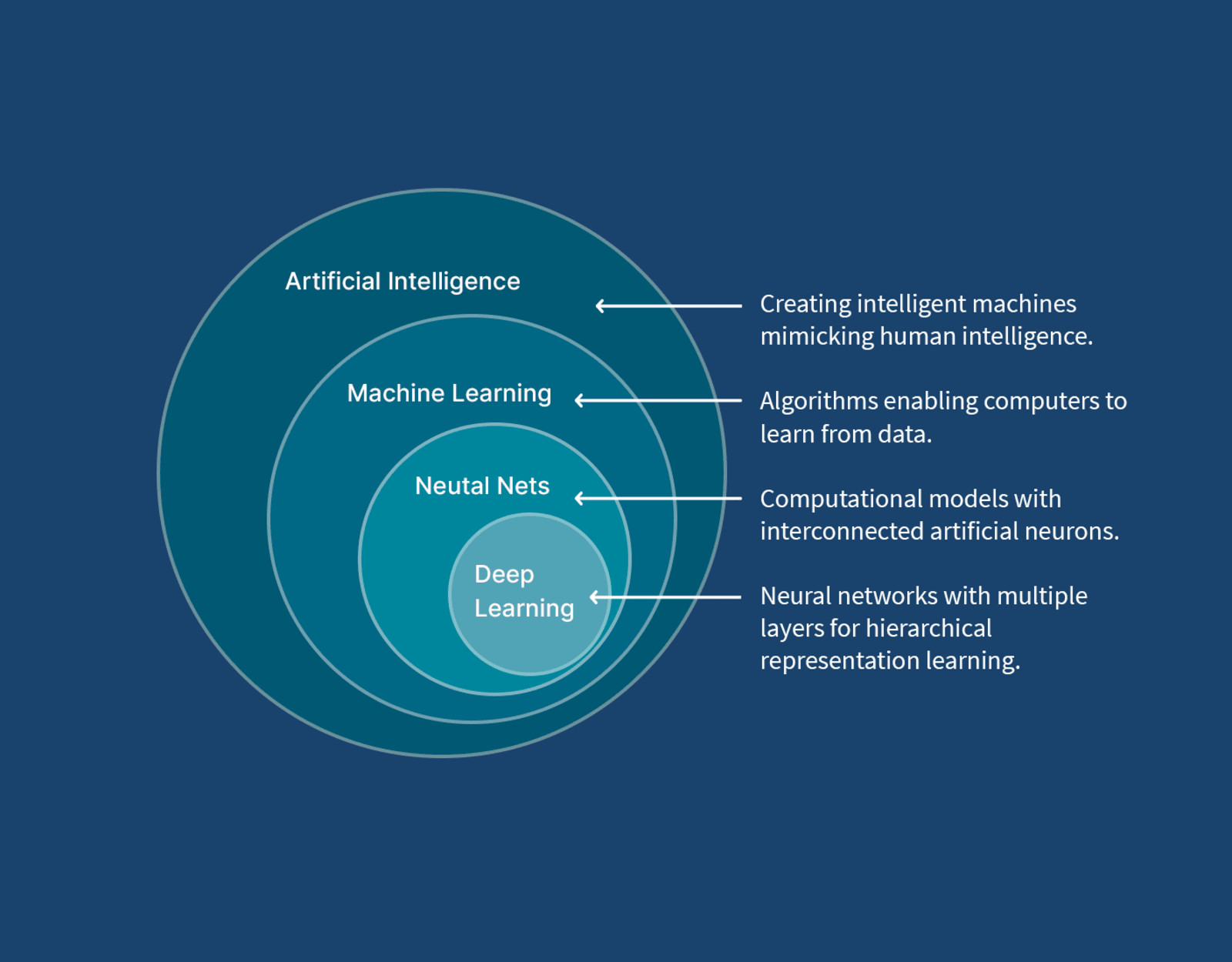
Machine Learning is a specific subset of AI where computers analyze massive amounts of data to learn and make decisions independently without explicit human programming.These twin technologies drive incredible everyday innovations:Generative tools create realistic text, high-quality images, and computer code instantly.
Smart assistants answer your vocal commands, schedule meetings, and automate daily tasks.Recommendation engines suggest personalized music tracks, movies, and online products based on your past habits.Predictive analytics forecast financial market trends, optimize corporate supply chains, and diagnose diseases early.AI and Machine Learning are no longer futuristic concepts.
They are active, powerful engines reshaping modern industries, boosting corporate productivity, and driving the global digital economy forward.
Cybersecurity and data privacy are critical for protecting our digital identities in an interconnected world. Cybersecurity focuses on defending computers, networks, and software from unauthorized access and malicious cyberattacks. Data privacy ensures that your personal information is collected, stored, and shared legally and with your explicit consent.Maintaining strong digital security involves key everyday practices:
Strong passwords combine letters, numbers, and symbols to stop unauthorized account access.Two-factor authentication adds an extra layer of verification to secure sensitive accounts.Encrypted networks protect your personal information while you browse online.Regular updates patch software flaws to prevent hackers from exploiting system vulnerabilities.
As cyber threats grow more sophisticated, protecting your data is no longer optional. Implementing proactive security habits keeps your private life secure and shields you from digital fraud.
The evolution of 5G and future 6G networks represents a massive leap from connecting devices to creating an interconnected ecosystem of intelligent machines. While 5G networks continue to expand globally to offer enhanced mobile broadband and ultra-low latency, the tech industry is already standardizing the upcoming 6G era through 3GPP Release 19.The transition from current mobile capabilities to the next generation introduces groundbreaking architectural changes:5G Advanced Framework: Serves as a technical bridge, optimizing network capacity with massive MIMO and millimeter-wave frequencies.
Massive Speed Upgrades: 6G aims to deliver peak data rates up to 1 Terabit per second (Tb/s), which is 100 times faster than 5G.Near-Zero Latency: Delivers data delays under 100 microseconds, opening doors for seamless remote surgeries and tactile internet.AI-Native Architecture: Deeply integrates artificial intelligence directly into base stations and core nodes for autonomous self-healing networks.
Space-Air-Ground Integration: Combines ground towers with non-terrestrial satellite networks to provide absolute global coverage.
Internet of Things (IoT) and Smart Homes are reshaping how we interact with our living spaces by turning regular houses into highly efficient, automated ecosystems. IoT refers to a vast network of physical devices embedded with sensors, software, and connectivity that allows them to collect and exchange data.
When these devices are integrated into a residential setting, they create a smart home.This technology automates daily tasks to make life more convenient, secure, and energy-efficient:Smart thermostats learn your daily schedule and adjust temperatures automatically to save electricity.Connected security systems stream live video directly to your phone and alert you instantly of unusual motion.
Smart lighting networks change color, dim automatically, or turn off when you leave a room.Voice-activated assistants serve as central control hubs to manage appliances using simple vocal commands.
Virtualization is software—specifically a hypervisor—that splits one physical server into multiple isolated Virtual Machines (VMs). It maximizes your hardware, but scaling it requires manual setup.

Cloud computing is the service built on top of that engine. It takes those virtualized resources and delivers them over the internet on demand. Instead of manually configuring hardware, you use a self-service dashboard to scale instantly, paying only for what you use.
In short:
Virtualization is the core technology that manipulates hardware, while cloud computing is the scalable, pay-as-you-go delivery model it makes possible. You need the engine to drive the car.
Blockchain is a decentralized, distributed ledger technology. It functions as a secure, shared database that records information across a network of computers. Once data is verified, it becomes permanent and unchangeable.
Cryptocurrency is a digital asset that uses this database as its underlying infrastructure. It relies on cryptographic encryption to secure financial transactions and verify the transfer of tokens without a central bank.
In short: Blockchain is the foundational technology that enables trustless data storage, while cryptocurrency is simply one popular use case—digital money—that utilizes that security to hold and transfer value.
Think of Virtual Reality (VR) as taking you somewhere else, and Augmented Reality (AR) as bringing something else to you.
VR uses fully enclosed headsets to shut out the physical world entirely, replacing it with a 100% synthetic, 3D digital environment. It is designed for deep immersion, making it ideal for gaming, simulations, and virtual tourism.
AR, conversely, keeps you anchored in your actual surroundings. It uses transparent smart glasses or mobile screens to overlay digital graphics, text, or interactive objects onto your live view of the physical world. It is highly practical for daily navigation, step-by-step industrial repair, and retail previews.
In short: VR isolates you in a simulated world, while AR enhances the real one.
Green technology focuses on the specific hardware and technical solutions designed to mitigate environmental damage. This includes the physical infrastructure we build, like high-efficiency solar panels, electric vehicle batteries, and advanced wastewater filtration systems.
Sustainable innovation is the broader strategic framework. It rethinks entire business models and product lifecycles to ensure human progress doesn't deplete the planet. Instead of just creating eco-friendly products, it focuses on circular economies—like designing electronics built to be easily repaired, upgraded, and recycled rather than thrown away.