Bidirectional DC Power Supply: The Future of Energy Testing and Simulation
As the global push toward electrification accelerates—driven by electric vehicles (EVs), renewable energy systems, and advanced battery technologies—the demands placed on testing equipment are evolving rapidly. Traditional DC power supplies, while reliable for basic applications, are increasingly falling short in addressing the complexity of modern energy systems. Enter the bidirectional DC power supply: a transformative solution that is redefining how engineers test, simulate, and optimize energy systems.
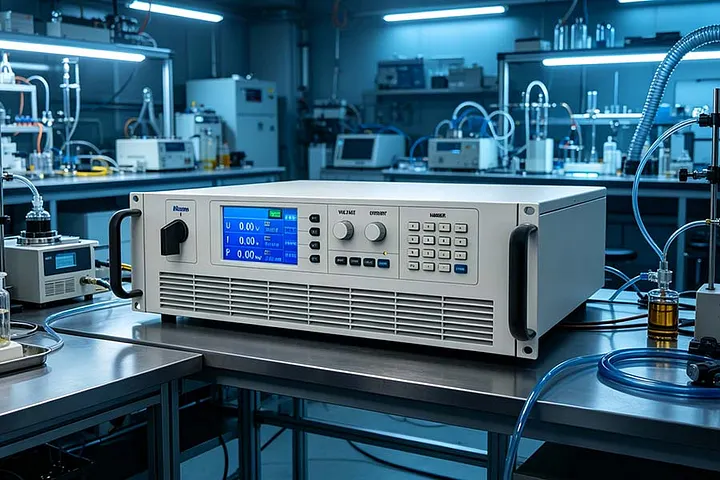
Unlike conventional power supplies that only deliver power to a device, bidirectional systems can both source and sink energy. This dual capability unlocks new possibilities in energy testing, enabling more realistic simulations, higher efficiency, and significant cost savings. In this article, we’ll explore what bidirectional DC power supplies are, how they work, and why they are poised to become the future of energy testing and simulation.
What Is a Bidirectional DC Power Supply?
A bidirectional DC power supply is an advanced power electronic device capable of operating in two directions:
- Source Mode: Supplies power to a device under test (DUT), like a traditional DC power supply
- Sink Mode: Absorbs power from the DUT and feeds it back to the grid or dissipates it efficiently
This means the same unit can function as both a power source and an electronic load, eliminating the need for separate equipment. For example, when testing a battery:
- In charging mode, the power supply delivers energy to the battery
- In discharging mode, it absorbs energy from the battery and returns it to the system
This seamless transition between modes is what makes bidirectional power supplies so powerful and versatile.
How Bidirectional Power Supplies Work
At the heart of a bidirectional DC power supply is a regenerative power conversion system. Instead of wasting excess energy as heat (as traditional loads do), these systems convert and feed energy back into the electrical grid or reuse it within the system. Key components include:
- Power conversion circuits capable of reversing current flow
- Digital control systems for precise regulation of voltage and current
- Feedback mechanisms to maintain stability during transitions
When the device under test generates power—such as a motor during braking or a battery during discharge—the bidirectional supply captures that energy and redirects it efficiently.This regenerative capability is not only environmentally friendly but also significantly reduces operational costs.
Key Advantages of Bidirectional DC Power Supplies
1. Energy Efficiency and Cost Savings
Traditional testing setups often involve a power supply and a separate electronic load. When the load absorbs energy, it typically dissipates it as heat, leading to energy waste and increased cooling requirements. Bidirectional power supplies eliminate this inefficiency by recycling energy. Instead of wasting power:
- Energy is fed back into the grid
- Less heat is generated
- Cooling costs are reduced
Over time, especially in high-power applications, this can result in substantial cost savings.
2. Compact and Integrated Design
By combining the functions of a power supply and an electronic load into a single unit, bidirectional systems reduce:
- Equipment footprint
- Wiring complexity
- Setup time
This is particularly beneficial in laboratories where space is limited or in production environments where efficiency is critical.
3. Seamless Mode Switching
Modern energy systems are dynamic. Batteries charge and discharge, motors accelerate and decelerate, and renewable sources fluctuate based on environmental conditions.Bidirectional DC power supplies are designed to switch seamlessly between source and sink modes, enabling real-time simulation of these dynamic behaviors. This capability is essential for testing systems under realistic operating conditions.
4. Enhanced Testing Accuracy
Because bidirectional systems can simulate both energy consumption and generation, they provide a more complete picture of a device’s performance. Engineers can:
- Replicate real-world scenarios more accurately
- Test both charging and discharging cycles
- Analyze system efficiency under varying conditions
This leads to better product design and more reliable performance in the field.
5. Reduced Heat and Improved Safety
Heat management is a major concern in high-power testing environments. Traditional loads generate significant heat, requiring robust cooling systems and increasing the risk of thermal issues. Bidirectional supplies minimize heat generation by recycling energy, resulting in:
- Lower operating temperatures
- Reduced cooling requirements
- Improved safety and reliability
Applications of Bidirectional DC Power Supplies
The versatility of bidirectional DC power supplies makes them indispensable across a wide range of industries.
Electric Vehicle (EV) Testing
In EV development, engineers must test batteries, inverters, and powertrains under various conditions. Bidirectional power supplies enable:
- Battery charge/discharge cycling
- Simulation of regenerative braking
- Testing of onboard chargers and DC-DC converters
This allows for comprehensive validation of EV systems before deployment.
Battery Testing and Energy Storage
Battery technology is at the core of modern energy systems. Bidirectional supplies are ideal for:
- Lifecycle testing
- Performance characterization
- Efficiency analysis
They can simulate real-world usage patterns, helping engineers optimize battery design and management systems.
Renewable Energy Systems
Solar panels, wind turbines, and energy storage systems require dynamic testing environments. Bidirectional power supplies can:
- Emulate grid conditions
- Test inverter performance
- Simulate energy flow between sources and storage
This is crucial for ensuring the stability and efficiency of renewable energy systems.
Aerospace and Defense
In aerospace applications, reliability is paramount. Bidirectional systems are used to test:
- Power distribution systems
- Avionics
- Backup energy systems
Their precision and efficiency make them well-suited for mission-critical applications.
Industrial Automation and Motor Testing
Motors and drives often generate energy during deceleration. Bidirectional supplies can capture and reuse this energy, enabling:
- Efficient motor testing
- Simulation of real operating conditions
- Reduced energy consumption in test setups
Bidirectional vs Traditional Testing Systems
To understand the impact of bidirectional power supplies, it’s helpful to compare them with traditional setups:
| Feature | Traditional System | Bidirectional System |
| Energy Flow | One-way | Two-way |
| Equipment Needed | Power supply + load | Single unit |
| Energy Efficiency | Low (energy wasted) | High (energy recycled) |
| Heat Generation | High | Low |
| Simulation Capability | Limited | Advanced |
This comparison highlights why bidirectional systems are quickly becoming the preferred choice in modern labs.
Challenges and Considerations
While bidirectional DC power supplies offer numerous advantages, there are some considerations to keep in mind:
Initial Cost
Bidirectional systems typically have a higher upfront cost compared to traditional power supplies. However, this is often offset by long-term energy savings and reduced equipment needs.
Complexity
These systems are more advanced and may require:
- Training for proper operation
- Integration with existing test setups
- Understanding of regenerative energy handling
Grid Compatibility
In regenerative mode, energy is fed back into the grid. This requires:
- Compliance with local regulations
- Proper infrastructure to handle returned energy
Despite these challenges, the benefits far outweigh the drawbacks for most modern applications.
The Future of Energy Testing
As industries continue to evolve, the need for efficient, flexible, and intelligent testing solutions will only grow. Bidirectional DC power supplies are uniquely positioned to meet these demands. Emerging trends include:
- Integration with smart grids
- AI-driven testing and optimization
- Increased adoption in the renewable energy and EV sectors
- Higher power densities and improved efficiency
These advancements will further enhance the capabilities of bidirectional systems, making them even more essential in the years to come.
Conclusion
Bidirectional DC power supplies represent a significant leap forward in energy testing and simulation. By enabling two-way energy flow, improving efficiency, and providing more accurate testing capabilities, they address many of the limitations of traditional systems.
From electric vehicles and renewable energy to industrial automation and aerospace, their applications are vast and growing. While the initial investment may be higher, the long-term benefits—in terms of cost savings, performance, and sustainability—make them a smart choice for forward-thinking laboratories and organizations.
As the world moves toward more complex and energy-intensive technologies, bidirectional DC power supplies are not just an upgrade—they are a necessity.