What Is the Best Plant ID App? My Top Selection 2026
My apartment slowly filled up with plants over the past year. At some point, you stop being able to name everything by eye. That's when I started leaning on my phone.
So I spent a few weeks testing the software to find the best plant identification app that would truly help me keep them alive. Five made the shortlist. The one I ended up trusting most for daily use was BotanApp. It handles houseplants well and gives you a care plan, not just a name. The other four are all worth knowing about, and each one is good at something different. Below, I've laid out where they win and where they let you down.
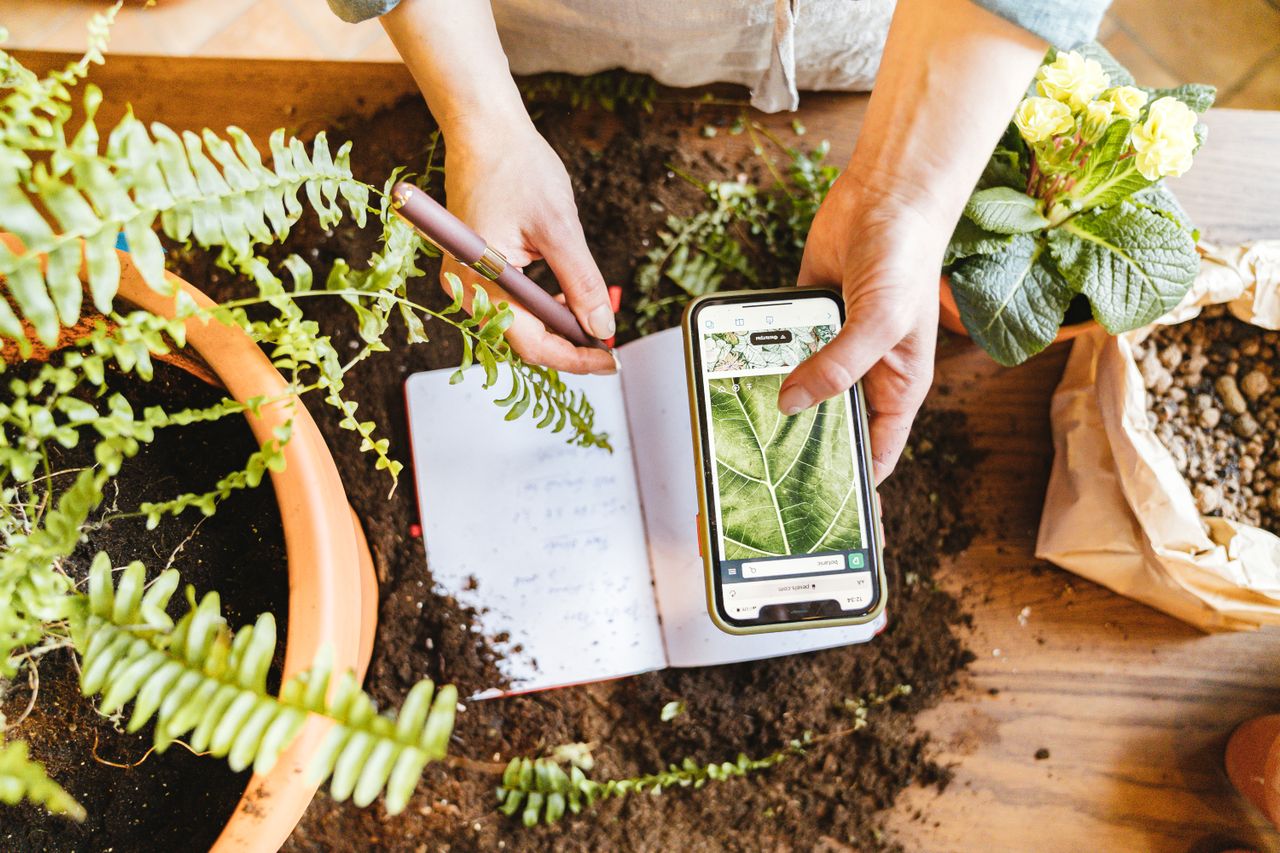
Quick Comparison of the Best Plant Apps
Before diving into the details, I recommend checking out this brief comparison. It summarizes how each top plant identifier app performed in my case.
| App | Accuracy | Best For | Key Feature | Price (type) |
|---|---|---|---|---|
| Botan app | Strong on houseplants | Indoor care | Reminders + disease check | Freemium (subscription) |
| Plant.id | Strong (per studies) | Developers | Health API + confidence scores | Free demo / paid API |
| iNaturalist | Strong on wild flora | Outdoor logging | Expert community review | Free |
| PlantNet | Strong on wild flora | Field ID | Regional filter | Free |
| Google Lens | Fair on common species | Fast checks | Instant visual search | Free |
How I Rated Every Plant ID App
I personally tested each plant ID app on my own species, in my own bad apartment lighting, with a cat who eats things he shouldn't. Here's what I graded them on:
- Speed. I timed how long it took each app to go from photo to response on my three-year-old phone.
- Care advice. I read watering and lighting recommendations for ferns and pothos. If all I got in response was "water as needed," the app lost points.
- Pet safety. Since my cat chews everything, I looked at whether each app warned me about toxic species, then double-checked those calls against the ASPCA plant list.
- Sick-plant help. I photographed yellowing leaves to see if the app could tell me what was actually wrong. A real diagnosis mattered more than a generic tip.
- Accuracy. I tested each app on both easy-to-care-for houseplants and a few unusual ones. In difficult cases, I checked my findings against reputable plant databases.
For me, the best plant ID app was the one that showed good results in most aspects.
Botan – My Top Choice
Botan is really built for people growing plants indoors. You take a photo, it names the plant, and then it hands you an actual routine to follow. That's what makes a reliable plant identifier and care app rather than just a scanner.
It warns you about toxic species, reminds you when to water and repot, and checks sick leaves for disease. There's even a chat where you can ask a real botanist.
What I liked:
- Really high accuracy for plant detection based on my tests.
- The care plans cover water, light, and feeding, plus reminders.
- It flags pet-toxic plants the moment it IDs them.
- The health check reads yellowing leaves and pests properly.
- You can message a botanist when you're stuck.
- The screen stays clean, with no ads shoved in your face.
What bugged me:
- Most of the helpful functions are available after a subscription.
- The database is heavy on houseplants and lighter on wild species.
If you grow mostly indoors and want one solution for both ID and care, this was the best plant app I tried. It solved more of my everyday plant headaches than anything else on the list.
Plant.id
It is a rather unusual tool. It's essentially an API developed by Kindwise, designed for developers to integrate into their own apps. However, there's a free web demo that can be pinned to your phone and used like a regular app.
It identifies plants and performs a separate health check for diseases and pests. When I uploaded a photo of a leaf, it returned a ranked list and a confidence percentage next to each guess. You can use this app if you want to create your own identification tool.
What I liked:
- Independent studies put its accuracy near the top.
- The health check covers hundreds of plant conditions.
- Every guess arrives with a confidence score.
- It works across a lot of languages.
- You can upload whole folders of photos at once.
- The demo runs in a browser with nothing to install.
What bugged me:
- The full product costs money, billed per scan.
- The consumer side feels bare next to a finished app.
- Care reminders just aren't what they're for.
Developers and tinkerers will get a lot out of it. If you only want to look after your plants, it's more than you need.
iNaturalist
iNaturalist isn't a care app, and it doesn't pretend to be. It's a science community — you post a photo, the model offers an ID, and real naturalists can chime in to confirm or correct it. Its lighter sister app, Seek, does live identification through your camera with no account required. For naming species you spot outside, this is easily the deepest app to identify plants I have come across.
What I liked:
- It handles plants, insects, fungi, and animals.
- Real experts can double-check your ID.
- When it's unsure, it gives you a genus instead of a bad guess.
- Your sightings feed genuine biodiversity research.
- It costs nothing, ever.
- Seek layers fast camera scanning on top.
What bugged me:
- It's weak on tropical houseplants.
- There are no care schedules or reminders.
- Photo IDs can run slower than the competition.
This app is great for documenting finds during a hike and learning on the fly.
PlantNet
The PlantNet app was developed by a group of French research institutes, including CIRAD, INRAE, and Tela Botanica. You photograph a leaf, flower, bark, or fruit, and a regional filter filters the results, leaving only those plants that actually grow nearby. Despite all these benefits, I can’t call it the best app for identifying plants because it lacks care and watering recommendations.
What I liked:
- Serious botanical institutions stand behind it.
- Regional filtering makes wild IDs noticeably sharper.
- You can submit several parts of the same plant.
- It achieves 80% accuracy on native flora in most tests.
- It's free with no subscription.
- Your uploads help grow a public database.
What bugged me:
- Houseplant coverage is thin.
- No care tips, and you set them up by hand.
- The design is very no-frills.
Hikers and native plant enthusiasts will love it. But it becomes much less convenient once you return home with a drooping fern.
Google Lens
Google Lens isn't really a plant app. It's a regular visual search feature that's already built into your phone. You point it at a leaf, and it makes a guess based on images from the internet. I tried it on a snake plant and identified it almost instantly. For a quick, no-effort plant ID app you already own, nothing is faster.
What I liked:
- It's preinstalled on most Android phones.
- Results come back in a couple of seconds.
- No account, no download, no setup.
- It surfaces shopping and article links too.
- It does a hundred things besides plants.
- It's completely free.
What bugged me:
- It struggles with cultivars and rarer species.
- There's no care advice whatsoever.
- It won't warn you about pet-toxic plants.
Keep it handy for quick and easy checks. Just don't trust it when deciding what to buy or what's safe for pets.
Free versus Paid Plant Applications
A free app to identify plants is perfect for the outdoors. PlantNet and iNaturalist don't cost a cent, and they'll teach you a surprising amount. When you just want to name something on a walk and keep moving, they're all you need.
With indoor plants, it's a different story, as you've typically already invested a considerable amount of time and money in them. As soon as a fussy aroid starts to wilt, an app with reminders and a diagnostic tool quickly pays for itself. Let’s compare free and paid plant ID apps side by side.
| Feature | Free apps | Paid / freemium apps |
|---|---|---|
| Examples | PlantNet, iNaturalist, Lens | Botan, full Plant.id |
| Best use | Trails, wild plants | Indoor collections |
| Care reminders | Rare or none | Built in |
| Disease help | Limited | Detailed |
| Cost | $0 | Subscription or credits |
My Verdict on the Best Plant App
Ultimately, all five apps are worth considering. But when I weighed all the factors: maintenance, accuracy, and the minimal effort each required — Botan emerged as the best. It identified my plants, marked the ones my cat shouldn't chew, and explained why my fern was constantly dropping its leaves. For indoor species, this combination made it my top plant identifier app.
I realize this is from a while ago, but I wanted to add my experience. I tried BotanApp and loved the care reminders, but the subscription stings. Has anyone found a decent free alternative for indoor plants that still gives disease alerts? iNaturalist is great for wild stuff, but my houseplants need more hand-holding.
I found that pairing BotanApp with a reliable way to check plant health locally works well for house plants. I personally use a service that helps me avoid overwatering issues by limiting identification requests, which you can see at local_rate_limited. This approach keeps my indoor greens thriving without guessing.