The Intersection of Technology and Art: A New Creative Frontier
In the past decade, the line between technology and art has blurred dramatically, giving rise to a cultural renaissance where code, algorithms, and hardware become as expressive as paintbrushes and chisels. This convergence isn’t a fleeting trend; it’s a fundamental shift that reshapes how we create, experience, and value artistic work.
From Canvas to Code
Traditional media still command reverence, yet digital tools have expanded the artist’s palette. Software like Adobe Fresco and Procreate mimic the tactile feel of ink while offering infinite undo options—a freedom that encourages risk‑taking.
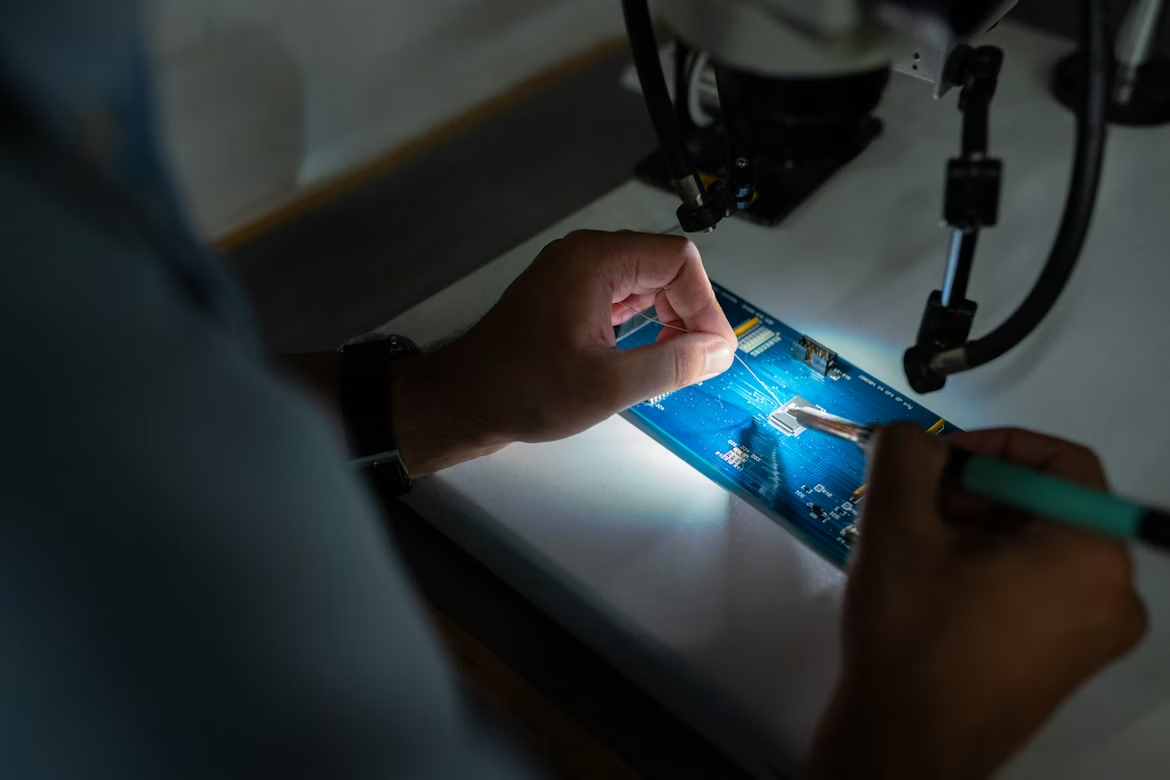
Meanwhile, generative art platforms such as Processing and p5.js empower creators to write algorithms that produce ever‑changing visual patterns, turning programming languages into modern‑day sketchbooks.
Immersive Experiences
Virtual reality (VR) and augmented reality (AR) have turned galleries into interactive playgrounds. Installations like Rain Room or TeamLab Borderless invite visitors to become part of the artwork, their movements influencing light, sound, and form in real time. These experiences underscore a core tenet of the tech‑art marriage: the audience is no longer a passive observer but an active participant.
AI as Co‑Creator
Artificial intelligence adds a provocative layer to the dialogue. Tools like DALL‑E, Midjourney, and Stable Diffusion generate striking images from simple text prompts, challenging preconceived notions of authorship. Artists such as Refik Anadol harness AI to translate massive data sets into kinetic visualizations, turning raw information into poetic expression. The debate continues—does the machine create, or does it merely amplify the human imagination? The answer, perhaps, lies somewhere in between.
Economic and Ethical Ripples
Blockchain and NFTs have introduced new models for ownership and remuneration, allowing creators to monetize digital originals that were once infinitely reproducible. Yet these innovations also raise questions about sustainability, accessibility, and the commodification of intangible experiences.
Looking Ahead
As sensors become more sensitive, processors more powerful, and networks faster, the symbiosis between technology and art will only deepen. The next masterpiece may be a self‑learning sculpture that reshapes itself according to the viewer’s emotional state, or a concert composed in real time by an AI that reads the audience’s biometric data.
The intersection of technology and art is not a collision—it’s a collaboration. It invites us to rethink creativity as a dynamic conversation between human intuition and machine precision, promising a future where the only limit is the imagination we’re brave enough to code.