Astrology: An Old Language for Reading Yourself
Astrology has an odd reputation. To some, it's a superstition to be politely humored. To others, it's a serious framework they check every morning before deciding how to approach the day. Somewhere between those two extremes is where most people actually land — curious, a little skeptical, and genuinely interested in what it might reveal about themselves.
At its core, astrology is a symbolic system that maps the positions of the Sun, Moon, and planets at a given moment — usually the moment of your birth — onto a language of signs, houses, and aspects. It doesn't claim to predict the future with certainty. What it offers is a structured way of thinking about personality, timing, and patterns, built up over thousands of years and still actively used today, including by professional astrologers on modern platforms like Natal Chart Ruler.
Where Astrology Actually Comes From
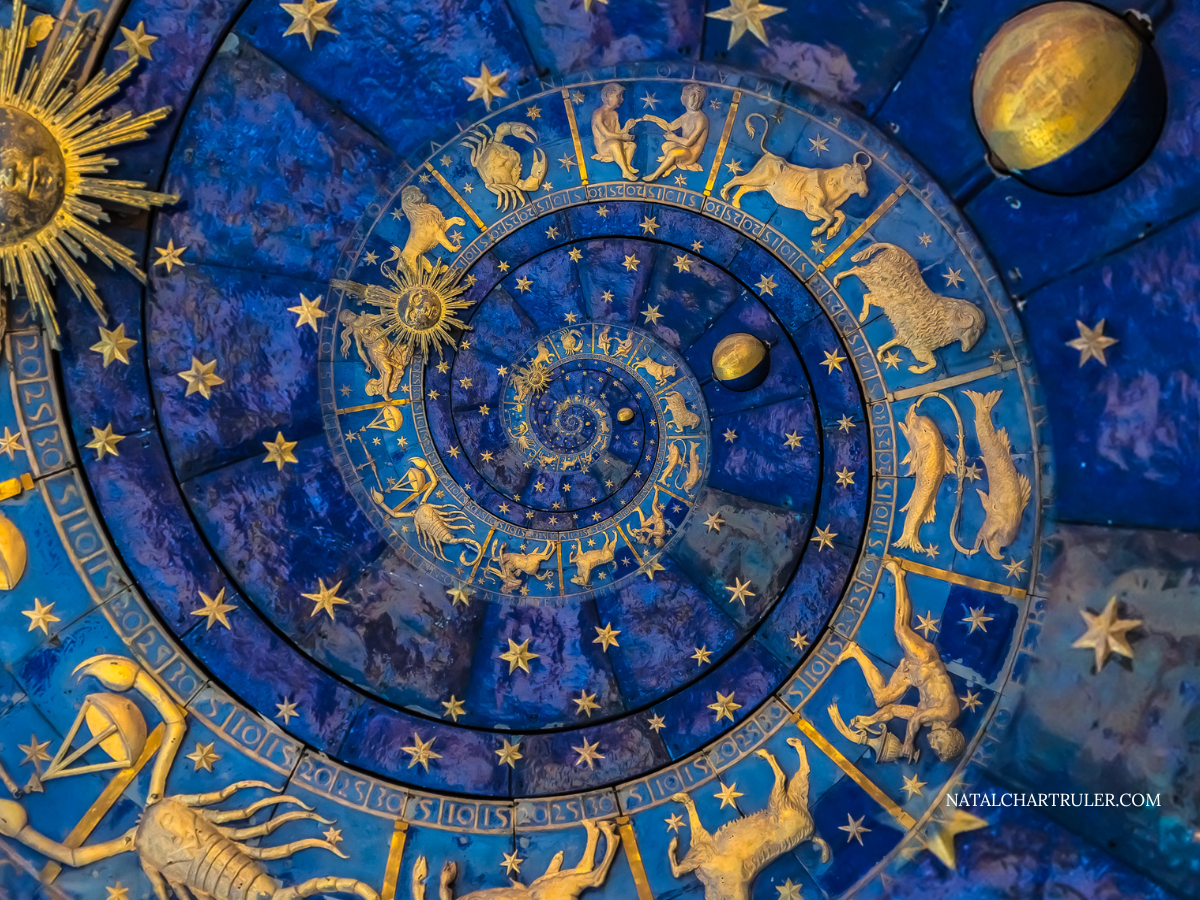
Astrology isn't one unified tradition — it's several, layered on top of each other. Babylonian astronomers were tracking planetary movements and connecting them to earthly events thousands of years ago. The Greeks later systematized much of what we now call Western astrology, including the twelve houses and the zodiac wheel. Separately, Vedic astrology developed in India with its own calculations and emphases, and Chinese astrology built an entirely different system organized around a 12-year animal cycle rather than monthly signs.
What most people in the West mean by "astrology" today — Sun signs, natal charts, horoscopes — comes primarily from that Greco-Roman foundation, refined over centuries and now recalculated with modern astronomical precision rather than the naked-eye observations of the ancient world.
The Building Blocks: Planets, Signs, and Houses
Three layers combine to make any astrological reading:
• Planets represent different areas of psychological or life experience — the Sun for identity, the Moon for emotion, Mercury for communication, Venus for connection and values, Mars for drive and action, and so on through the outer planets, which move more slowly and tend to describe generational shifts rather than personal ones.
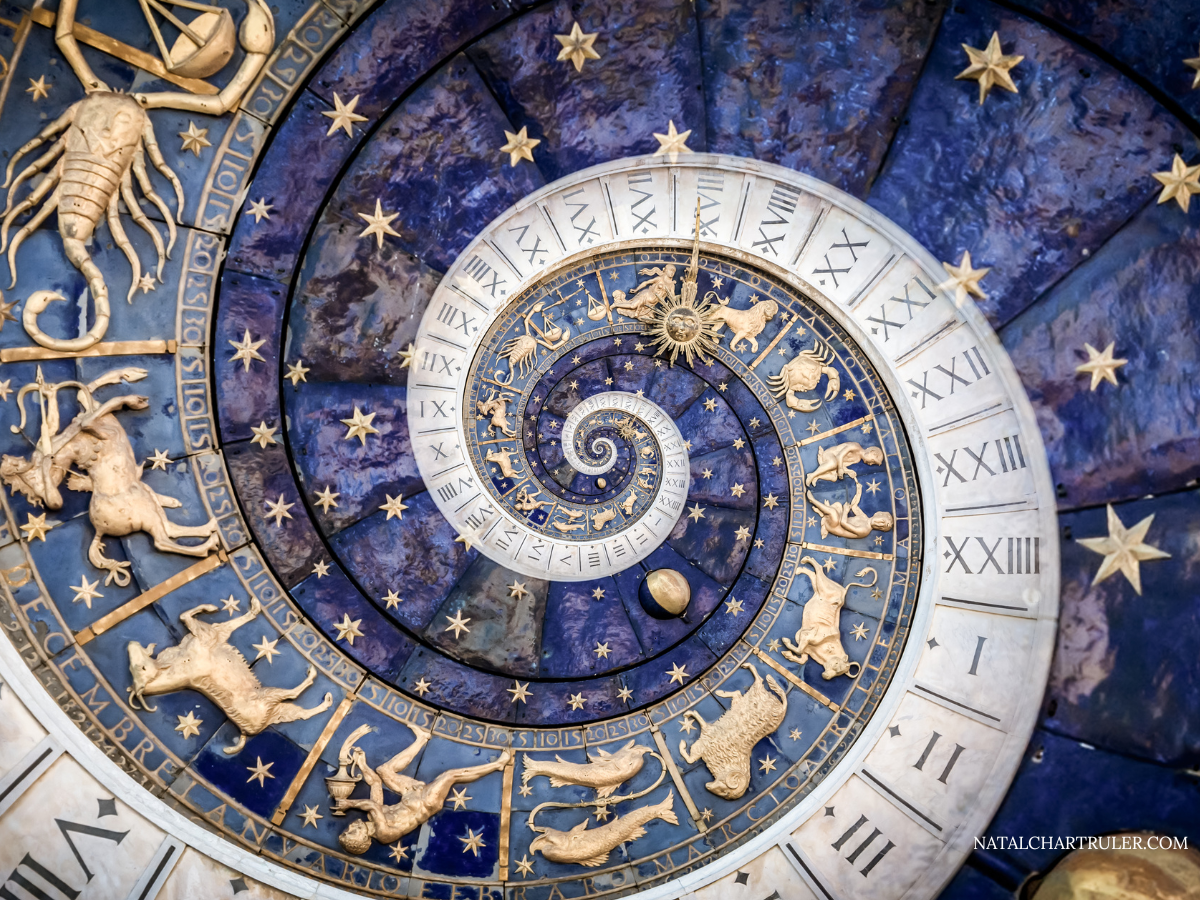
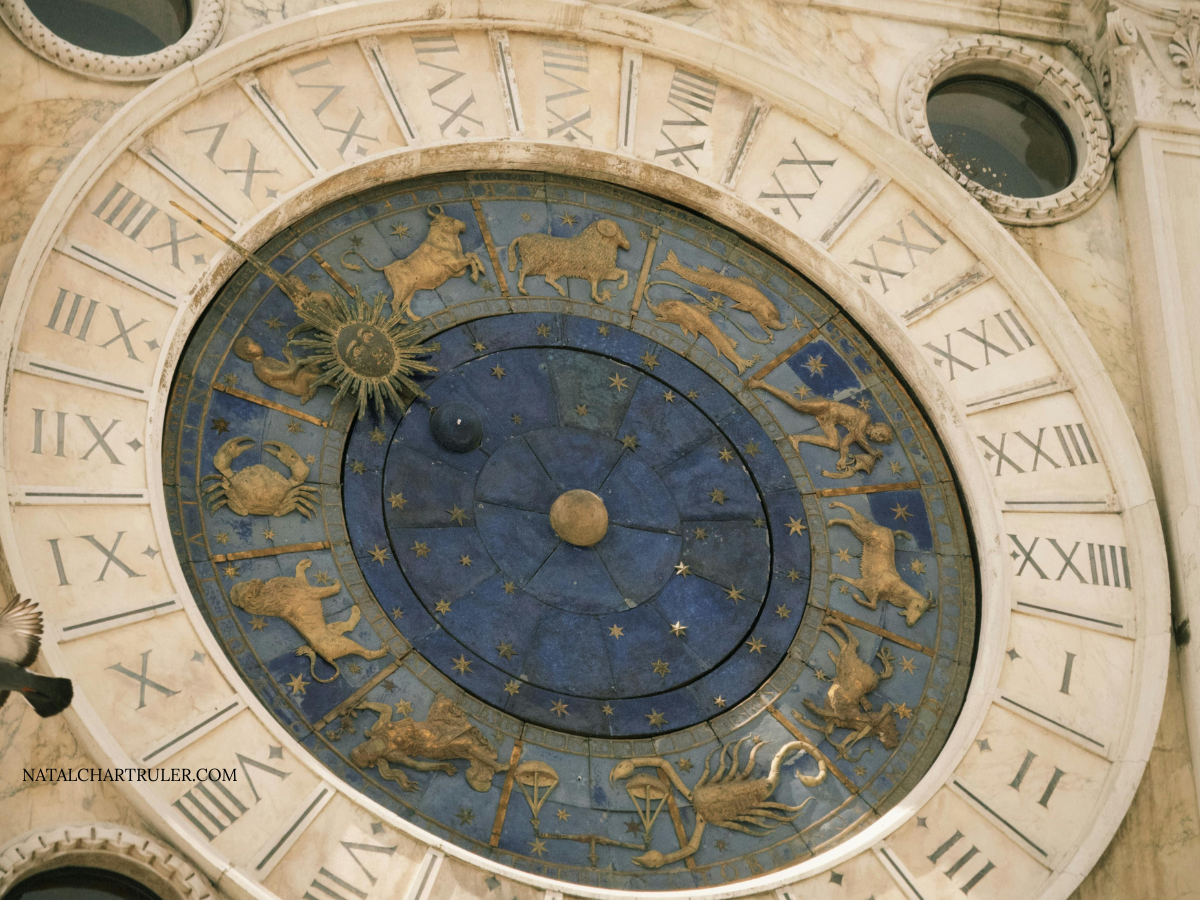
• Signs (the twelve zodiac signs) describe the style or flavor a planet's energy takes — Aries direct and fast, Taurus steady and grounded, Gemini curious and quick, and so on around the wheel.
• Houses describe where in life that energy tends to show up — relationships, career, home, communication, and so forth.
A full astrological reading, whether it's a daily horoscope or a full natal chart, combines these three layers. This is also why a serious astrological consultation looks nothing like a one-line horoscope: a practicing astrologer is reading a whole combination of planet, sign, and house at once, not just checking which sign the Sun happens to be passing through.
Astrology in Daily Life: Horoscopes and Transits
Most people's first contact with astrology is the daily or weekly horoscope — a short forecast tied to your Sun sign. It's a simplified entry point, useful as a light daily nudge, but it only accounts for one twelfth of the picture, since it ignores your Moon, Rising sign, and everything else in your personal chart.
Behind horoscopes is the concept of transits — where the planets are positioned right now, and how those current positions interact with your own natal chart. A Mercury retrograde, for instance, is simply Mercury appearing to move backward from Earth's vantage point; astrologically, it's associated with communication hiccups, delays, and a general sense of things needing to be redone. Whether or not you take that literally, transits are the mechanism behind most astrology content you'll encounter — they're the reason astrology feels current and changing rather than static.
Platforms offering natal chart calculations, like Natal Chart Ruler, often extend this into personalized timing reports — showing how current transits interact with your specific chart, rather than a generic sign-wide forecast.
Is Astrology a Science?
This is worth addressing directly, because it comes up constantly. Astrology does not meet the standards of a scientific discipline — its claims aren't supported by controlled, repeatable studies showing the effects it describes. Reputable astrologers and platforms tend to be upfront about this rather than dodging it: astrology is generally positioned as a tool for reflection, self-understanding, and thinking through decisions, not a predictive science with guaranteed outcomes.
That distinction matters. Treating a chart as a rigid forecast tends to produce disappointment or overreliance. Treating it as a structured lens — a way to notice patterns, name tendencies, and think through timing — is where most people report it actually being useful.
Getting Started: Where to Begin
If astrology interests you but feels overwhelming, there's a natural order to learning it:
• Start with your Sun, Moon, and Rising signs. These three cover most of what people mean by "my sign" and give you a workable entry point.
• Get your birth time as precise as possible. Rising signs and house placements shift within minutes, so an approximate time will only get you an approximate chart.
• Read about aspects gradually. The angles between planets — conjunctions, oppositions, squares, trines — are where a chart's real nuance lives, but they're also the most complex part, so there's no rush.
• Consider a professional reading once the basics click. A practicing astrologer can connect the dots between placements in a way that self-study alone rarely covers.
Free calculators are a good low-stakes way to start — Natal Chart Ruler's natal chart tool, for example, generates a free Sun, Moon, and Rising sign reading from your birth data using Swiss Ephemeris calculations, the same precision-grade planetary data professional astrologers rely on, before offering a deeper paid report if you want to go further with a practicing astrologer.
Astrology's Relationship to Other Practices
Astrology rarely stands entirely alone. It often overlaps with tarot, which works from a specific question rather than a birth date, and with numerology, which derives meaning from the numbers in your name and birth date rather than planetary positions. Many practicing astrologers work across several of these systems, using the natal chart as a foundation and layering tarot or numerology on top when someone has a specific, timely question rather than a broad one about identity.
This is part of why services built around natal charts increasingly offer more than one tool under one roof — chart calculations, tarot consultations, numerology, and horoscopes together, rather than treating each as a separate silo.
Closing Thoughts
Astrology's staying power isn't really about prediction — it's about the framework it gives people for thinking through who they are and what they're facing. Whether you approach it with full belief, healthy skepticism, or something in between, the underlying system is coherent enough to be worth understanding on its own terms before deciding what to do with it.
A free chart is usually the easiest way in. From there, whether you go deeper with a full natal chart reading, explore transits, or bring in tarot for a specific question, the choice of how far to take it is entirely yours.